Niagara
Frederic Edwin Church · 1857
Explore the painting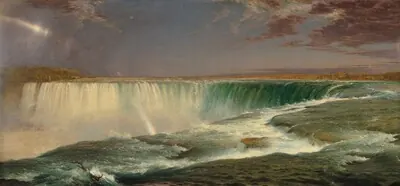
The painting’s story and details
Water rushes from beneath our feet towards the falls. In Niagara, painted in 1857, Church combined observations from several positions to give viewers a view impossible in reality. We see both the near water and the distant curve of Horseshoe Falls. More than two metres wide, the canvas was designed for a powerful visual encounter. It was exhibited alone, with audiences buying tickets to see a single painting.
Across the falls, white streams form a long wall. On the right, water remains transparent and green; below, it becomes foam. That transition makes the current’s thickness palpable. Church differentiates states of the same water with great precision, while the continuous curve joins them into a movement far larger than any individual wave.
On the right, the current bends over a ledge. Darkness in the foreground makes the pale foam especially visible. Our eye examines the water before it falls and mentally follows its downward path. Curiosity combines with a sense of dangerous proximity. The picture offers almost nowhere that we could imagine placing a foot.
A rainbow appears in the mist. Its lower fragment almost dissolves in spray, while the upper part remains visible near the left edge. Colour seems to exist at the limit of perception. The falls conceal their base, so depth is felt through things disappearing. Church offers details on the current’s surface while leaving much of its descent unseen.
Bands of dark cloud lie above the water. Lighter areas open between them, their tones echoed in the current. Distant land becomes a thin line of trees and buildings. Niagara was already a popular tourist destination, yet the familiar comforts of a visit have largely disappeared. The viewer receives a natural spectacle with few signs of the life organized around it.
A small branch appears among the foreground foam. It is easily lost in the churning water. Familiar from an ordinary riverbank, it gives the current a measure and shows how little an individual object counts here. Such a detail lets us feel the falls’ scale bodily. Something we could pick up on land is carried away effortlessly.
For American audiences, Niagara could embody the young nation’s power. But the Canadian border also carried another meaning. As the museum’s audio guide explains, local helpers took people escaping slavery across the river. This context does not establish a hidden political programme in the painting, but it restores the place’s human history. The same magnificent spectacle could be a tourist attraction and a route to freedom.
Featured in tours
American landscape. Land and its inhabitants
Nature, territorial expansion, the Civil War and urban life in American painting.
More paintings to compare
 Frederic Edwin Church
View of Cotopaxi
1857 Frederic Edwin Church
Heart of the Andes
1859 Frederic Edwin Church
Twilight in the Wilderness
1860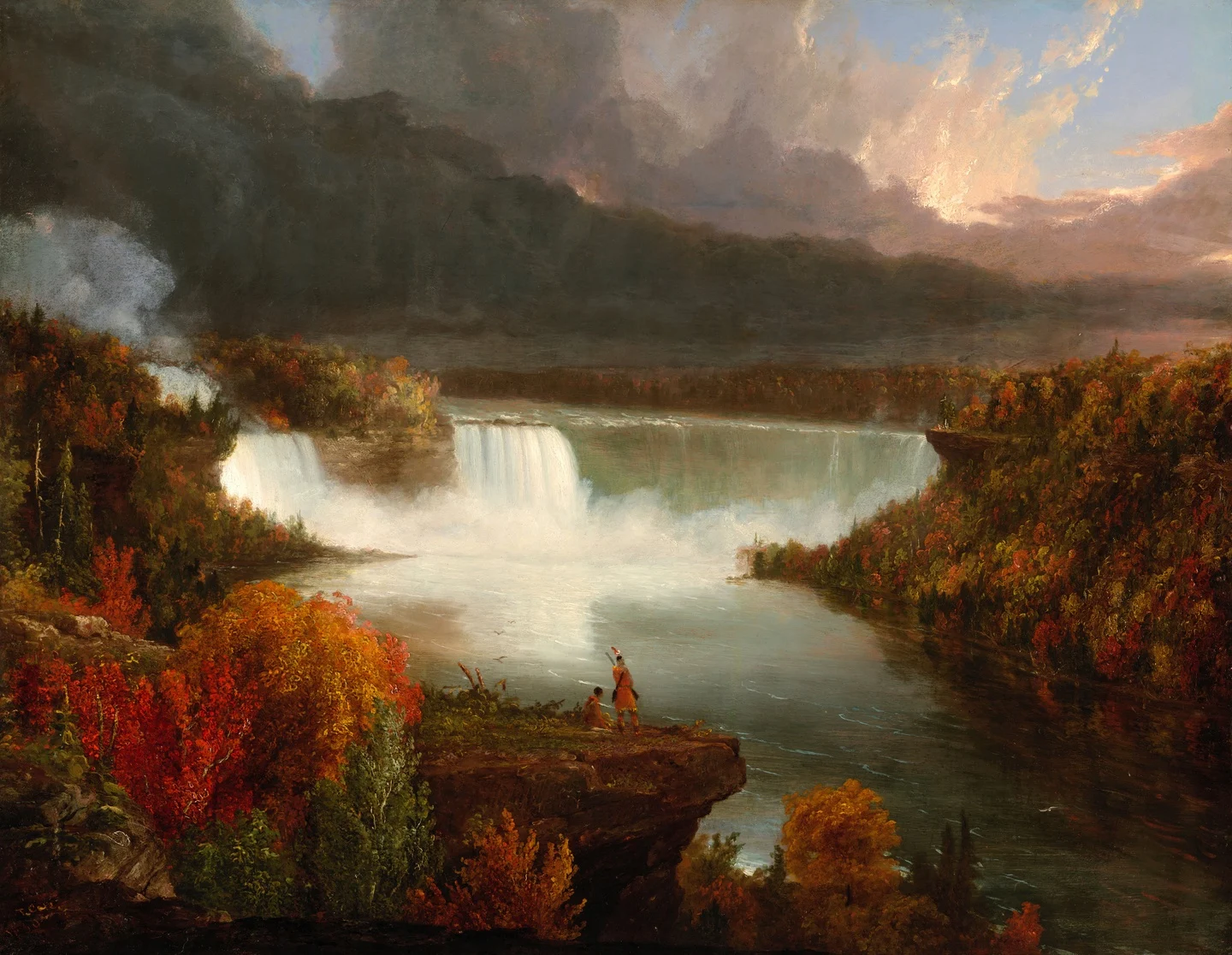 Thomas Cole
Distant View of Niagara Falls
1830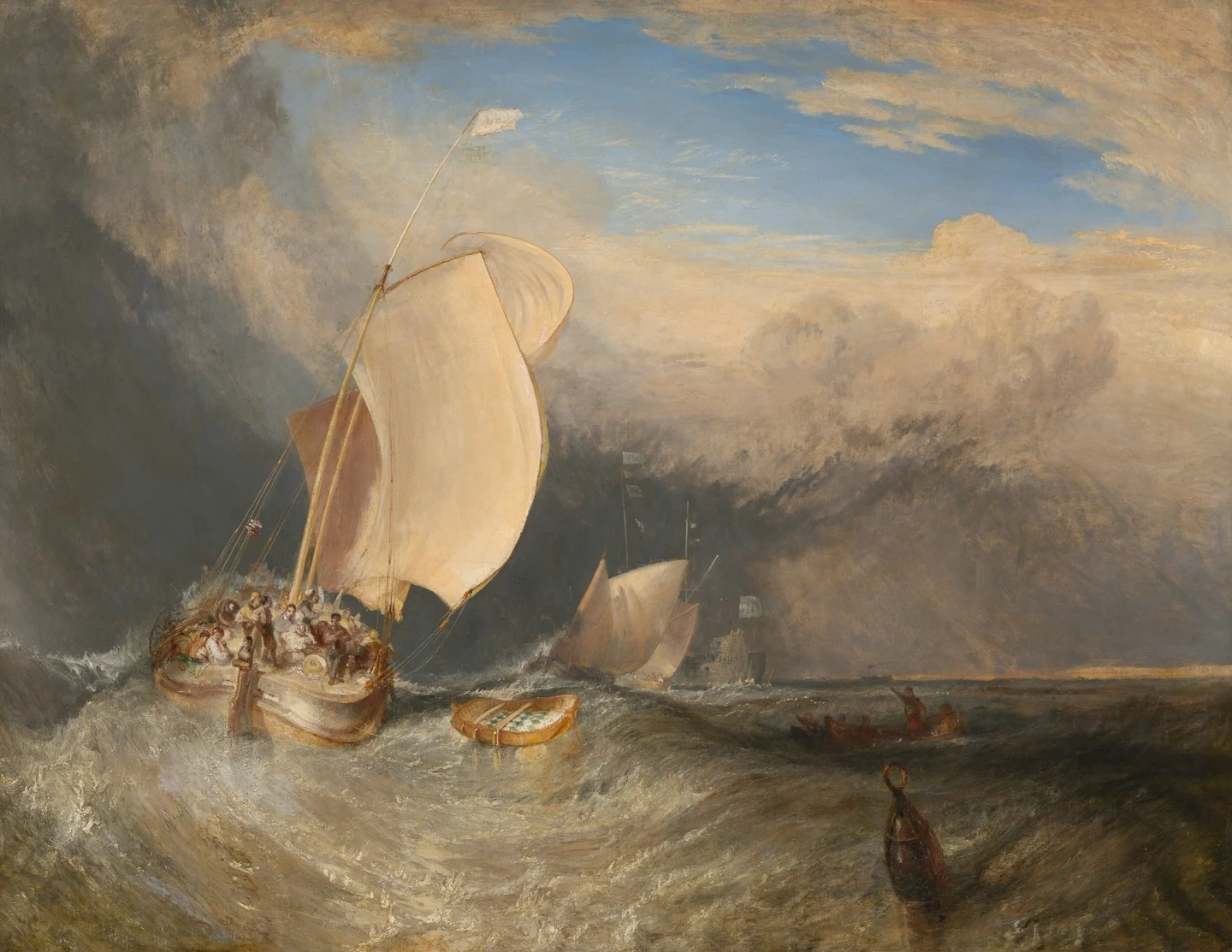 Joseph Mallord William Turner
Fishing Boats with Hucksters Bargaining for Fish
1837–38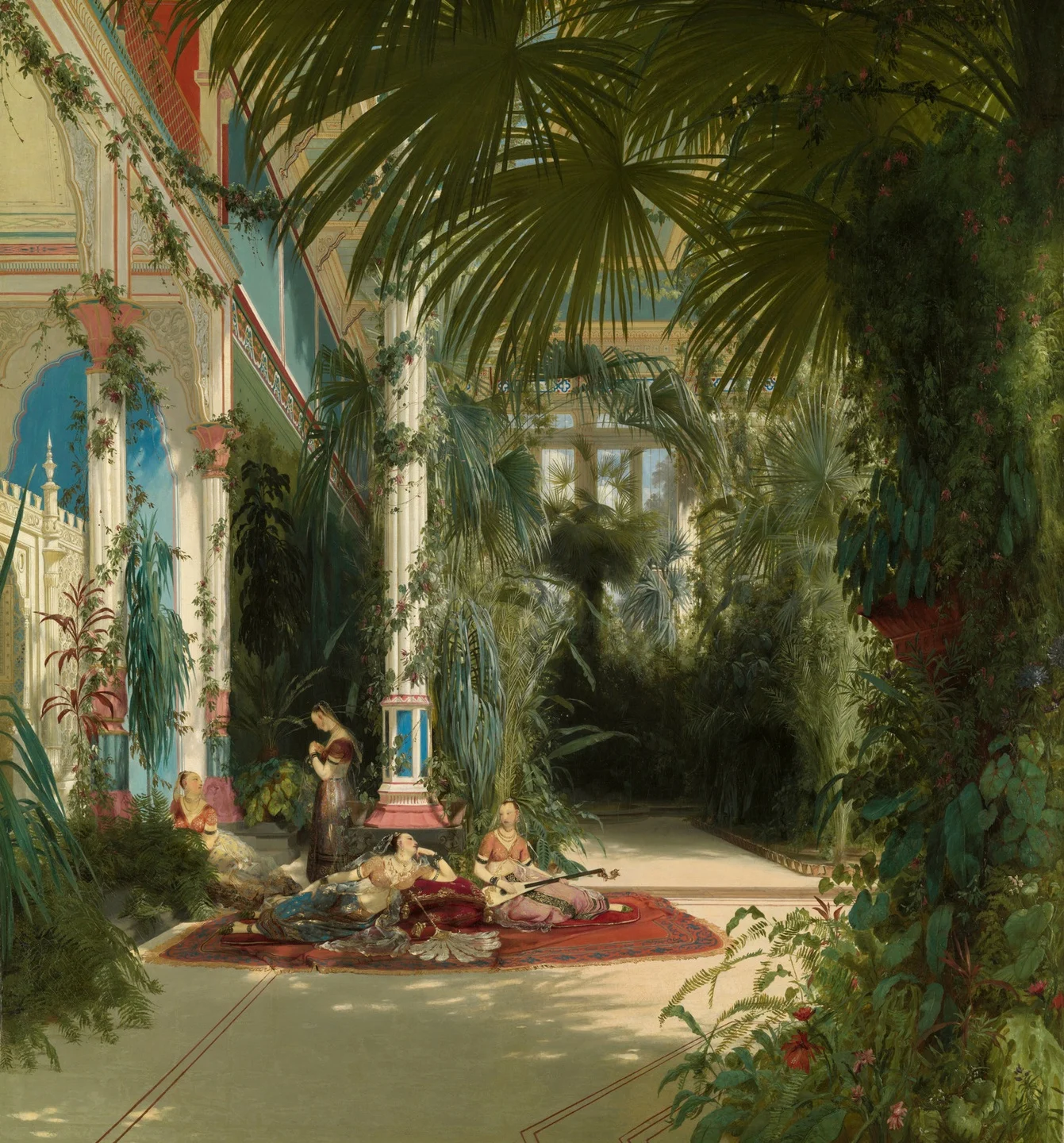 Carl Blechen
The Interior of the Palm House on the Pfaueninsel Near Potsdam
1834Period, style and subject
- Movement
- Romanticism
- Genre
- Landscape
- Medium
- oil on canvas
- Collection
- National Gallery of Art, Washington
- Dimensions
- Overall, 101.6 × 229.9 cm
- Accession number
- 2014.79.10
Sources
Reproduction of a public-domain artwork. Image licence