Paintings
Browse paintings by title and artist. Explore reproductions in detail, read the stories behind the artworks and open a free audio guide.
Open the gallery Arkhip Kuindzhi
After the Rain
1879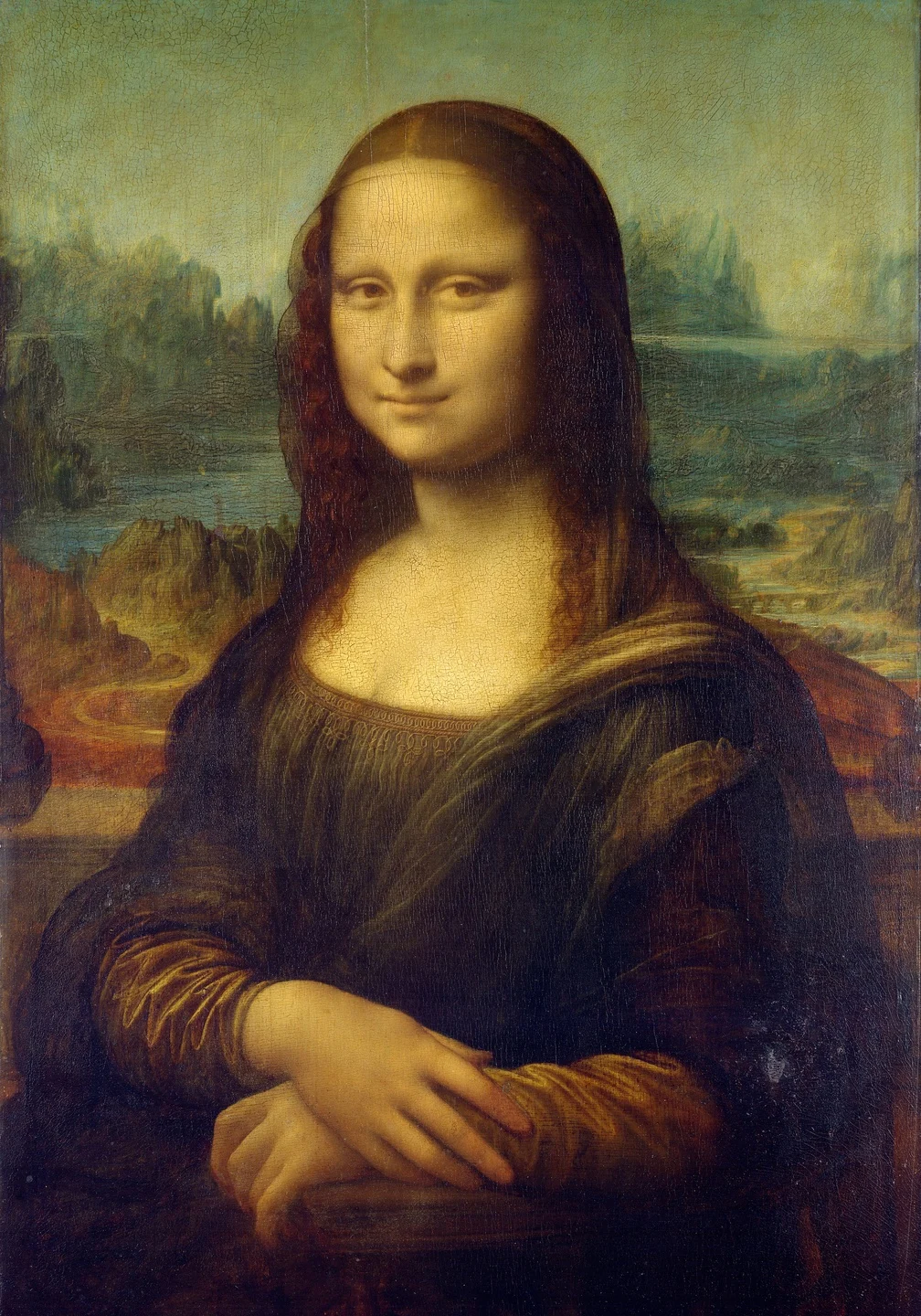 Leonardo da Vinci
Mona Lisa (Portrait of Lisa Gherardini)
1503–1519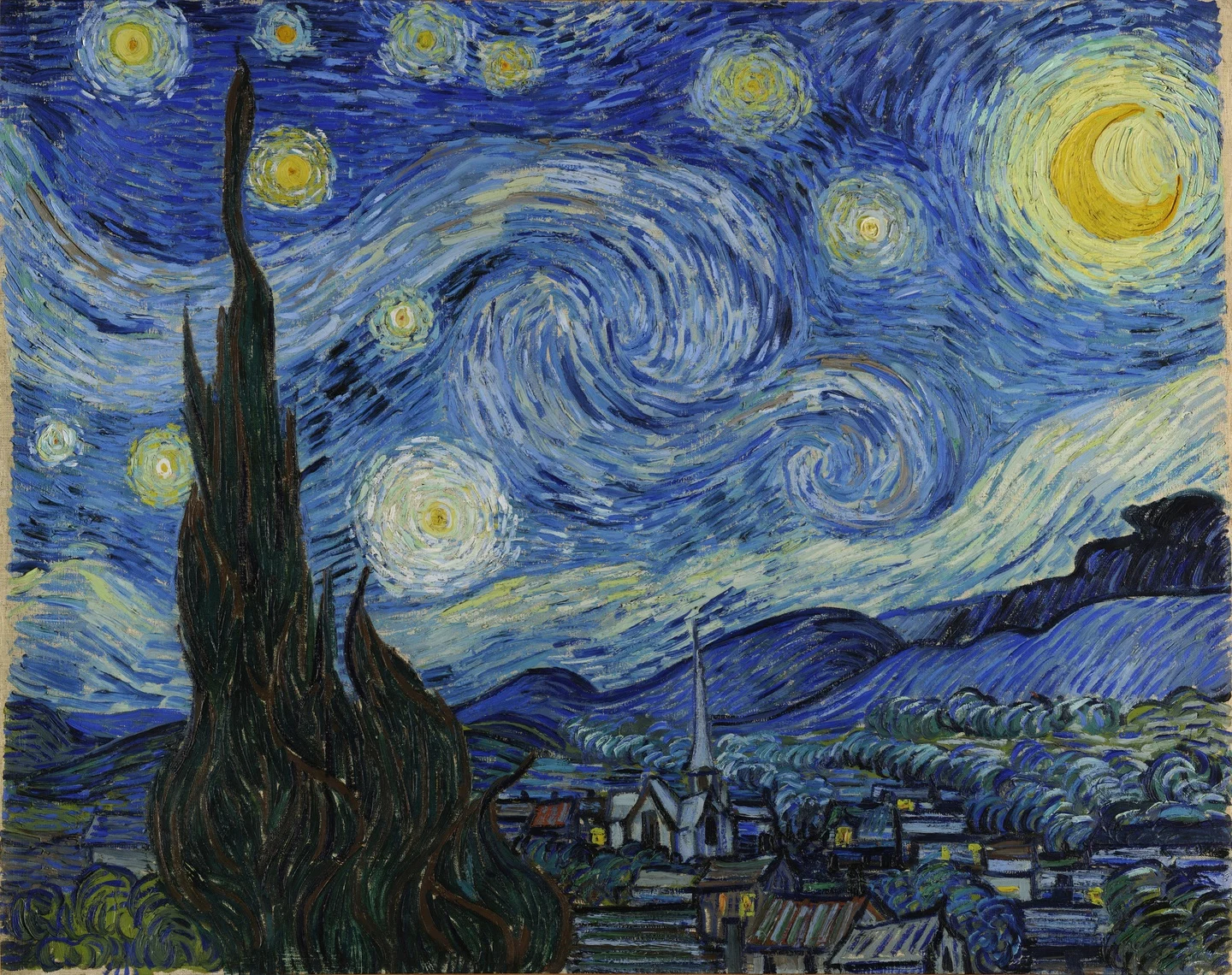 Vincent van Gogh
The Starry Night
June 1889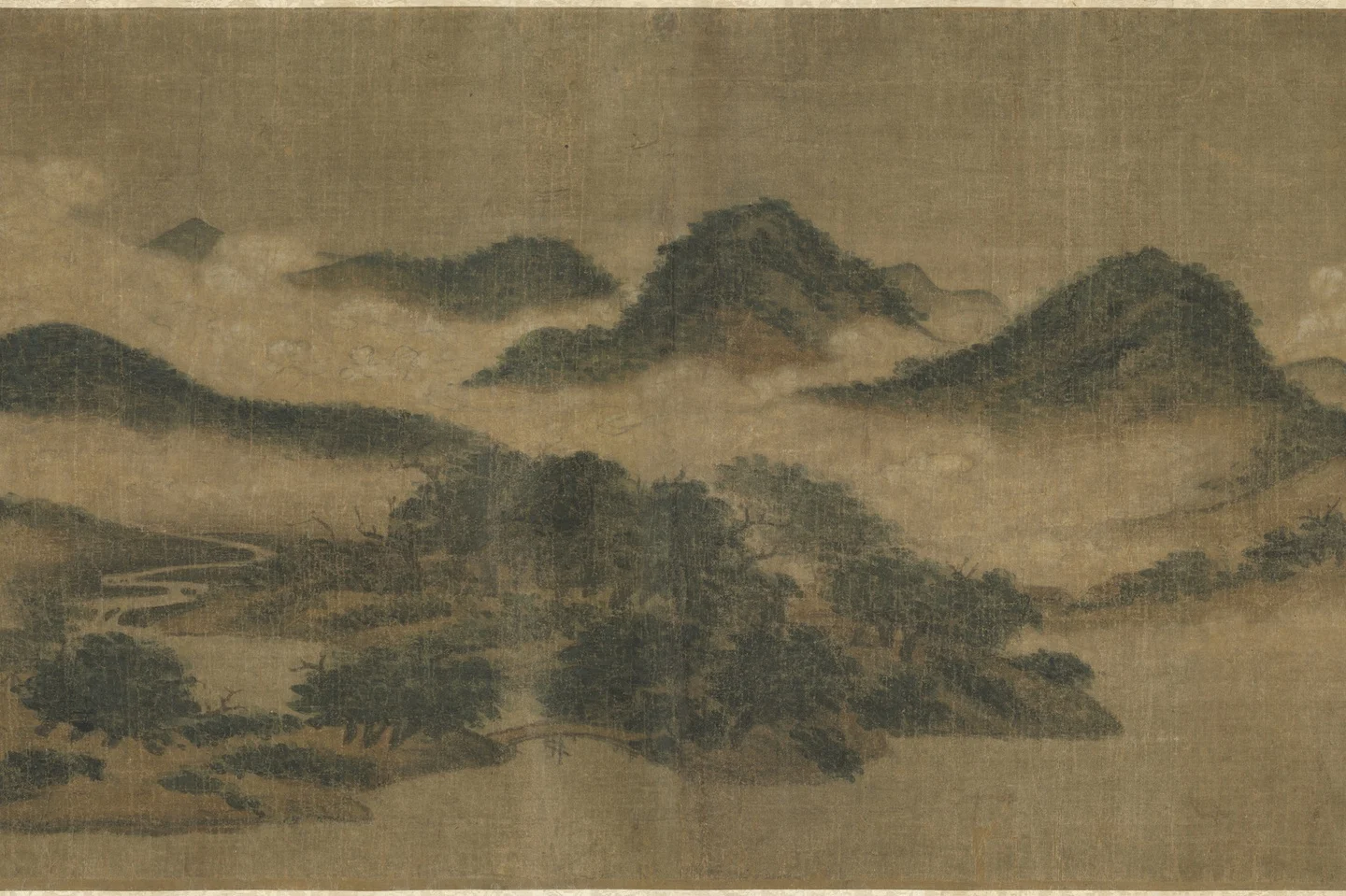 Mi Youren
Cloudy Mountains
1130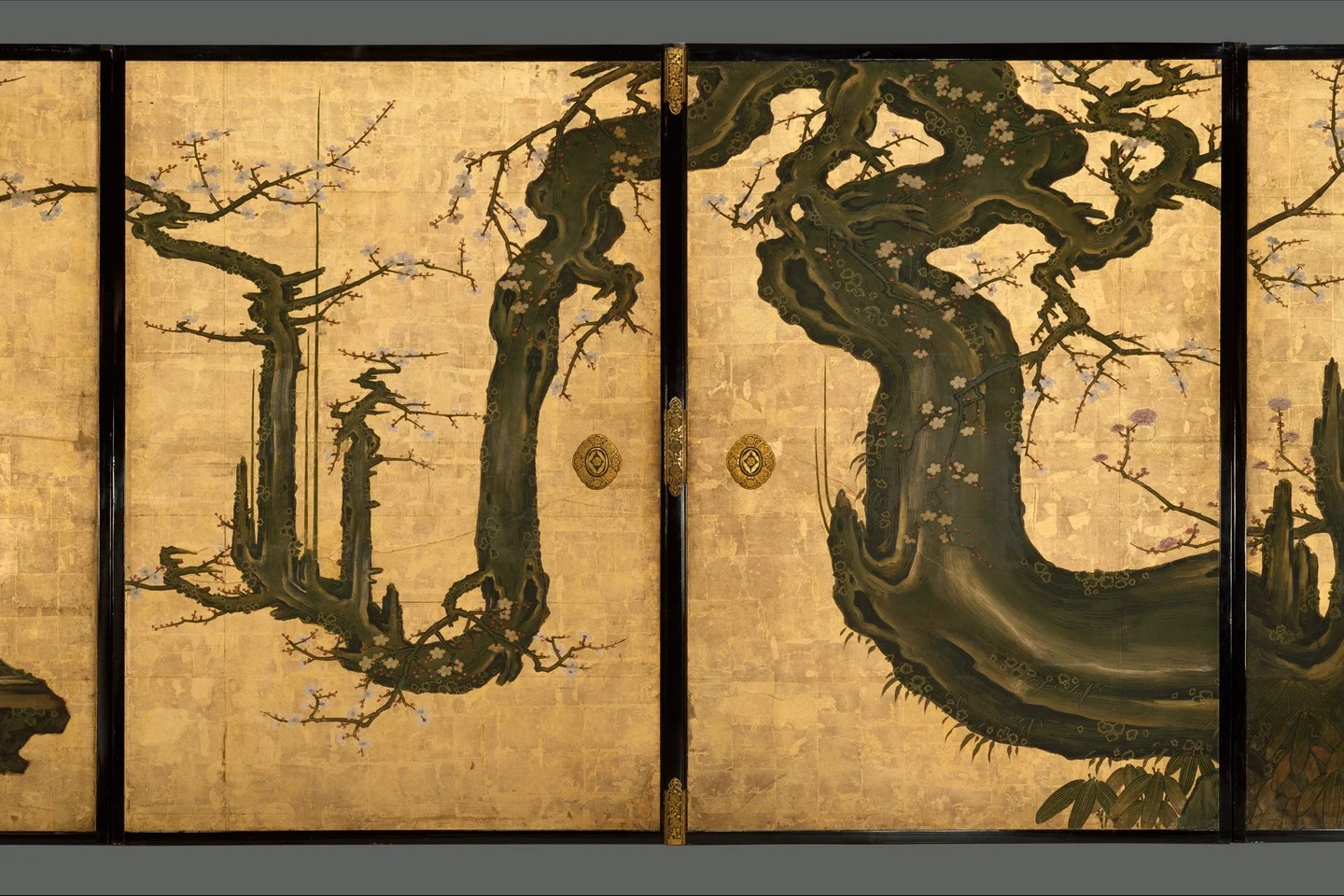 Kano Sansetsu
Old Plum
1646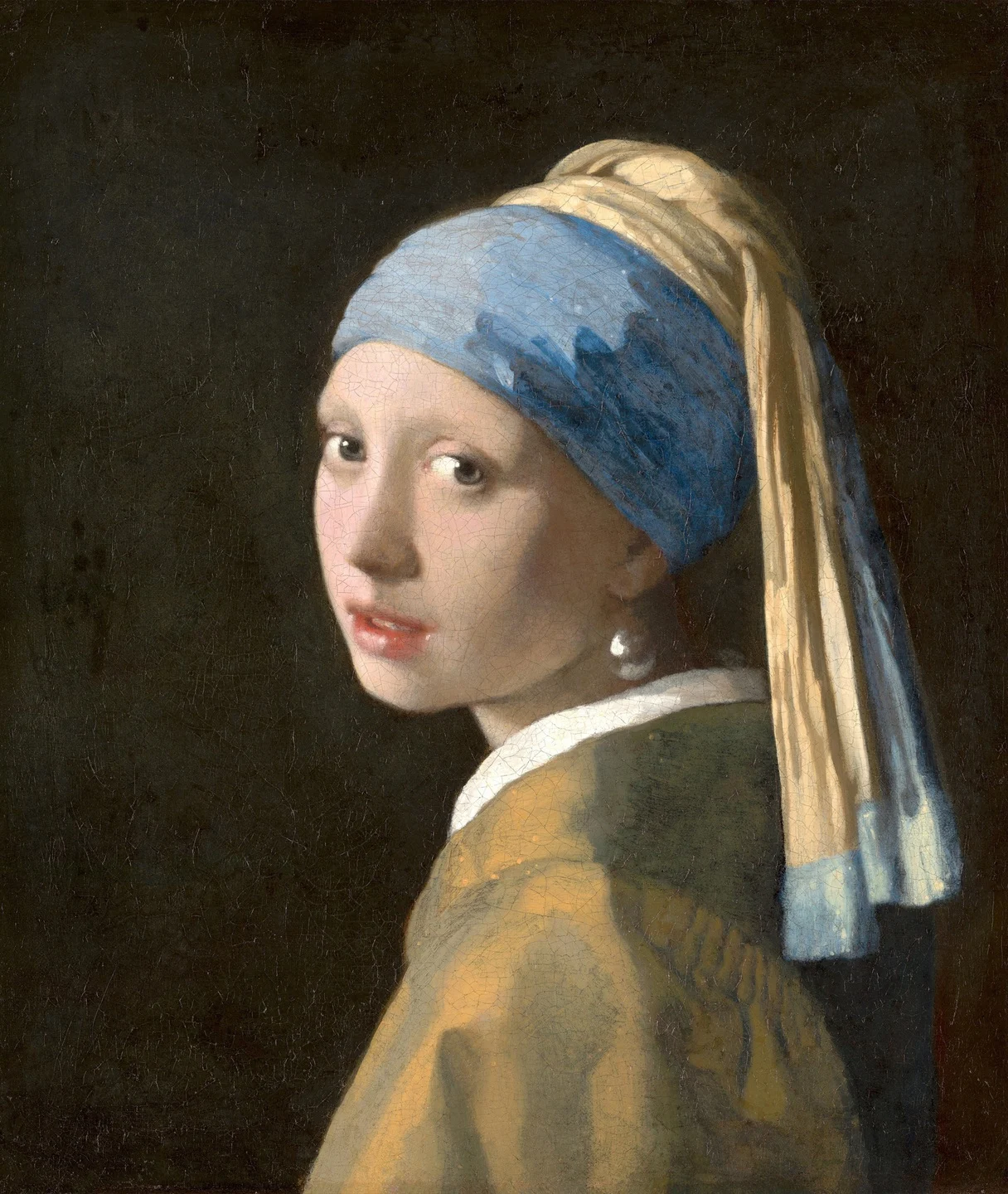 Johannes Vermeer
Girl with a Pearl Earring
c. 1665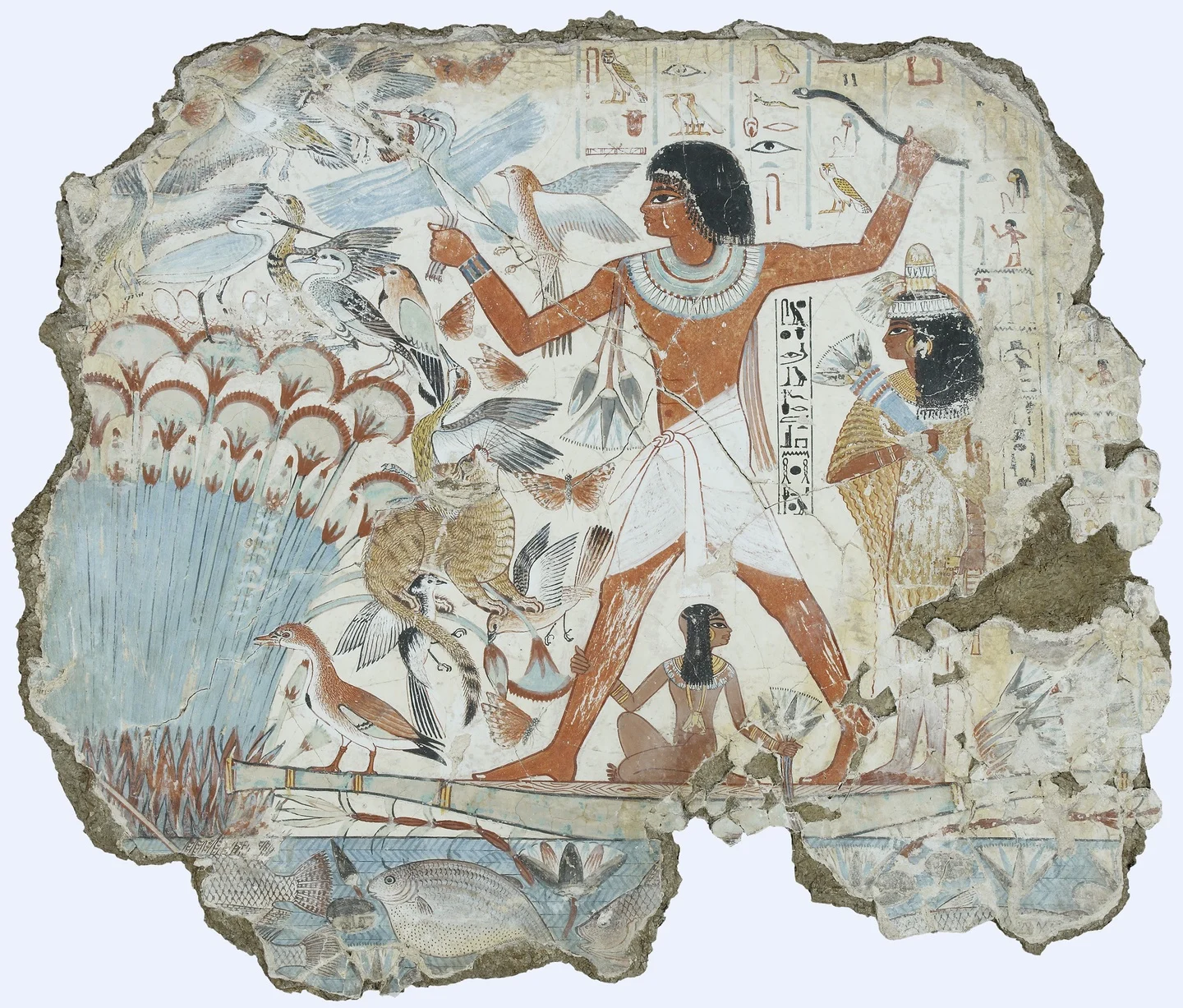 Unidentified Egyptian painters
Nebamun Fowling in the Marshes — original tomb-painting fragment
c. 1350 BCE Sandro Botticelli
Spring (Primavera)
About 1480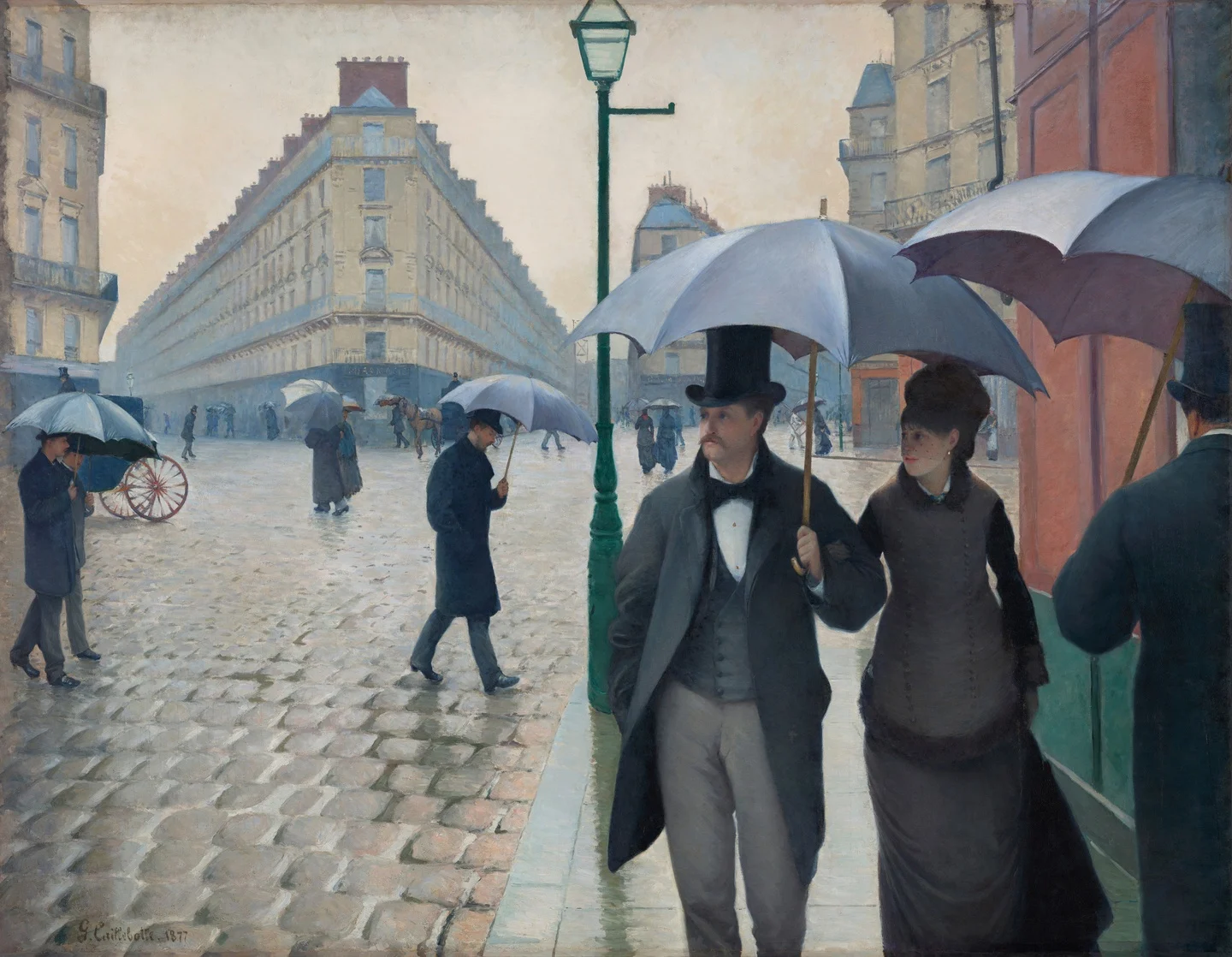 Gustave Caillebotte
Paris Street; Rainy Day
1877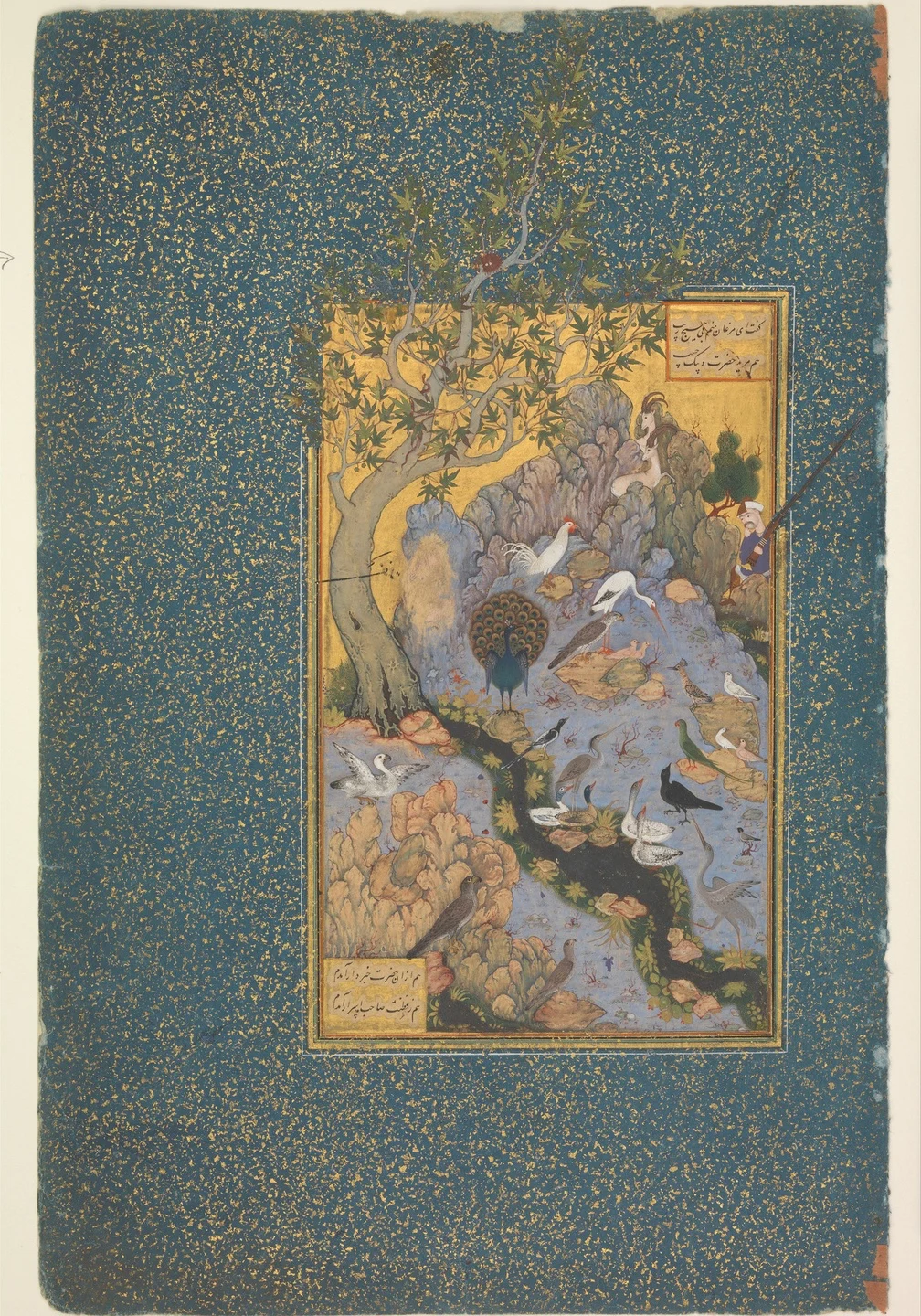 Painting by Habiballah of Sava
"The Concourse of the Birds", Folio 11r from a Mantiq al-Tayr (Language of the Birds)
ca. 1600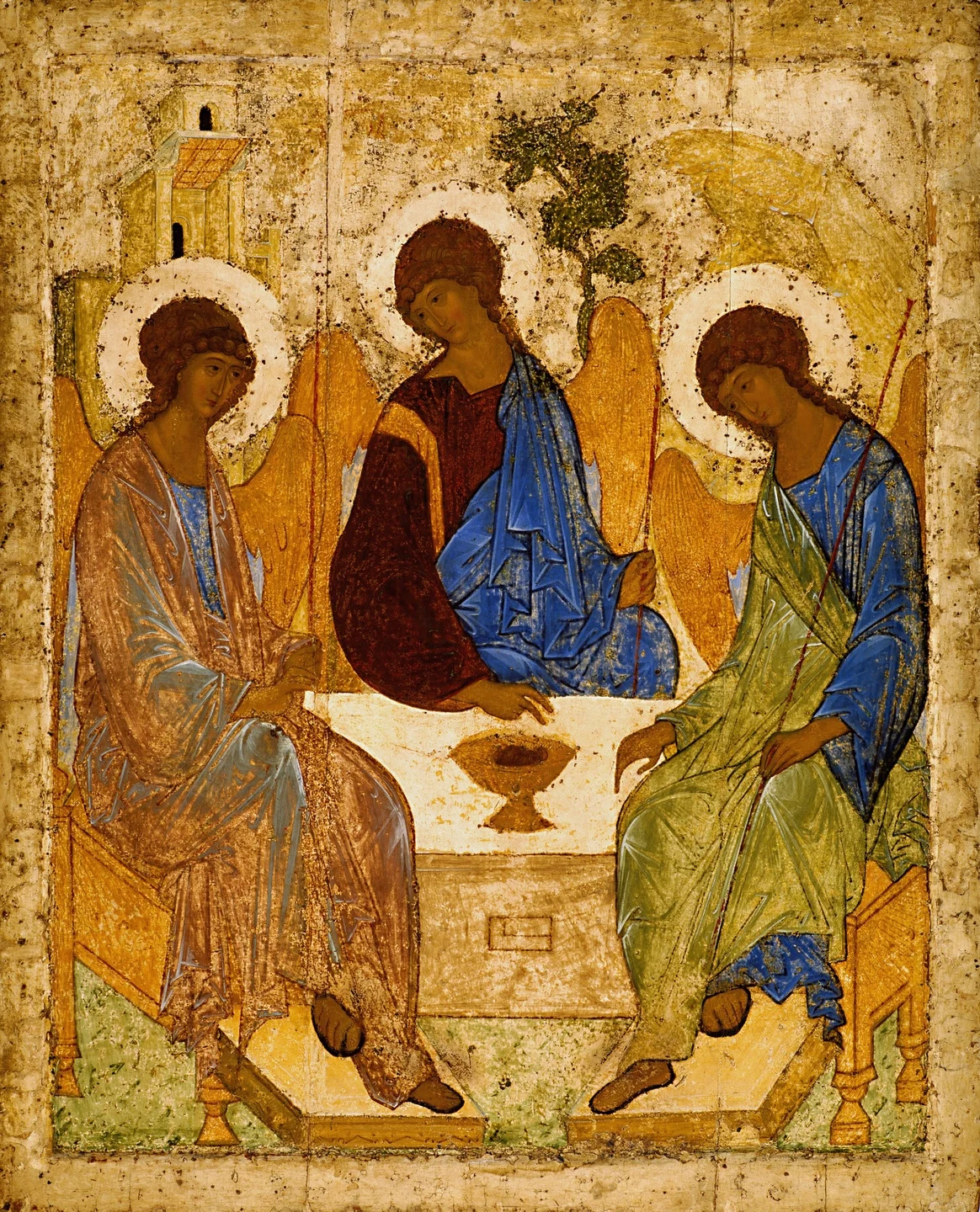 Andrei Rublev
The Trinity
Probably 1422–1427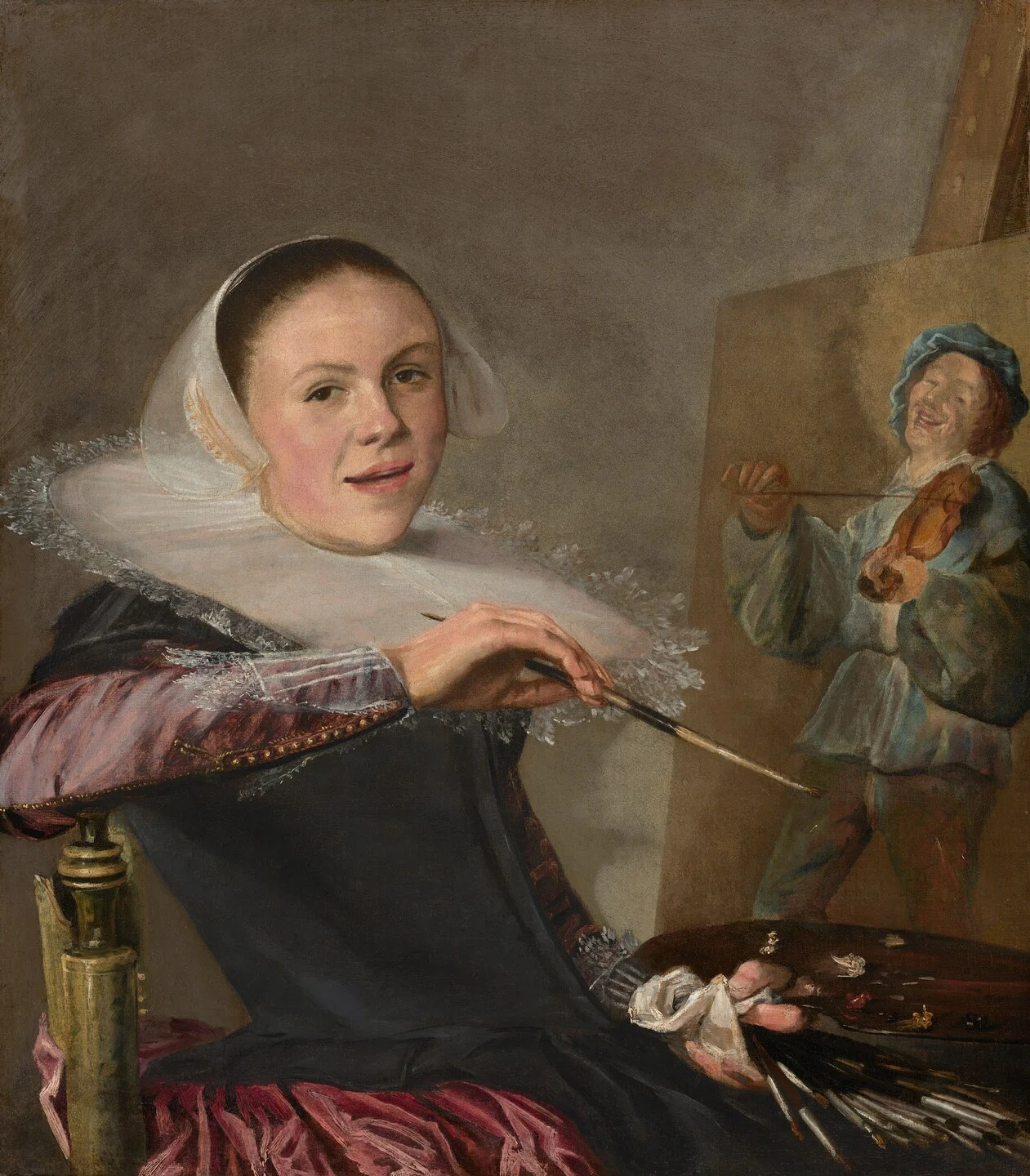 Judith Leyster
Self-Portrait
c. 1630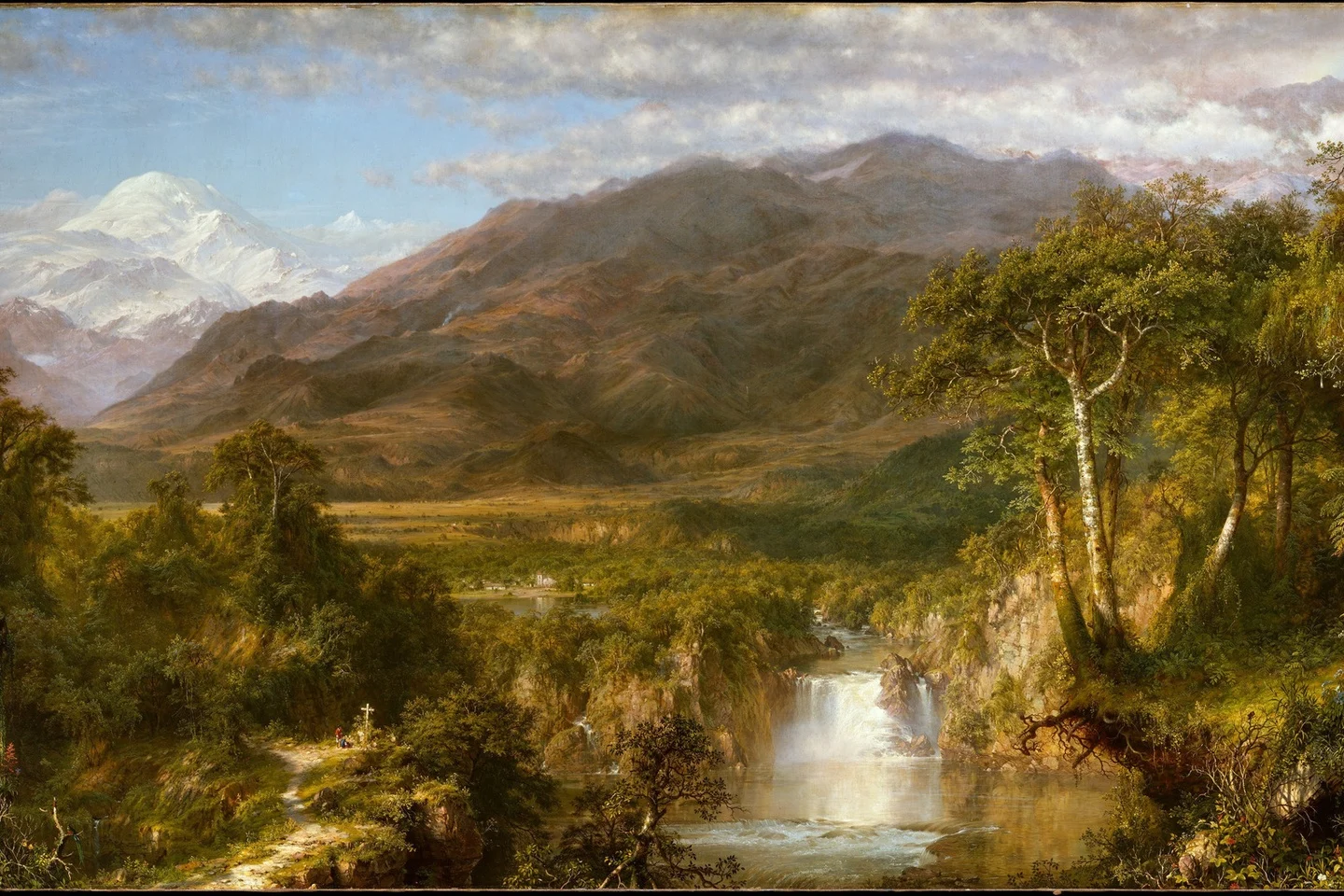 Frederic Edwin Church
Heart of the Andes
1859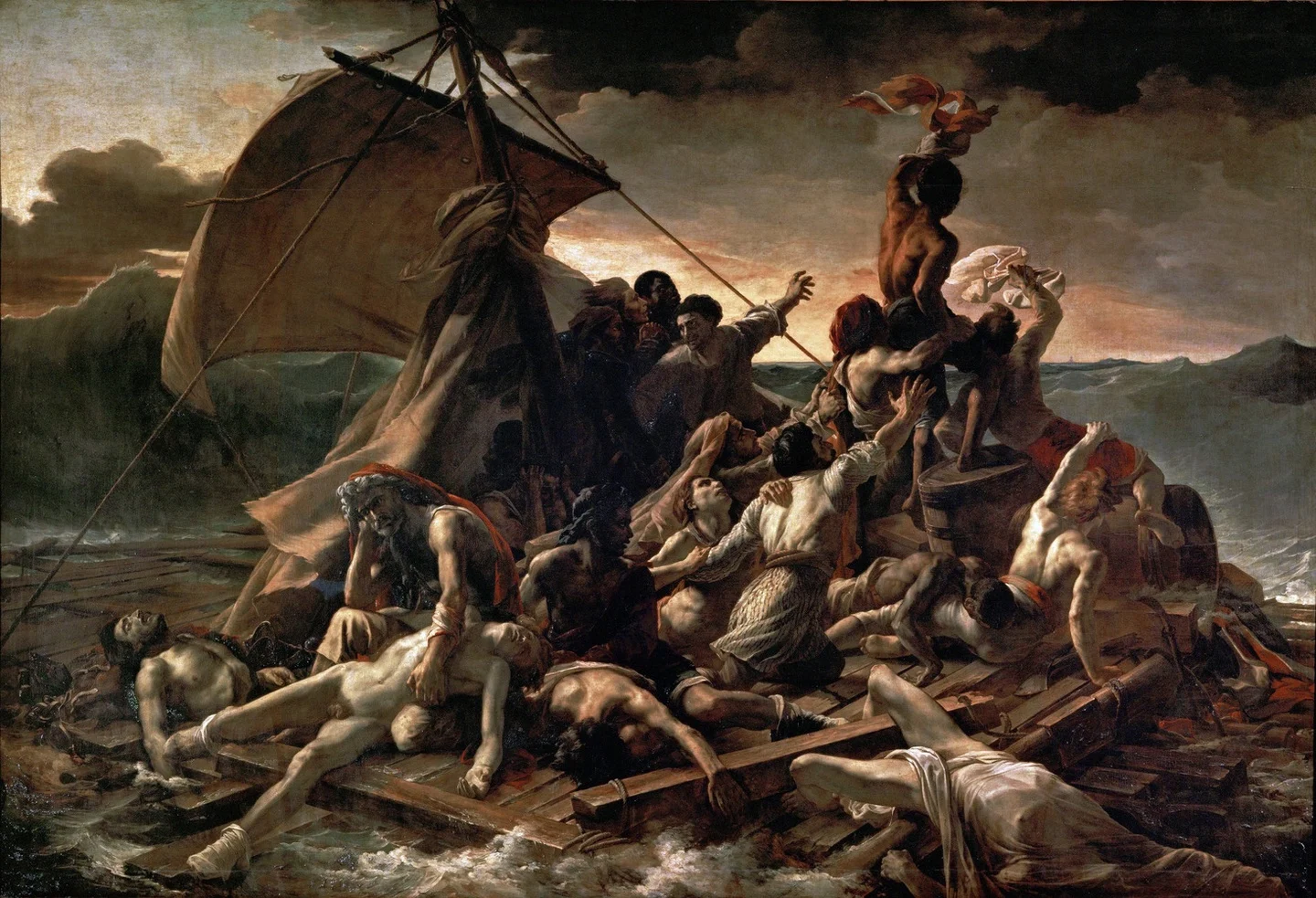 Théodore Géricault
The Raft of the Medusa
1818–1819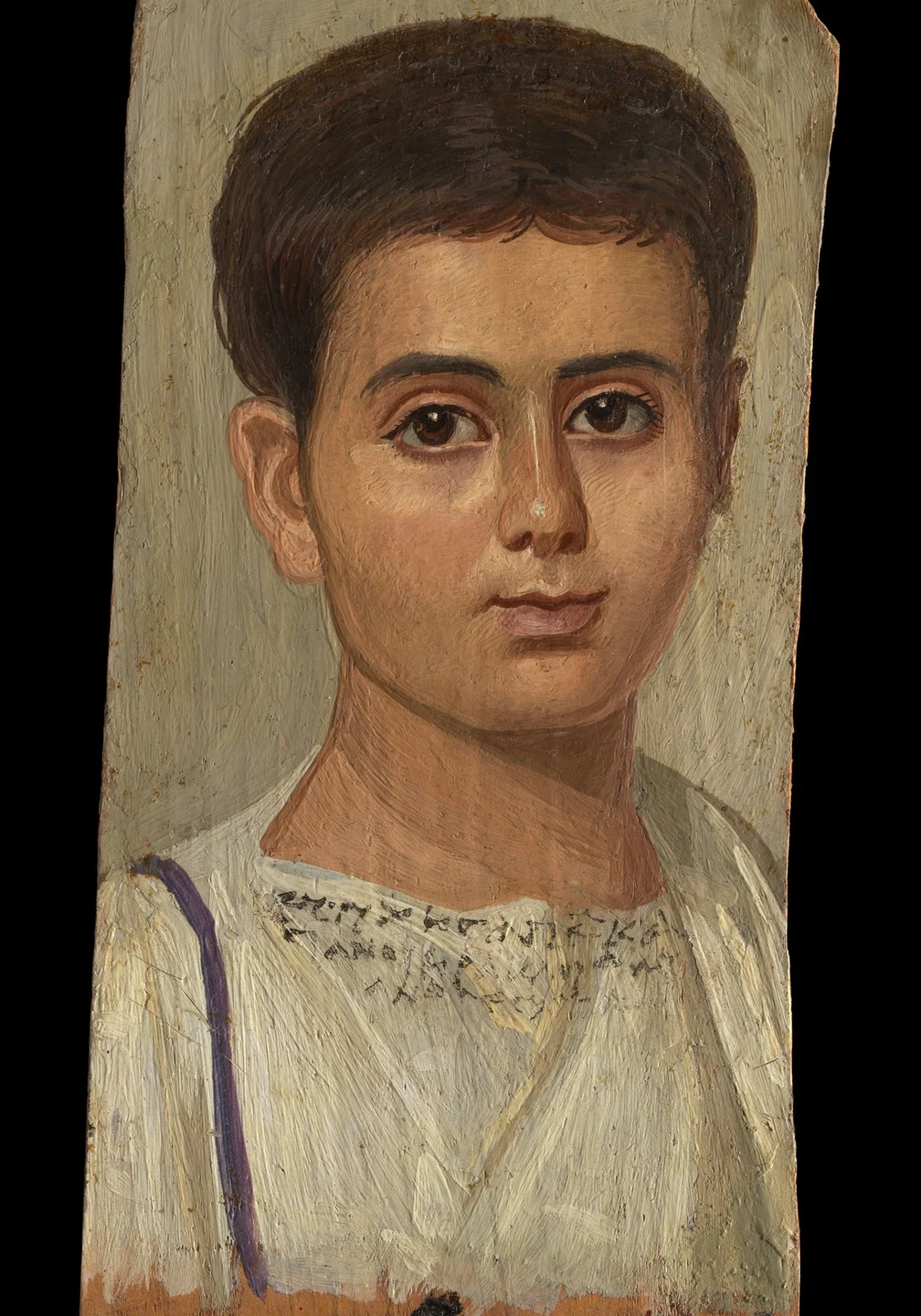 Unidentified painters of Roman Egypt
Portrait of the Boy Eutyches
100–150 CE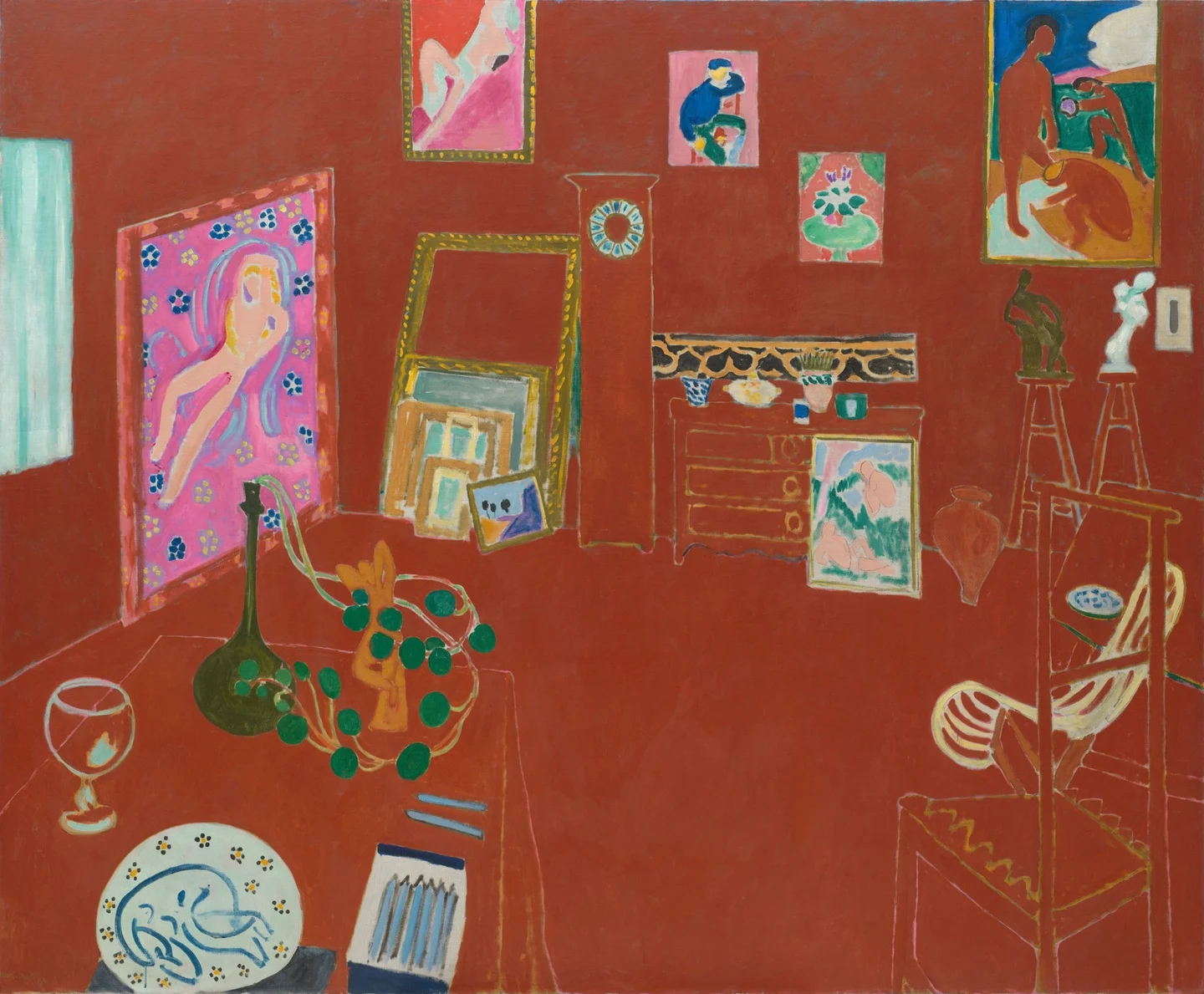 Henri Matisse
The Red Studio
Fall 1911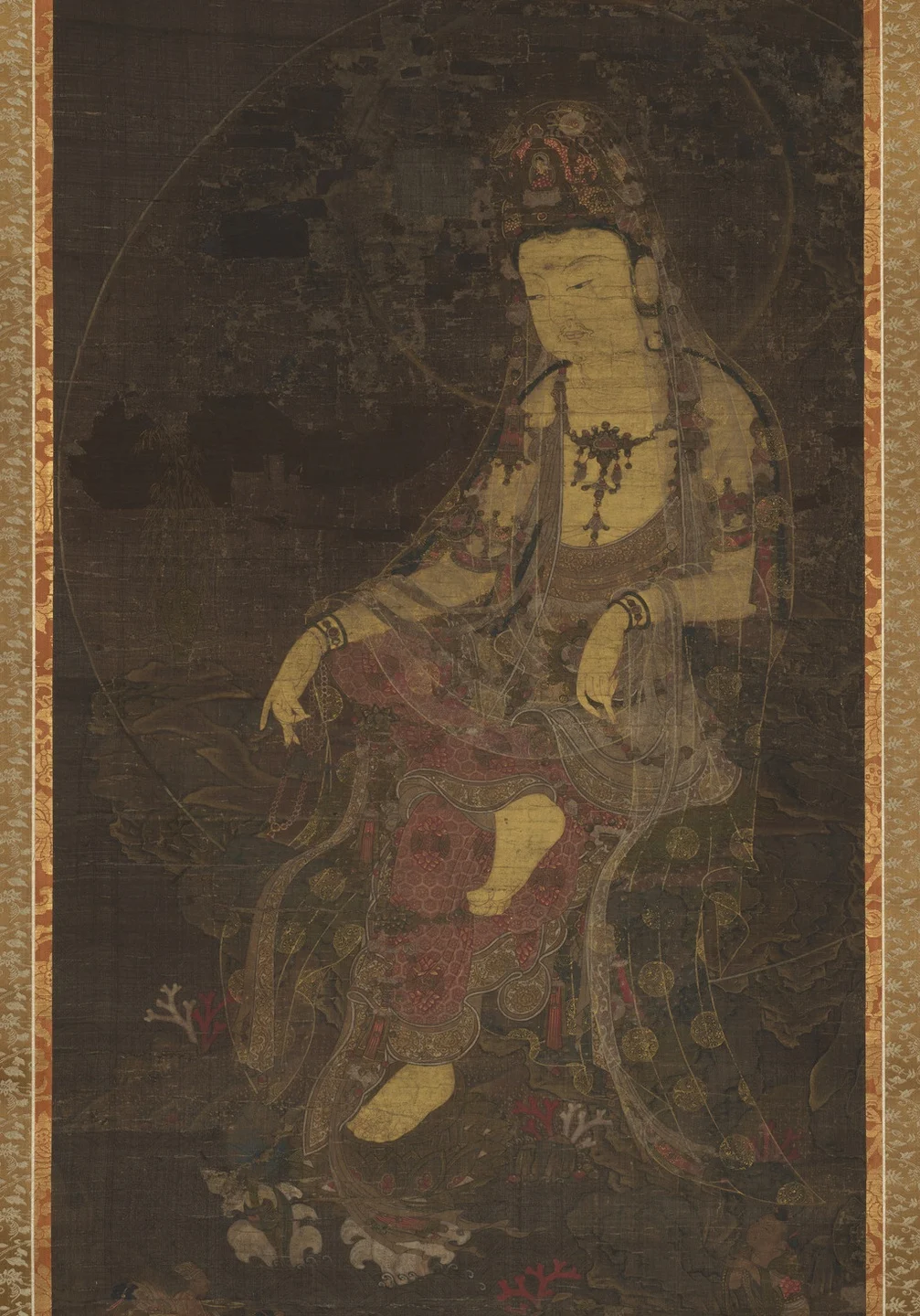 Unidentified Korean painters
Water-moon Avalokiteshvara
first half of the 14th century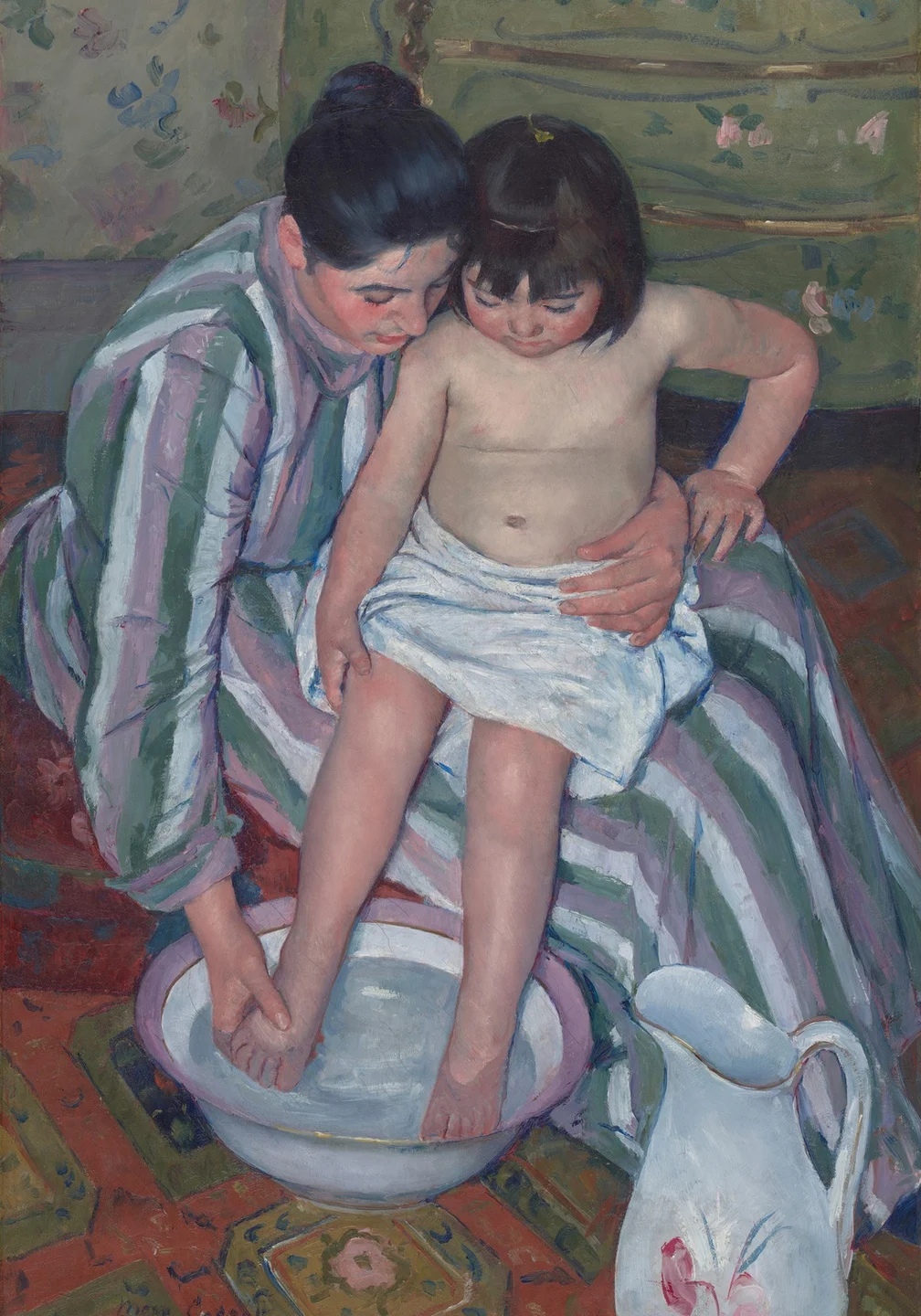 Mary Cassatt
The Child's Bath
1893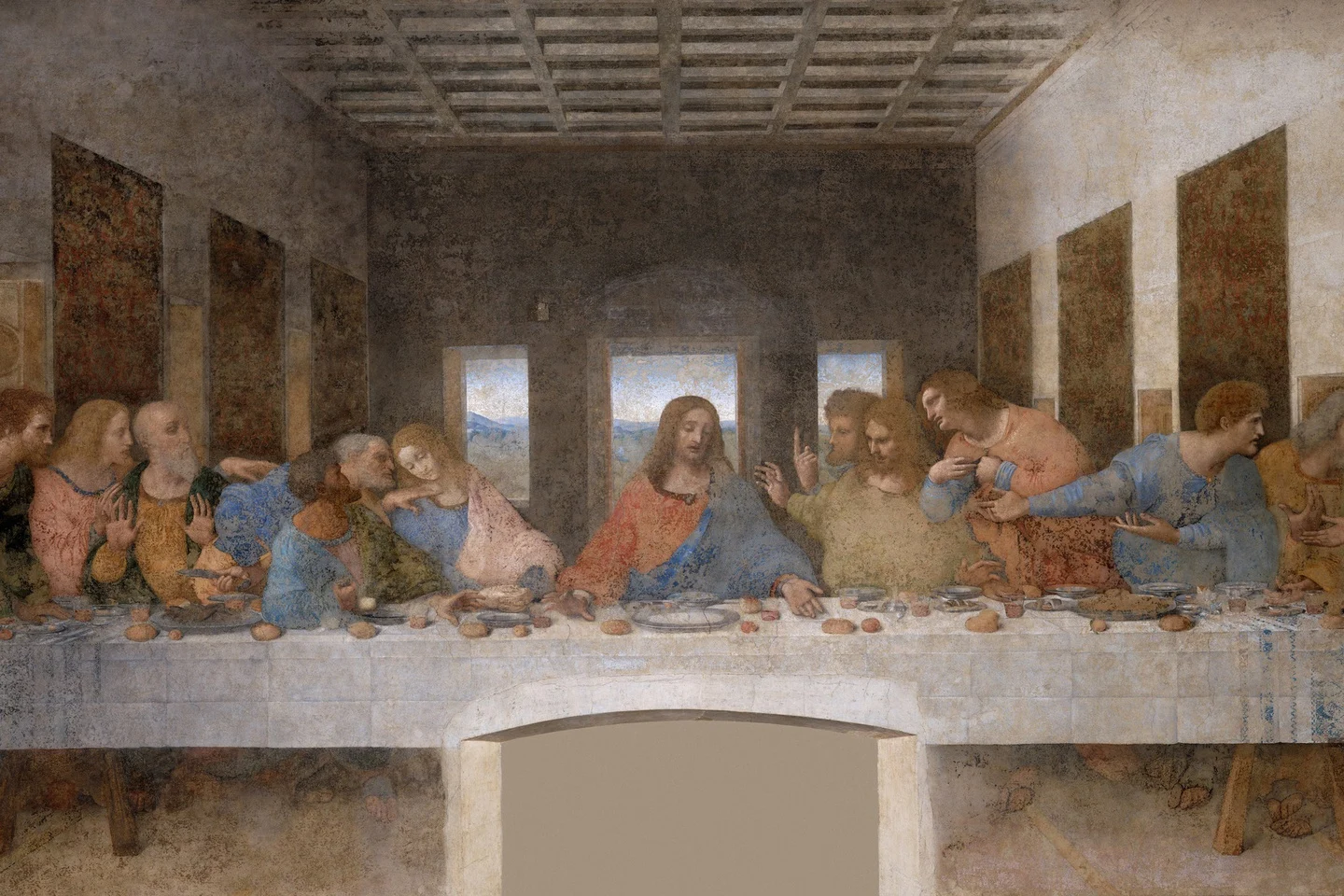 Leonardo da Vinci
The Last Supper
1495–1498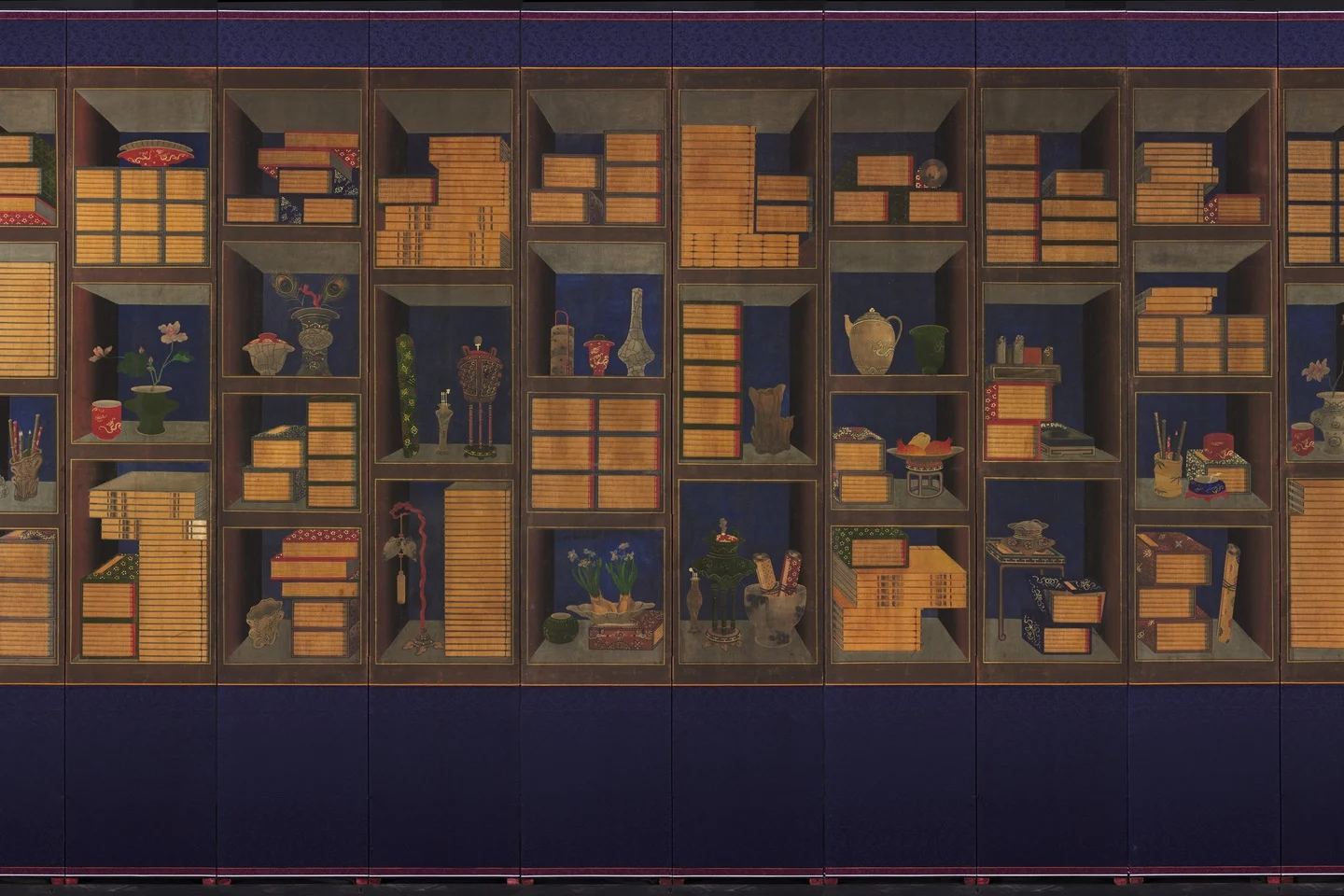 Yi Taek-gyun
Books and Scholars’ Accoutrements
late 1800s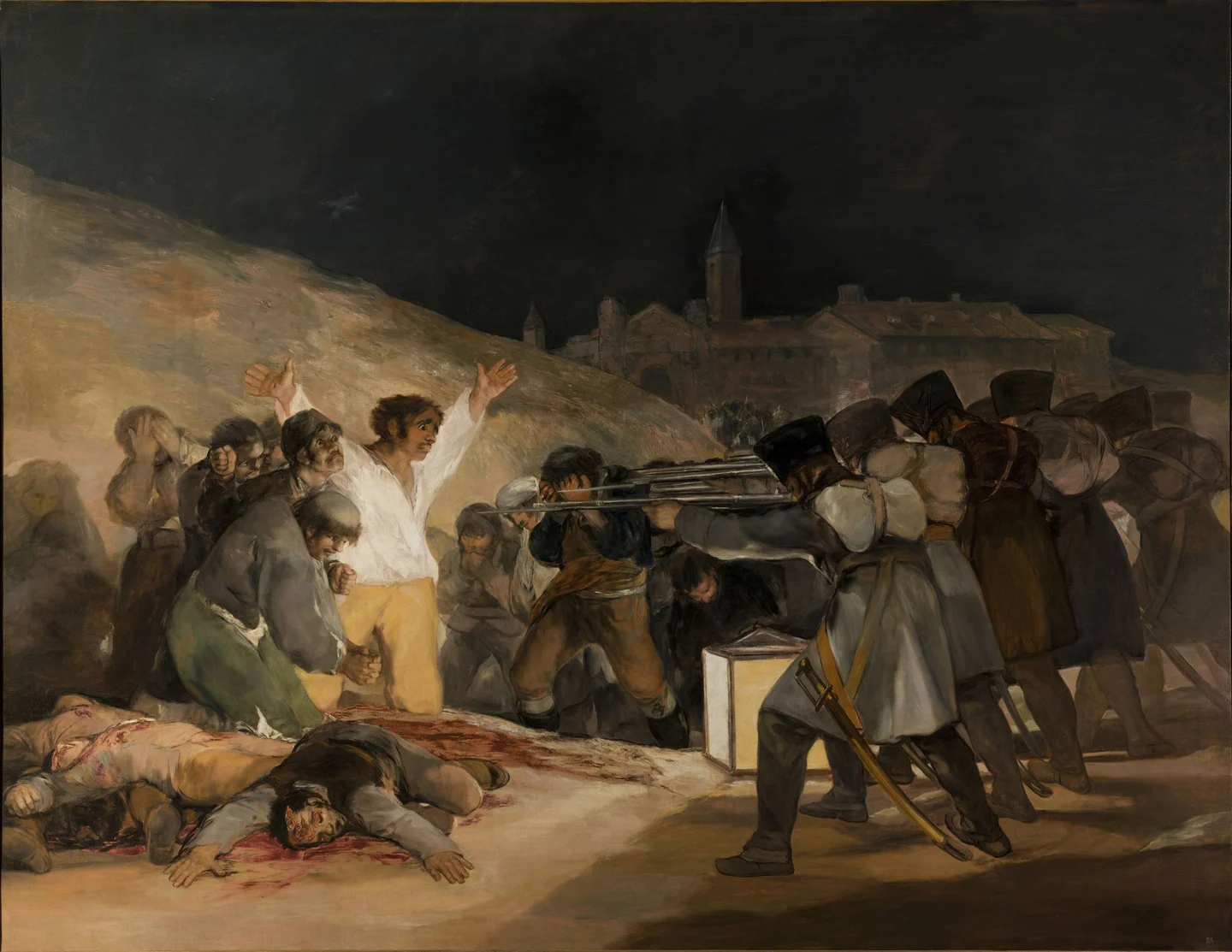 Francisco Goya
The Third of May 1808 in Madrid, or The Executions
1814 Sandro Botticelli
The Birth of Venus
c. 1485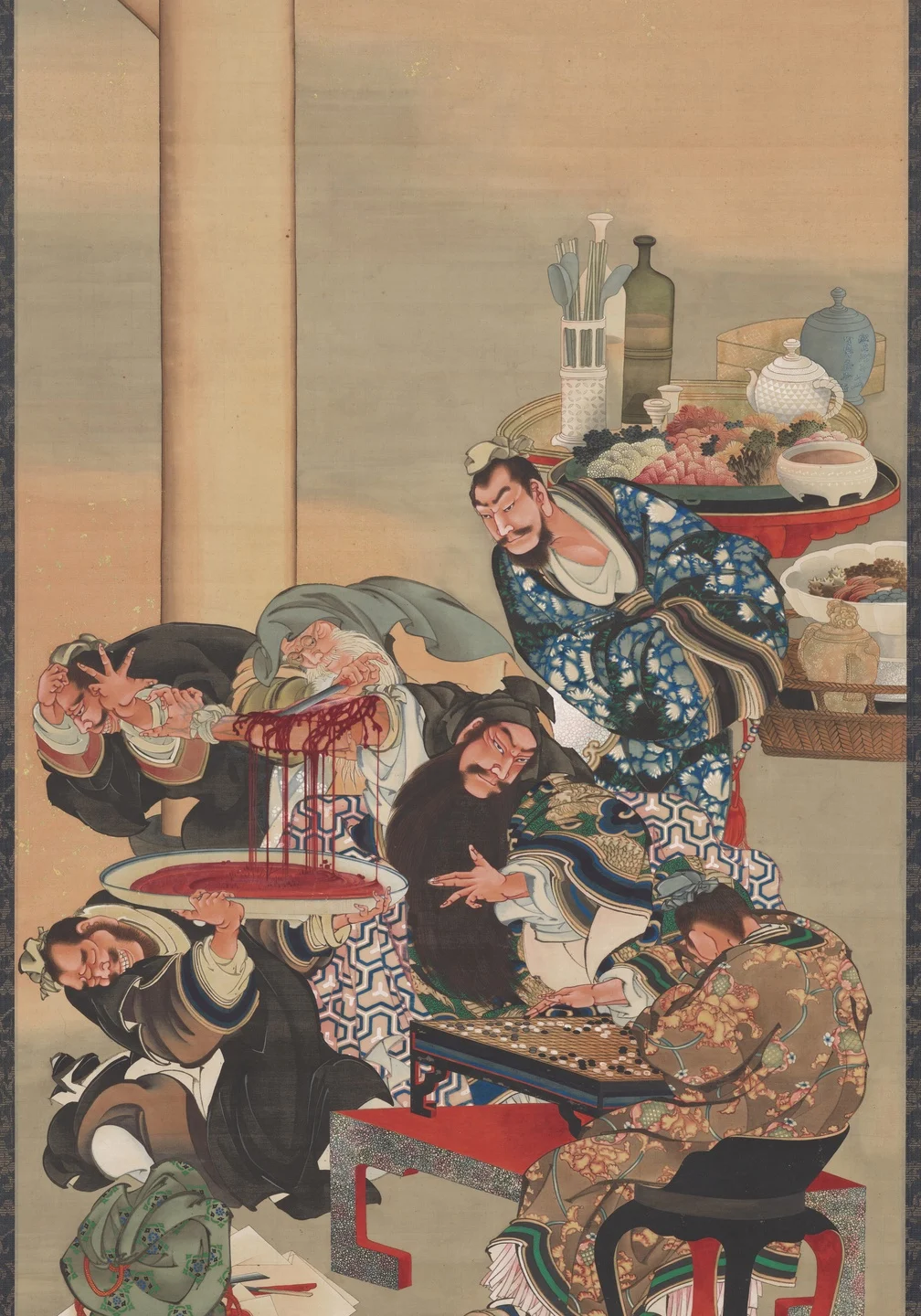 Katsushika Ōi
Operating on Guan Yu's Arm
1840s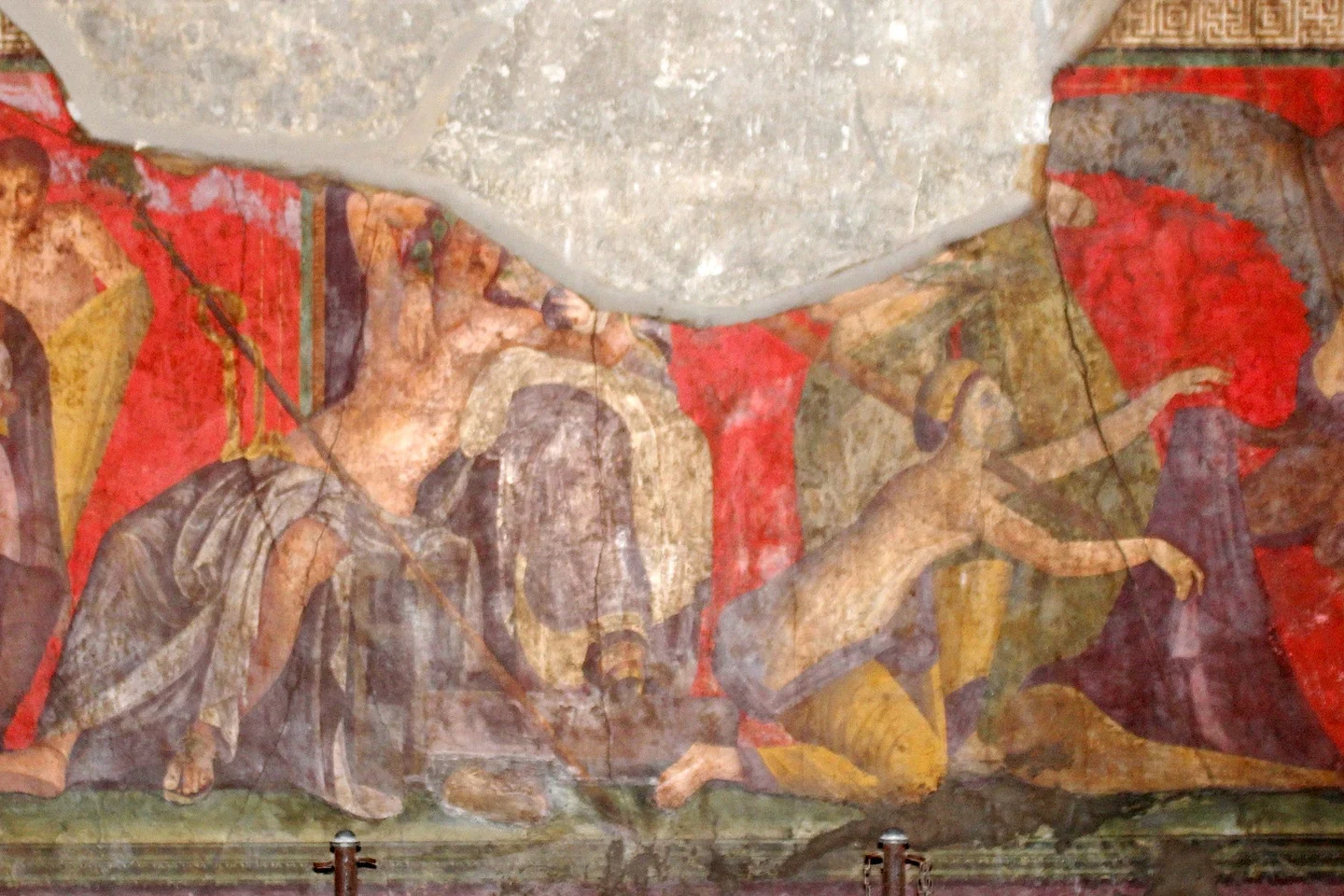 Unidentified Roman painters
Dionysiac frieze, Villa of the Mysteries — photographic panorama
80–70 BCE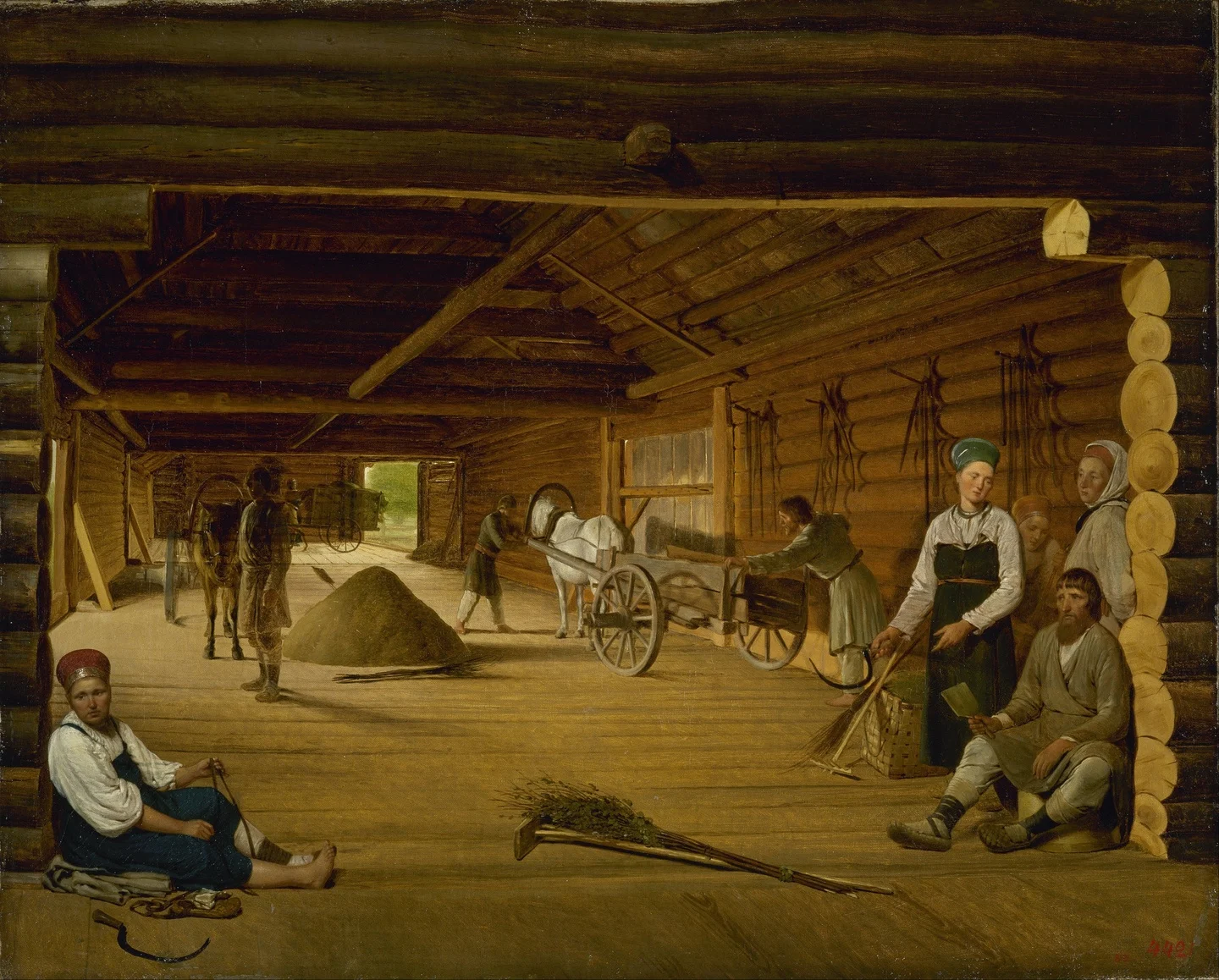 Alexey Venetsianov
The Threshing Floor
1822–1823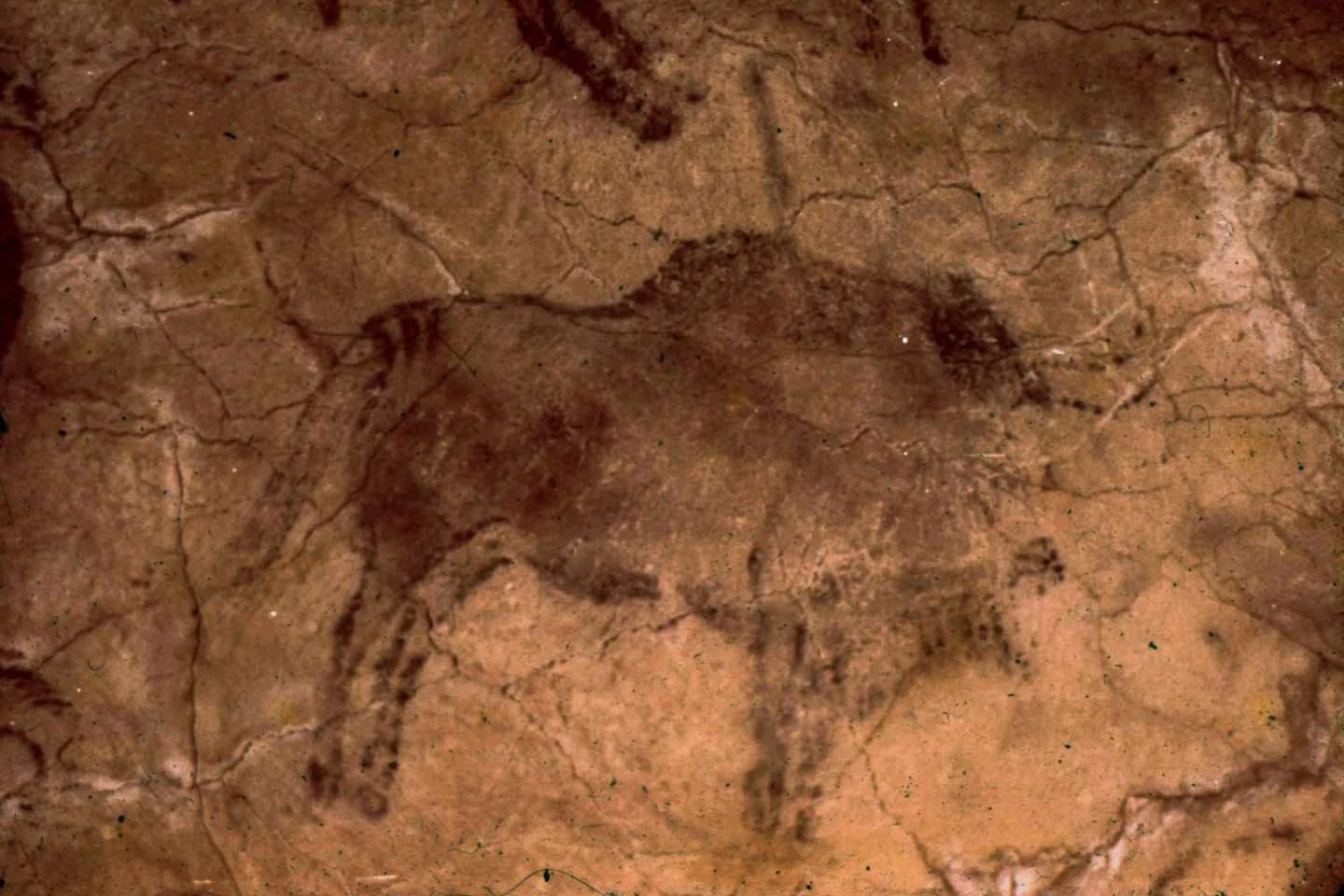 Unknown artist
Altamira bison
About 15,000–13,000 years ago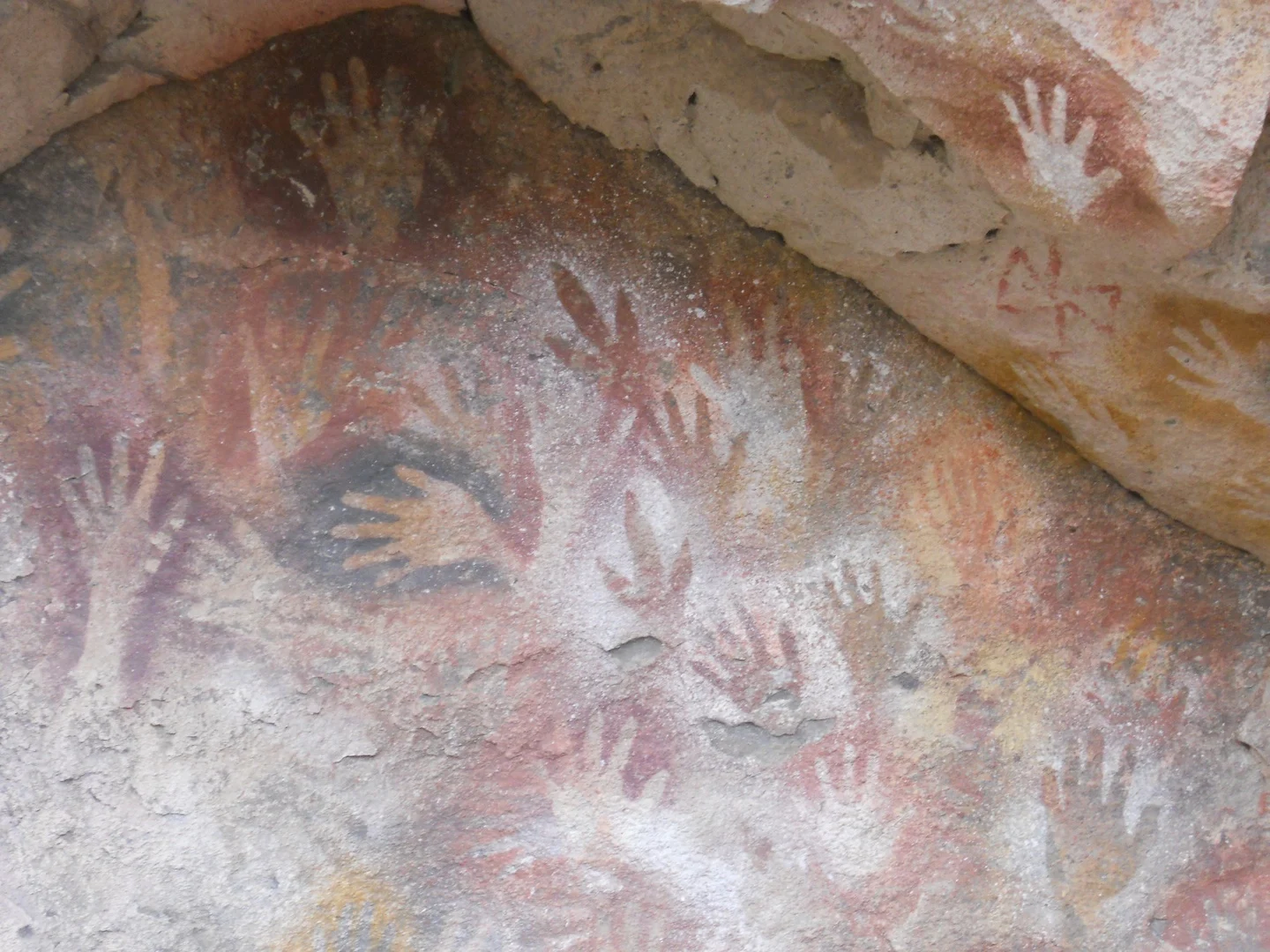 Unknown artists of Patagonia
Hands at Cueva de las Manos
About 9,300–1,300 years ago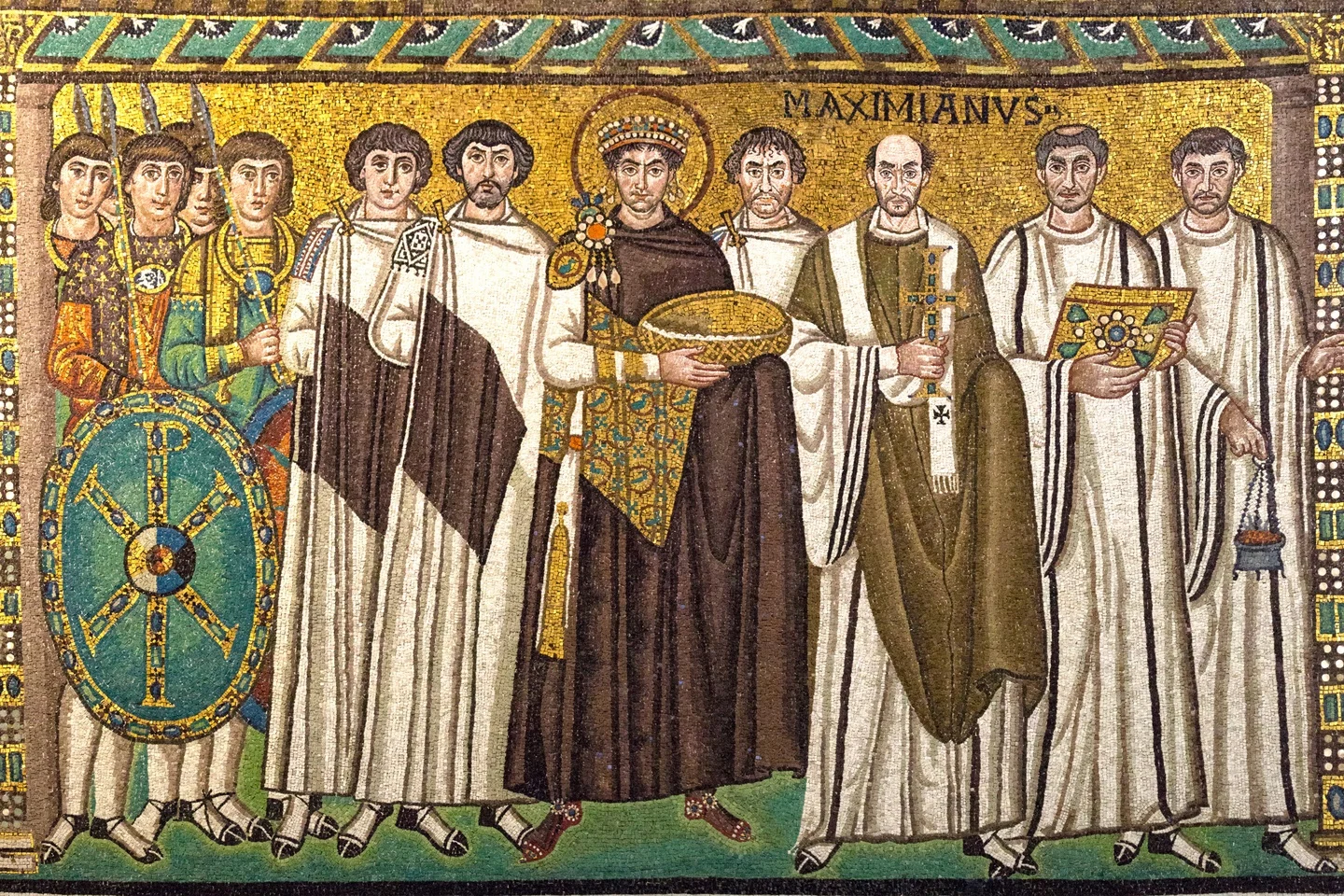 Unknown mosaic artists
Justinian and his retinue
About 547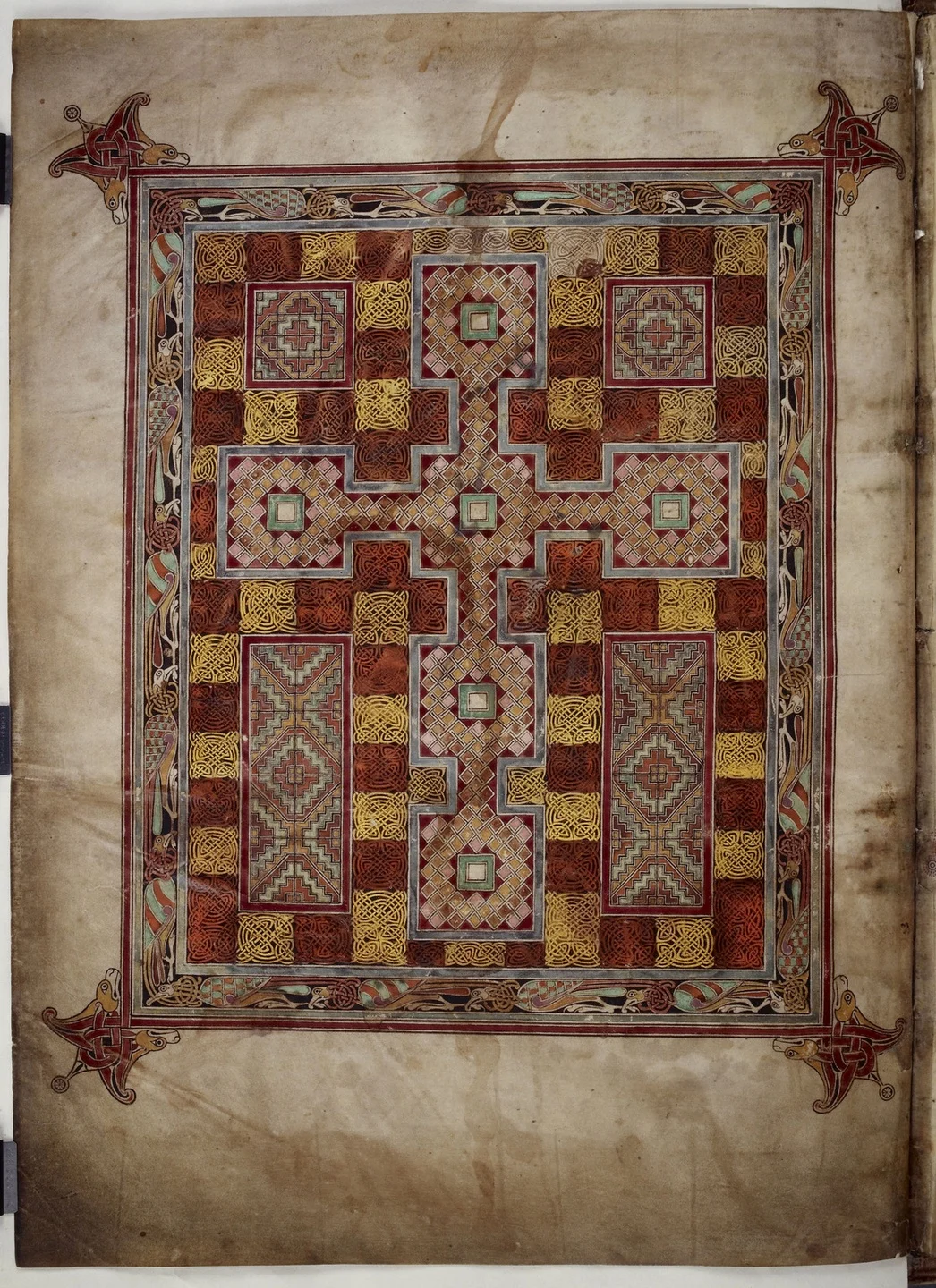 Attributed to Eadfrith
Lindisfarne Gospels: carpet page
About 700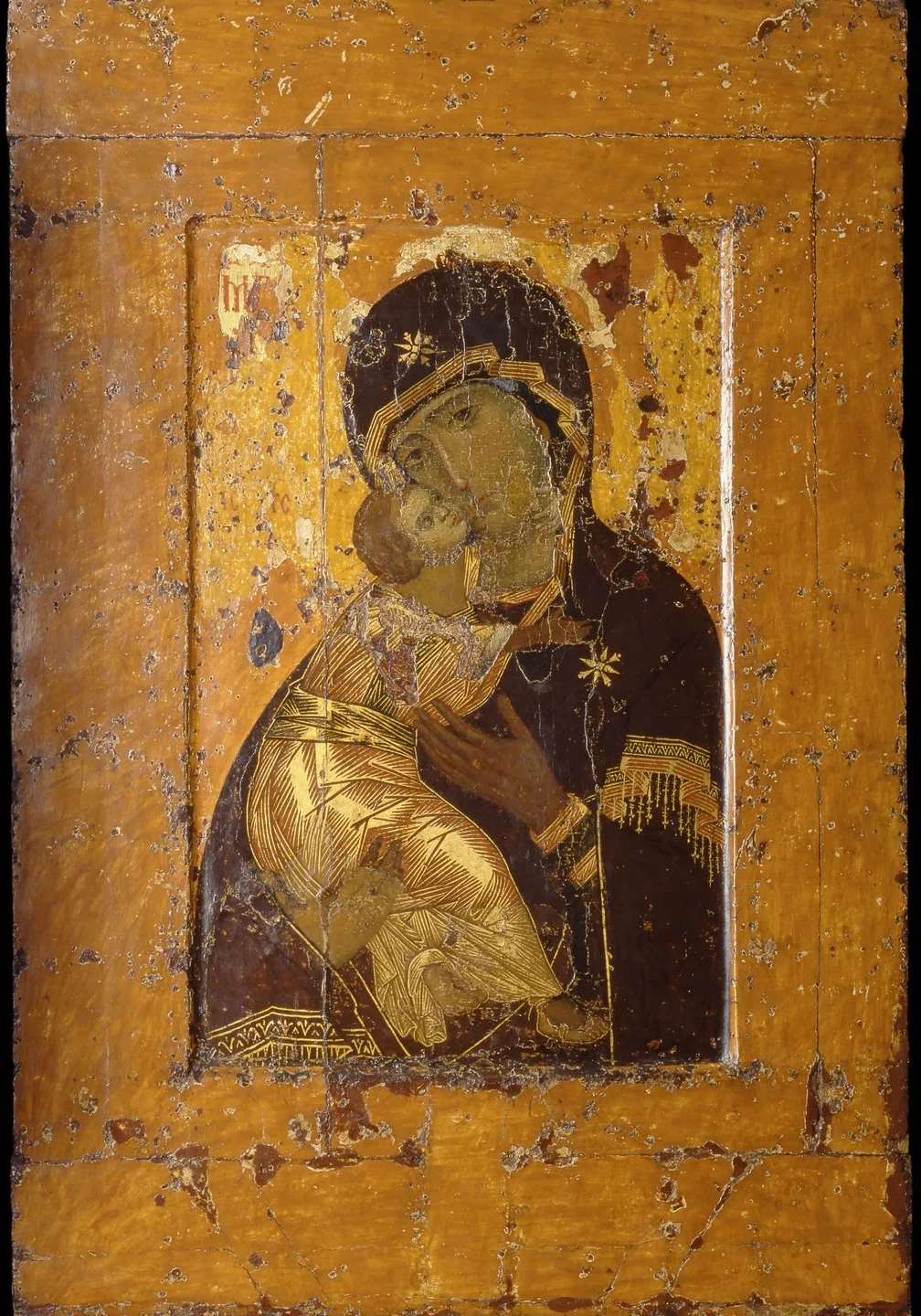 Unknown Byzantine icon painter
The Vladimir Mother of God
First third of the 12th century Rembrandt van Rijn
The Night Watch
1642 Claude Monet
Arrival of the Normandy Train, Gare Saint-Lazare
1877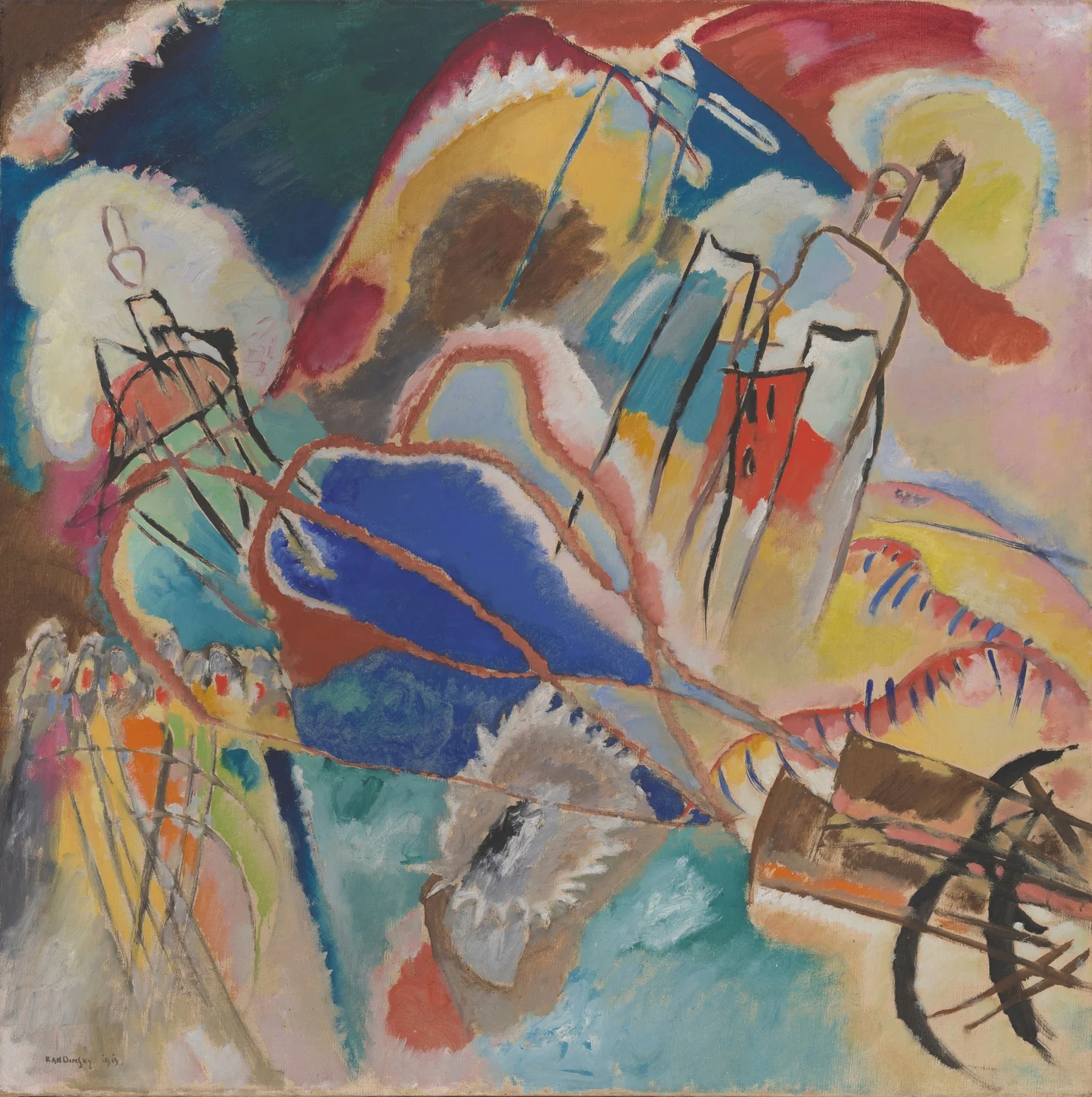 Vasily Kandinsky
Improvisation No. 30 (Cannons)
1913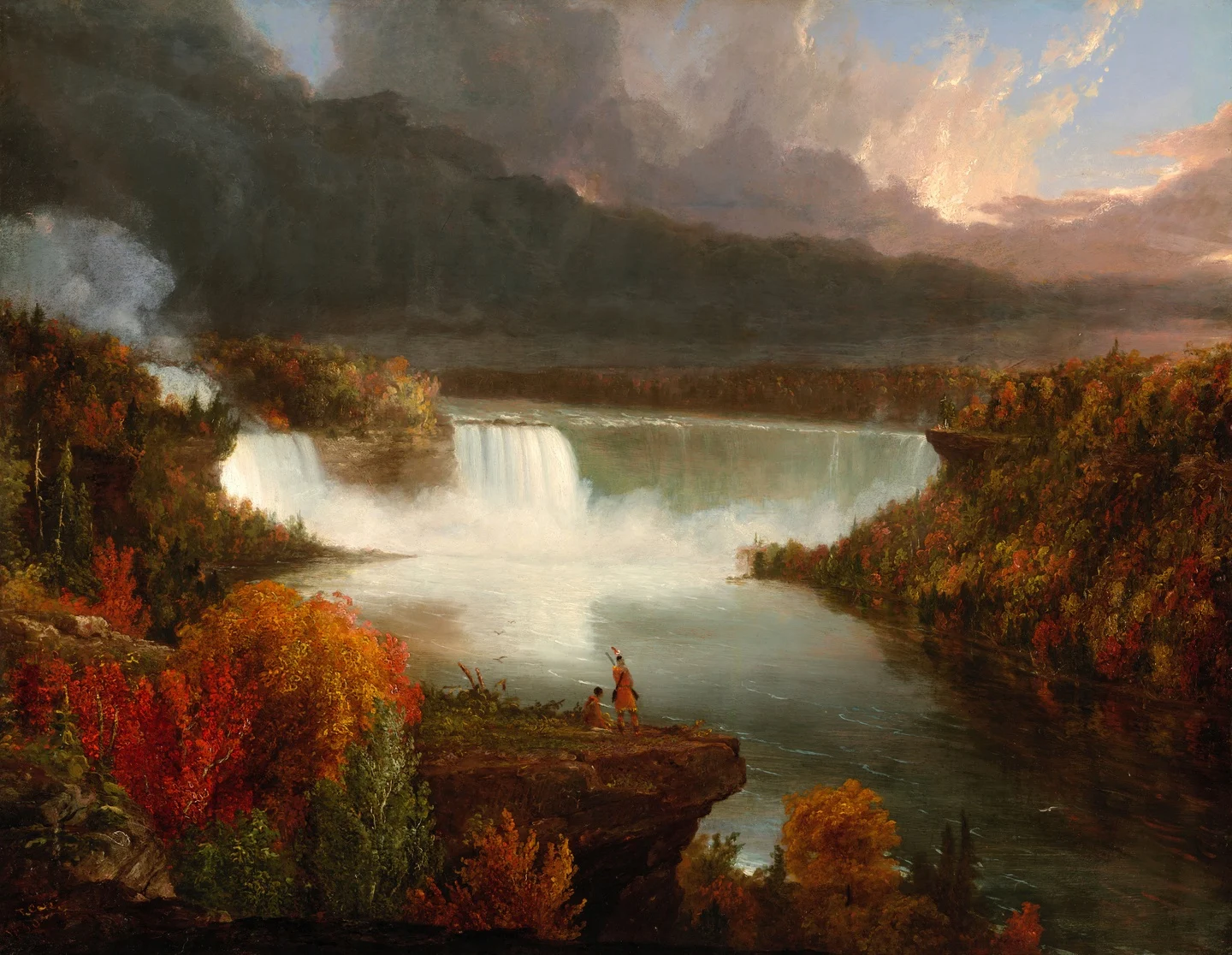 Thomas Cole
Distant View of Niagara Falls
1830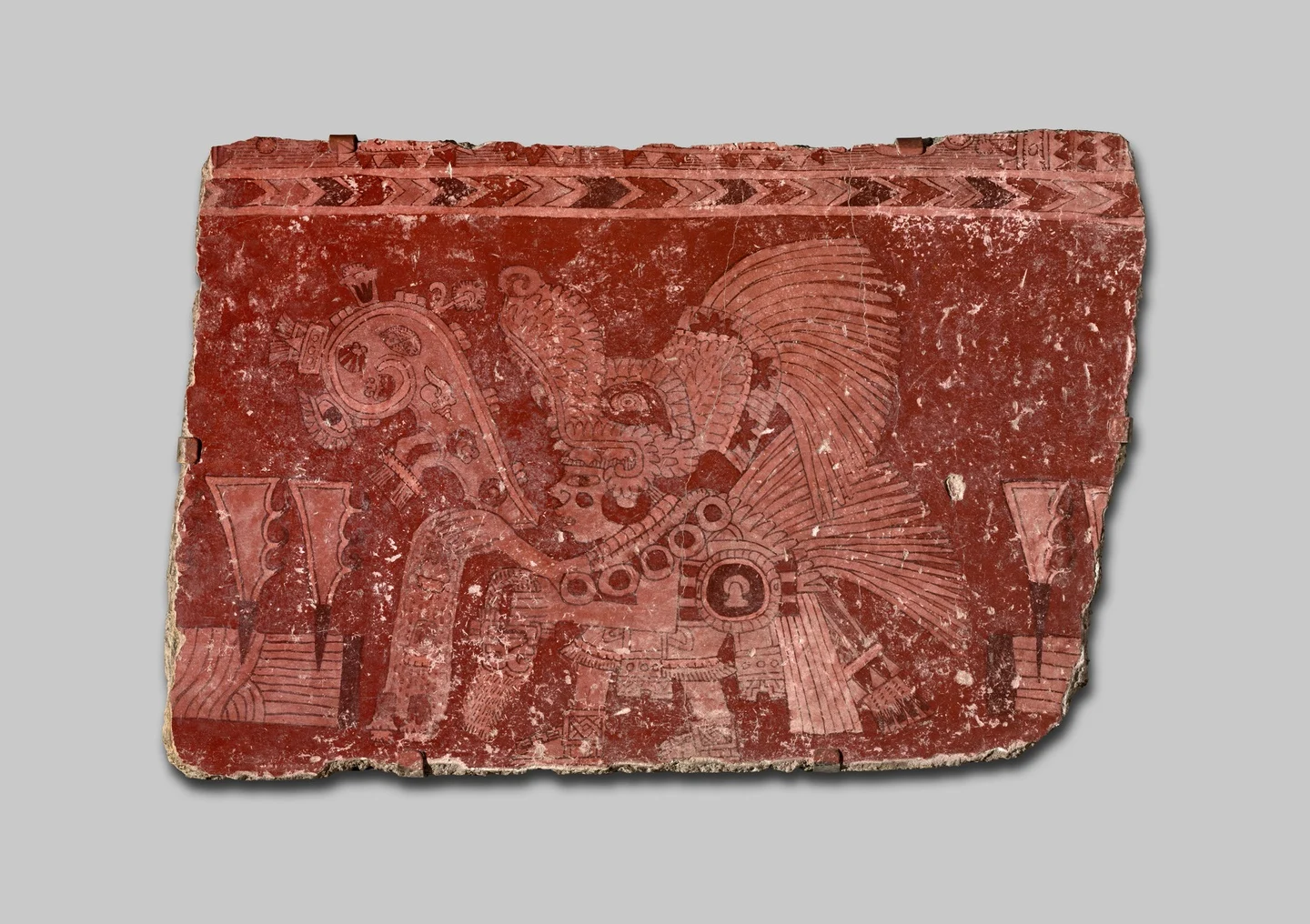 Unidentified Teotihuacan painter
Mural Fragment Depicting a Maguey Bloodletting Ritual
500–600 CE Tosa Mitsuoki