Lake George
John Frederick Kensett · 1869
Explore the painting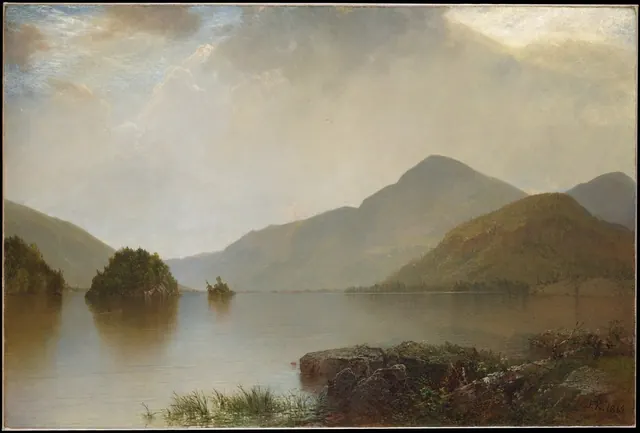
The painting’s story and details
In the nineteenth century railways made Lake George in the Adirondacks more accessible to visitors. Resorts grew and summer residents arrived. Kensett painted these shores repeatedly, producing his largest lake view in 1869 for the New York collector Morris Jesup. Commercial life almost disappears from the picture, leaving water, mountains and light.
The small island on the left is densely wooded. Its reflection descends into the water as an almost continuous dark band. A tiny boat nearby establishes the scale of shores and distant slopes. Human presence remains, but requires close attention. Most of the painting is occupied by space far larger than that small craft.
The view extends from Homer Point towards Black Mountain. Its broad summit rises above several lower slopes. Distant surfaces grow paler and softer, gradually taking on the colour of the air. A recognisable location is arranged in a few simple layers: water, islands and receding mountains. Complex terrain remains within a small number of broad forms.
The water is almost still. Fine horizontal bands distinguish its surface, while tree reflections darken near the shores. Restrained brushwork allows light to spread across a broad area without abrupt breaks. Painting of this kind later came to be called luminism. Its characteristic features include clear illumination, calm expanses of water and subtle tonal shifts joining the distance.
Rock, low grass and a fallen branch appear on the near shore. Here the paint describes roughness and small boundaries more closely. Kensett began as an engraver and worked extensively with line before devoting himself to landscape. Precise nearby objects coexist with outlines that soften progressively as they recede.
The wooded slope on the right conceals part of the distant mountains. Its brown-green colour is denser and warmer than their greyish tones, establishing depth. Almost nothing recalls the lake’s tourist infrastructure. The resulting view sustains an image of accessible seclusion, an experience that drew many prosperous city residents into the countryside.
Kensett knew the collecting world for which he painted these landscapes. His restrained coastal views appealed to people who holidayed at resorts. In 1870 he became a trustee of the newly founded Metropolitan Museum. Lake George later entered that museum from Jesup’s collection. Artist, patron and museum all helped shape the public image of American nature.
More paintings to compare
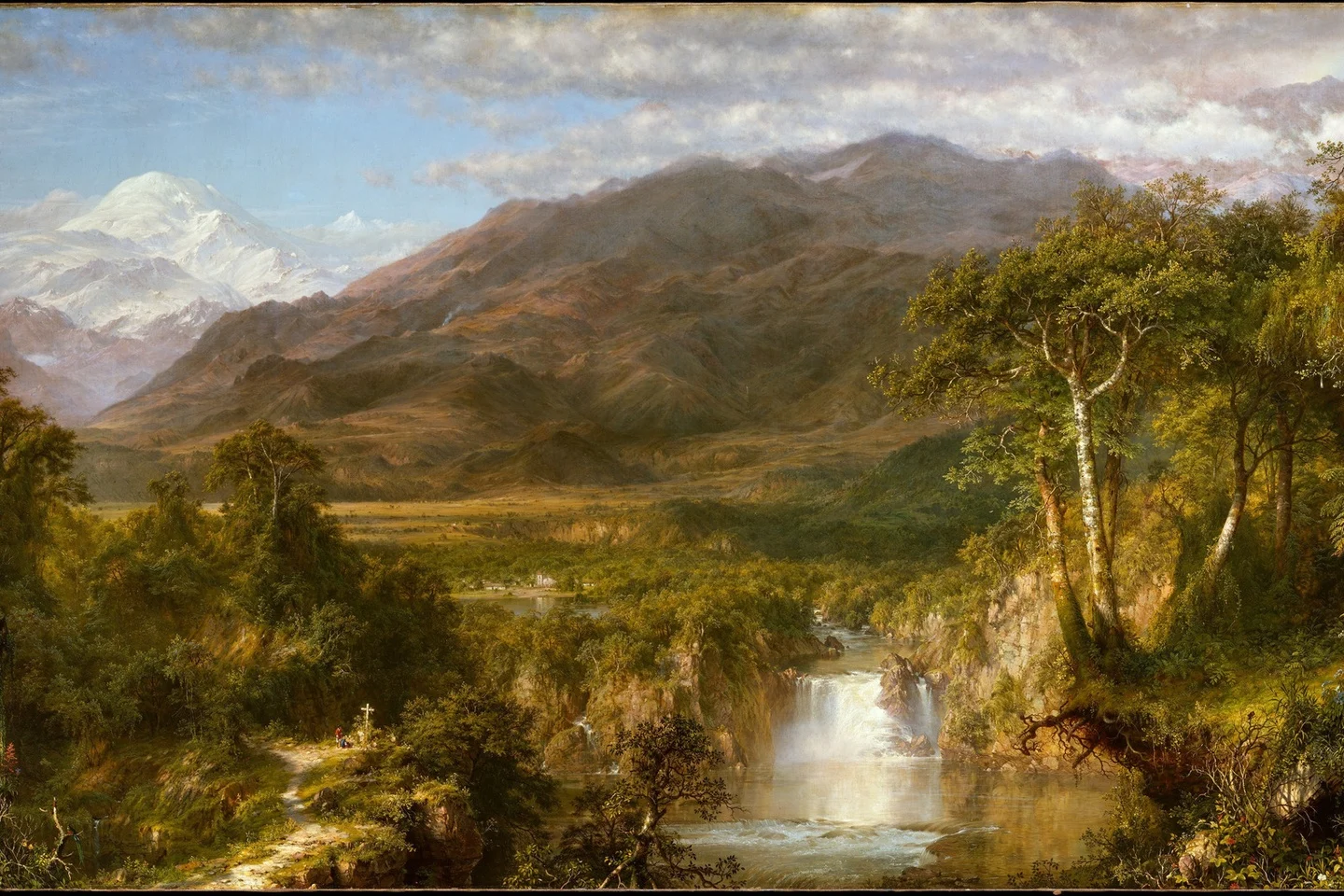 Frederic Edwin Church
Heart of the Andes
1859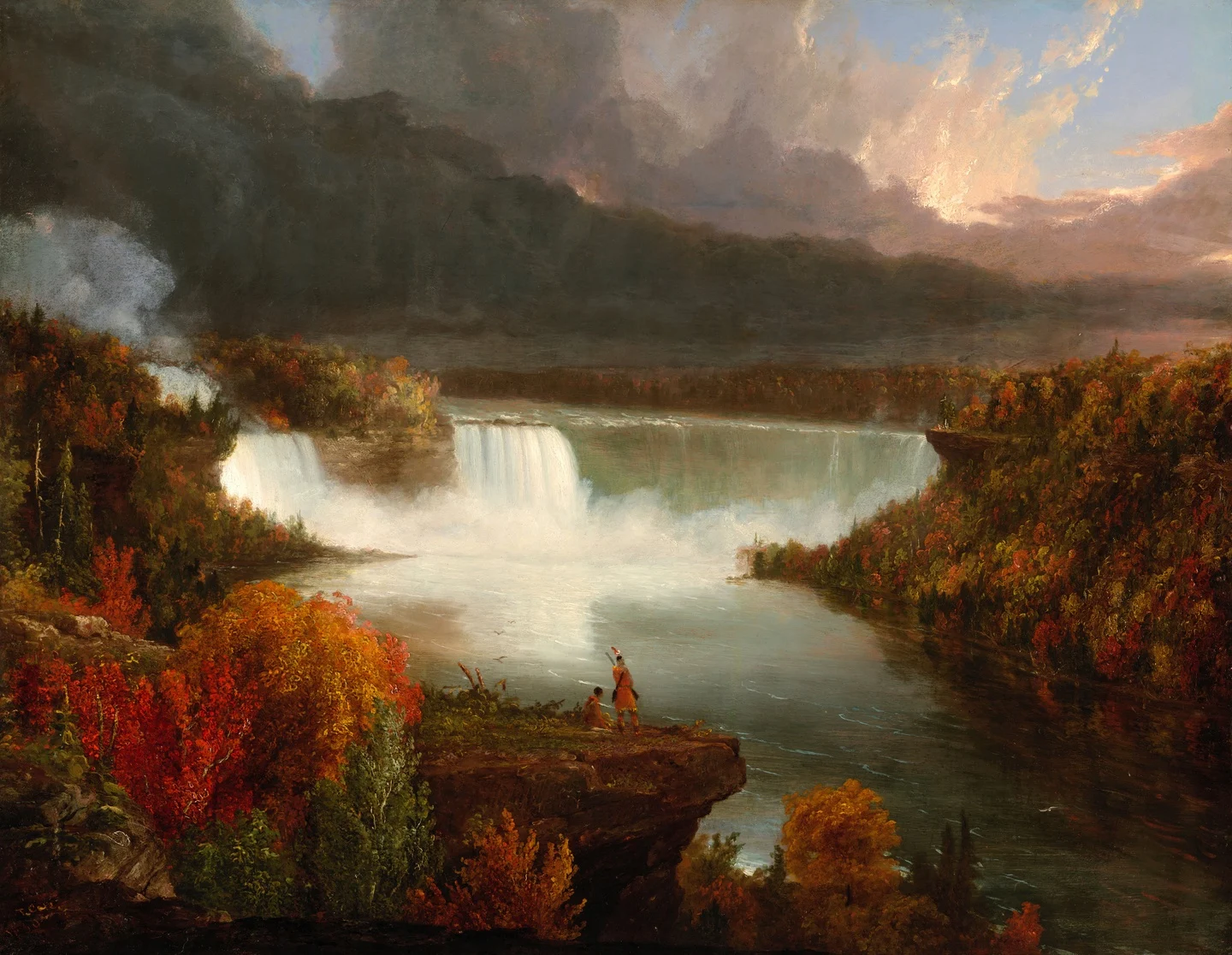 Thomas Cole
Distant View of Niagara Falls
1830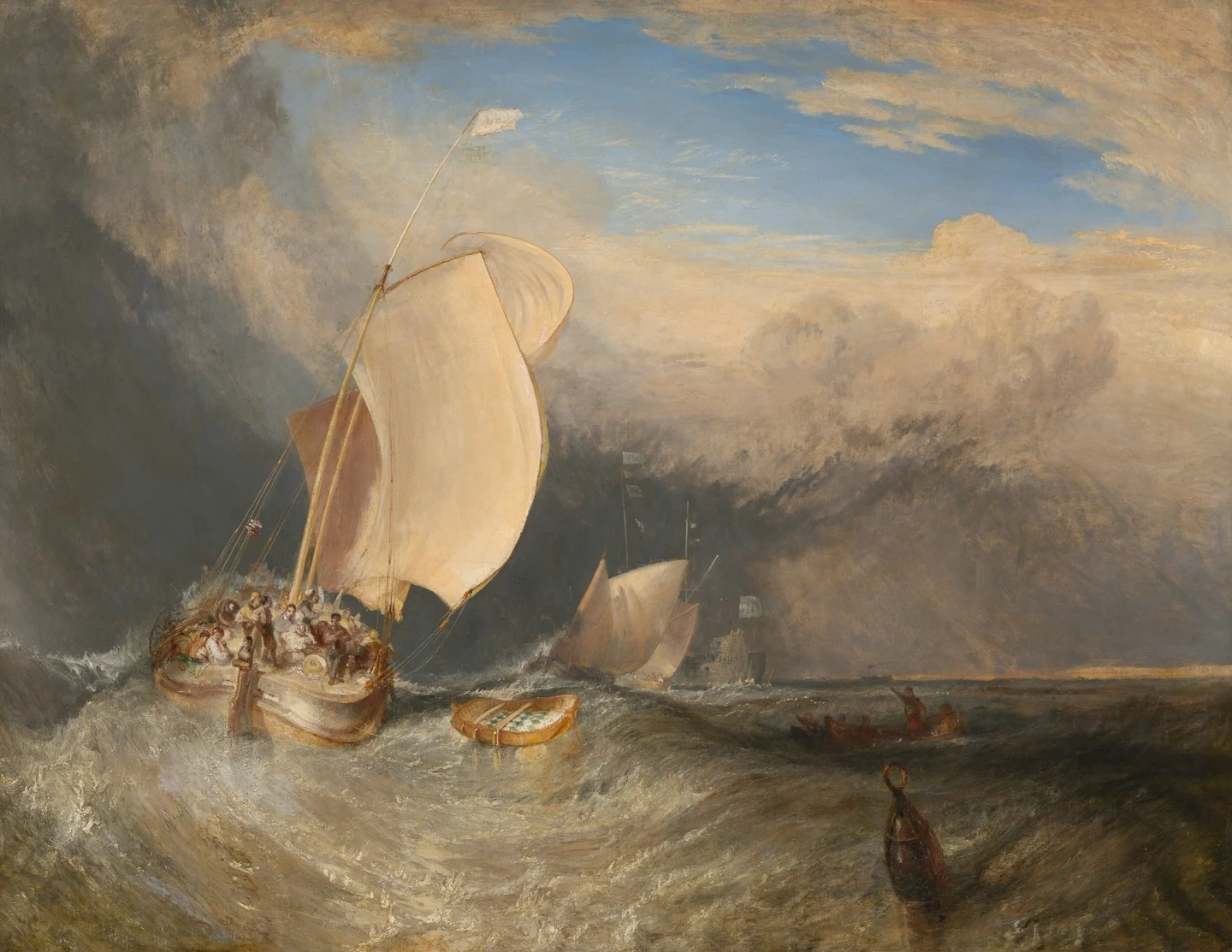 Joseph Mallord William Turner
Fishing Boats with Hucksters Bargaining for Fish
1837–38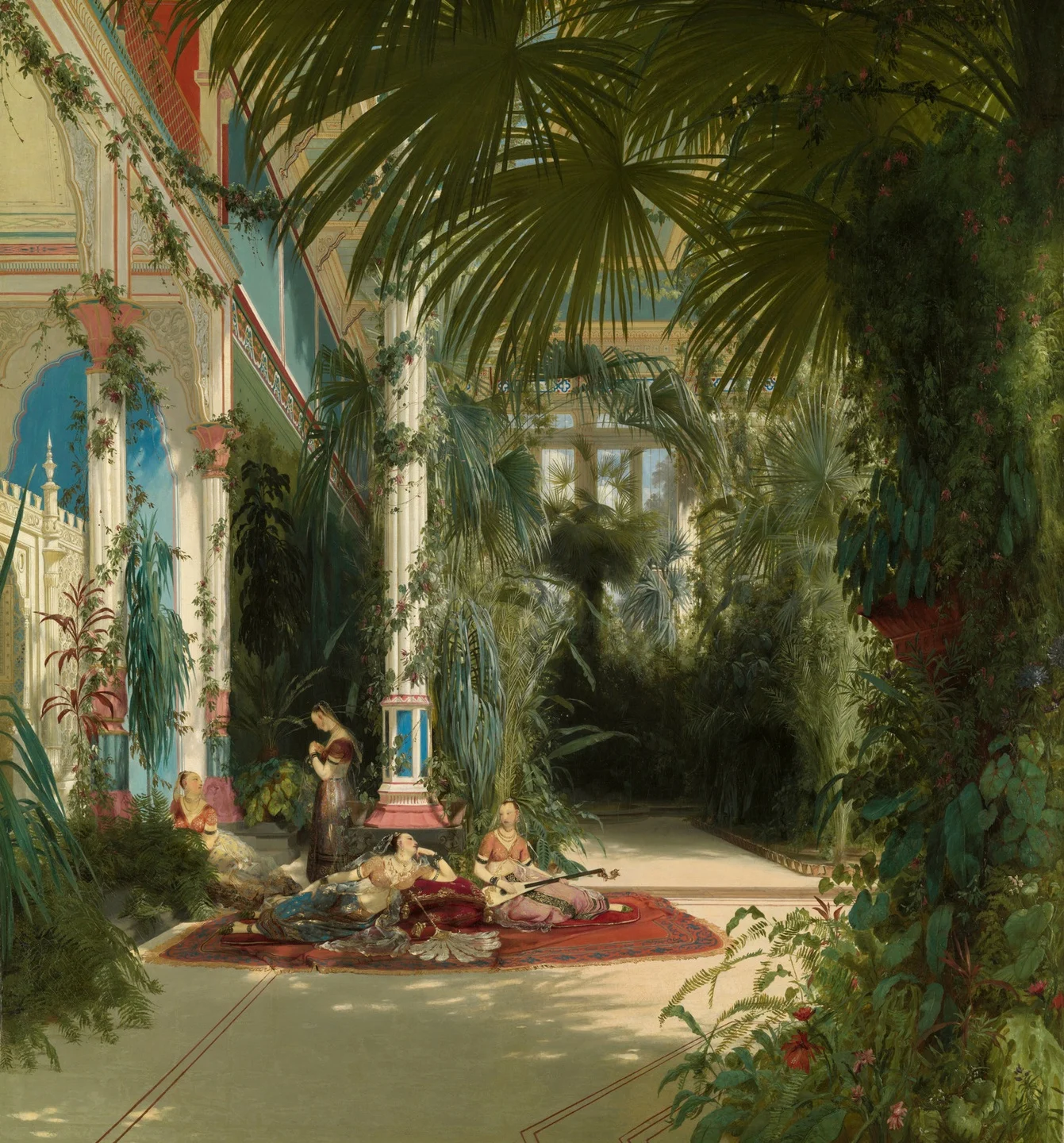 Carl Blechen
The Interior of the Palm House on the Pfaueninsel Near Potsdam
1834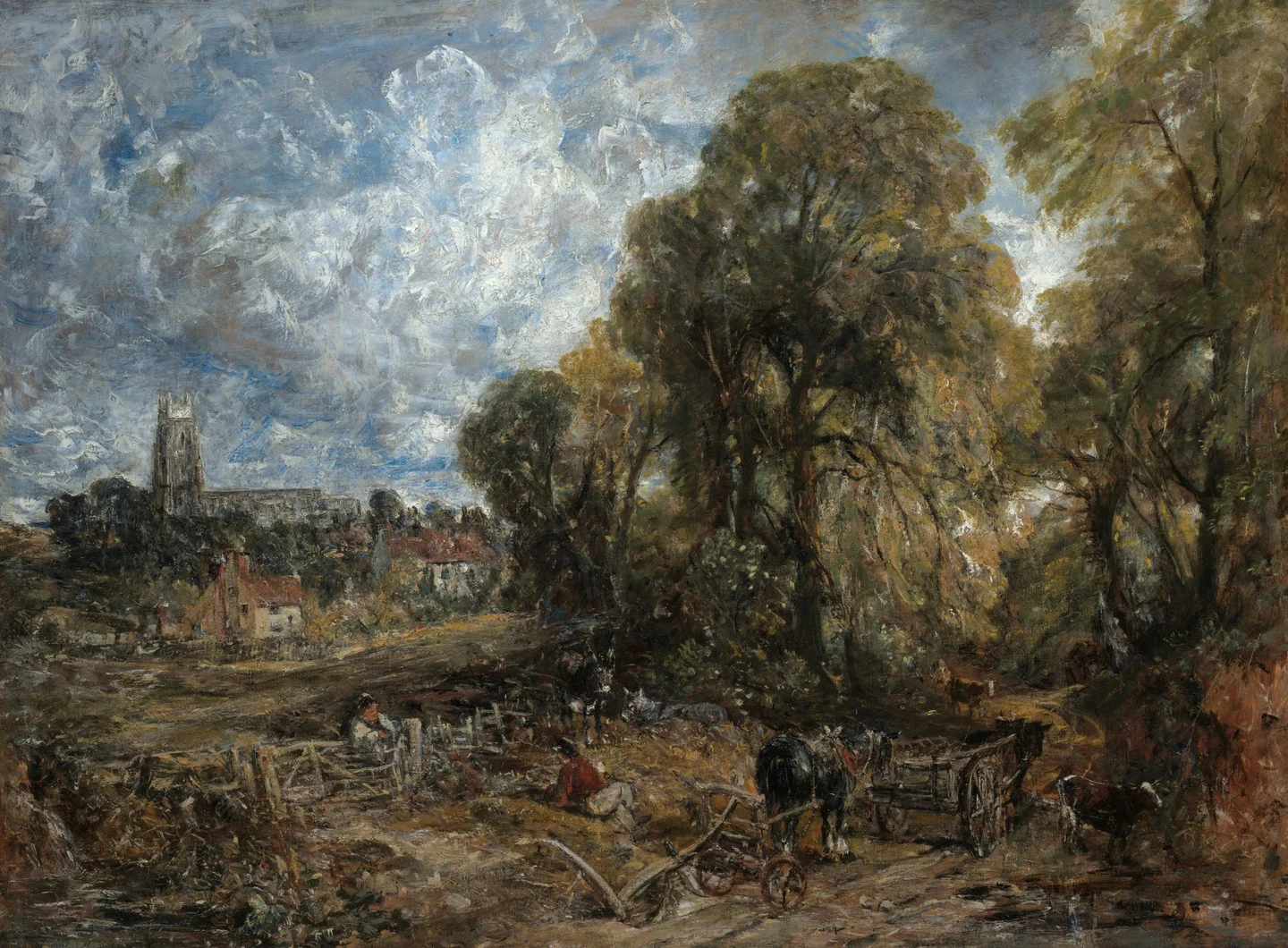 John Constable
Stoke-by-Nayland
1836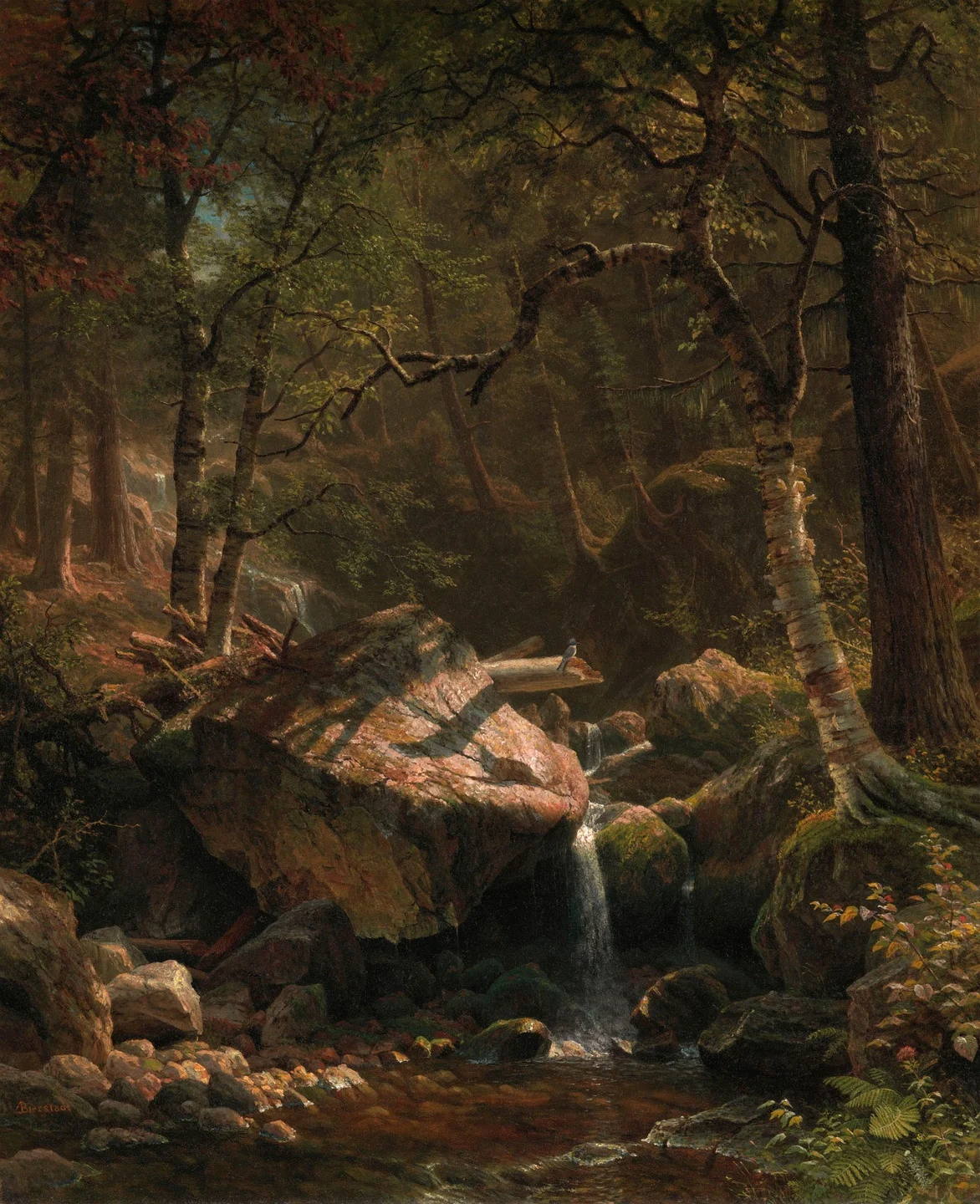 Albert Bierstadt
Mountain Brook
1863Period, style and subject
- Movement
- Romanticism
- Genre
- Landscape
- Medium
- Oil on canvas
- Collection
- The Metropolitan Museum of Art
- Dimensions
- 112.1 × 168.6 cm
- Accession number
- 15.30.61
Sources
Image provided under CC0. Image licence