The Burning of the Houses of Lords and Commons, 16 October 1834
Joseph Mallord William Turner · 1835
Explore the painting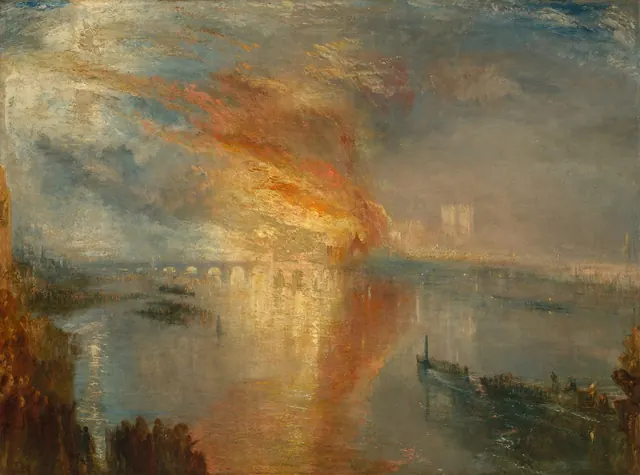
The painting’s story and details
On the evening of 16 October 1834, fire broke out in the old Palace of Westminster, home of the British Parliament. Turner witnessed it with thousands of Londoners and painted this canvas the following year. The catastrophe began with a housekeeping decision: obsolete wooden tally sticks were burned in furnaces beneath the House of Lords. Fire turned the disposal of unwanted government records into the destruction of government’s own building.
Flames rise in an immense diagonal column. Yellow and white paint thicken near its base, giving way above to red and brown strokes. Turner intensifies the spectacle until it dominates almost the entire space. Architecture loses its outlines. A building intended to express institutional permanence becomes part of moving light before our eyes.
Water repeats the fire in a broad band of gold and red. The reflection extends towards the canvas’s front edge, bringing a distant event closer. Horizontal strokes nevertheless preserve the river’s movement. Through colour, Turner connects two different states of matter: heavy water and shape-shifting flame. The reflection makes the disaster’s scale especially tangible.
A crowd gathers along the bank. Individual faces are barely distinguishable, but silhouettes facing the flames remain clear. The painting’s viewers stand beside eyewitnesses. That proximity recalls catastrophe’s disturbing attraction: danger for some becomes an event that others come to watch. The artist himself participated in this spectacle.
At the lower right, vessels head towards the fire. Low tide hindered the arrival of floating firefighting equipment and complicated pumping water. Their small size beside the enormous flames conveys the difficulty of rescue. Yet the boats preserve human action within a picture whose impressive fire and smoke can easily eclipse it.
Tall parts of buildings emerge through smoke at the right. Pale verticals still retain the city’s outlines, while buildings nearer the fire almost disappear. Different degrees of visibility suggest smoke-filled air. Recognizable London and shifting expanses of colour coexist, keeping the event historical while giving it an almost boundless scale.
This picture readily suggests humanity confronting an uncontrollable element. The fire’s history returns responsibility to particular decisions by people who ordered tally sticks burned inside the building. Tension arises between those readings. Pictorial beauty helps us remember catastrophe but can conceal its preventable cause. Turner leaves an overwhelming image; knowledge of the circumstances shifts attention from fire’s grandeur to the vulnerability of human institutions.
More paintings to compare
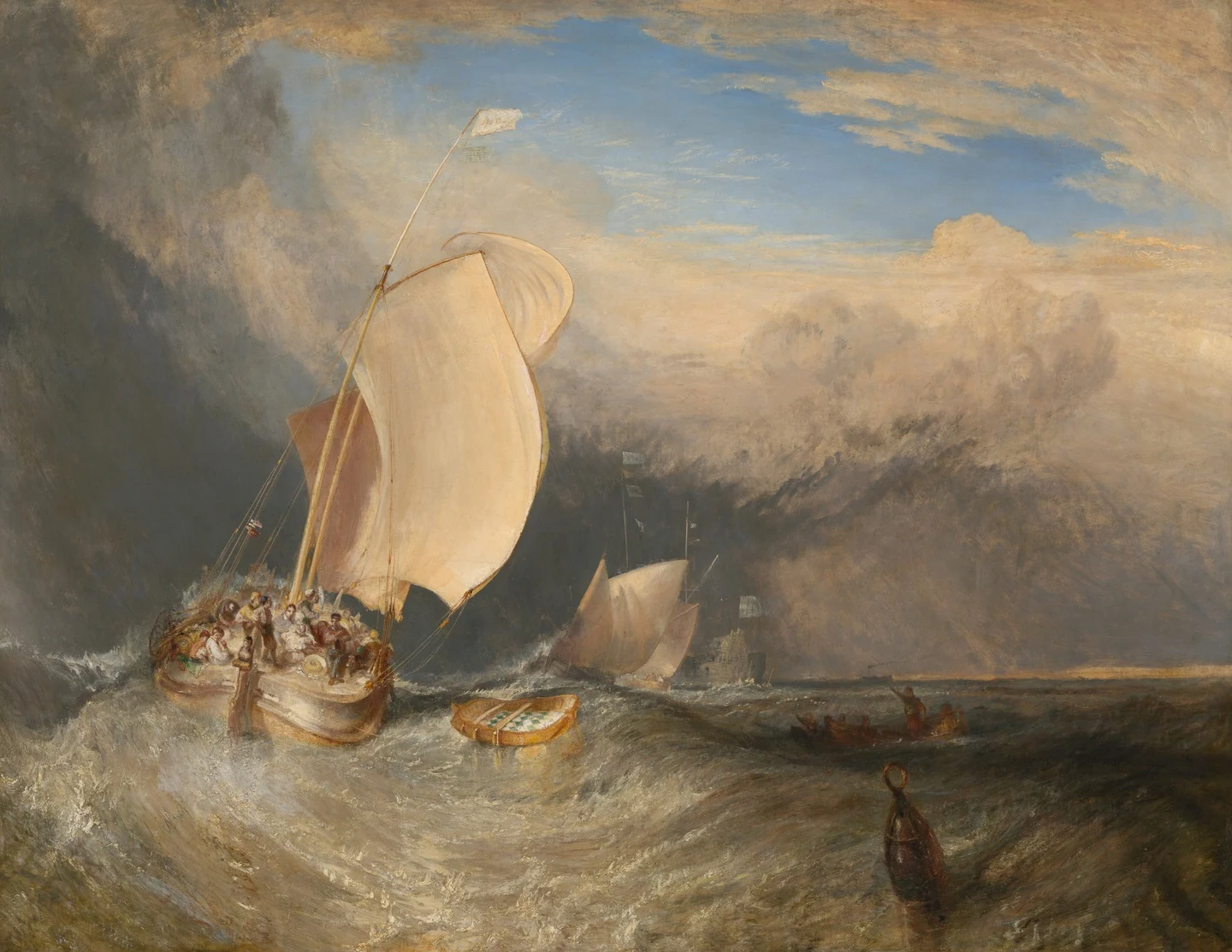 Joseph Mallord William Turner
Fishing Boats with Hucksters Bargaining for Fish
1837–38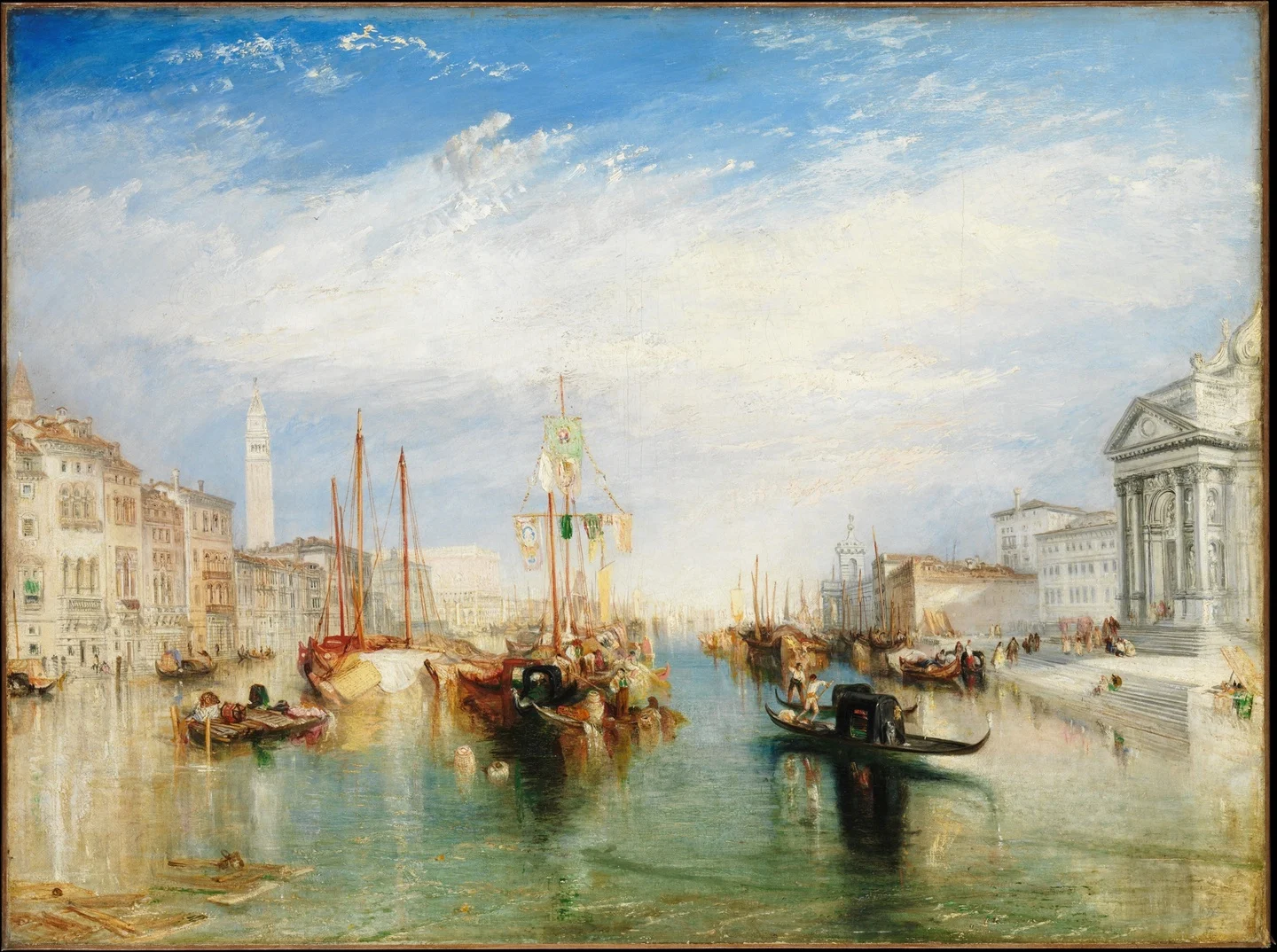 Joseph Mallord William Turner
Venice, from the Porch of Madonna della Salute
ca. 1835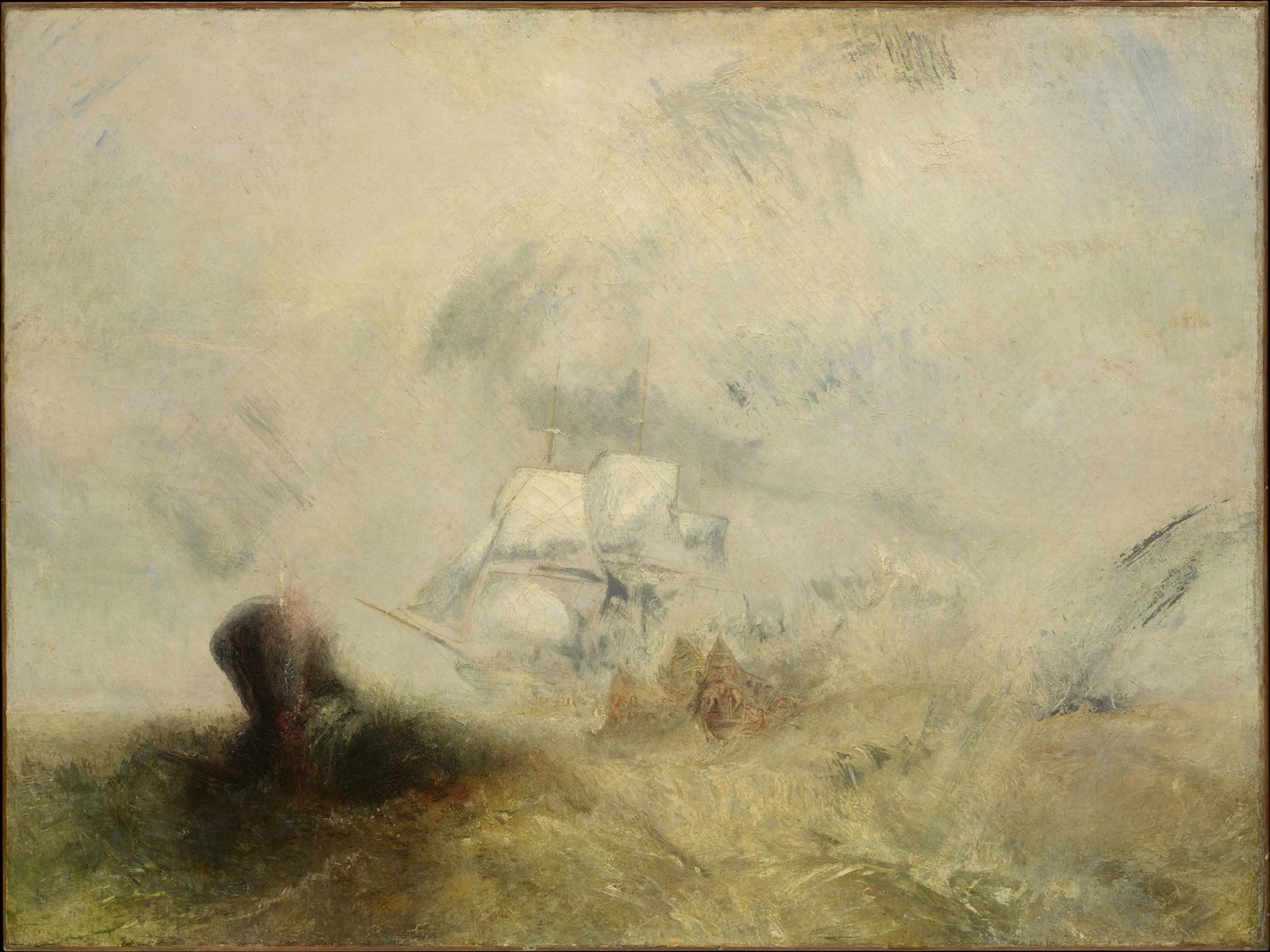 Joseph Mallord William Turner
Whalers
ca. 1845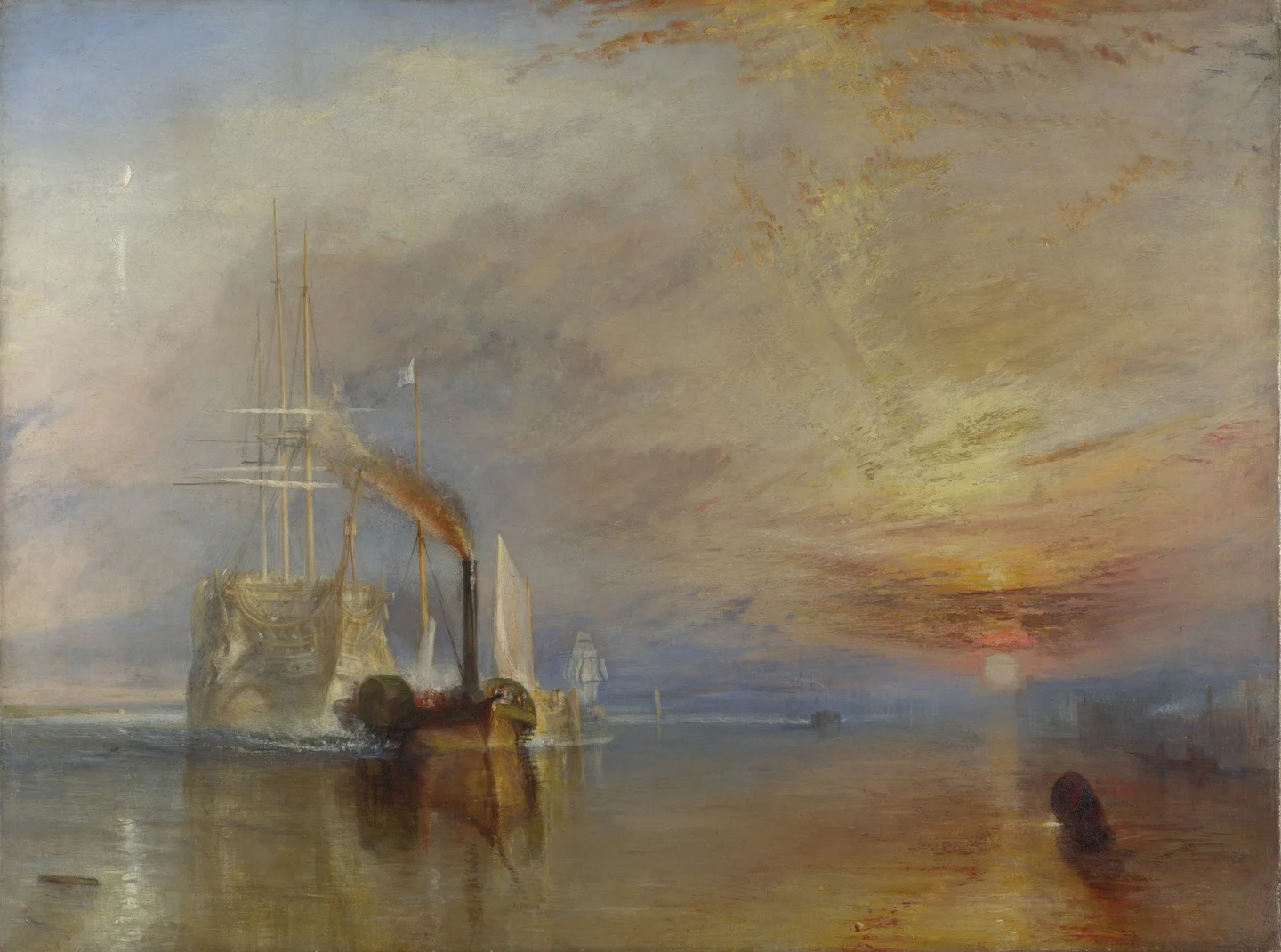 Joseph Mallord William Turner
The Fighting Temeraire
1839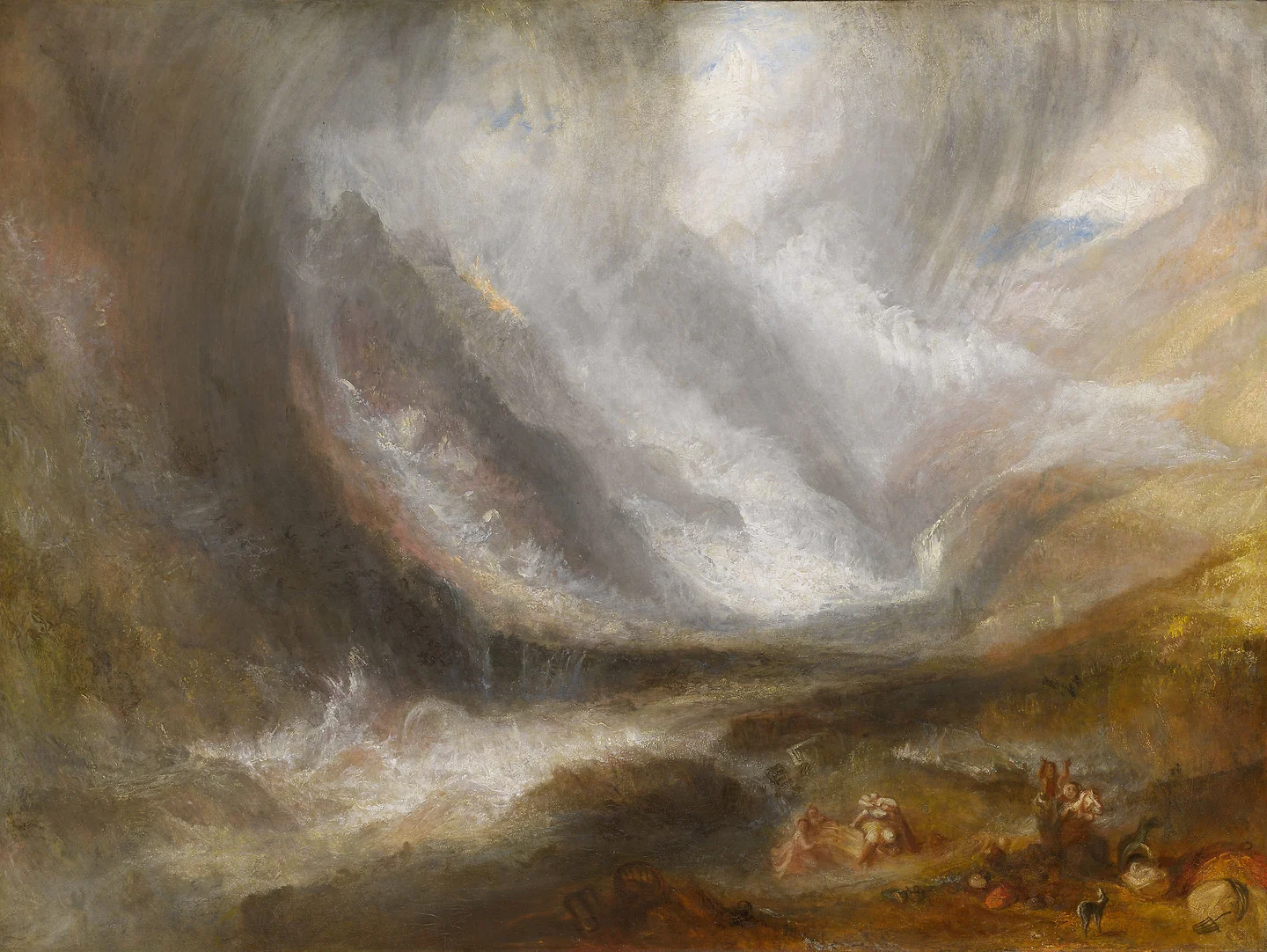 Joseph Mallord William Turner
Valley of Aosta: Snowstorm, Avalanche, and Thunderstorm
1836–37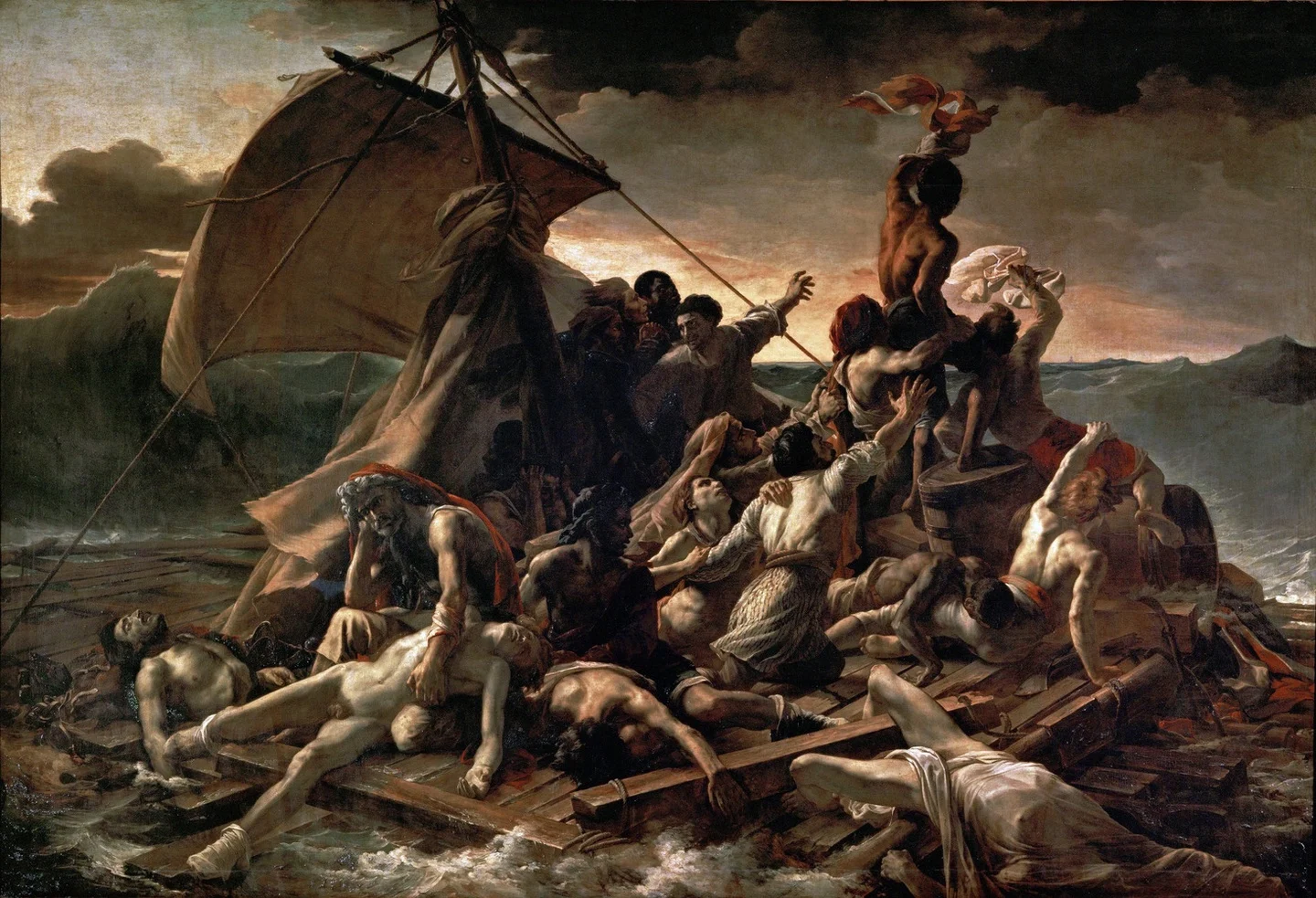 Théodore Géricault
The Raft of the Medusa
1818–1819Period, style and subject
- Movement
- Romanticism
- Genre
- History painting
- Medium
- oil on canvas
- Collection
- Cleveland Museum of Art
- Dimensions
- Unframed, 92 × 123.2 cm
- Accession number
- 1942.647
Sources
Image provided under CC0. Image licence