Landscape with Cows Watering in a Stream
Robert S. Duncanson · 1871
Explore the painting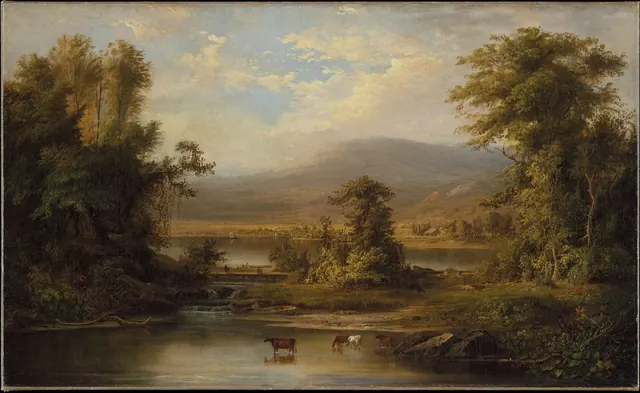
The painting’s story and details
Cows stand in shallow water, with a broad valley opening beyond them. Robert Duncanson painted this landscape in 1871, after European travels and years in Canada. Born free in New York State, he built his career in Cincinnati. The peaceful rural scene is the work of a painter who achieved international recognition during his lifetime.
The animals are close but do not fill the foreground. A band of reflections separates them from us. A pale cow stands out among darker ones, their legs dissolving into the water. Duncanson introduces a familiar rural scale into the broad landscape. The valley becomes a place of grazing and everyday life.
People cross a small bridge farther back. A boat appears beyond it, with buildings near the distant shore. Duncanson distributes signs of human presence through the depth of the scene. None overwhelms nature. Trees, water, and rural activity coexist without visible conflict in the peaceful world of this painting.
Dark trees at the edges frame the light water and mountains. Duncanson taught himself landscape painting by copying European prints and sketching from nature. Both practices help explain this composition. Convincing branches and banks accompany a clear overall arrangement, moving from nearby objects toward a barely distinguishable distance.
His first major commissions came in Cincinnati. In 1850–1852 he painted eight large landscapes in collector Nicholas Longworth’s house. The commission advanced his career. A broad panorama of trees, water, and distant mountains could serve both an independent canvas and a domestic interior where it would be seen every day.
His support came from more than white patrons. For roughly a decade Duncanson collaborated with Black photographer James Presley Ball, tinting photographs and showing landscapes in his studio. Skill and access to an exhibition space were closely connected. These professional networks helped him find viewers and earn money through art.
During the Civil War Duncanson moved to Montreal and contributed to Canadian landscape painting. He continued working and traveling after the war. This late picture combines a substantial career with a modest rural motif. Its calm depends on carefully coordinated distances, illumination, and the places assigned to people and animals.
Featured in tours
American landscape. Land and its inhabitants
Nature, territorial expansion, the Civil War and urban life in American painting.
More paintings to compare
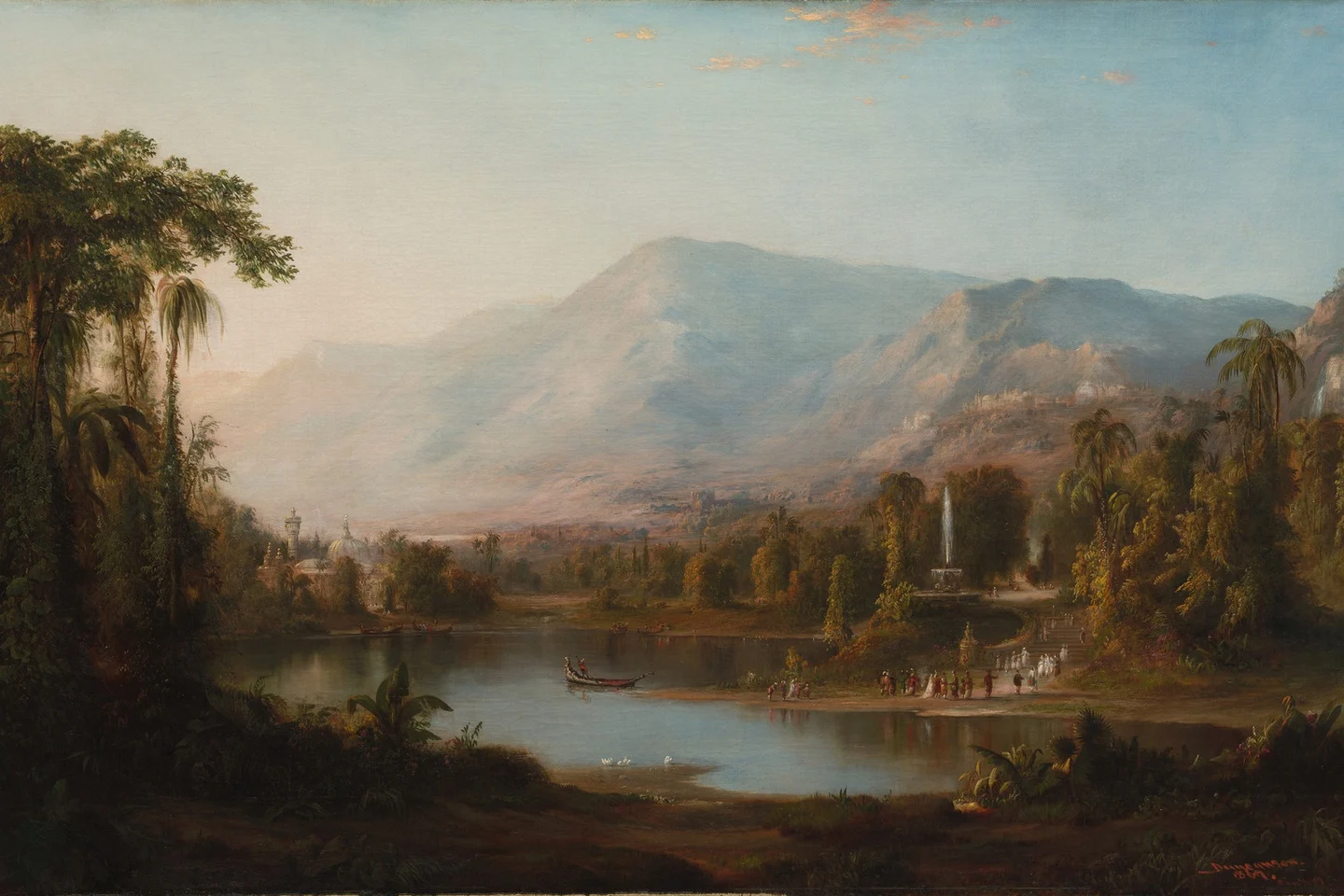 Robert S. Duncanson
Vale of Kashmir
1867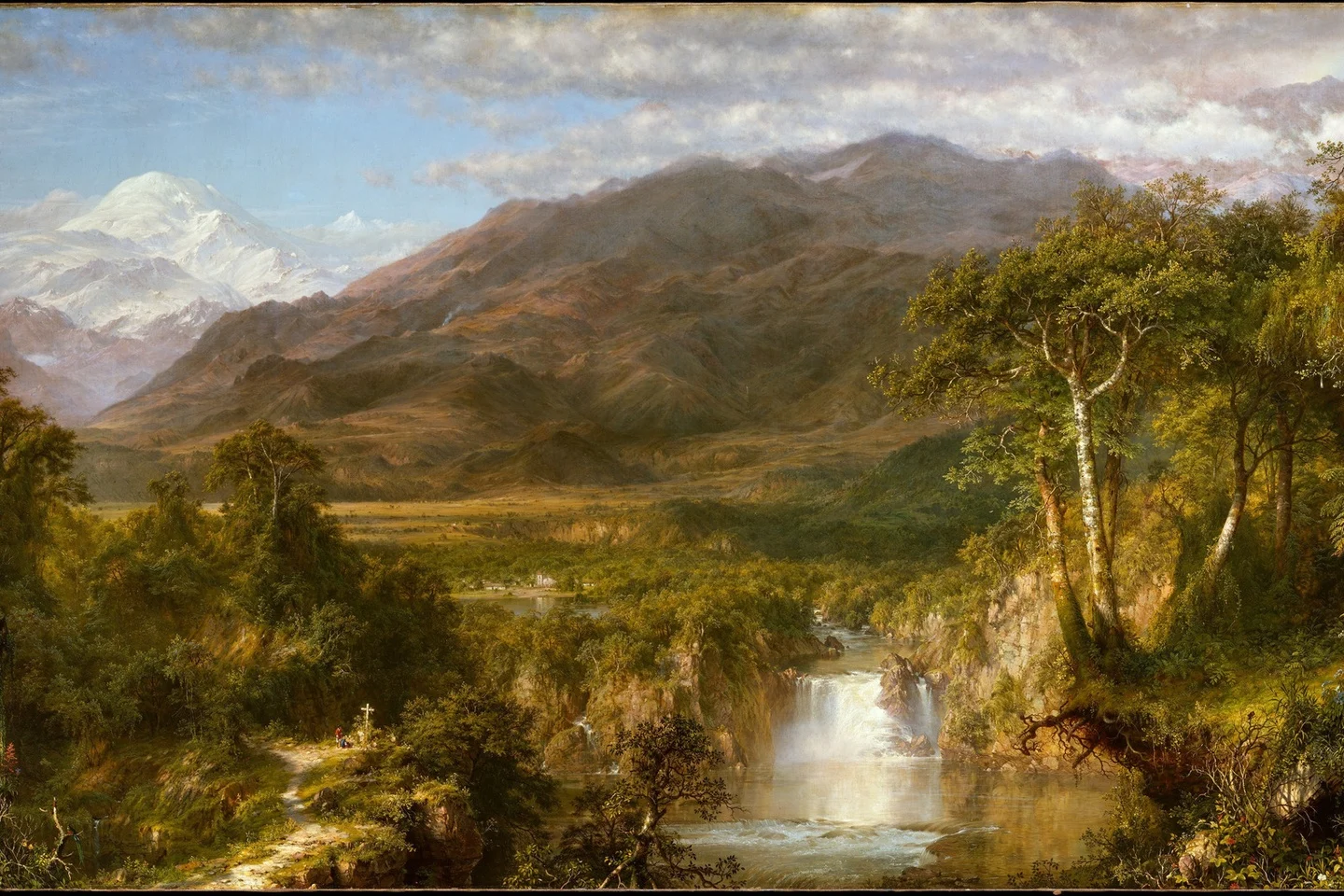 Frederic Edwin Church
Heart of the Andes
1859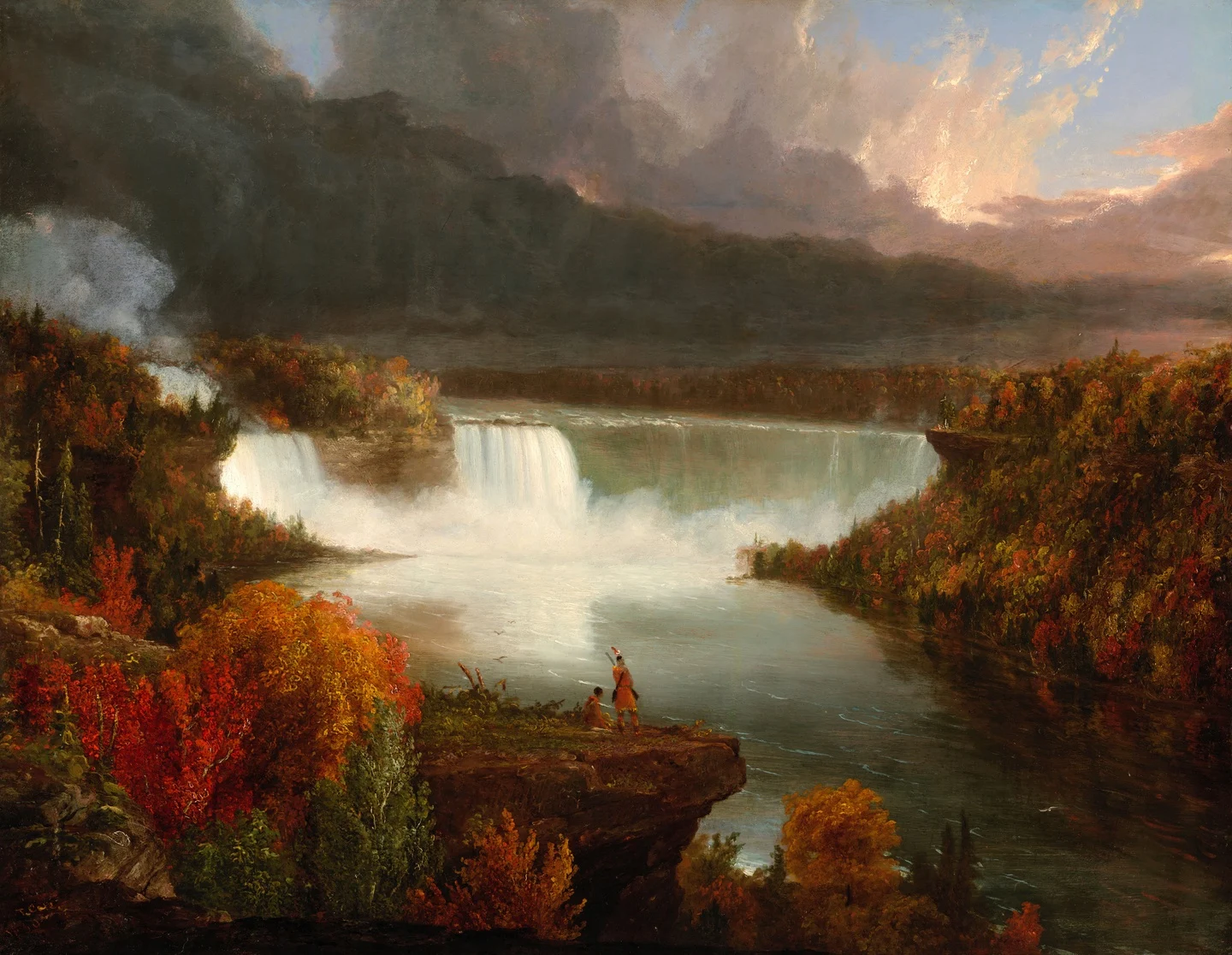 Thomas Cole
Distant View of Niagara Falls
1830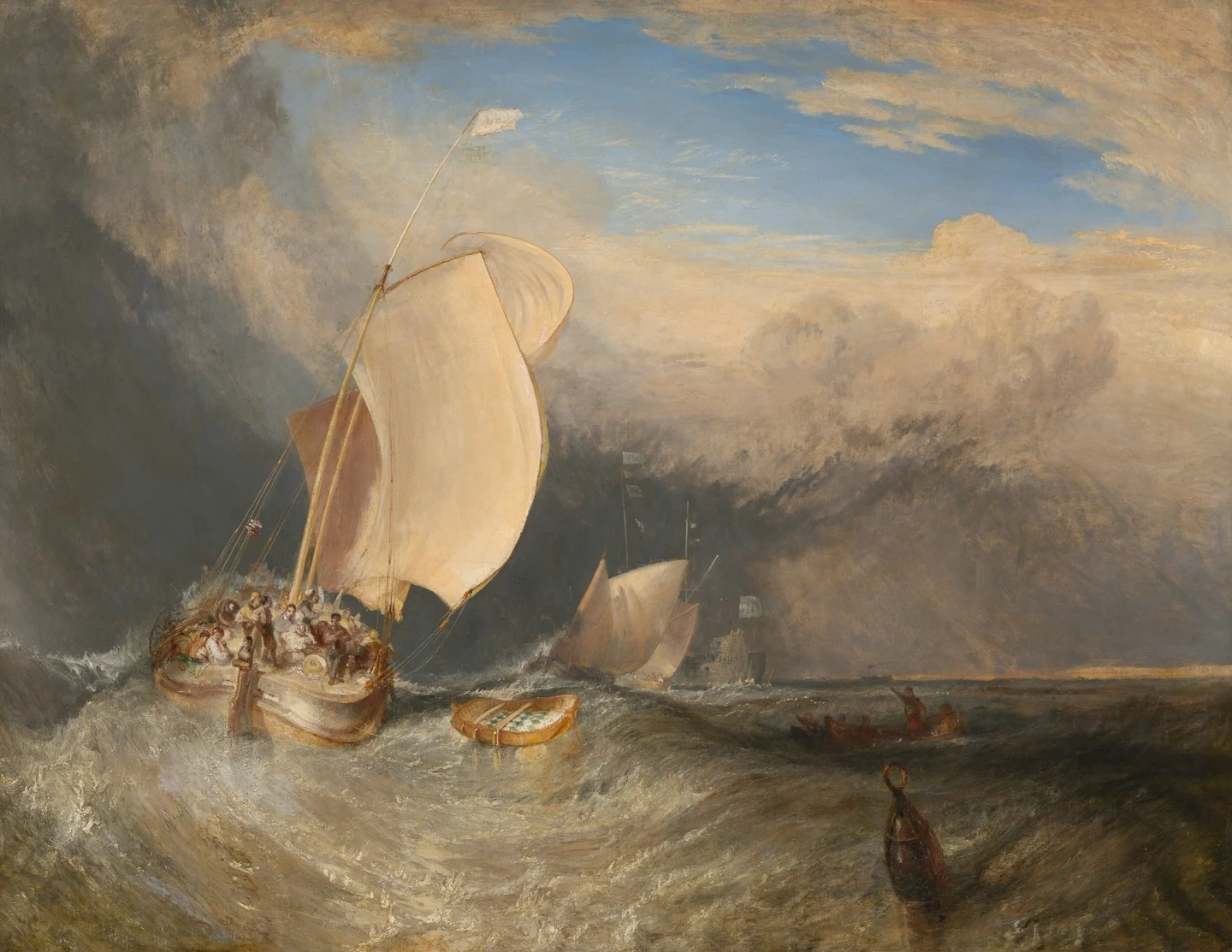 Joseph Mallord William Turner
Fishing Boats with Hucksters Bargaining for Fish
1837–38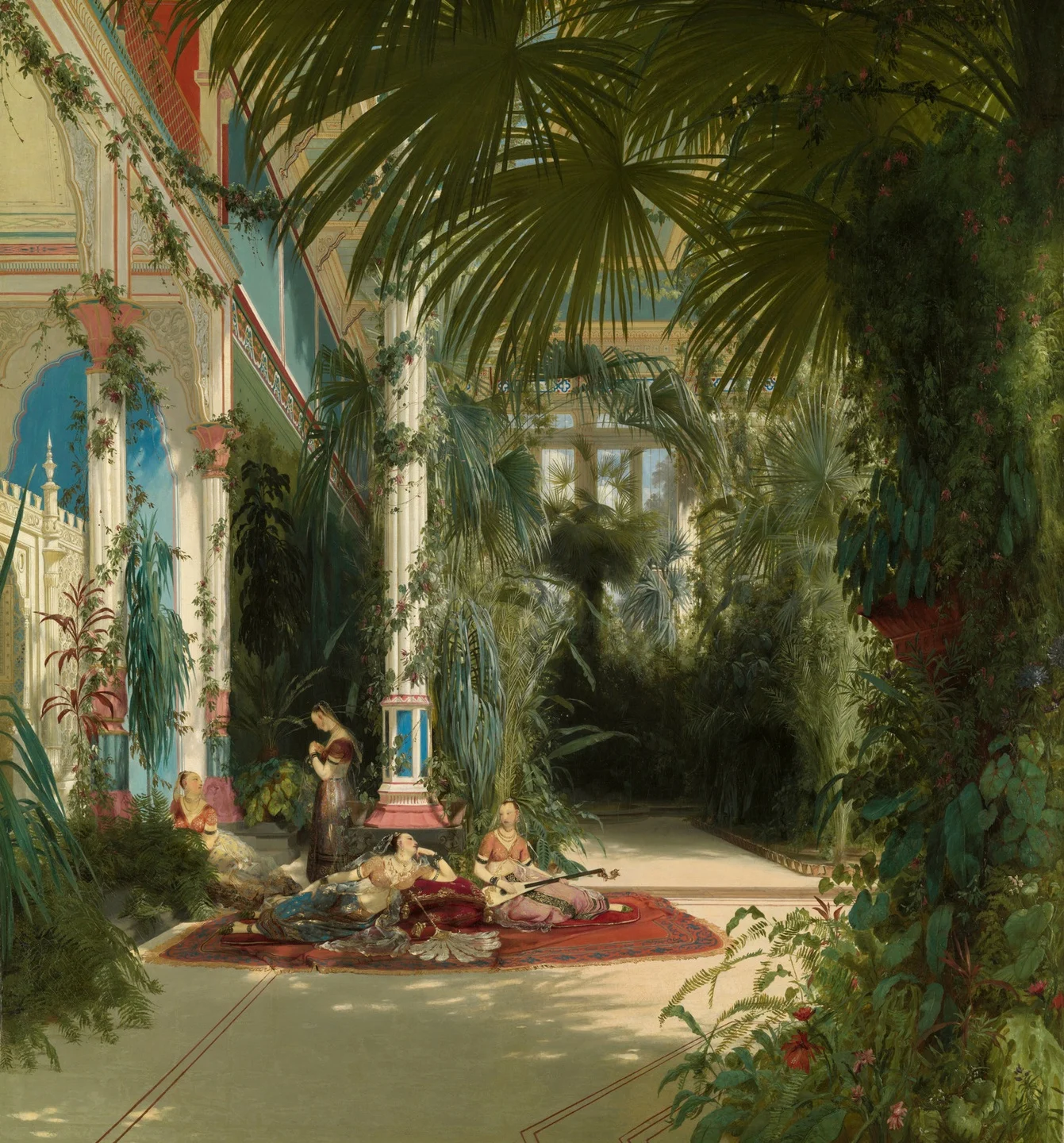 Carl Blechen
The Interior of the Palm House on the Pfaueninsel Near Potsdam
1834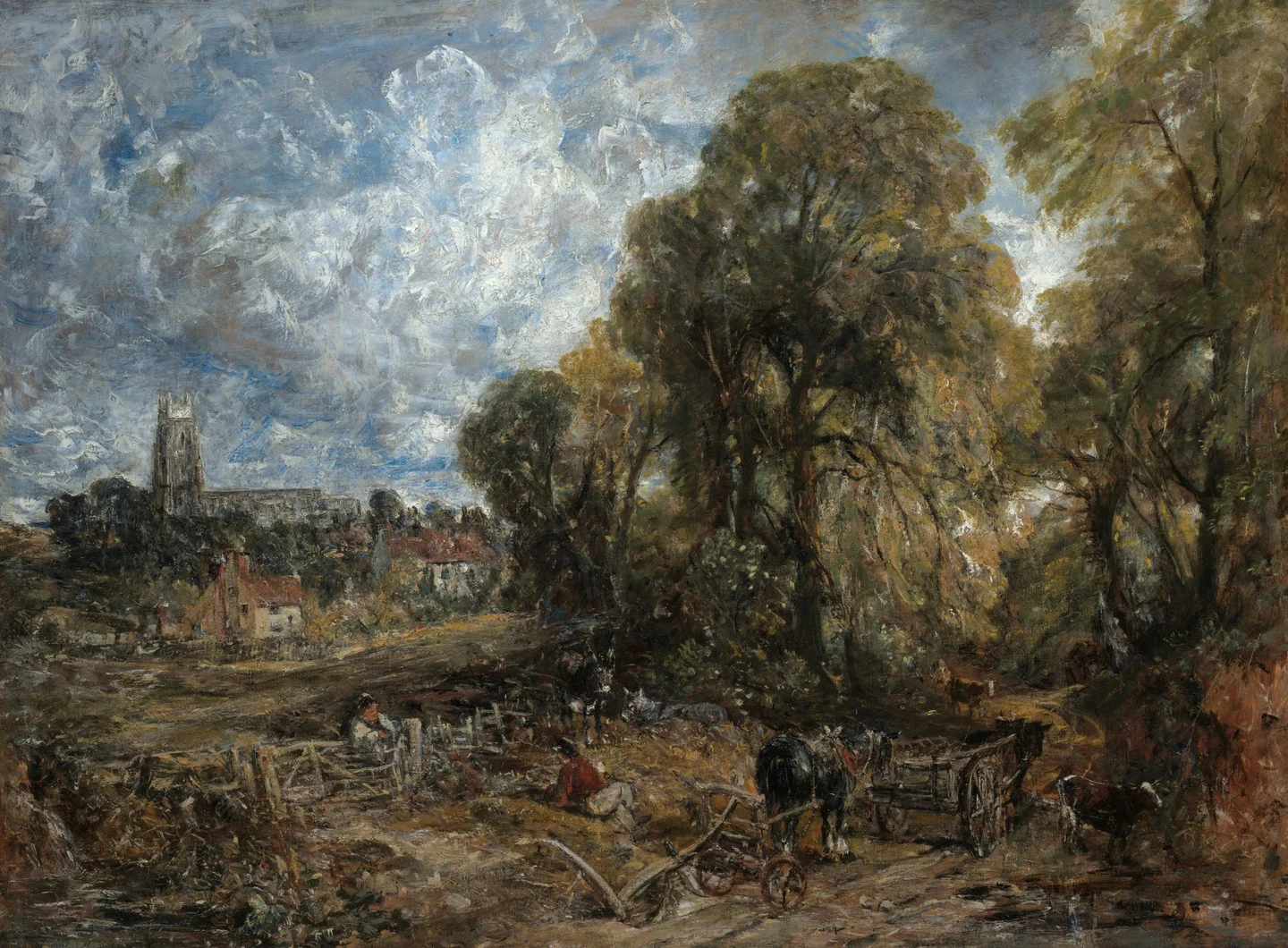 John Constable
Stoke-by-Nayland
1836Period, style and subject
- Movement
- Romanticism
- Genre
- Landscape
- Medium
- Oil on canvas
- Collection
- The Metropolitan Museum of Art
- Dimensions
- 53.7 × 87.6 cm
- Accession number
- 1974.359a, b
Sources
Image provided under CC0. Image licence