Vale of Kashmir
Robert S. Duncanson · 1867
Explore the painting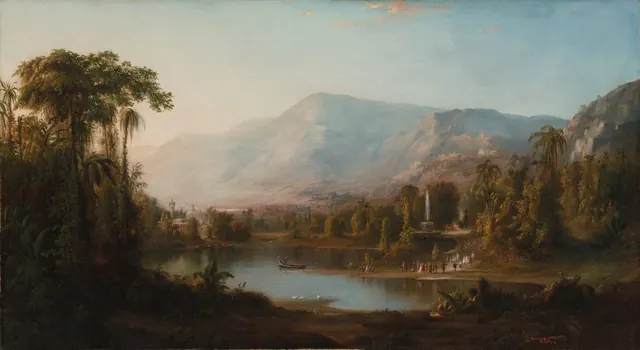
The painting’s story and details
Robert Duncanson came to this valley through a book. In 1867 he painted a landscape inspired by Lalla Rookh, an Oriental romance by the Irish poet Thomas Moore. Its heroine is the fictional daughter of the Mughal emperor Aurangzeb, travelling to meet her betrothed. On the journey she falls in love with a poet accompanying her. He eventually proves to be the prince she is to marry. Duncanson builds an entire country of palaces, boats and mountain ranges around that literary journey.
The mountains recede in successive ranges. Nearer slopes retain brown and green areas; distant ones dissolve into bluish haze. This is atmospheric perspective: colour weakens and outlines soften with distance. Duncanson sets dark trees at the edge against that pale distance. Water, shore, palace and settlements lie between the trees and the mountains. The wide format lets our eyes travel through several intervals of space before settling on the people.
The procession on the right bank leads towards a broad staircase. Pale clothing picks out tiny figures against earth and foliage, while the steps take them towards a fountain. The people give the landscape scale: we can now gauge the staircase and the trees. The heroine cannot be confidently identified among them. Duncanson places the literary story within a panorama; the intimate conversations and recognition on which the romance turns are absent.
A dome and slender tower mark the palace across the water. A boat connects it with the procession. Published in 1817, Moore’s romance prompted numerous European illustrations, musical works and theatrical adaptations. Duncanson joined that history half a century later. The architecture and plants belong to an imagined East. They make a convincing landscape, but neither book nor painting can by itself document the appearance of Kashmir.
A thin fountain jet rises above the trees. Farther right, a waterfall provides another pale vertical, linking the courtly terrace with the mountain slopes. Water seems abundant, the shores calm, and the procession moves without obstruction. These are the conditions for a happy romance. Courtly life occupies little space but shapes the world on display: a valley for promenades and ceremony, with little account of the work that sustains it.
Dark trees frame the view on the left. A landscape like this required its painter to combine many observations into a unified composition. Duncanson built his career in Cincinnati and gained international recognition while Black Americans faced racial restrictions. During the Civil War he lived in Montreal and influenced Canadian landscape painters. His choice of a literary subject shows the range of his professional interests. The popular literary subject allowed him to address an international public familiar with Lalla Rookh’s story.
Duncanson makes the distant valley’s space and depth convincing. That trust can readily extend to the image of the country as a whole. Yet Kashmir appears here through an Irish poet’s work, interpreted in turn by an American painter. Its own inhabitants have little part in the account. The painting reveals how books and images shape our ideas of places we have never visited.
Featured in tours
American landscape. Land and its inhabitants
Nature, territorial expansion, the Civil War and urban life in American painting.
More paintings to compare
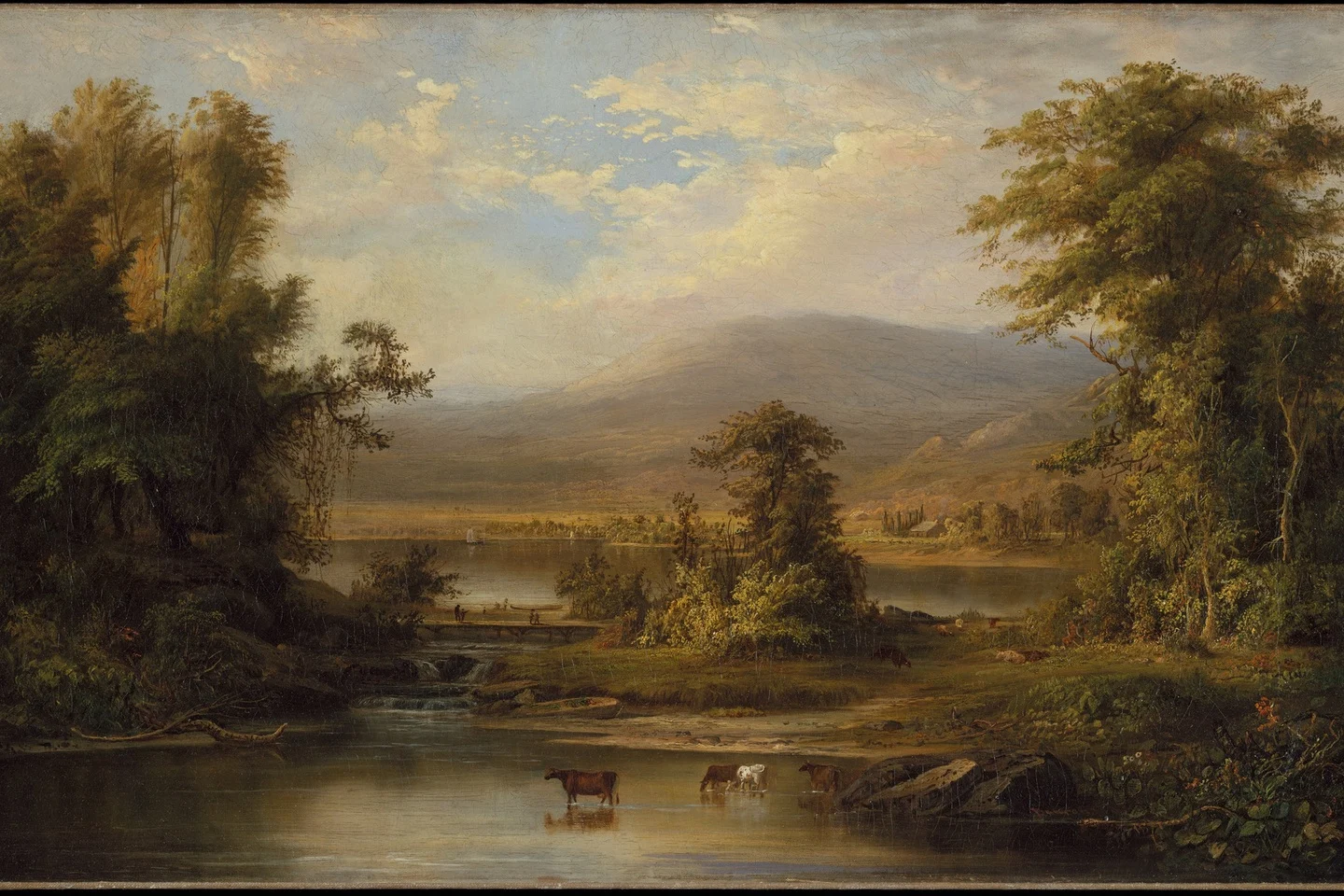 Robert S. Duncanson
Landscape with Cows Watering in a Stream
1871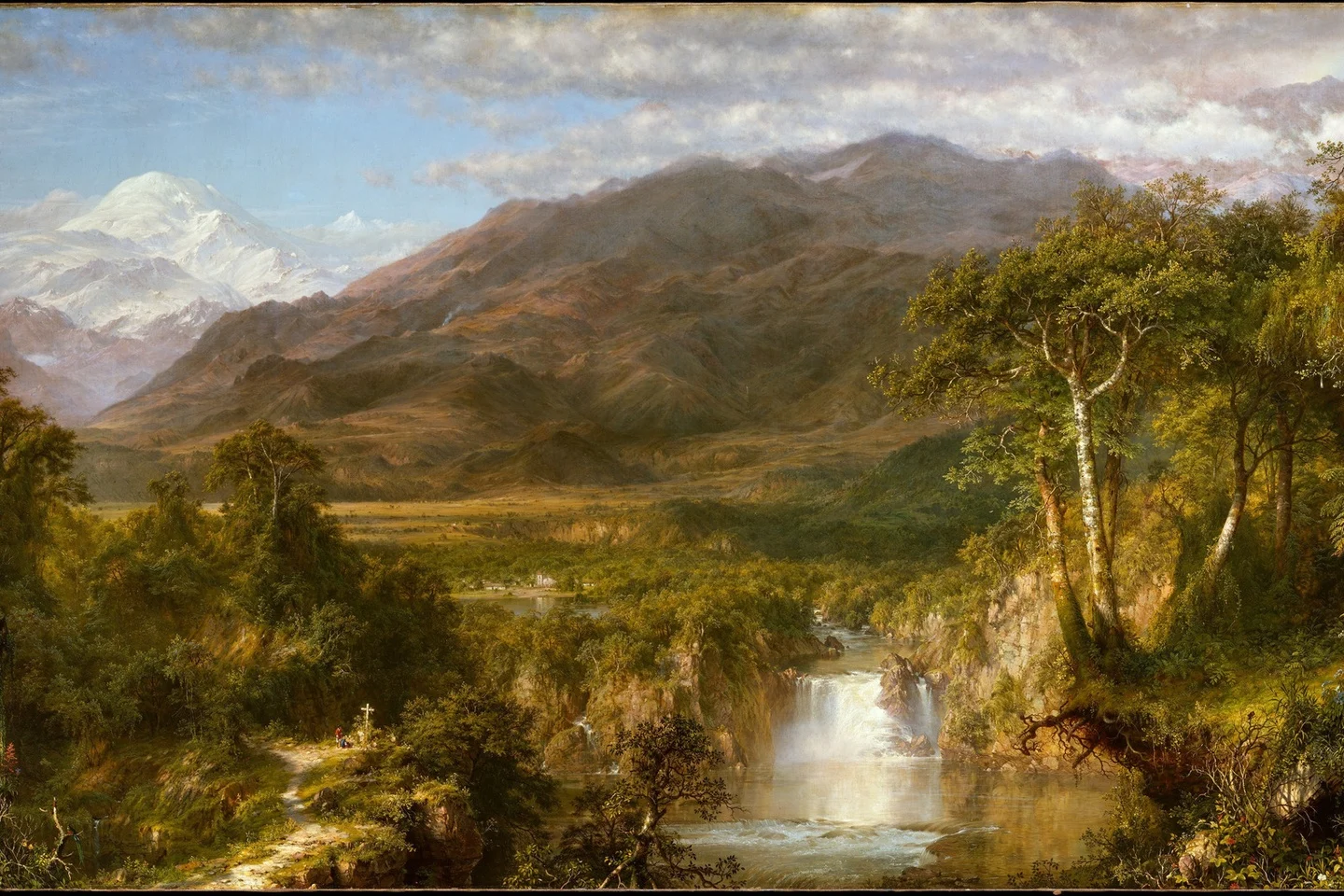 Frederic Edwin Church
Heart of the Andes
1859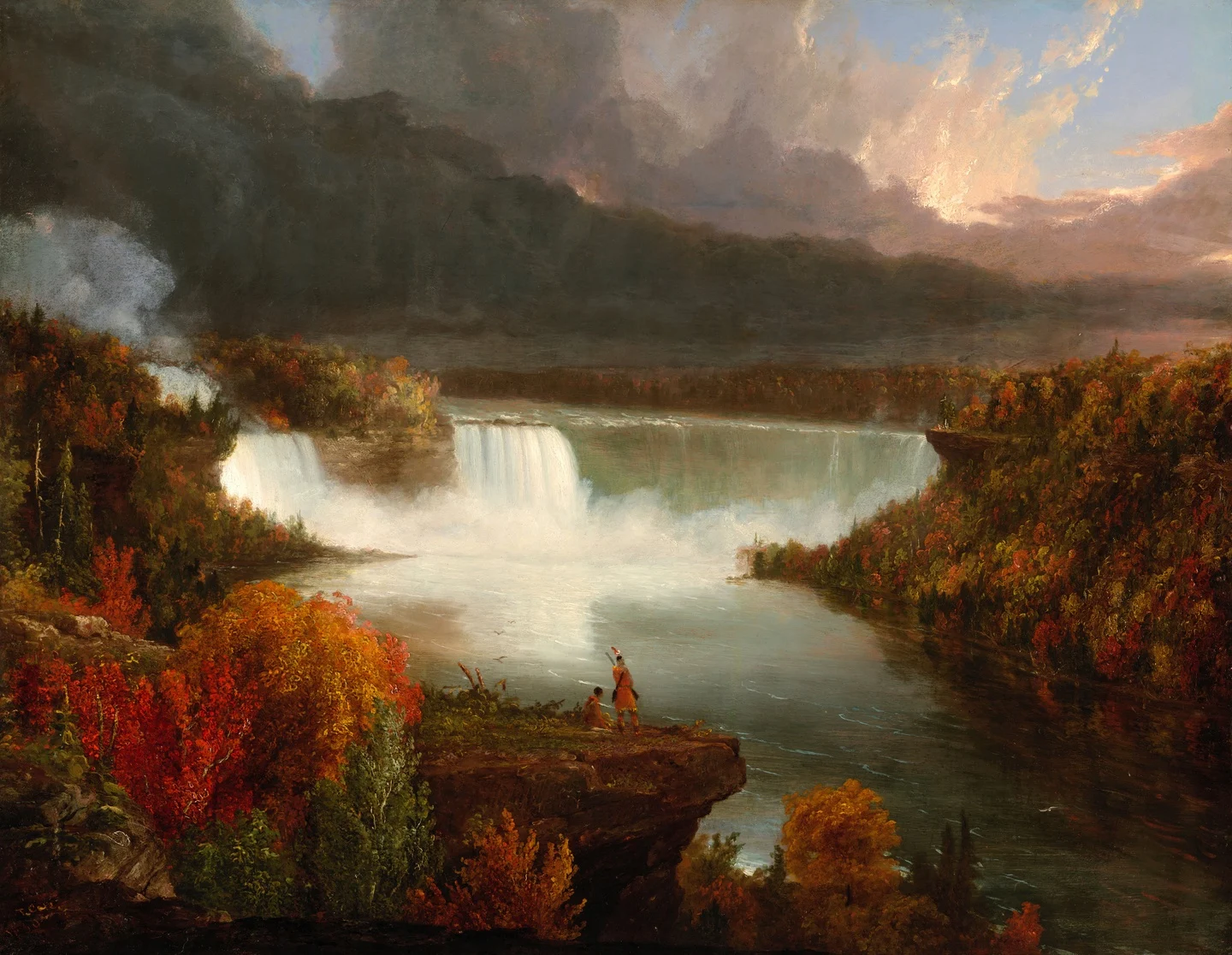 Thomas Cole
Distant View of Niagara Falls
1830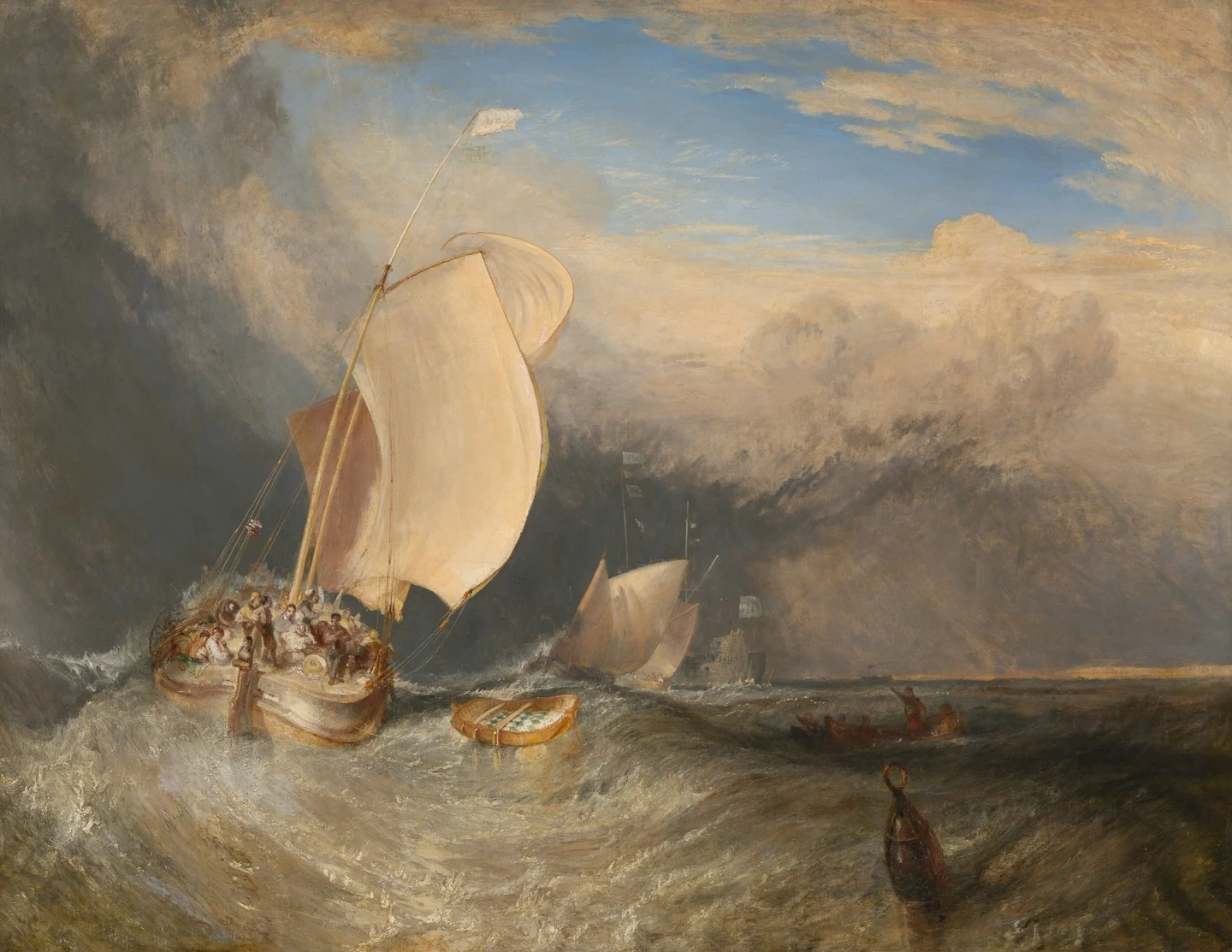 Joseph Mallord William Turner
Fishing Boats with Hucksters Bargaining for Fish
1837–38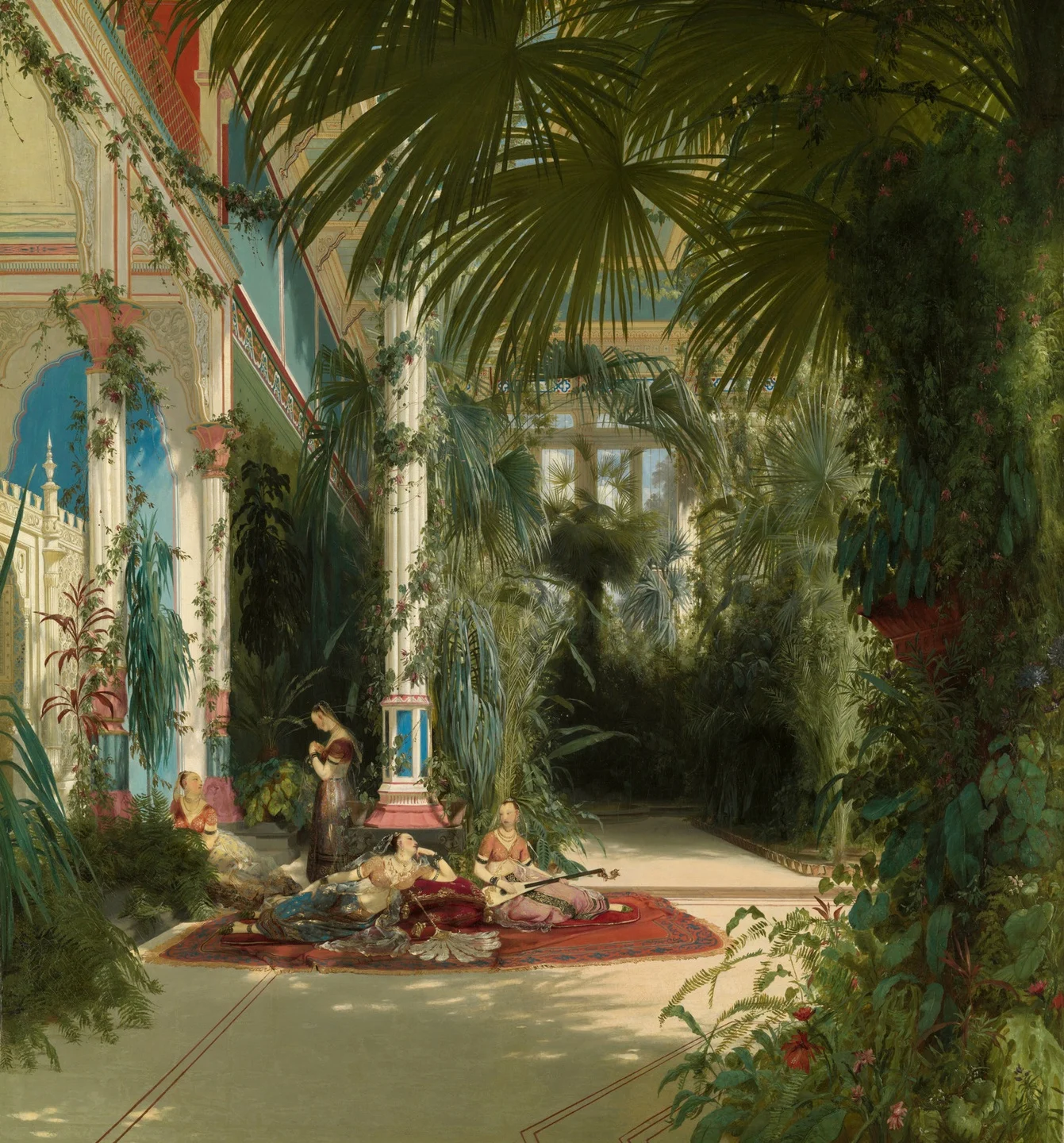 Carl Blechen
The Interior of the Palm House on the Pfaueninsel Near Potsdam
1834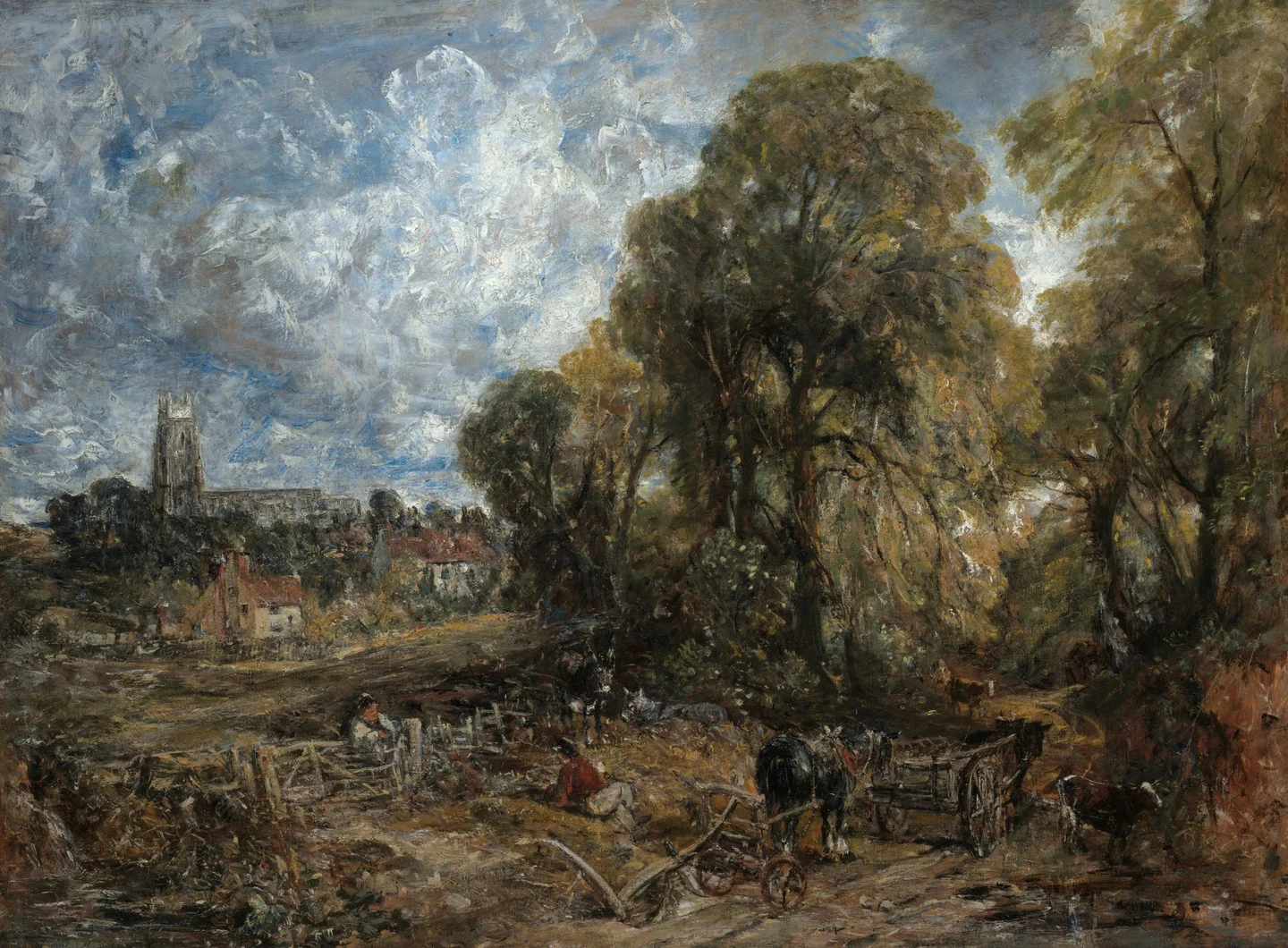 John Constable
Stoke-by-Nayland
1836Period, style and subject
- Movement
- Romanticism
- Genre
- Landscape
- Medium
- oil on canvas
- Collection
- Cleveland Museum of Art
- Dimensions
- Unframed, 73 × 132.4 cm
- Accession number
- 2014.12
Sources
Image provided under CC0. Image licence