Grooms and horses
Zhao Mengfu, Zhao Yong and Zhao Lin · dated 1296 and 1359
Explore the painting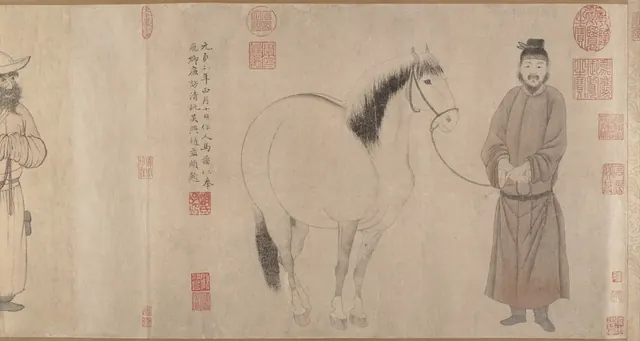
The painting’s story and details
In 1296 Zhao Mengfu gave a picture of a horse and groom to the senior official Feiqing. This is the section of the larger scroll shown here. Works by his son Zhao Yong and grandson Zhao Lin, dated 1359, were added later. The quiet encounter between man and horse carried an additional meaning for its first recipient. In Chinese tradition the ability to judge a fine horse was compared with the ability to select talented people for government service. The gift could remind an official of the responsibility involved in that choice.
The groom stands upright with his hands gathered before his belt. His face turns towards the viewer, and the Met suggests that it may be a self-portrait. The resemblance cannot be established with certainty. The circumstances are clearer: Zhao made the picture shortly after withdrawing from government service. Under the Mongol Yuan dynasty, opportunities for Chinese scholar-officials were restricted. In that setting an image of a capable groom could concern abilities still waiting to be put to use.
The pale horse has a rounded body, dark mane and finely outlined legs. It stands sideways, making its proportions readily visible. The legendary judge Bole was valued for his ability to recognize a horse’s qualities. Curator Maxwell Hearn reads this subject as an appeal to those in power to notice and properly employ human talent. The horse provides an indirect way to speak about people. Such a language could combine a personal gift with a judgment about public service.
The rein hangs in a broad curve. The groom holds it without visible effort, and the horse offers no resistance. Plenty of empty space separates the two figures, making this fine connecting line particularly clear. The scene can be read as an image of direction that leaves strength composed. That interpretation rests on the poses and the established associations of the subject. The dedicatory inscription contains no political demand; the artist offers Feiqing the pleasure of looking at the painting.
Vertical columns of characters stand to the horse’s left. The inscription records the date and the recipient’s name. Beside it, the long curves of the back and belly are formed by nearly continuous brush movements. For Zhao, a master calligrapher, writing and drawing were closely connected. In both, the brush mark retained the character of the artist’s hand. An informed viewer could assess both the horse’s form and the assurance of the lines that created it.
Many short strokes make up the dark mane, while the body’s surface is almost empty. Red seals around the figures establish another rhythm, formed by dense rectangular and rounded shapes. Owners and connoisseurs added such marks and inscriptions throughout the history of Chinese scrolls. Their presence became part of the work itself. This painting preserves both its original image and traces of its handling by people who lived long after the artist.
In his inscription of 1359, Zhao Yong explains that his late father’s painting had been brought to him with a request for a sequel on the same subject. This was a deliberate commission for continuity. A response by the next generation joined a work already valued. The scroll grew from a gift to one official into an assembly of works by one family. Its subject of talent gained another dimension: viewers could compare how skill is inherited and how a descendant’s brush differs from a predecessor’s.
More paintings to compare
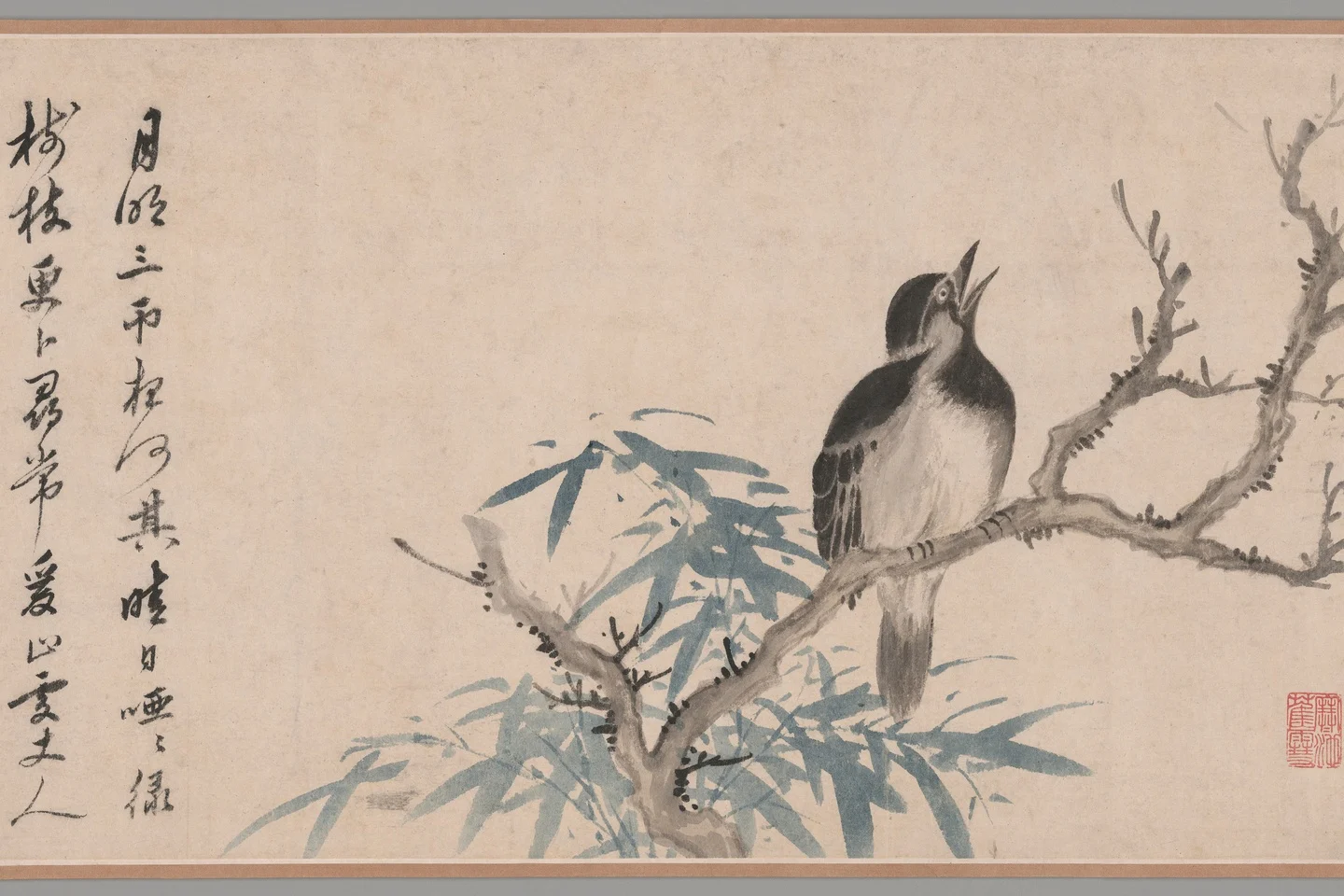 Yao Shou
Pillars of the Country
Ming dynasty (1368–1644), 1494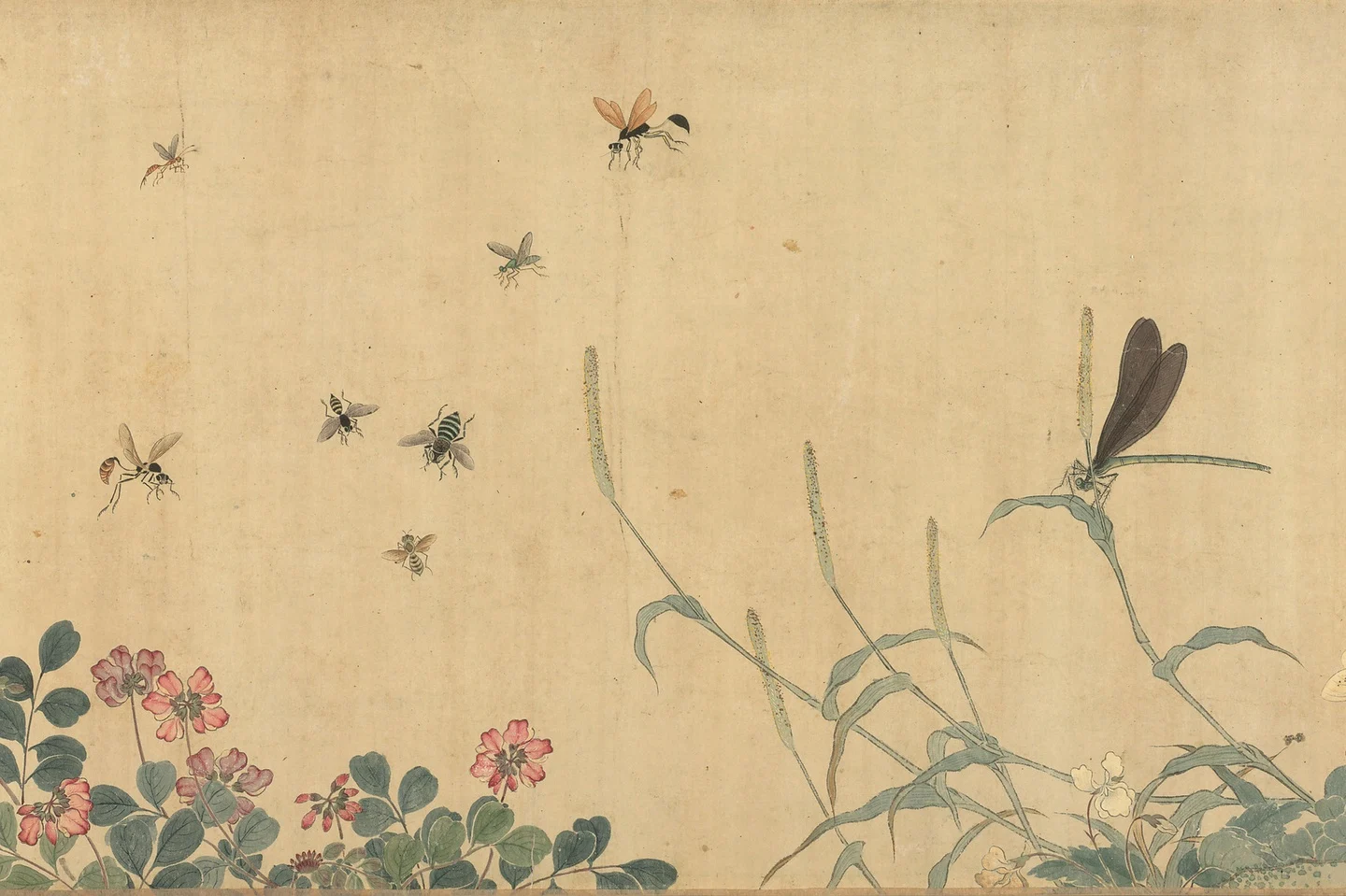 Chai Zhenyi and Chai Jingyi
Flowers and Insects
Qing dynasty (1644–1911), reign of Kangxi (1662–1722)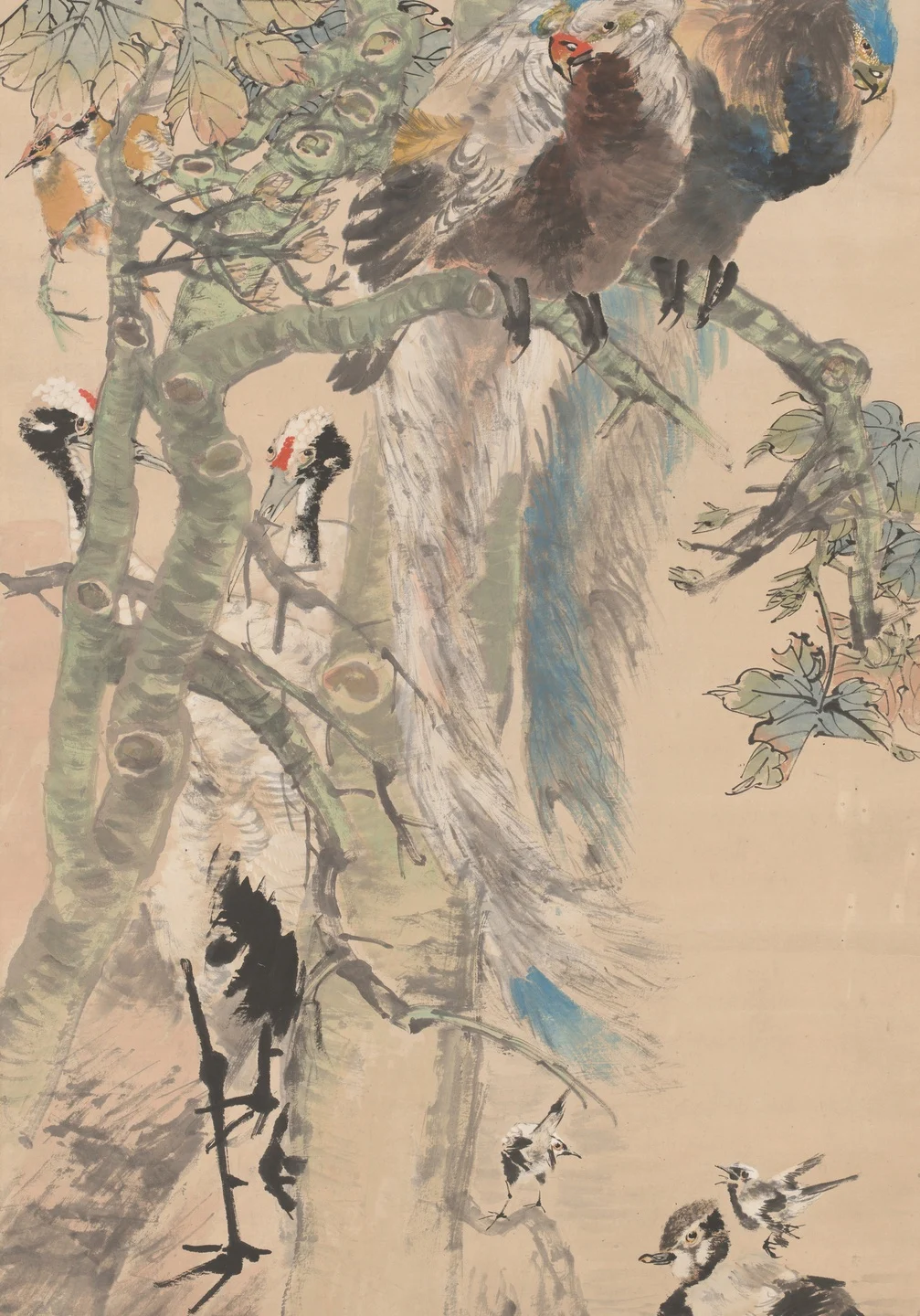 Ren Yi
The Five Virtues
Qing dynasty (1644–1911), 1895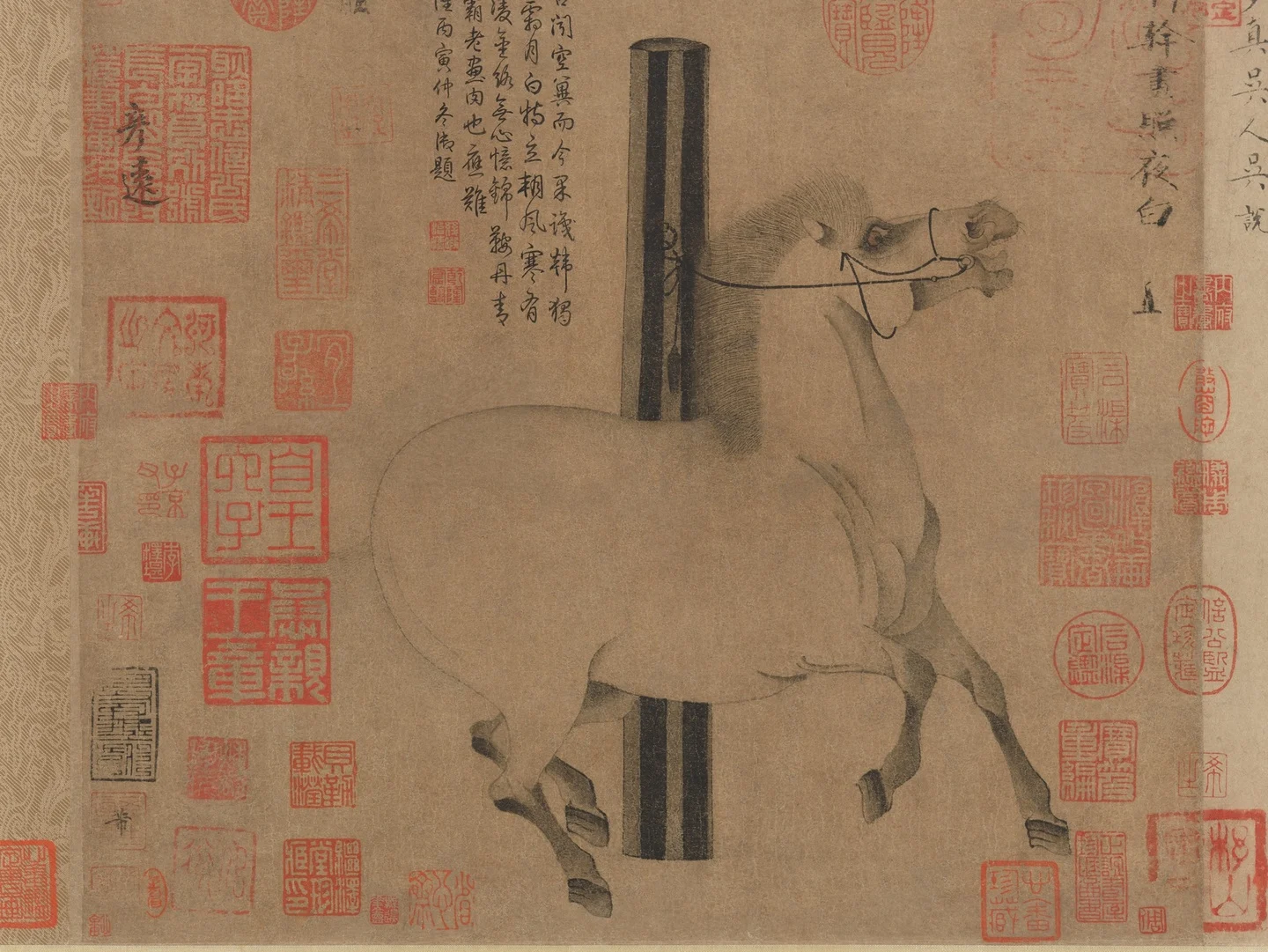 Han Gan
Night-Shining White
ca. 750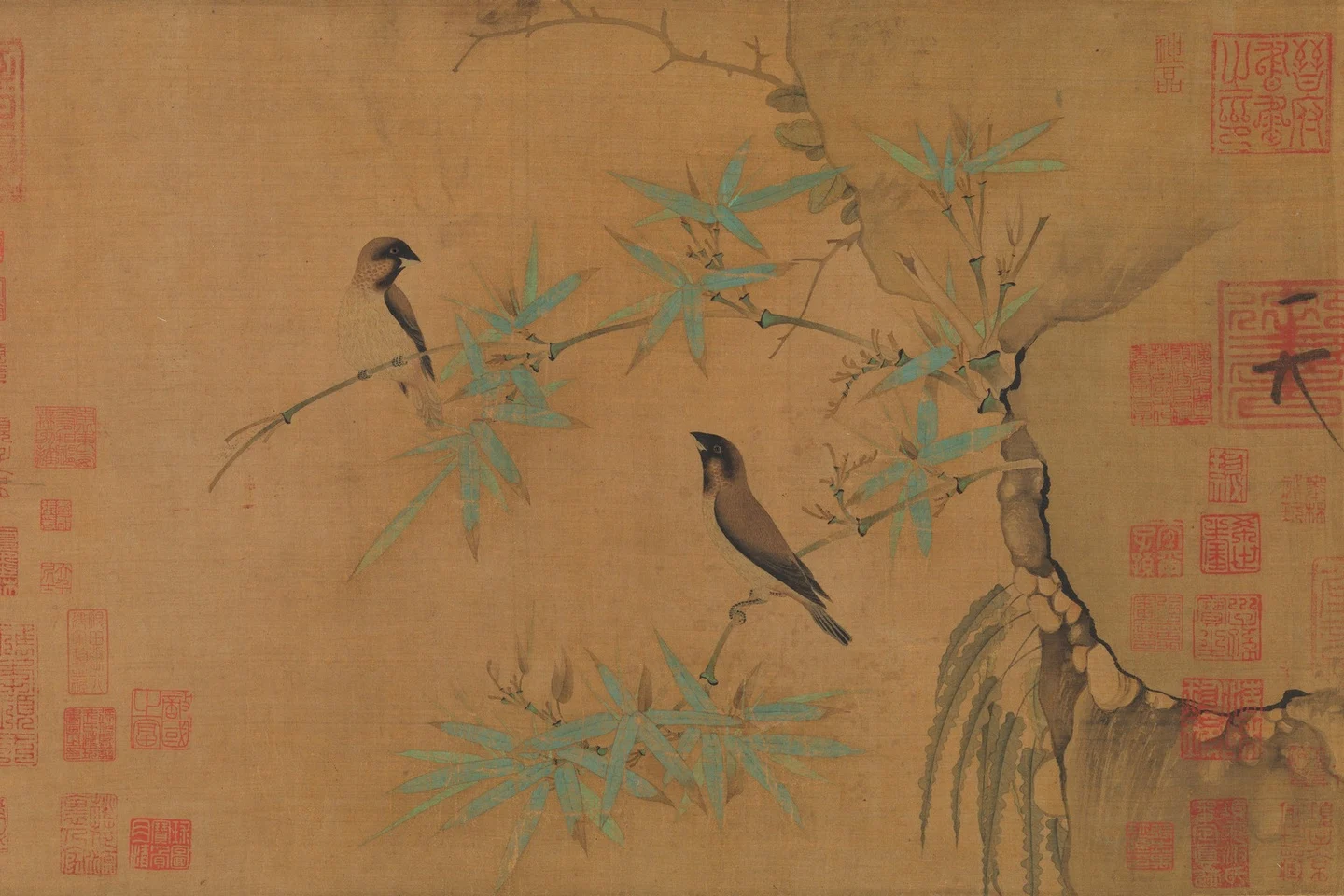 Emperor Huizong
Finches and bamboo
early 12th century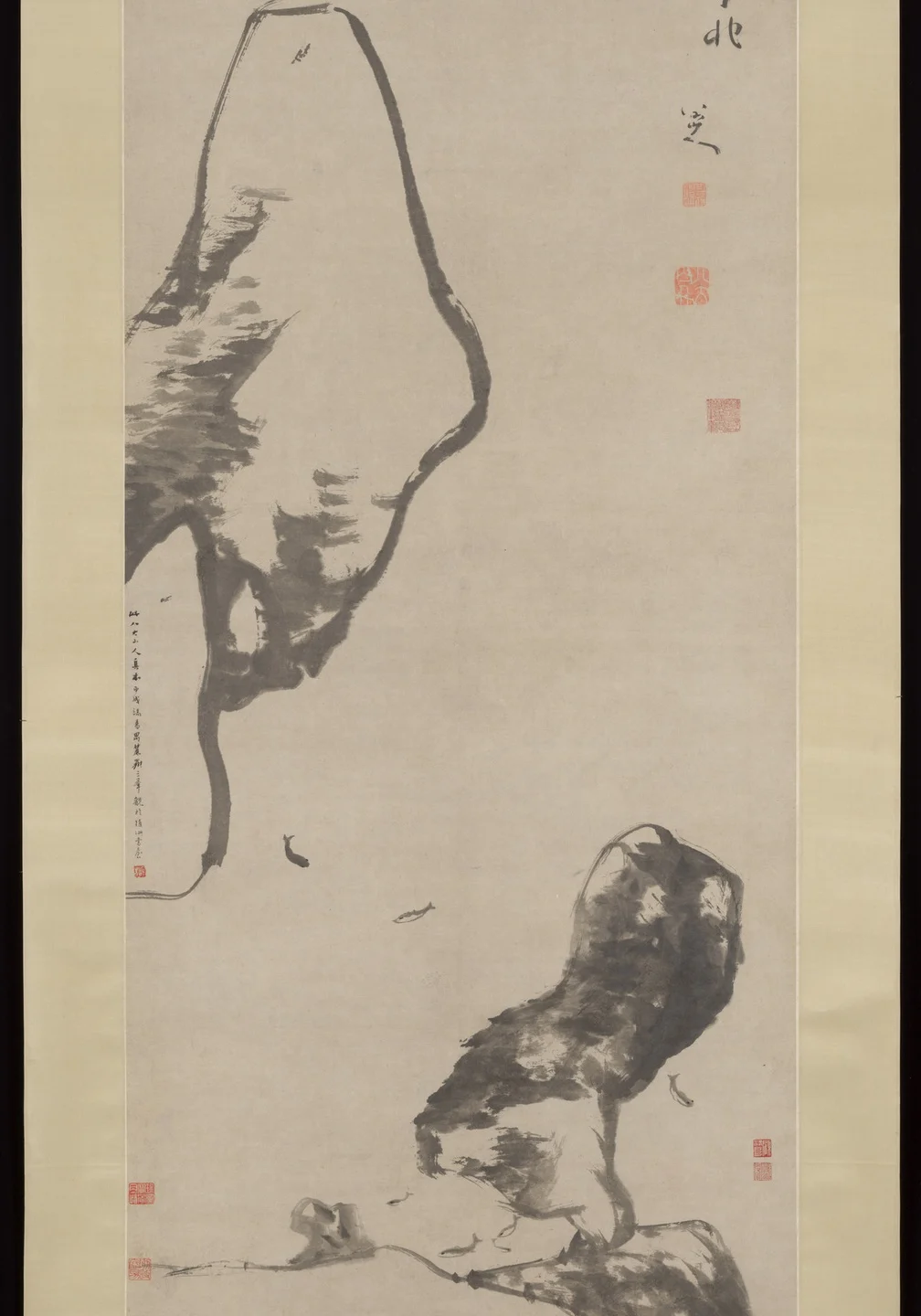 Bada Shanren
Fish and rocks
dated 1699Period, style and subject
- Movement
- Chinese painting
- Genre
- Animals
- Medium
- Handscroll; ink and color on paper
- Collection
- The Metropolitan Museum of Art
- Dimensions
- Image, 30.2 × 178.1 cm
- Accession number
- 1988.135
Sources
Image provided under CC0. A detail of the scroll. The complete work extends beyond this museum reproduction. Image licence