The Death of Socrates
Jacques Louis David · 1787
Explore the painting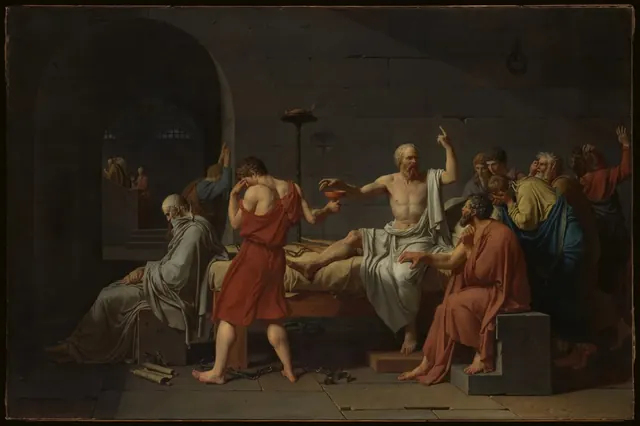
The painting’s story and details
Athens, 399 BCE. Socrates has been condemned to death on charges of impiety and corrupting the young. David shows the prison before the sentence is carried out. The philosopher is still speaking as he reaches for the poisoned cup. Exhibited at the Paris Salon in 1787, this ancient story confronted viewers with a man whose convictions had brought him into conflict with authority.
Socrates sits upright, bare-chested and strong-armed. He was around seventy, but David gives his body the strength of a middle-aged man. Light picks out the torso against stone. Physical appearance conveys his assurance, while the disciples bend, cover their faces and support one another.
One hand reaches for the cup; the other points upwards. In Plato’s Phaedo, Socrates spends his final hours discussing the soul’s immortality. The two gestures connect its possible future with the body’s approaching death. The Louvre also relates the raised finger to Plato’s gesture in Raphael’s School of Athens. David draws on both an ancient text and the history of its representation.
The man in red turns his face away while offering the cup. A narrow gap remains between the vessel and Socrates’ fingers. In a preparatory drawing, David revised this group’s position to clear space around the passing of the poison. Taking the cup became the composition’s focus, drawing hands and gazes together.
Plato sits at the foot of the bed with his head lowered. Yet the opening of Phaedo states that he was ill and absent when his teacher died. David includes the author through whom the event survived in writing. The aged figure among the witnesses reminds us that this event has already passed through memory and narration.
A chain and open fetters lie on the floor. Scrolls are scattered nearby, and a lyre appears behind the bed. In Plato’s discussion, an objection compares the soul to an instrument’s harmony. If the instrument breaks, does the music survive? Socrates answers the objection. The object brings an argument back into the solemn scene, beyond what an assured pose alone can communicate.
On the left, stairs carry small figures into the distance. The principal group, by contrast, stretches along the bed in an almost single plane. Bare stone, clear contours and restrained colours make each gesture distinct. David’s neoclassical history painting invites viewers to examine an action and the responses to it as a public moral example.
The commission came from a member of the Trudaine family, associated with state service and liberal ideas. At the same Salon, another painter, Peyron, showed Socrates’ death on a royal commission. The ancient hero therefore belonged to no single political side. How does the meaning of his death change with the patron and the example that patron hopes to find in it?
Featured in tours
History in painting. Events and memory
Who painted war, revolution and state power, and how long after the event.
More paintings to compare
 Jacques Louis David
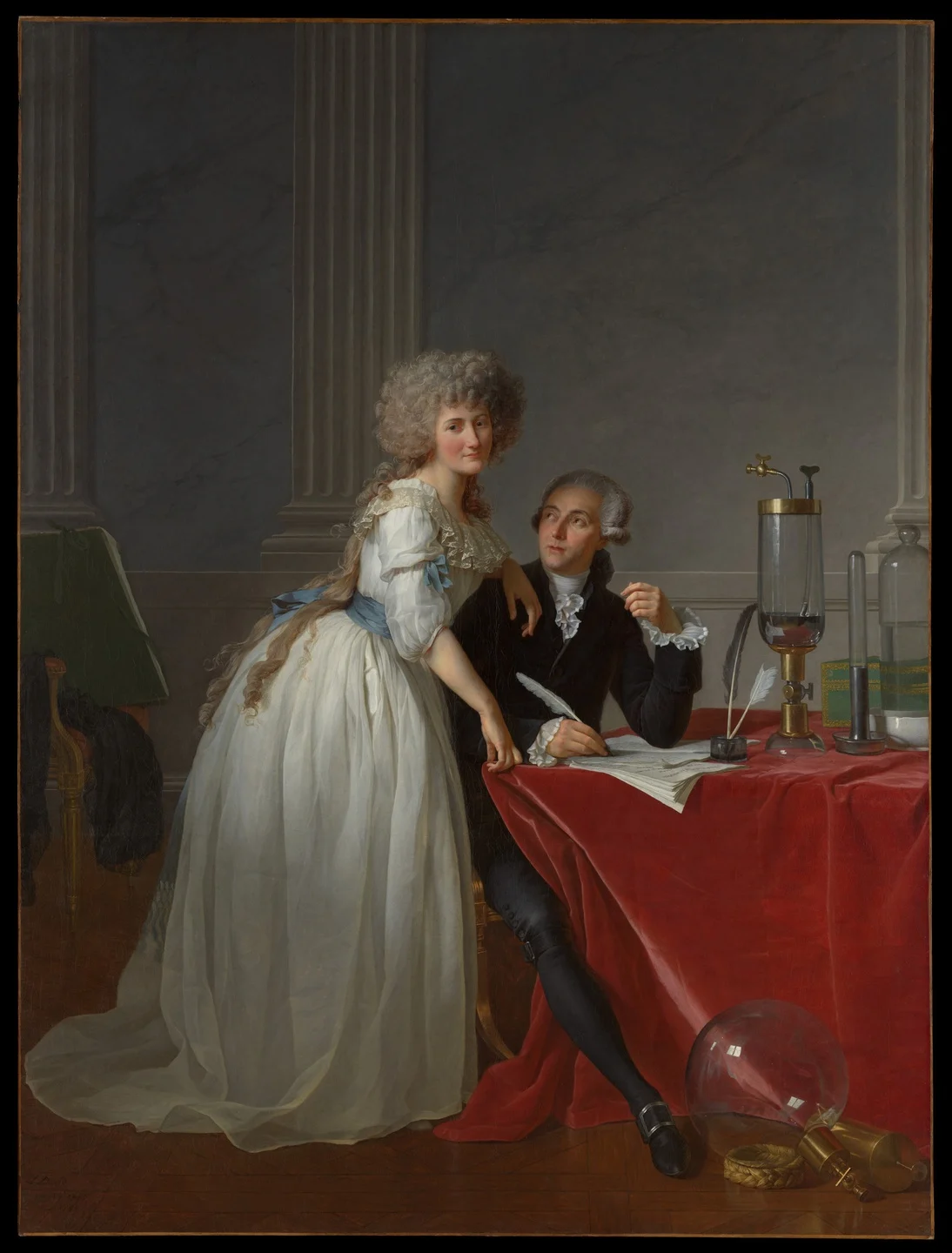
Antoine Laurent Lavoisier (1743–1794) and Marie Anne Lavoisier (Marie Anne Pierrette Paulze, 1758–1836)
1788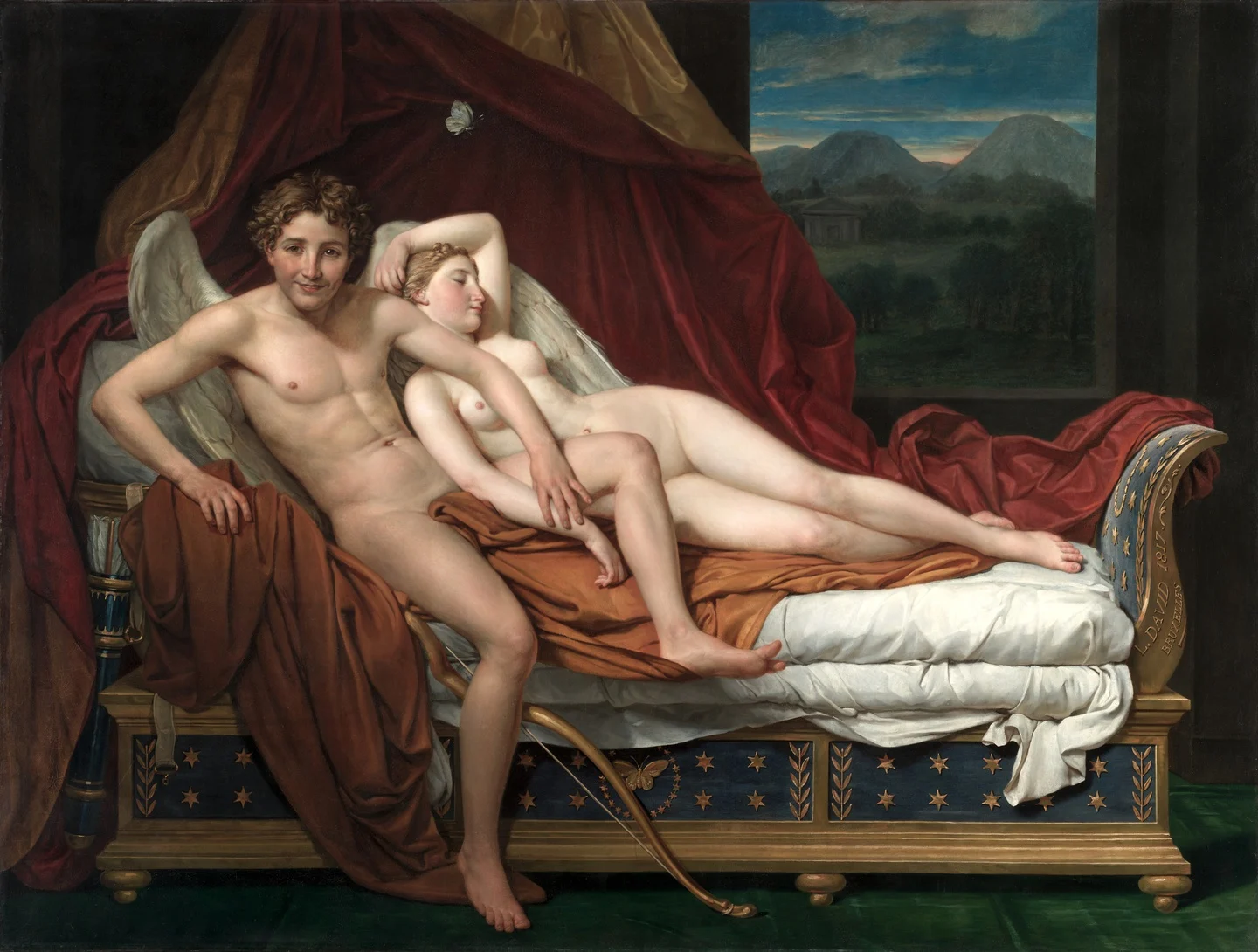 Jacques Louis David
Cupid and Psyche
1817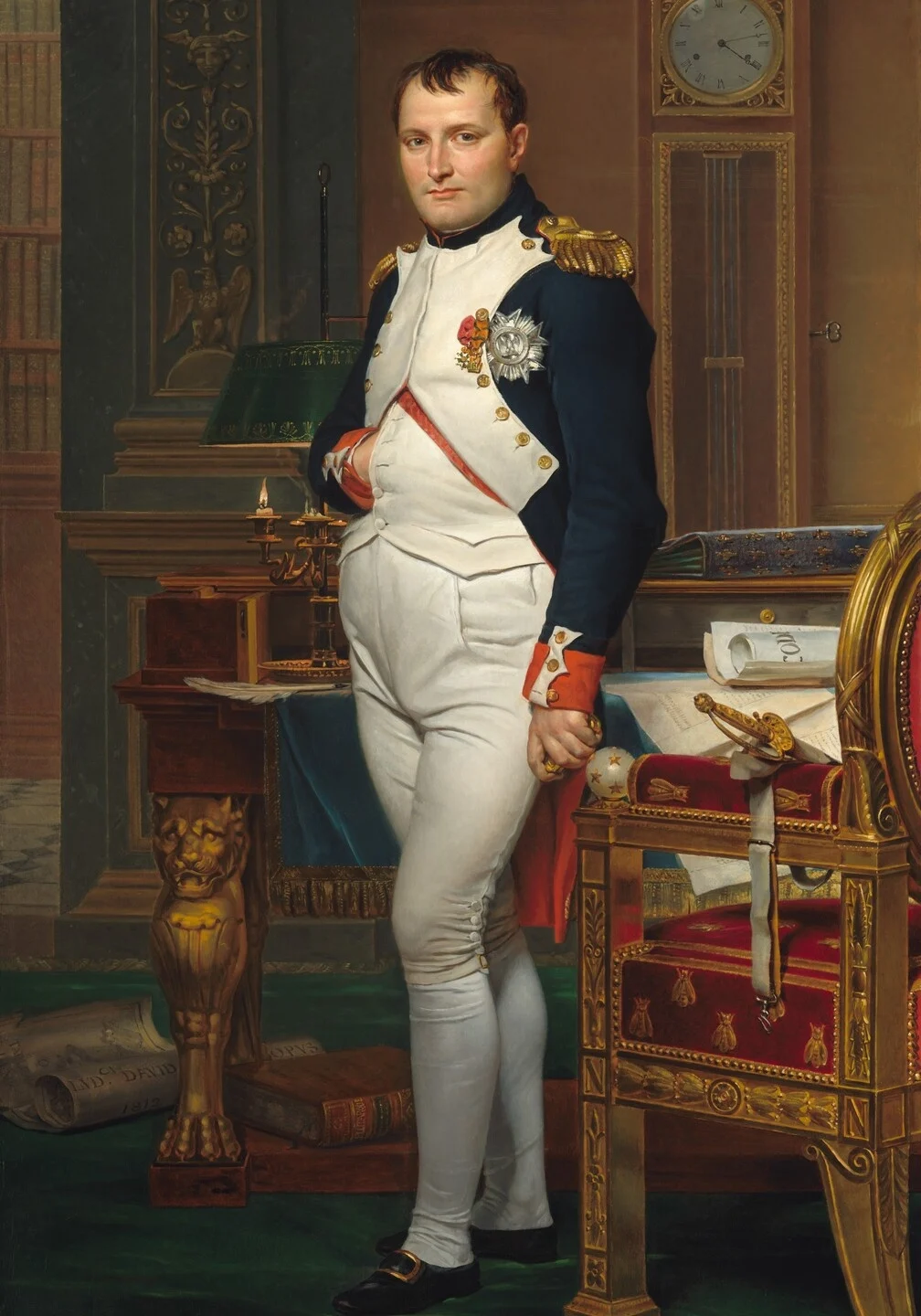 Jacques Louis David
The Emperor Napoleon in His Study at the Tuileries
1812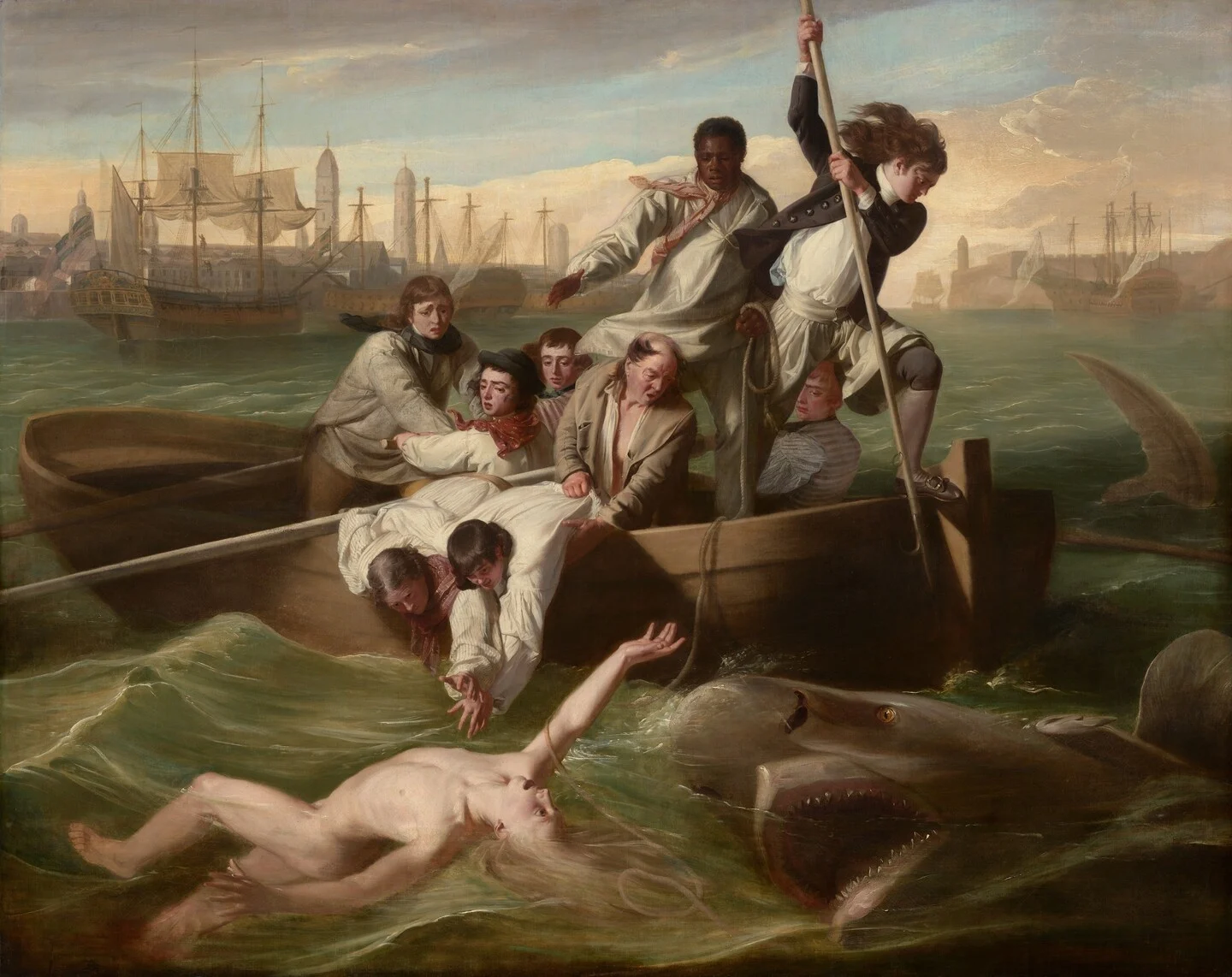 John Singleton Copley
Watson and the Shark
1778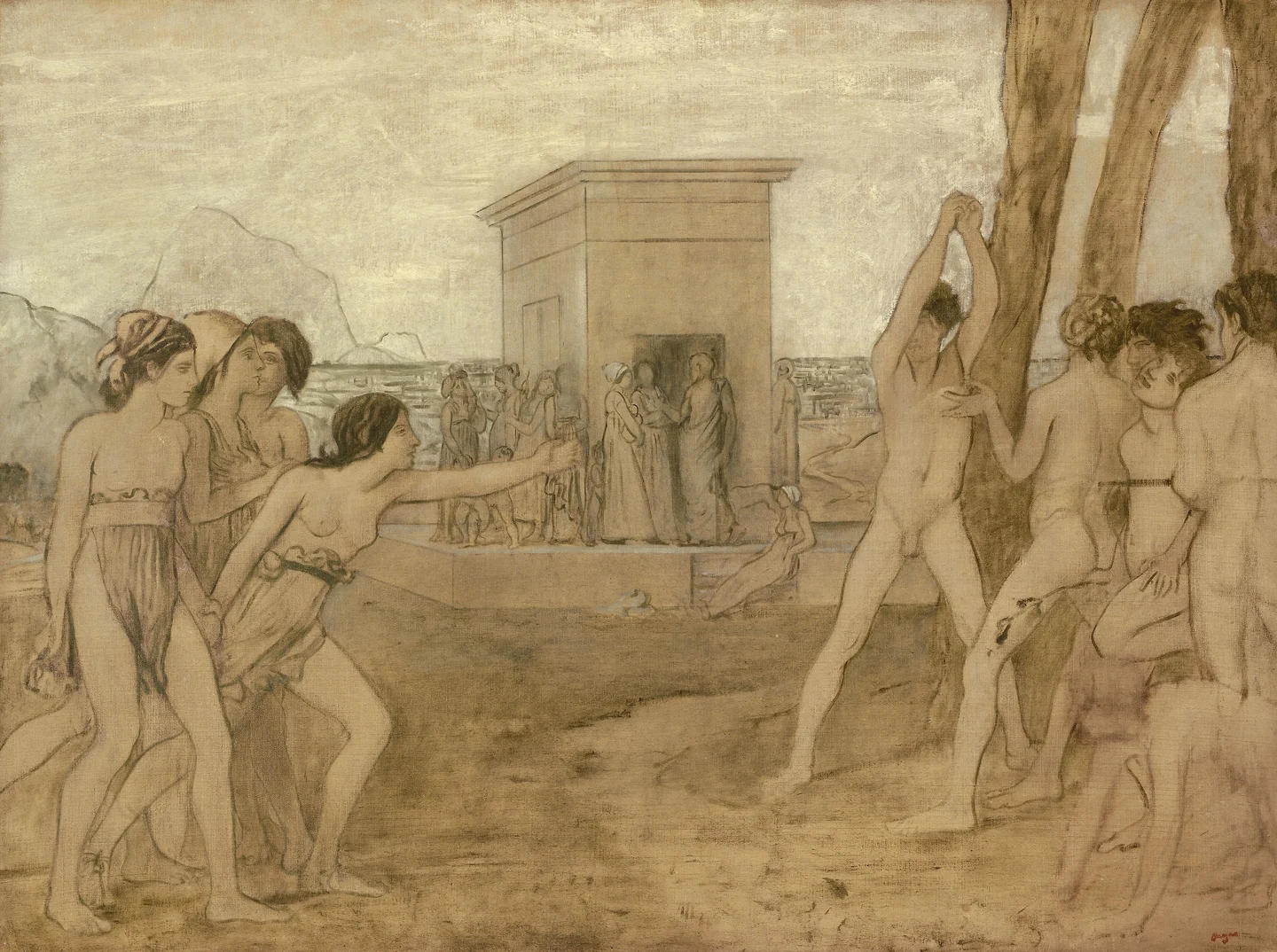 Hilaire Germain Edgar Degas
Young Spartan Girls Challenging Boys
c. 1860Period, style and subject
- Movement
- Neoclassicism
- Genre
- History painting
- Medium
- Oil on canvas
- Collection
- The Metropolitan Museum of Art
- Dimensions
- 129.5 × 196.2 cm
- Accession number
- 31.45
Sources
Image provided under CC0. Image licence