The Emperor Napoleon in His Study at the Tuileries
Jacques Louis David · 1812
Explore the painting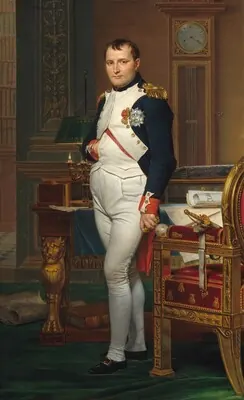
The painting’s story and details
The clock reads 4:13, a candle has nearly burned down, and papers remain on the desk. David presents Napoleon after a full night’s work. The portrait was painted in 1812 for the Scottish marquis of Douglas. This is no accidentally witnessed scene. The painter assembled office, clothes and writing materials into an account of a ruler devoting his time to affairs of state.
Napoleon looks directly at the viewer. Shadows appear under his eyes, his hair is disordered, and his face looks full. These details make him convincingly human. They also serve the political account. Fatigue becomes visible evidence of diligence, while his comparatively ordinary appearance brings the emperor close to someone who has just looked up from demanding work.
His right hand is tucked into the waistcoat. The pose long predates Napoleon and could convey restraint and dignity. David combines it with rumpled white clothing and an unbuttoned cuff. An ordered bearing survives the long night. The formal portrait accommodates signs of fatigue that strengthen the impression of self-command.
The clock’s precise time makes the invented moment feel almost documentary. The candle on the left confirms that work continued through the night. Yet the paper bearing the beginning of “Code” refers to legislation that entered into force in 1804. David combines different years within a convincing room.
A sword lies on the red chair beside papers. The portrait brings together Napoleon’s roles as legislator and military leader. Gilding and patterned upholstery retain the richness of an imperial setting. Every object directs attention towards the ruler’s activity even while he stands still.
Beneath the desk lies a volume of Plutarch, author of biographies of famous Greeks and Romans. The book places Napoleon alongside figures from classical history. The desk’s lion support, gilded details and full-length figure lend the office grandeur. The working setting retains the language of formal portraiture, in which a household object can help establish a person’s historical stature.
The Civil Code did unify French law, but its equality had limits. Women were subordinated to fathers and husbands. That fact complicates the image of night-time labour for everyone’s benefit. David provides measurable signs of effort—clock, candle and papers—while the question of whom the result served extends beyond the office. The portrait persuasively establishes the ruler’s activity, leaving us to assess his decisions.
Featured in tours
Portraits. How people presented themselves
Rulers, merchants, artists and private patrons before a viewer.
History in painting. Events and memory
Who painted war, revolution and state power, and how long after the event.
More paintings to compare
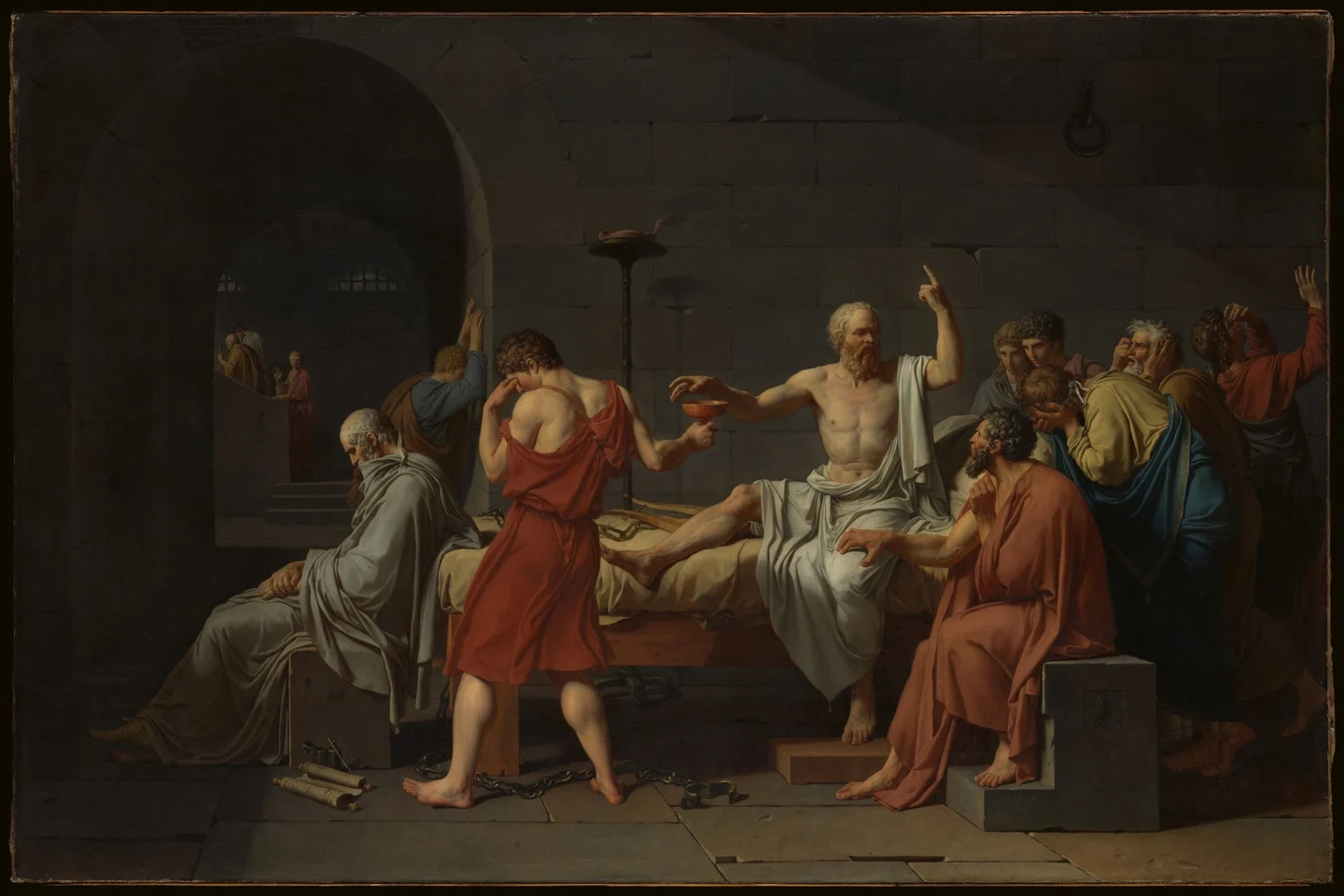 Jacques Louis David
The Death of Socrates
1787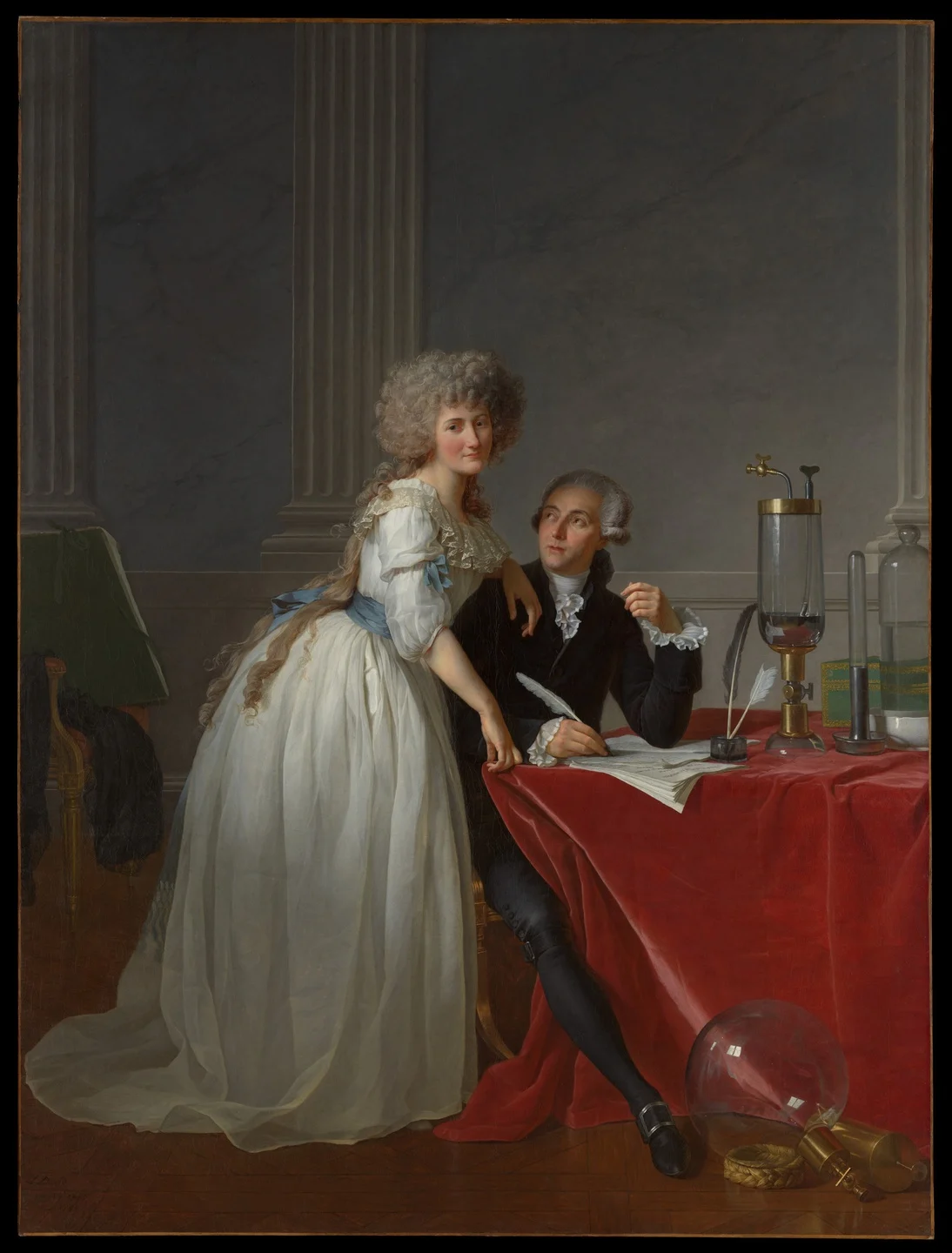 Jacques Louis David
Antoine Laurent Lavoisier (1743–1794) and Marie Anne Lavoisier (Marie Anne Pierrette Paulze, 1758–1836)
1788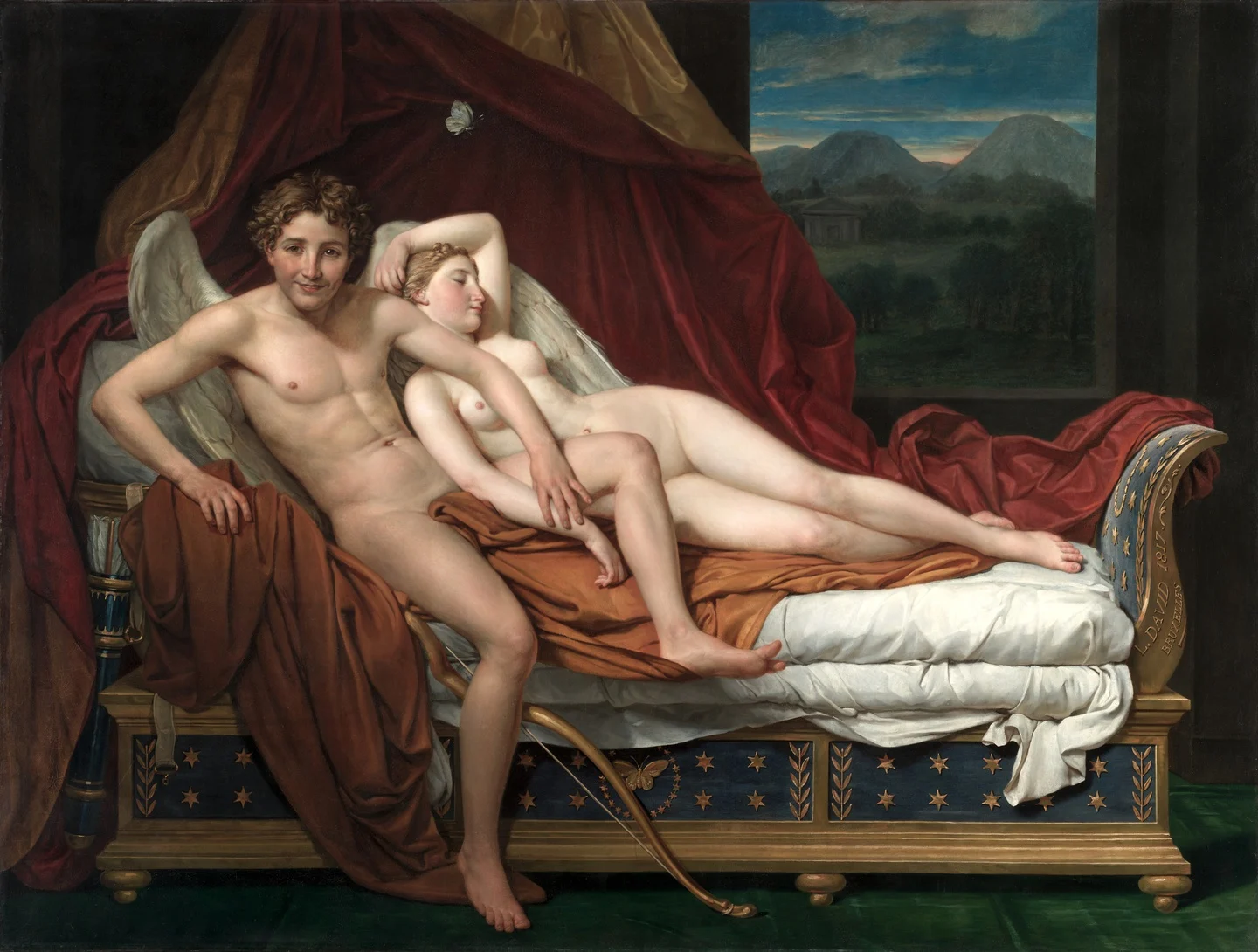 Jacques Louis David
Cupid and Psyche
1817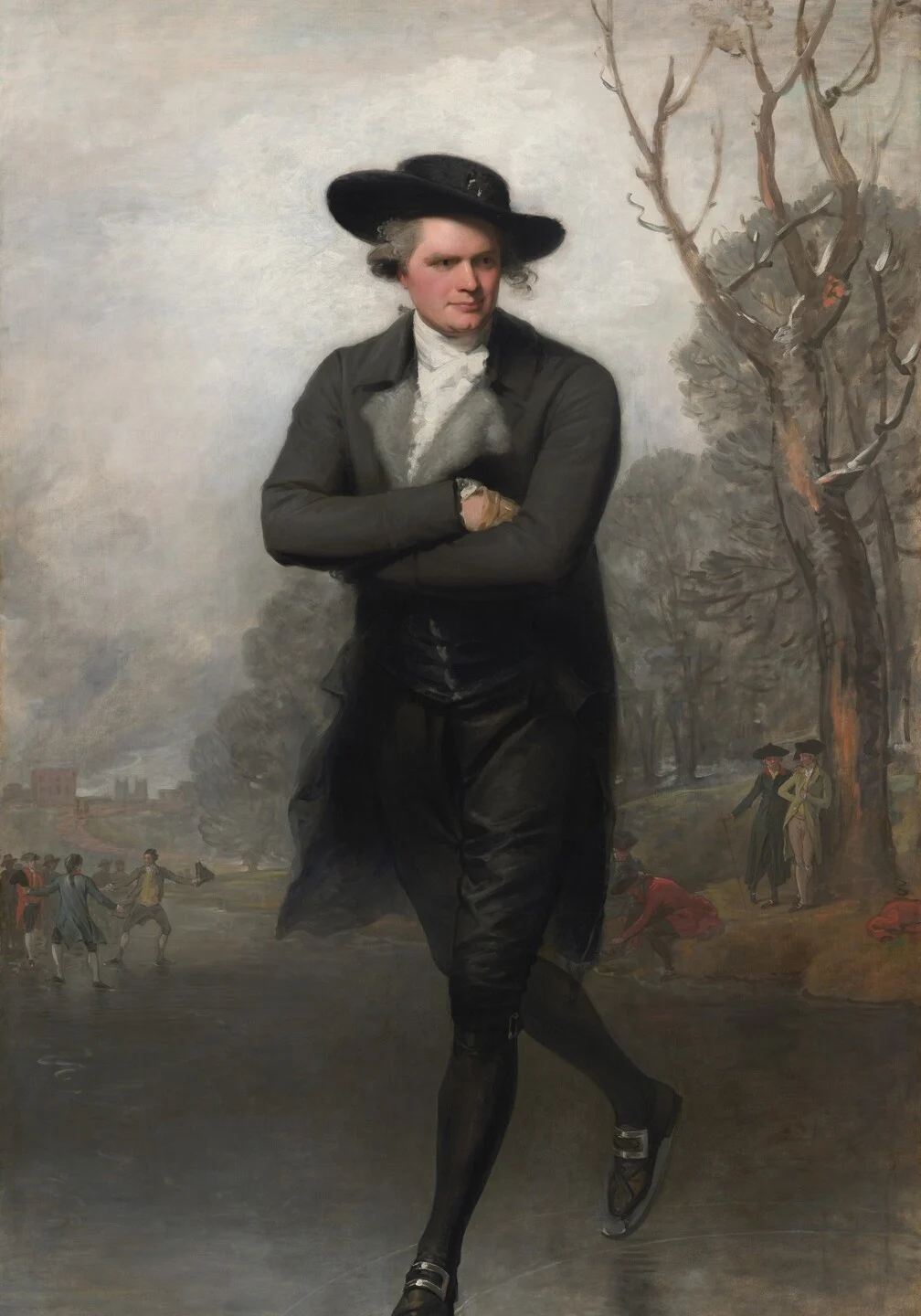 Gilbert Stuart
The Skater (Portrait of William Grant)
1782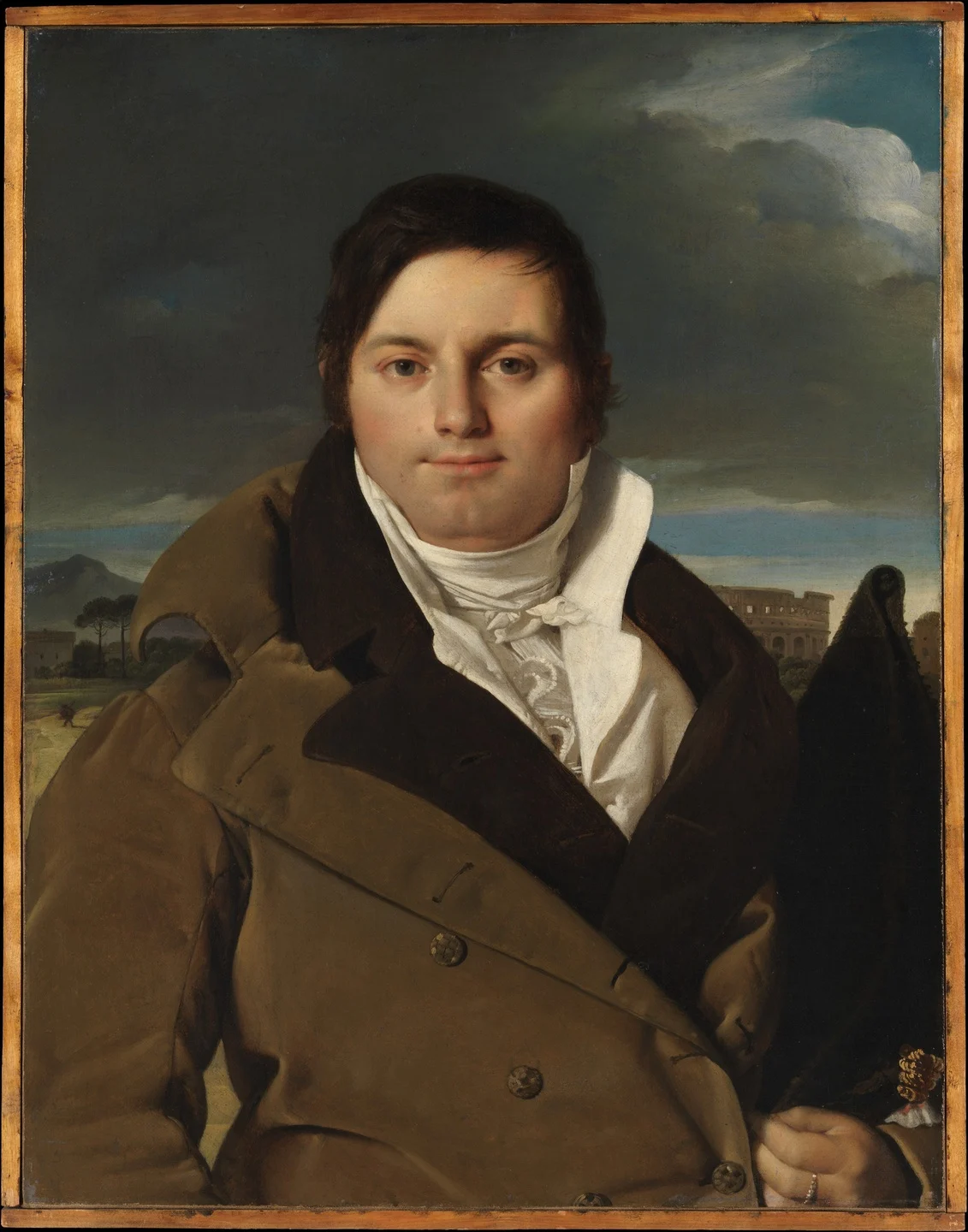 Jean Auguste Dominique Ingres
Joseph-Antoine Moltedo (born 1775)
ca. 1810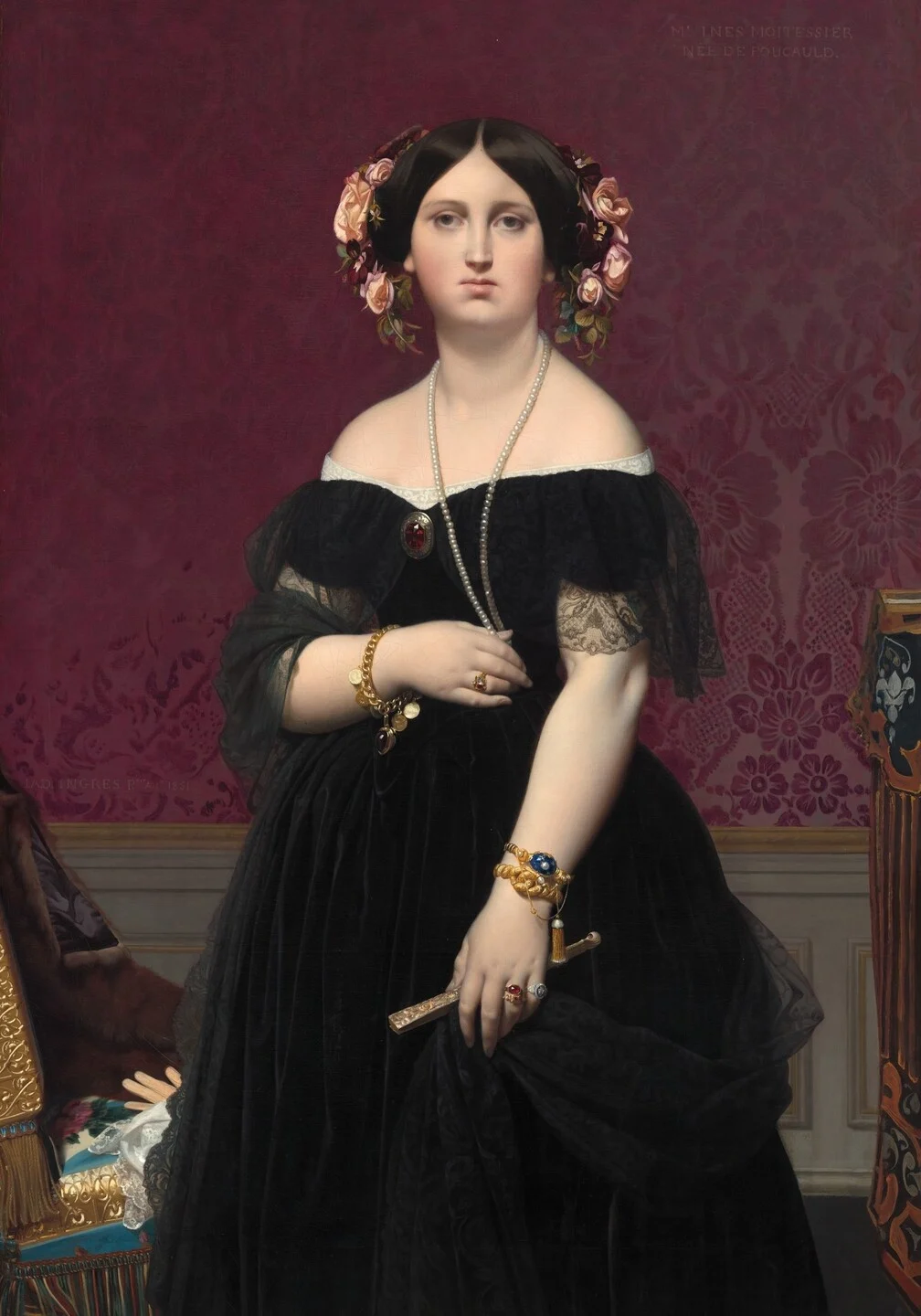 Jean Auguste Dominique Ingres
Madame Moitessier
1851Period, style and subject
- Movement
- Neoclassicism
- Genre
- Portrait
- Medium
- oil on canvas
- Collection
- National Gallery of Art, Washington
- Dimensions
- Overall, 203.9 × 125.1 cm
- Accession number
- 1961.9.15
Sources
Reproduction of a public-domain artwork. Image licence