The Skater (Portrait of William Grant)
Gilbert Stuart · 1782
Explore the painting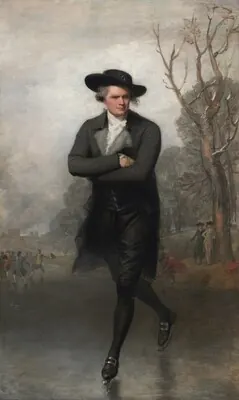
The painting’s story and details
William Grant glides across the ice in an elegant black suit. For London audiences in 1782, this was an unusual society portrait. The full-length figure retained an imposing scale while pursuing a contemporary pastime. The young American Gilbert Stuart was still working for Benjamin West. The painting’s success at the Royal Academy helped him establish his own studio and attract commissions independently.
His head turns sideways, and the hat’s brim stands clearly against the pale sky. Grant seems to keep looking around as he moves. His pinkish face is one of the few warm passages among grey, black and white. The large dark costume therefore does not overwhelm the person. Living colour holds our attention on the face even in a portrait whose most unusual feature is the legs.
His arms are crossed over his chest. Beginners generally spread them for balance, making this contained pose look assured. It follows an eighteenth-century manner of skating. Broad fur lapels, a white neckcloth and a glove make the costume distinct. The society gentleman displays bodily control with the same apparent ease he might show in a drawing room.
Blades are strapped to ordinary shoes, leaving a thin curve on the ice. That trace turns the arrangement of the legs into movement we can mentally continue. The museum connects the pose with the Apollo Belvedere, a cast of which stood in West’s studio. A classical model proved useful for a new subject: a graceful figure on a contemporary skating ground.
Bare branches on the right rise almost the full height of the figure. Other visitors stand or crouch near the bank, making the winter outing familiar and ordinary. Against them, Grant is singled out through light, size and open space. The picture retains the conventions of a grand portrait even while its subject seems to have happened to glide past us.
On the left, several skaters extend their hands to one another. The museum identifies their movement as the popular “Serpentine Greeting.” The Serpentine in Hyde Park was considered a more refined skating venue than some places open to all classes. These distant figures therefore also describe Grant’s social setting. Even winter recreation in London had conventions, reputations and ways of displaying social belonging.
Stuart later said that Grant preferred skating to sitting for his portrait, and that they went onto the ice together. The accuracy of this vivid story is uncertain. The painting itself shows a carefully calculated result. Observation of a pastime, a classical pose and a young portraitist’s ambitions came together. Grant’s apparent ease became persuasive evidence of the painter’s skill.
More paintings to compare
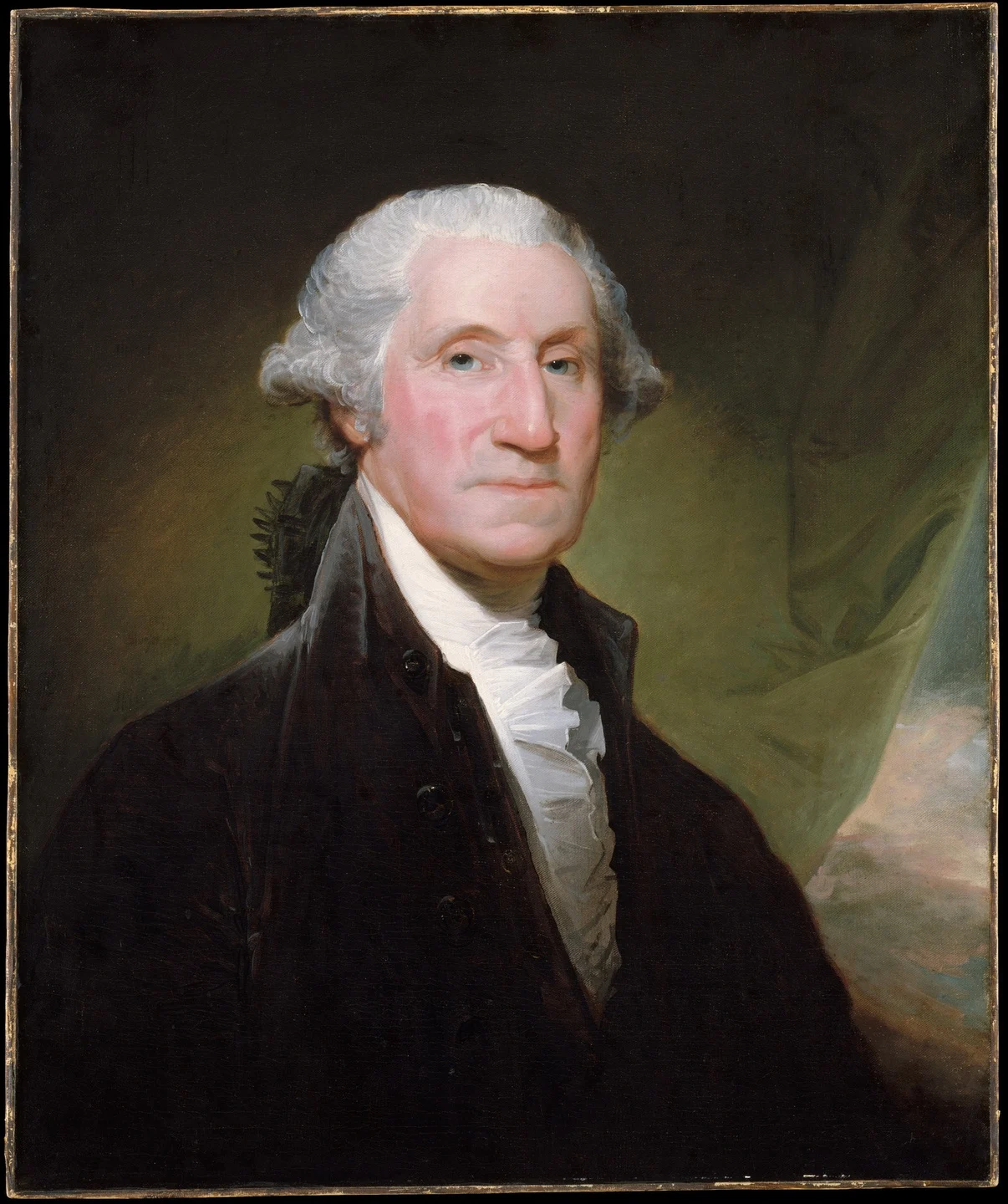 Gilbert Stuart
George Washington
begun 1795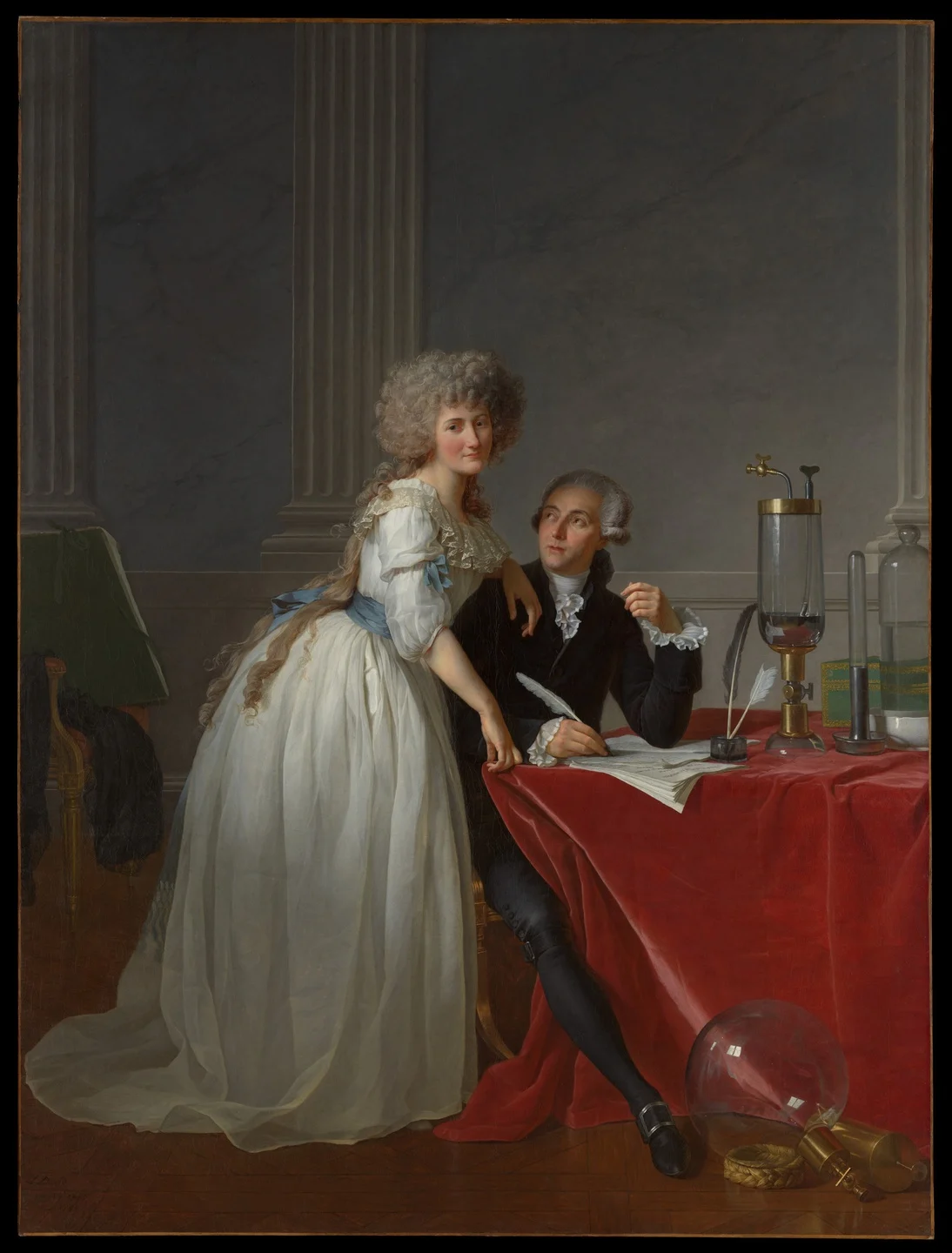 Jacques Louis David
Antoine Laurent Lavoisier (1743–1794) and Marie Anne Lavoisier (Marie Anne Pierrette Paulze, 1758–1836)
1788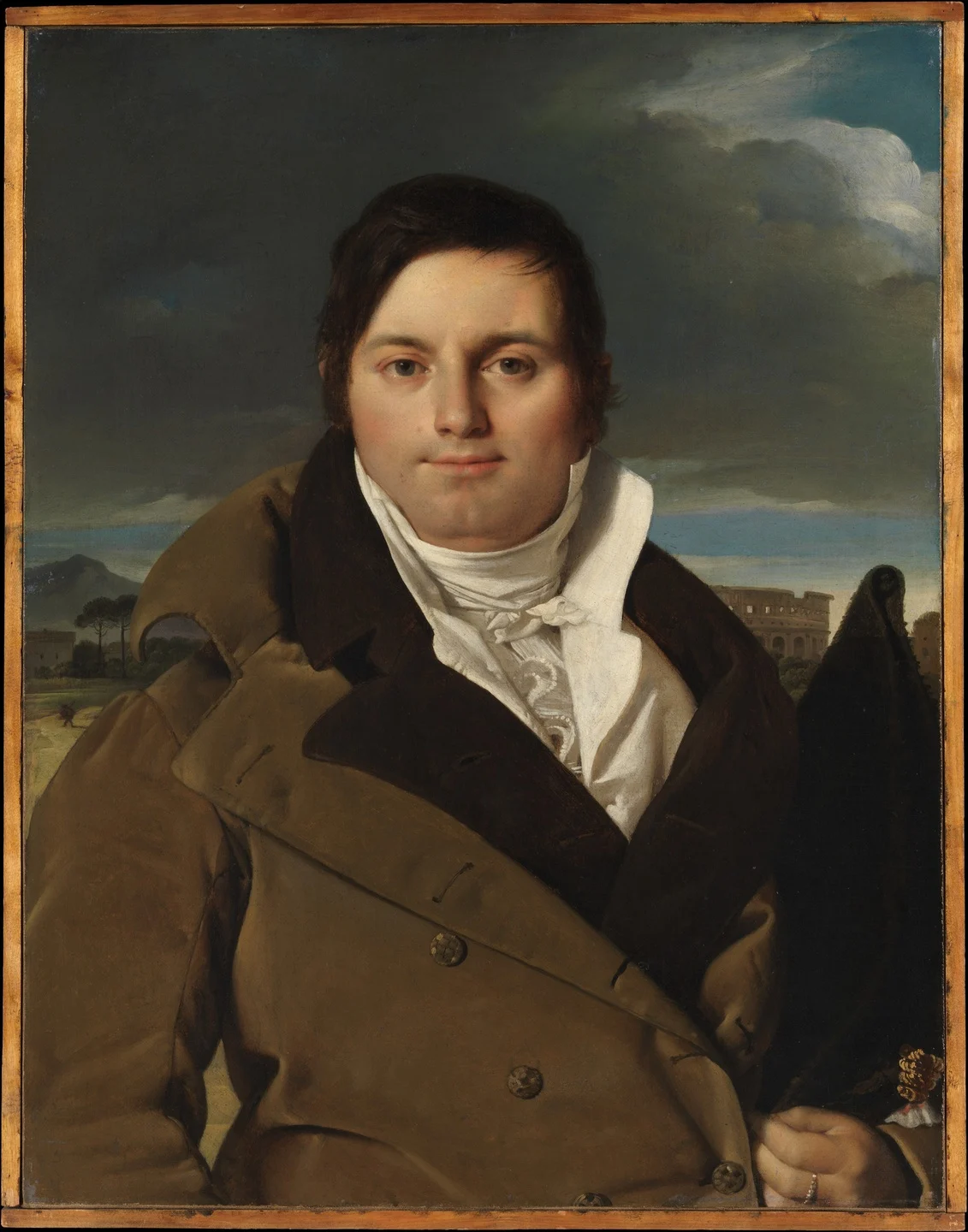 Jean Auguste Dominique Ingres
Joseph-Antoine Moltedo (born 1775)
ca. 1810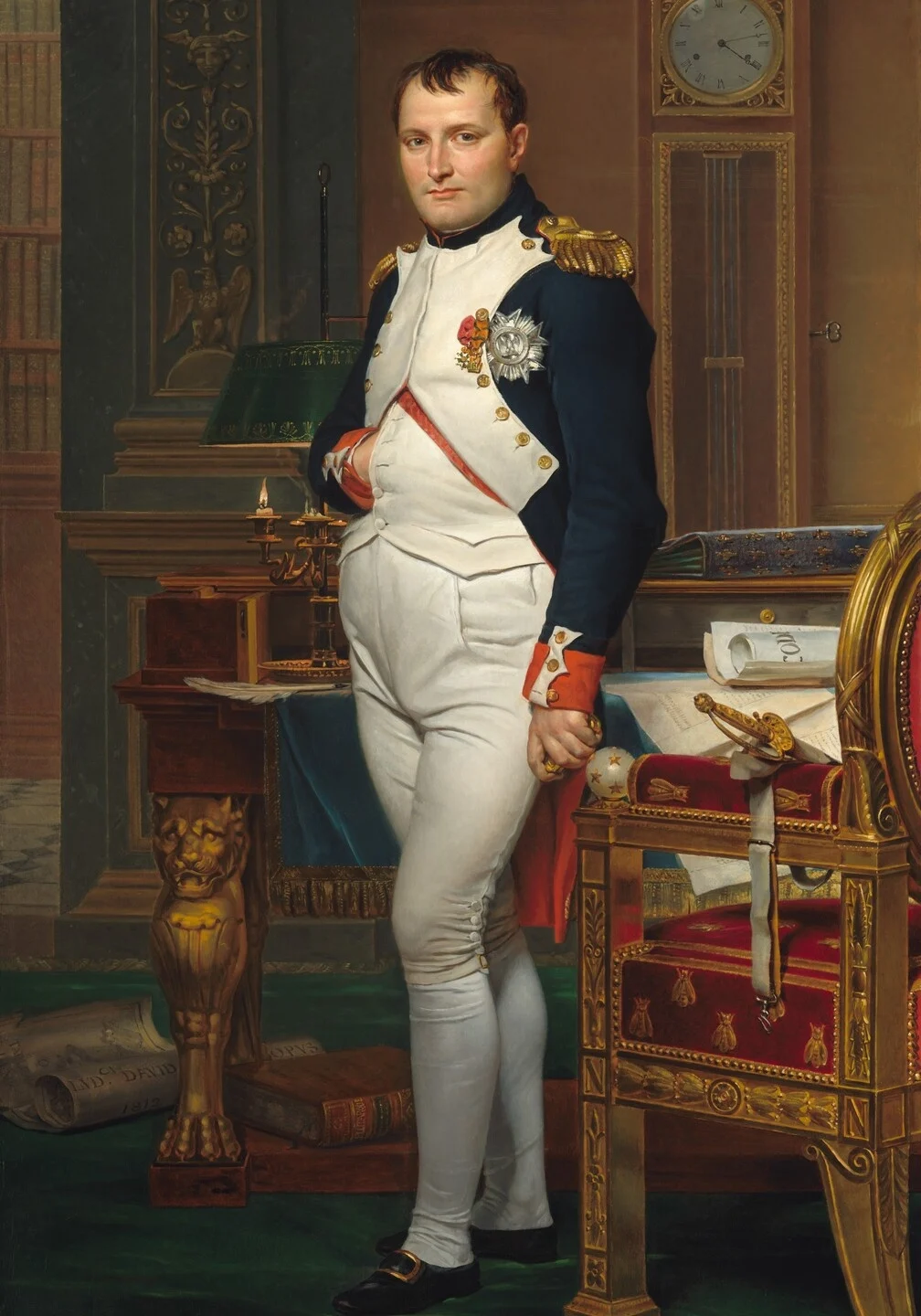 Jacques Louis David
The Emperor Napoleon in His Study at the Tuileries
1812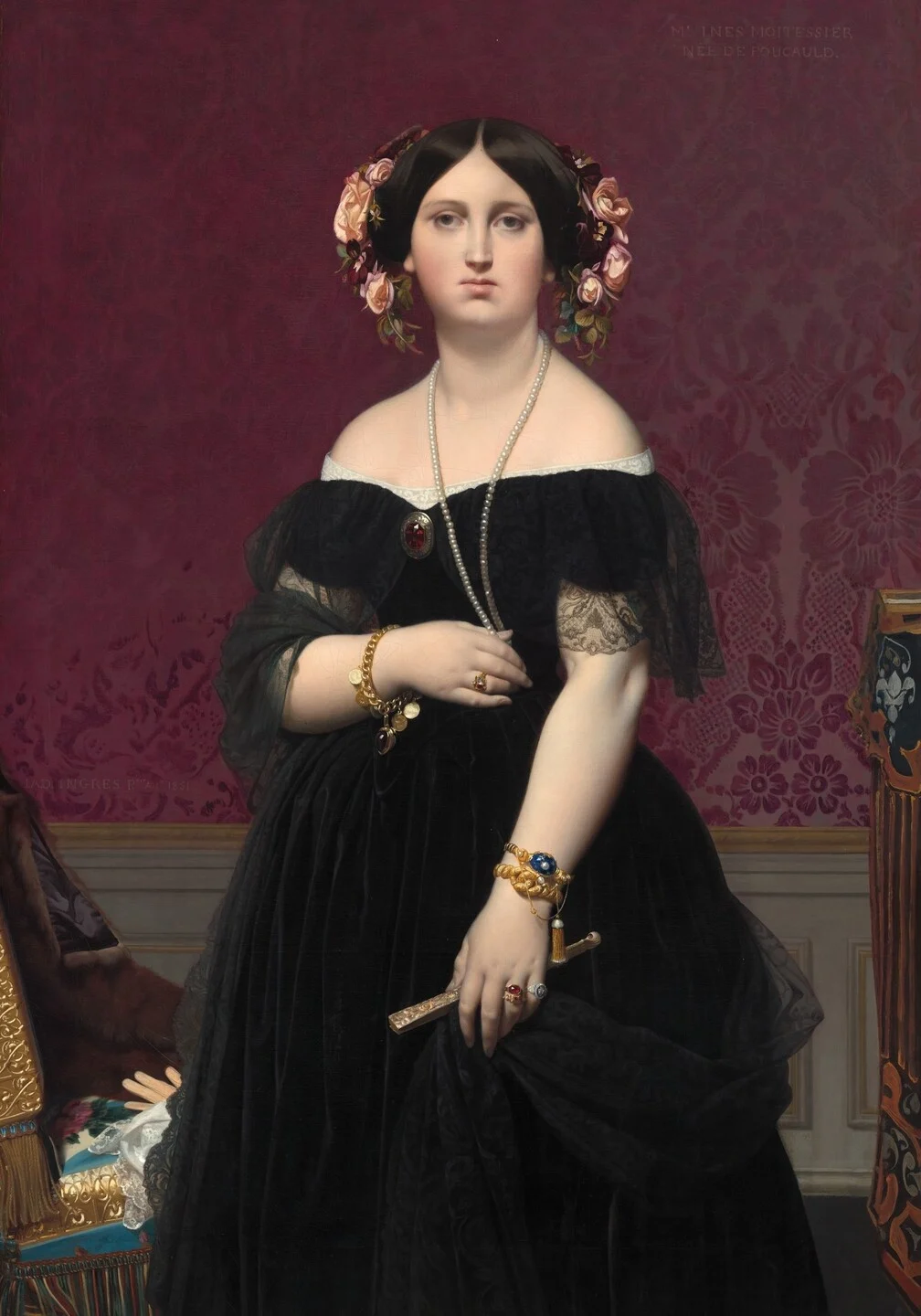 Jean Auguste Dominique Ingres
Madame Moitessier
1851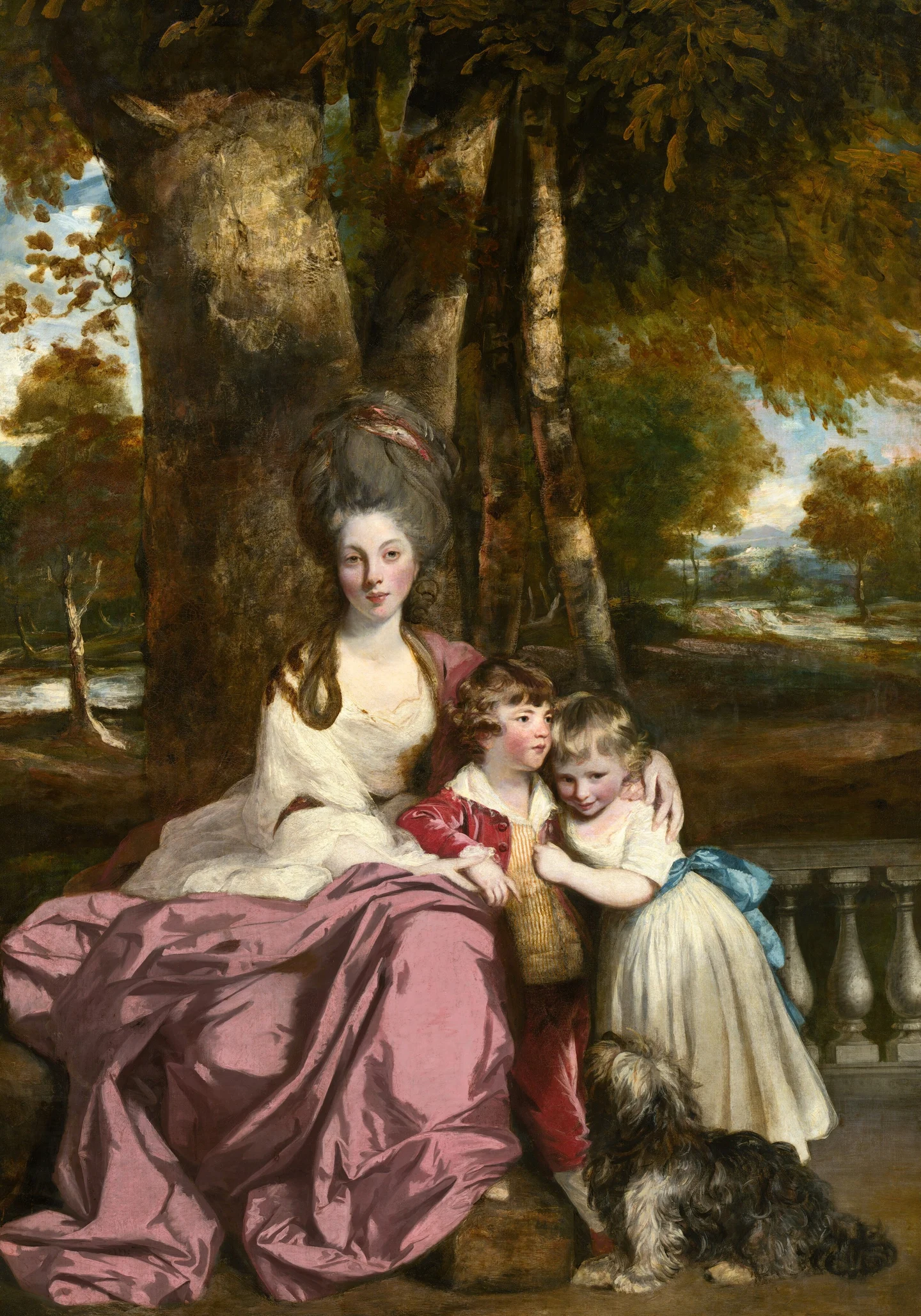 Joshua Reynolds
Lady Elizabeth Delmé and Her Children
1777-1779Period, style and subject
- Movement
- Neoclassicism
- Genre
- Portrait
- Medium
- oil on canvas
- Collection
- National Gallery of Art, Washington
- Dimensions
- Overall, 245.5 × 147.4 cm
- Accession number
- 1950.18.1
Sources
Reproduction of a public-domain artwork. Image licence