Paintings · 2
Browse paintings by title and artist. Explore reproductions in detail, read the stories behind the artworks and open a free audio guide.
Open the gallery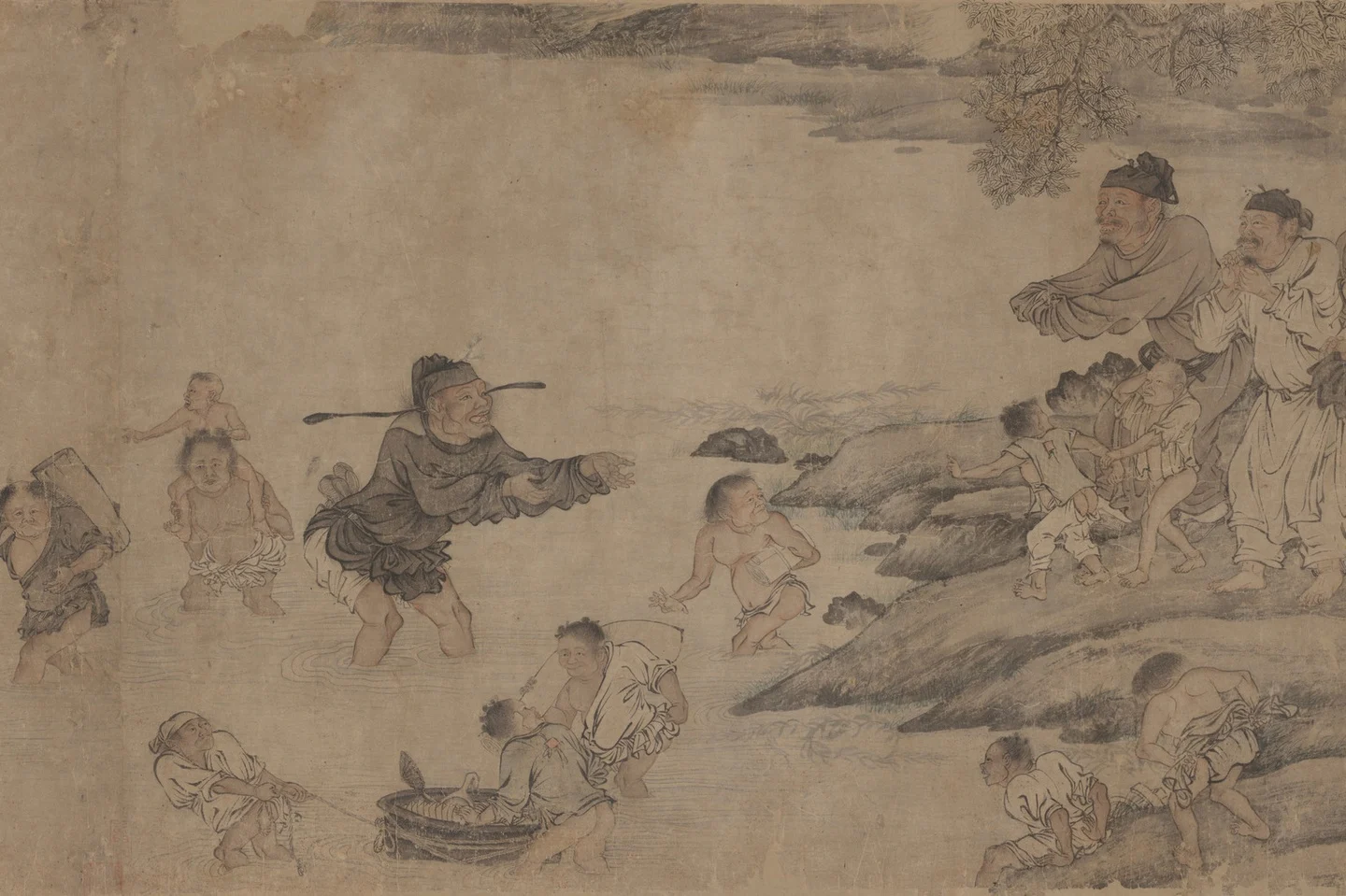 Unidentified Chinese painters
Yang Pu Moving His Family
Yuan dynasty (1279–1368) 元朝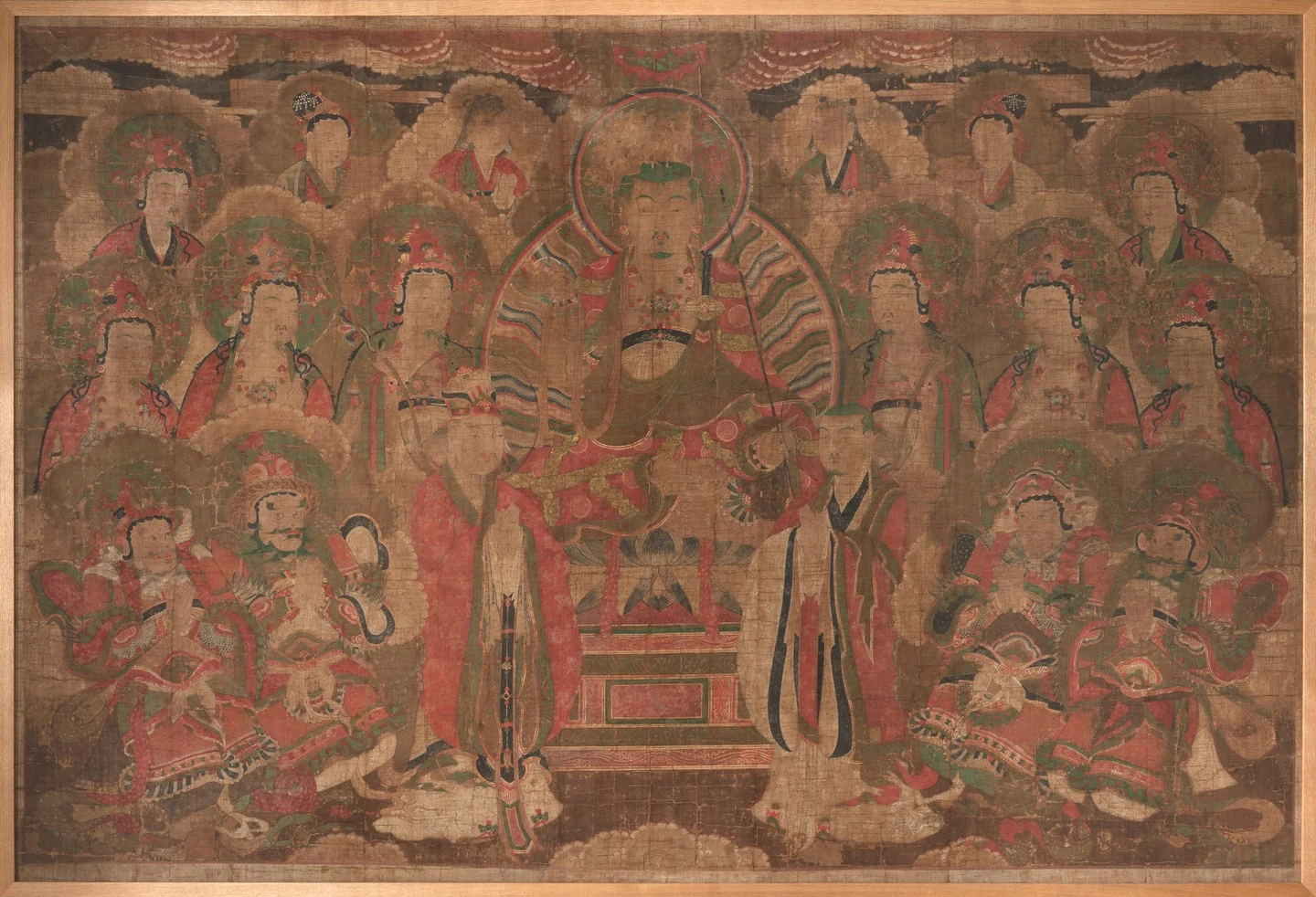 Unidentified Korean painters
Ksitigarbha Bodhisattva with Assembly
late 16th/early 17th century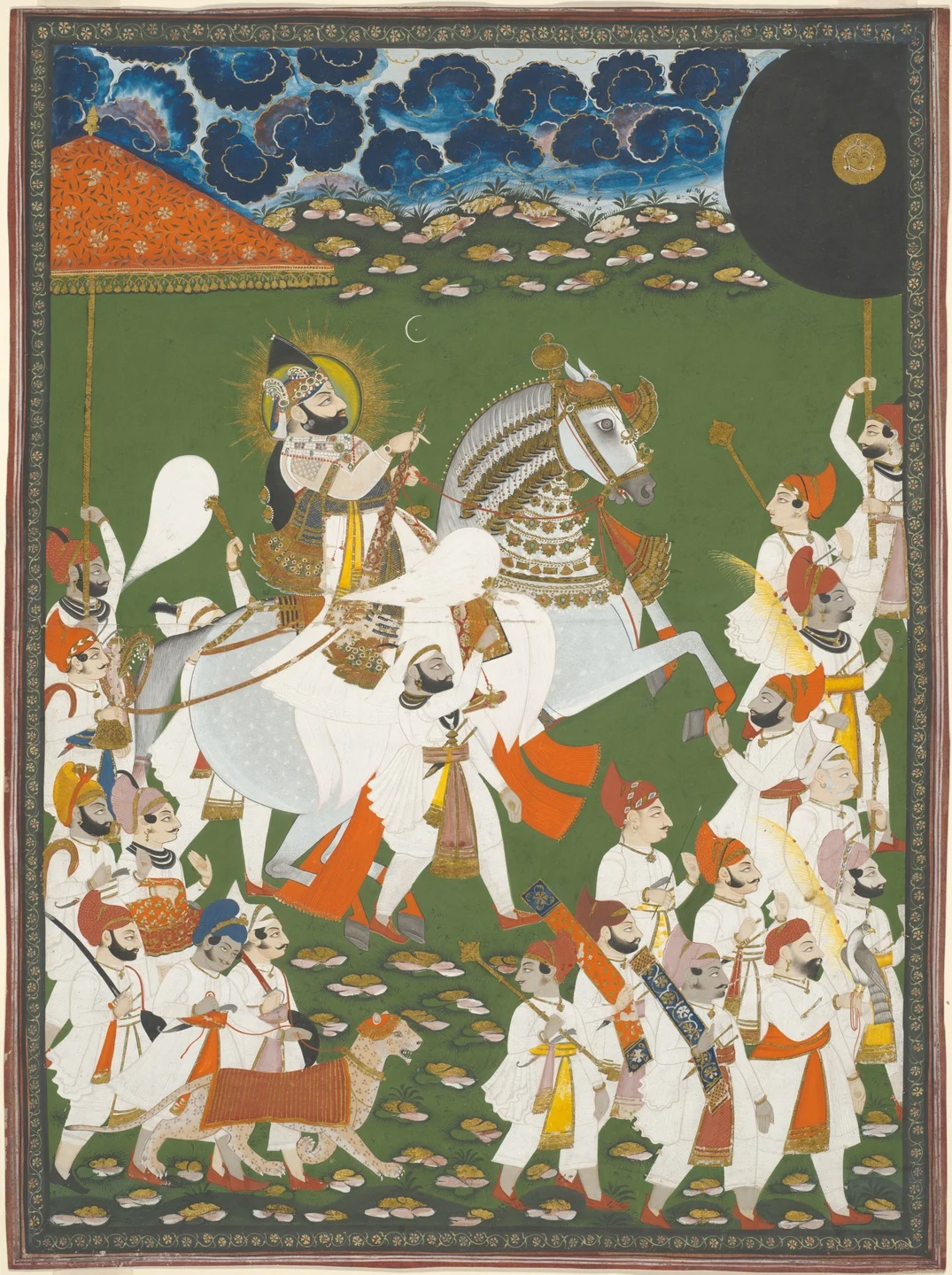 Attributed to Ghasi
Maharana Bhim Singh in Procession
c. 1820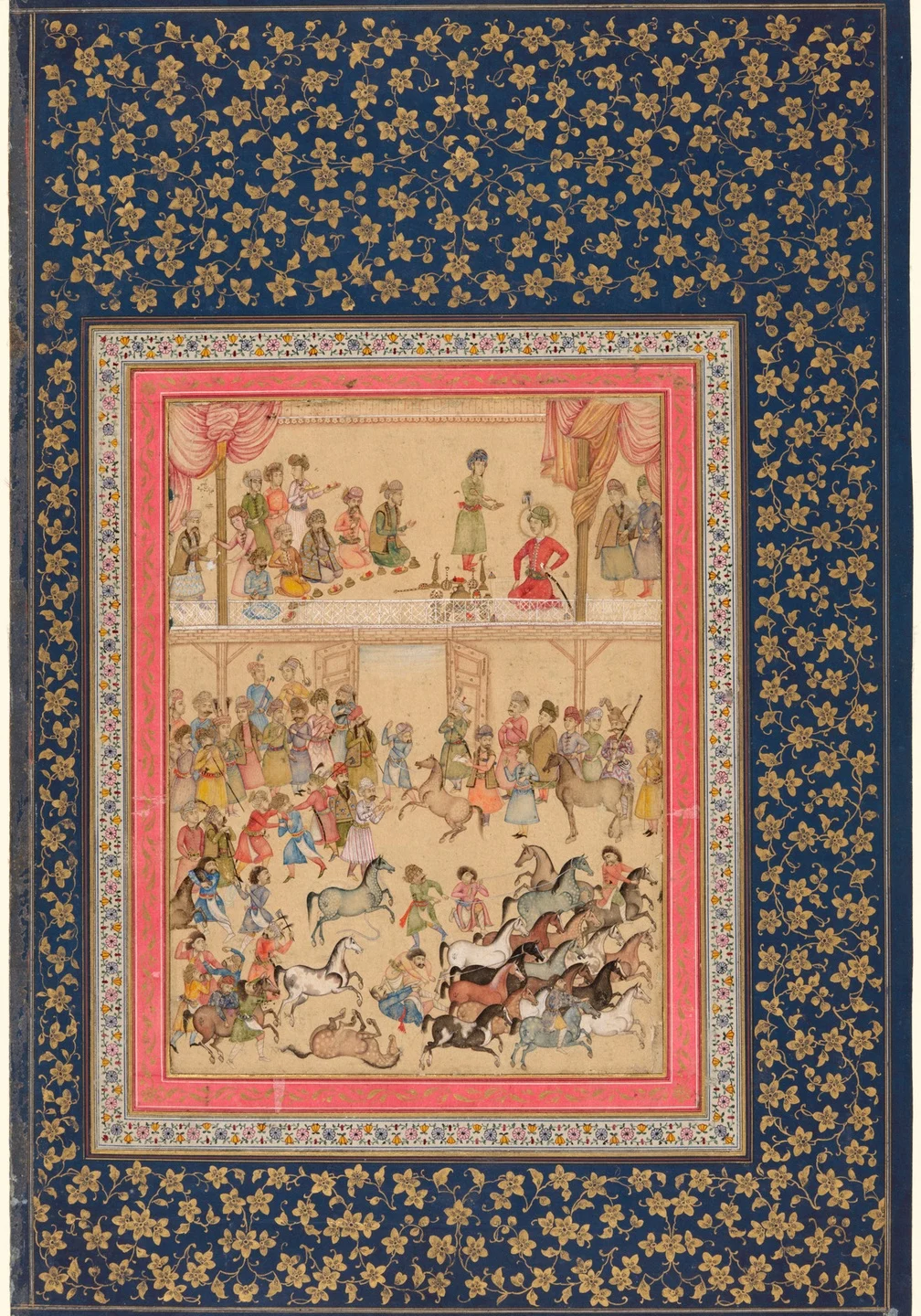 Ali Quli Jabbadar
Royal Horse Inspection
Safavid dynasty (1501–1722), late 17th century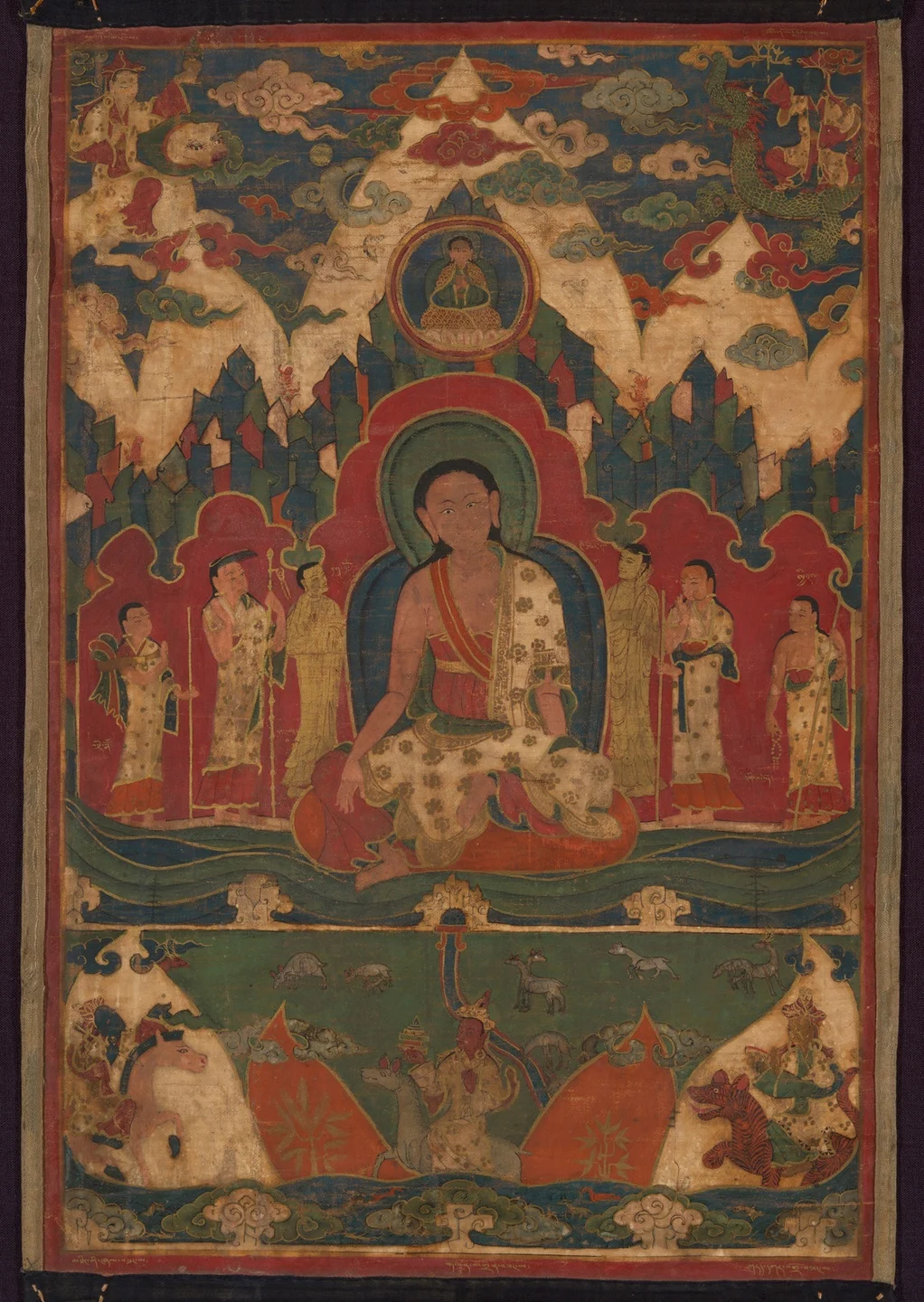 Unidentified Tibetan painters
Milarepa on Mount Kailash
c. 1500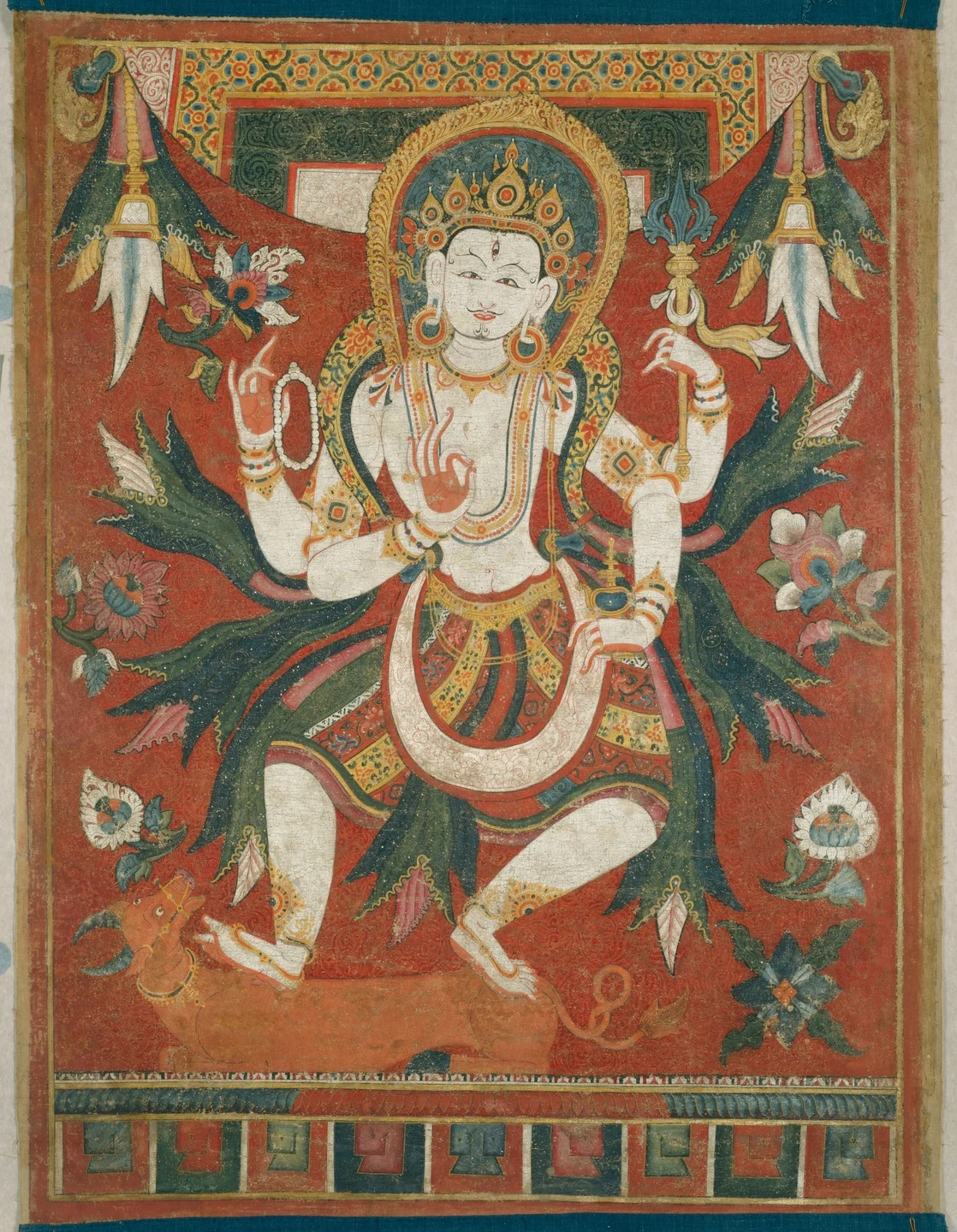 Unidentified Nepali painters
Double-Sided Painted Banner (Paubha) with God Shiva
16th-17th century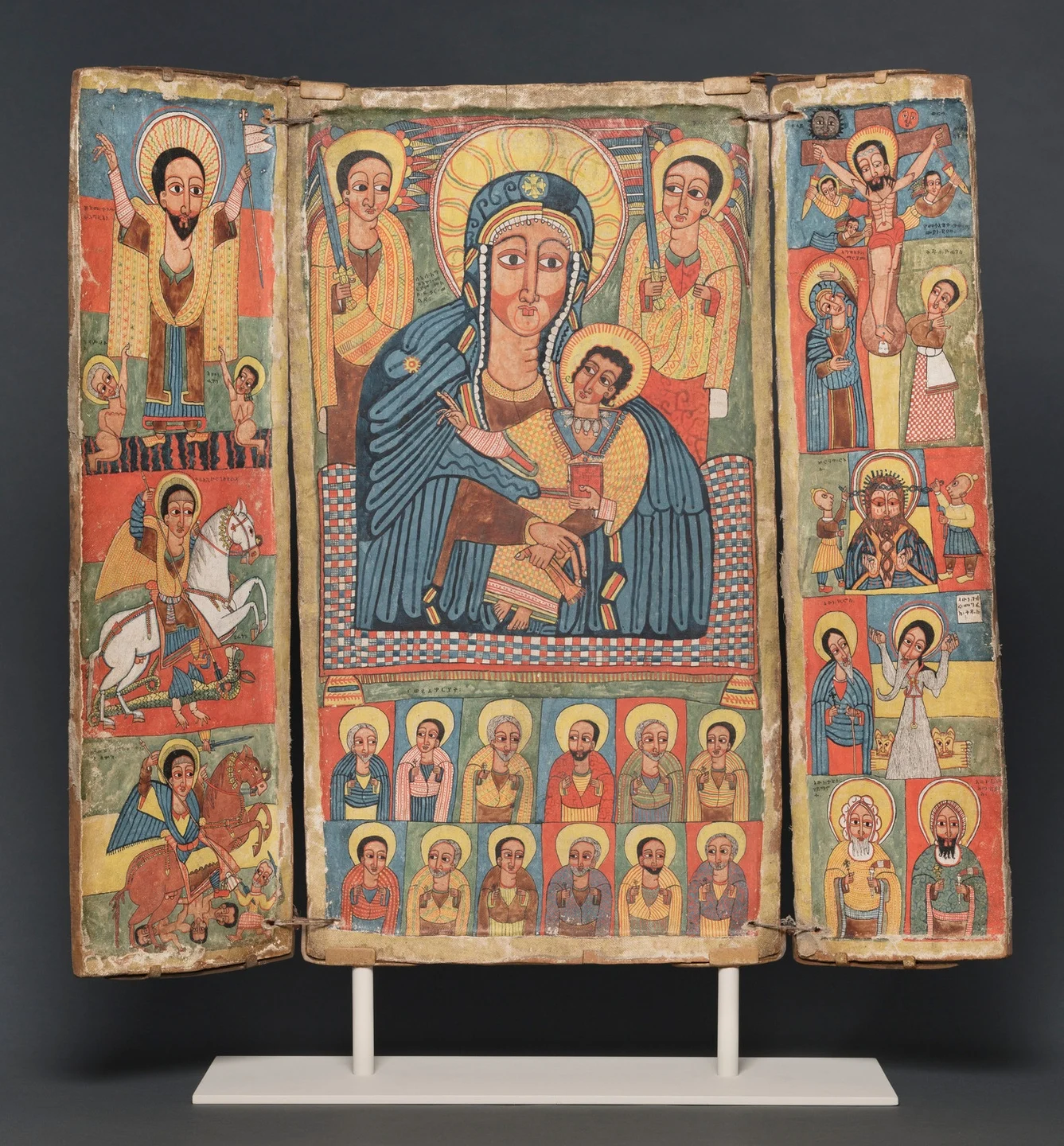 Unidentified Ethiopian painter
Triptych
Late 17th century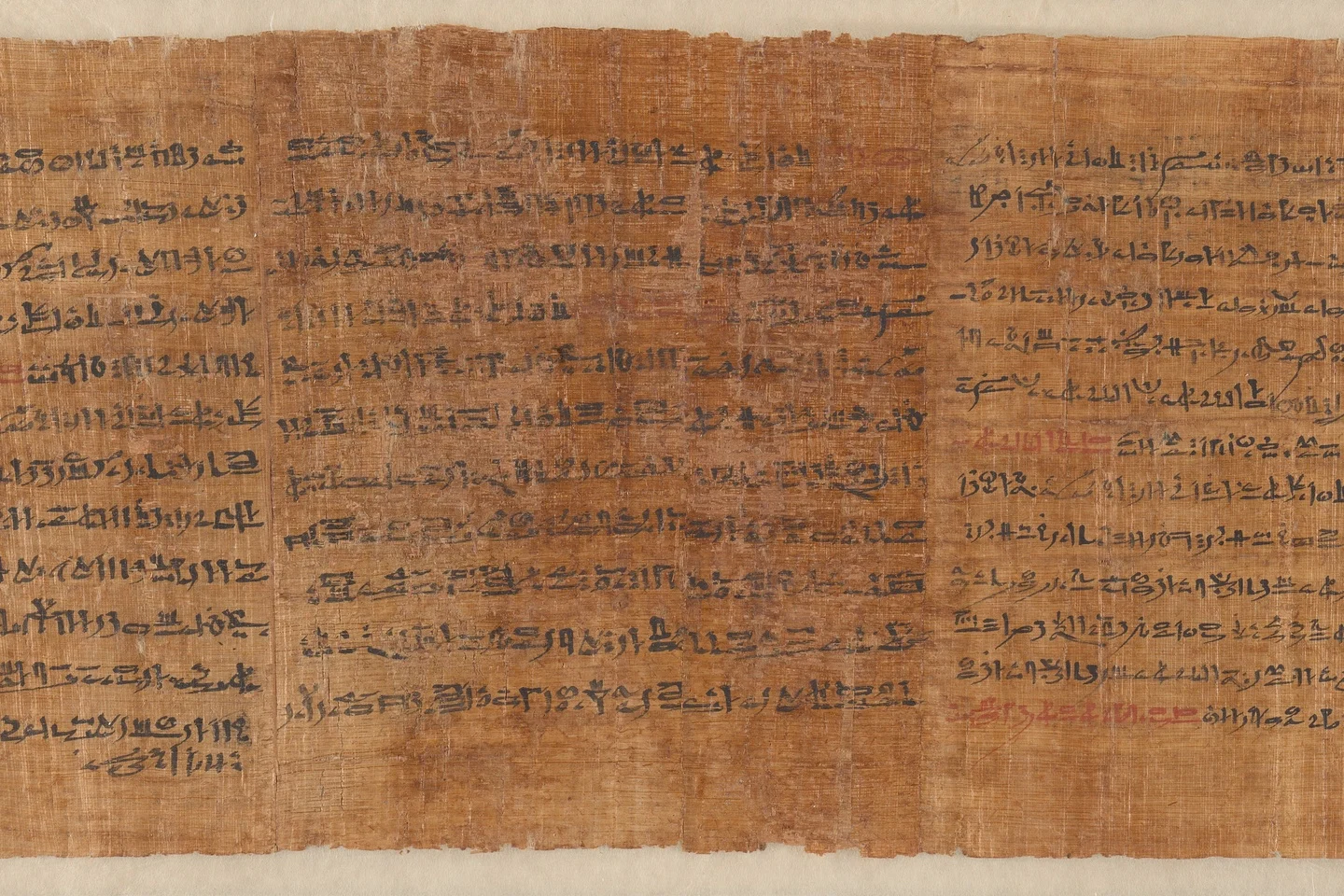 Unidentified Egyptian painters
Funerary Papyrus of Tayuhenutmut
Third Intermediate Period, probably Dynasty 21 (about 1069-945 BCE)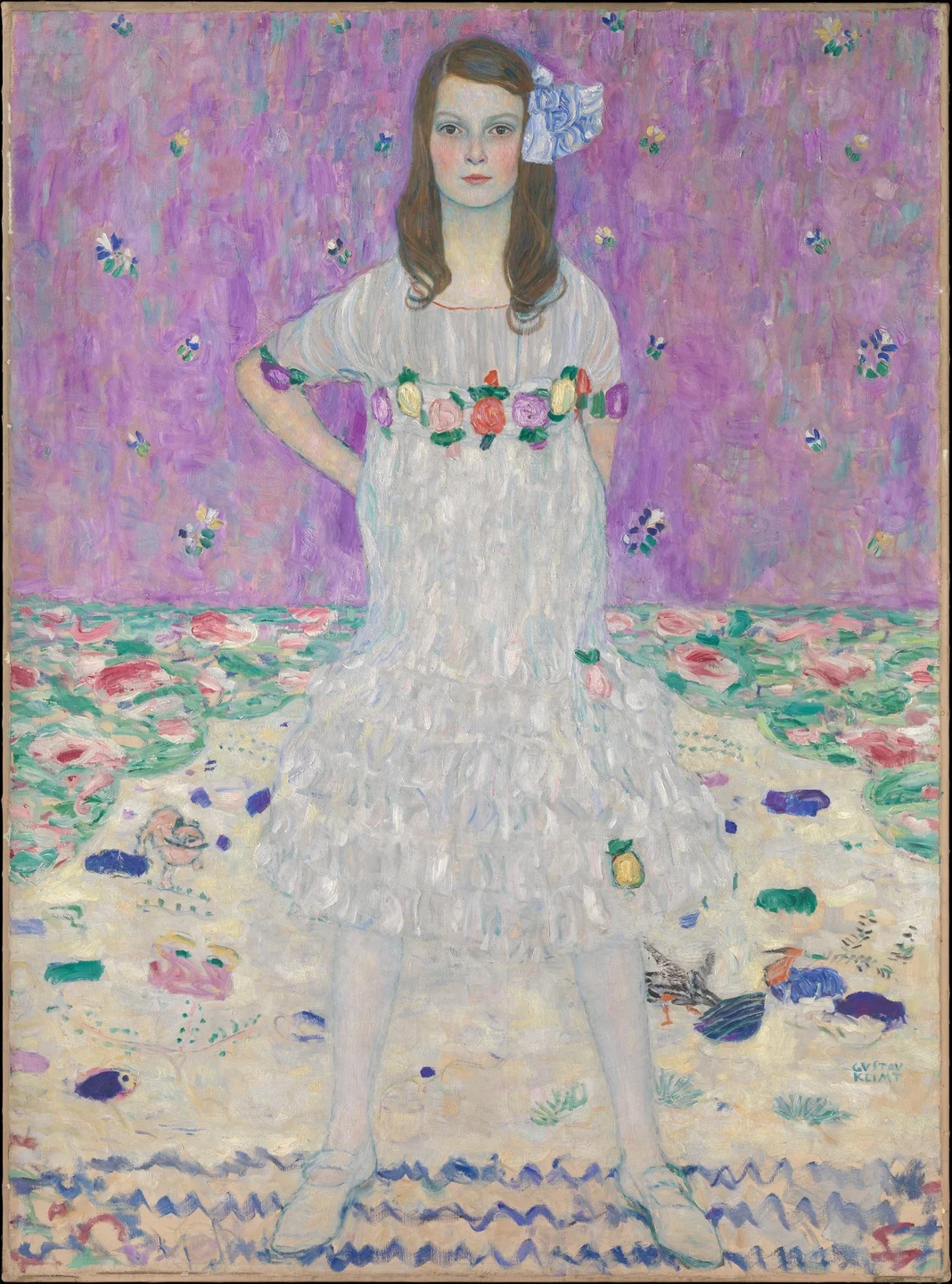 Gustav Klimt
Mäda Primavesi (1903–2000)
1912–13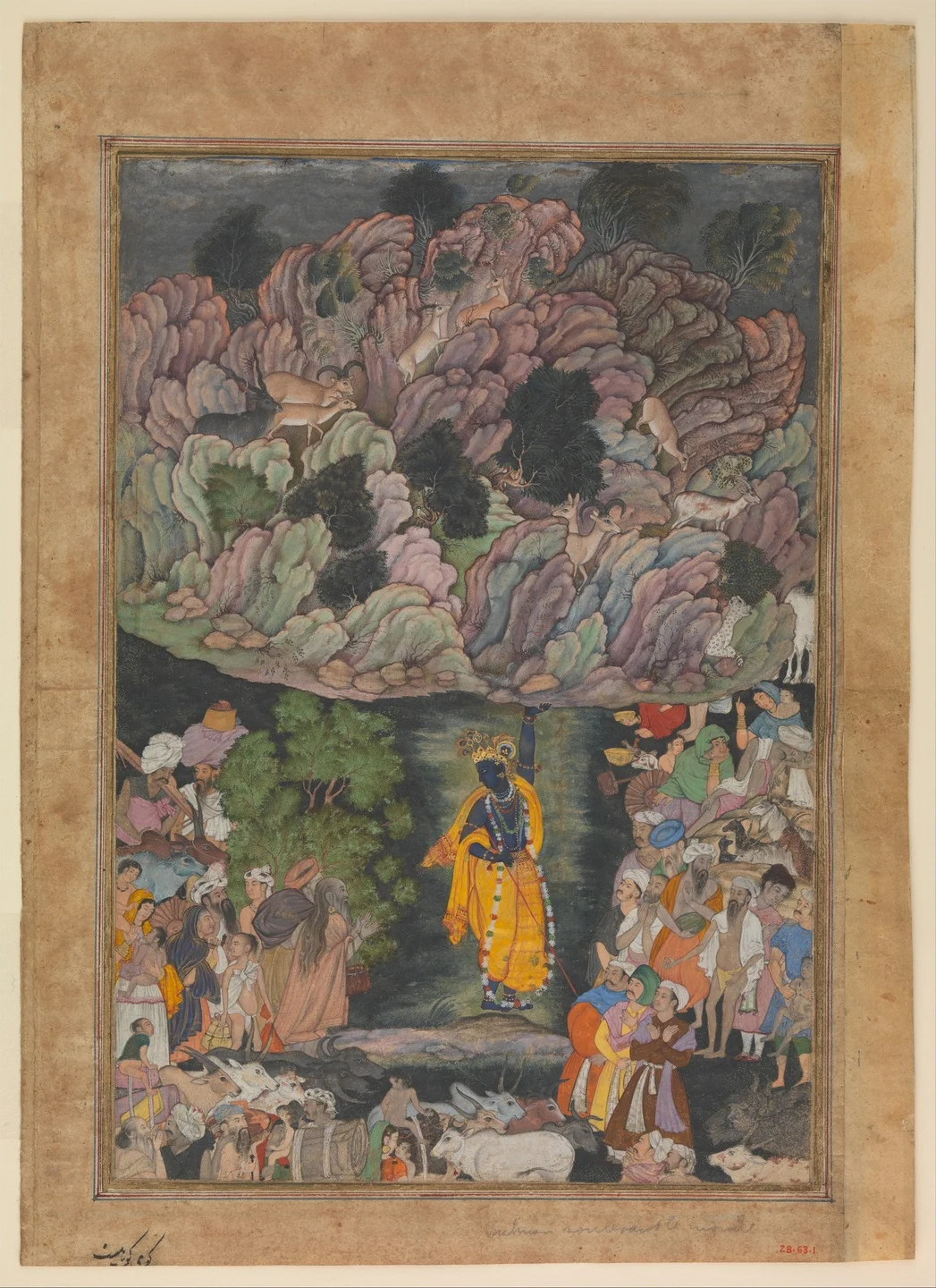 Unidentified Mughal painter
"Krishna Holds Up Mount Govardhan to Shelter the Villagers of Braj", Folio from a Harivamsa (The Legend of Hari (Krishna))
ca. 1590–95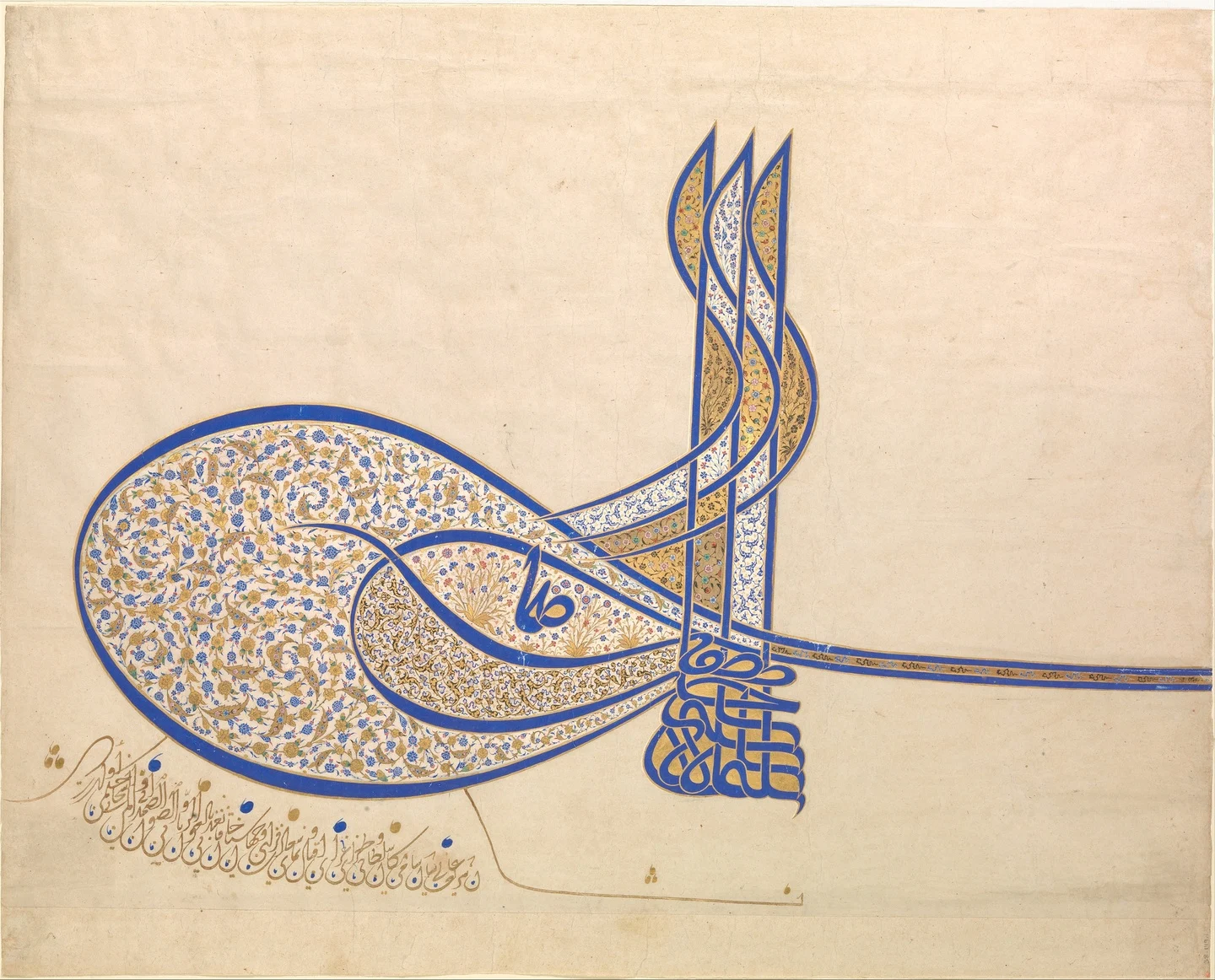 Unidentified Ottoman calligrapher and illuminator
Tughra (Insignia) of Sultan Süleiman the Magnificent (r. 1520–66)
ca. 1555–60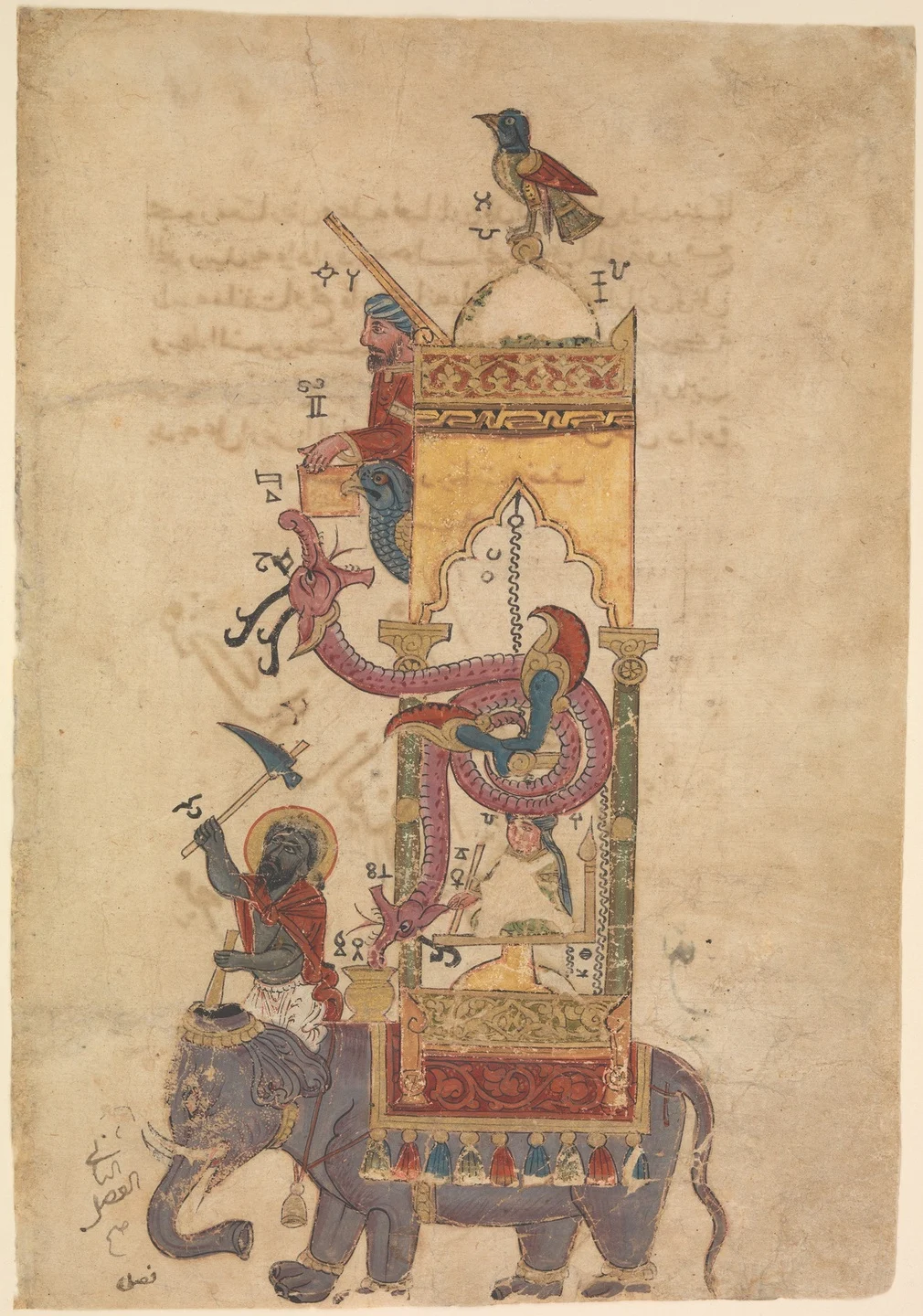 Unidentified painter, probably Syria or Iraq
"The Elephant Clock", Folio from a Book of the Knowledge of Ingenious Mechanical Devices by al-Jazari
dated 715 AH/1315 CE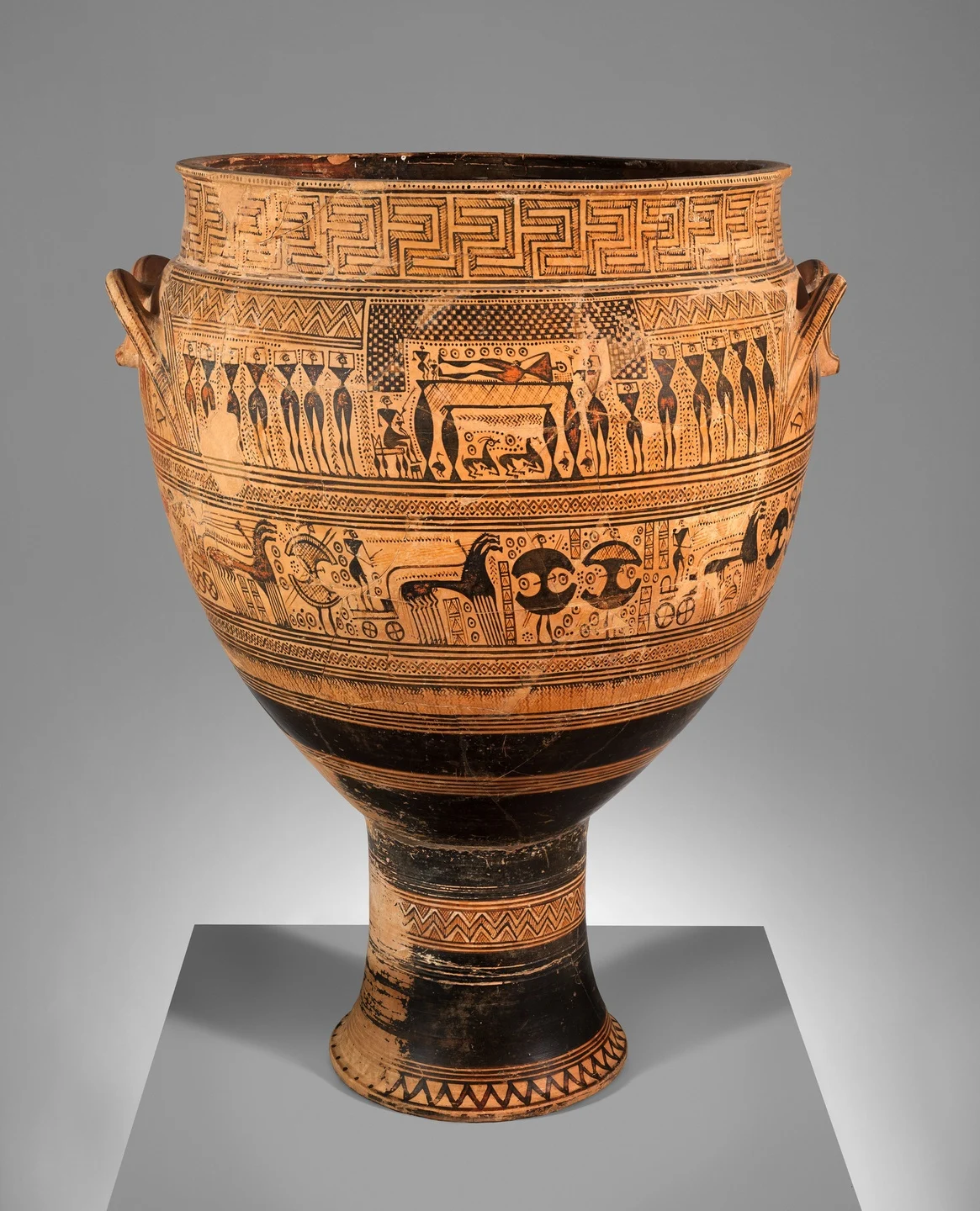 Attributed to Hirschfeld Workshop
Terracotta krater
ca. 750–735 BCE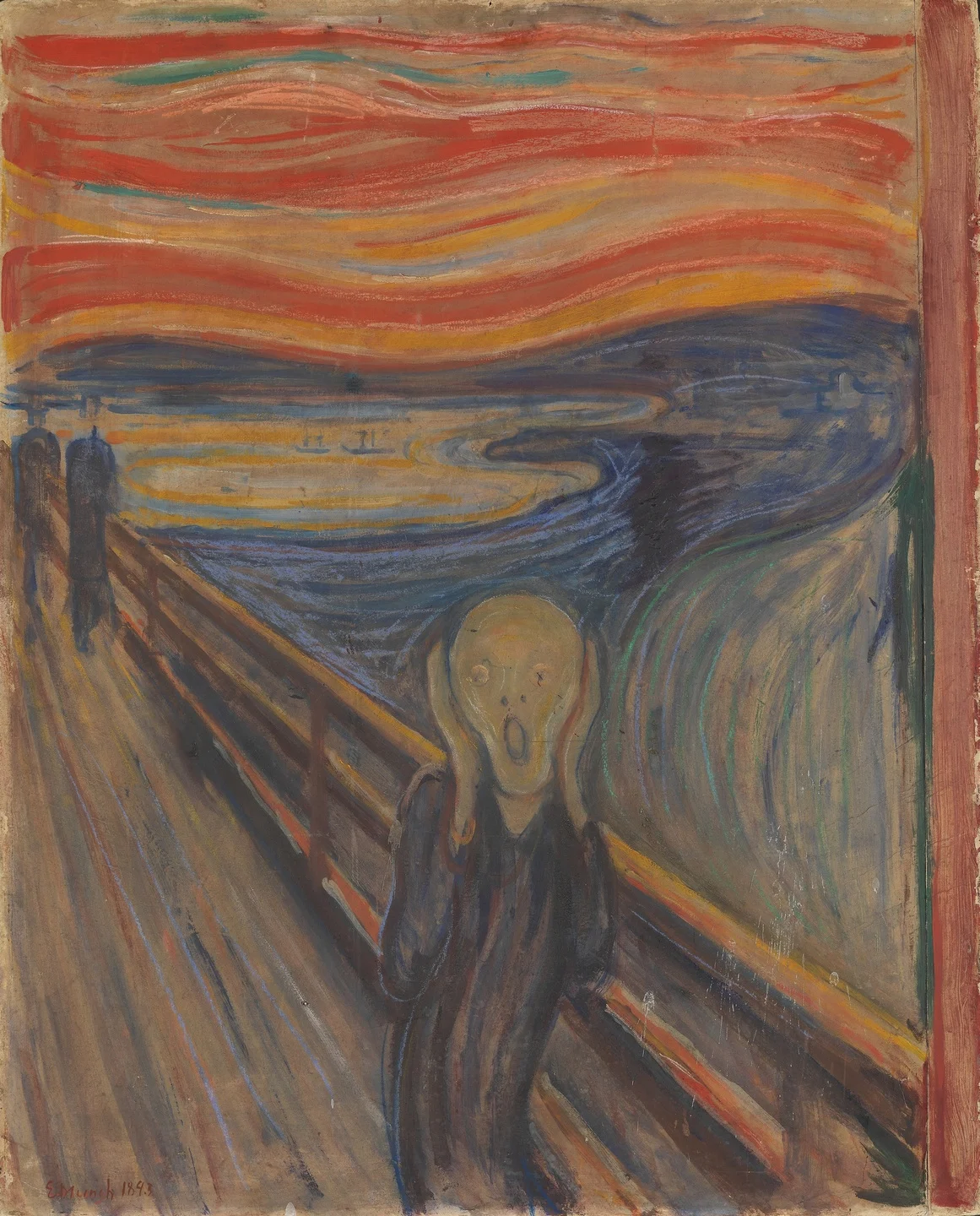 Edvard Munch
The Scream
1893 Pavel Fedotov
Breakfast of an Aristocrat
1849–1850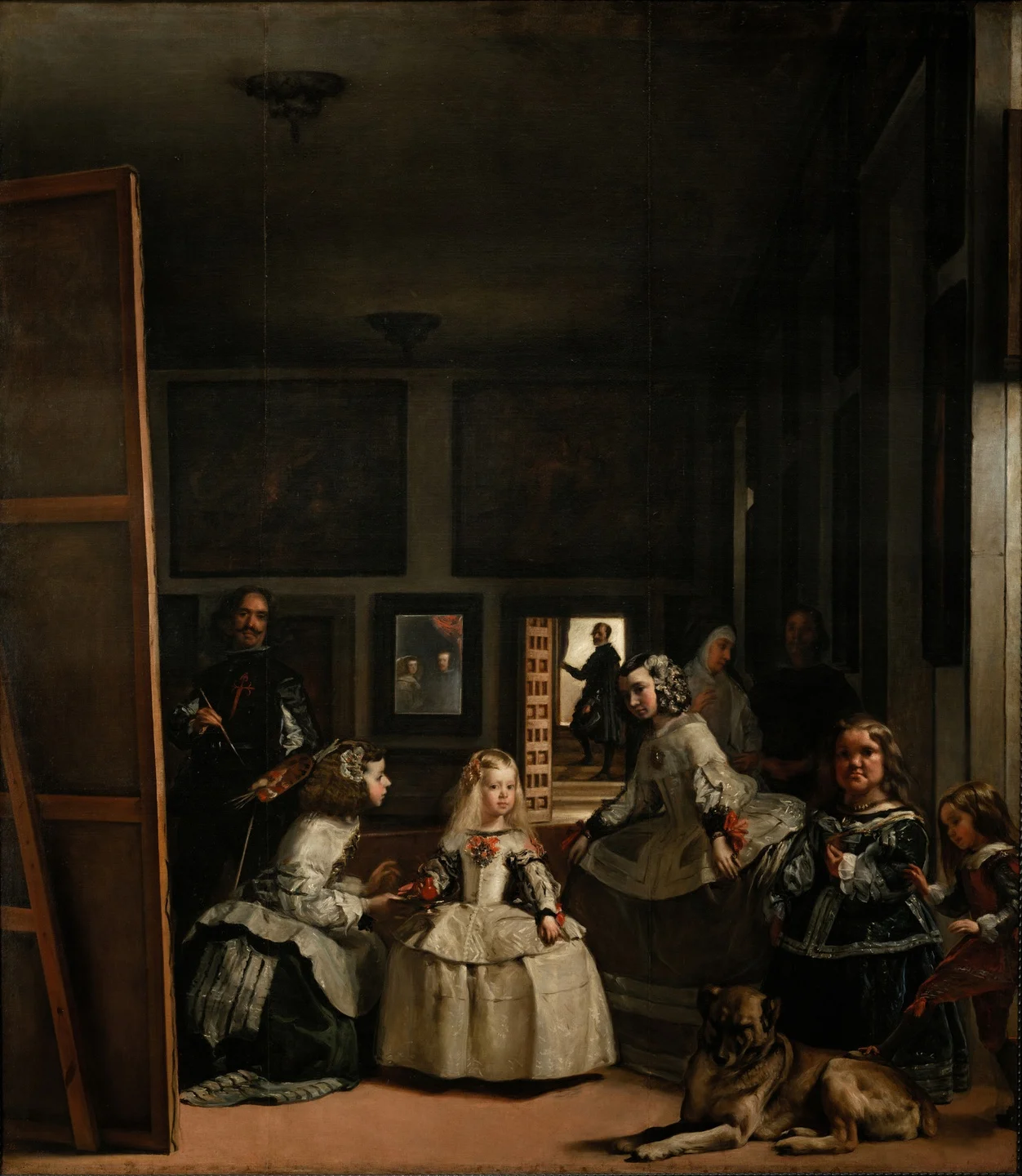 Diego Velázquez
Las Meninas
1656 Fra Angelico
Annunciation at San Marco
About 1440–1450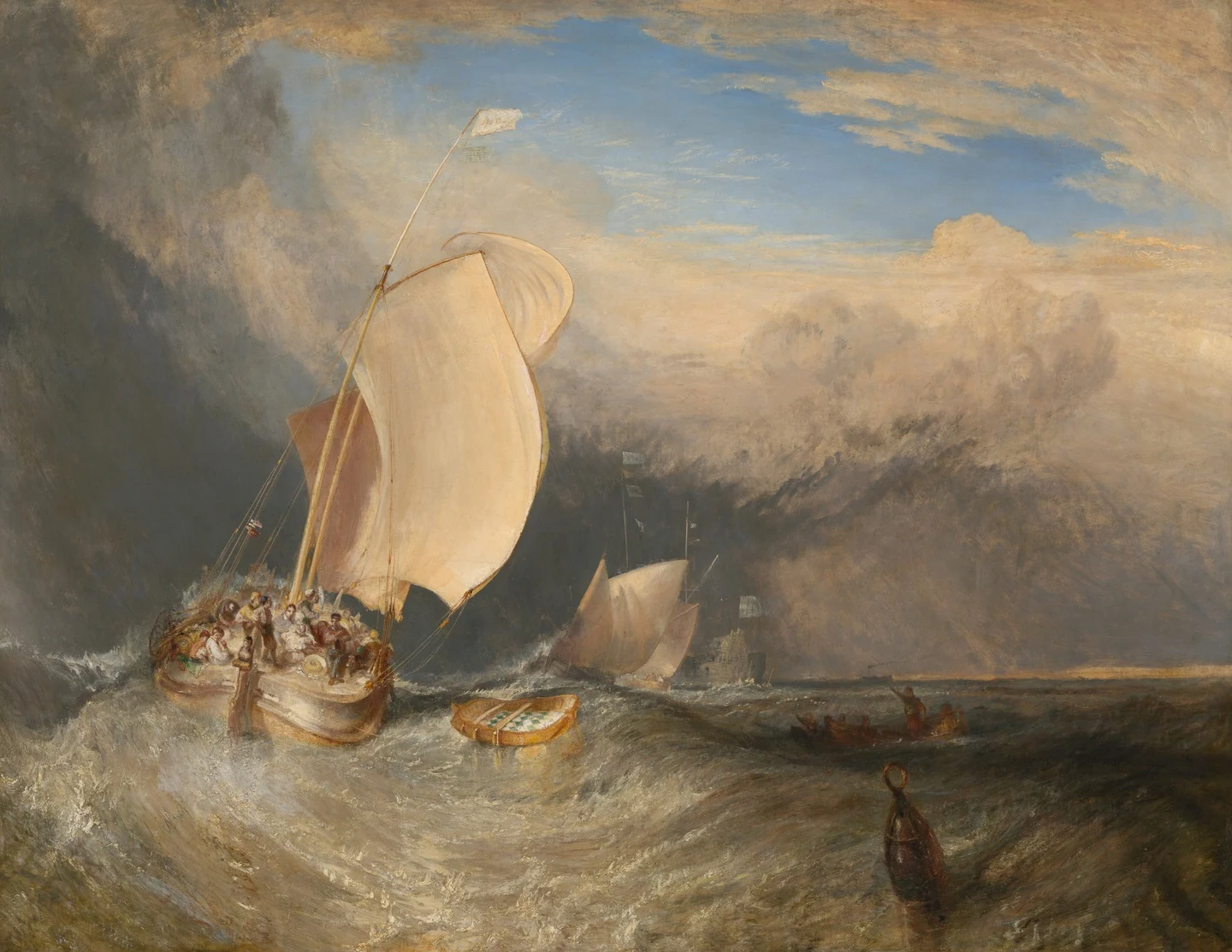 Joseph Mallord William Turner
Fishing Boats with Hucksters Bargaining for Fish
1837–38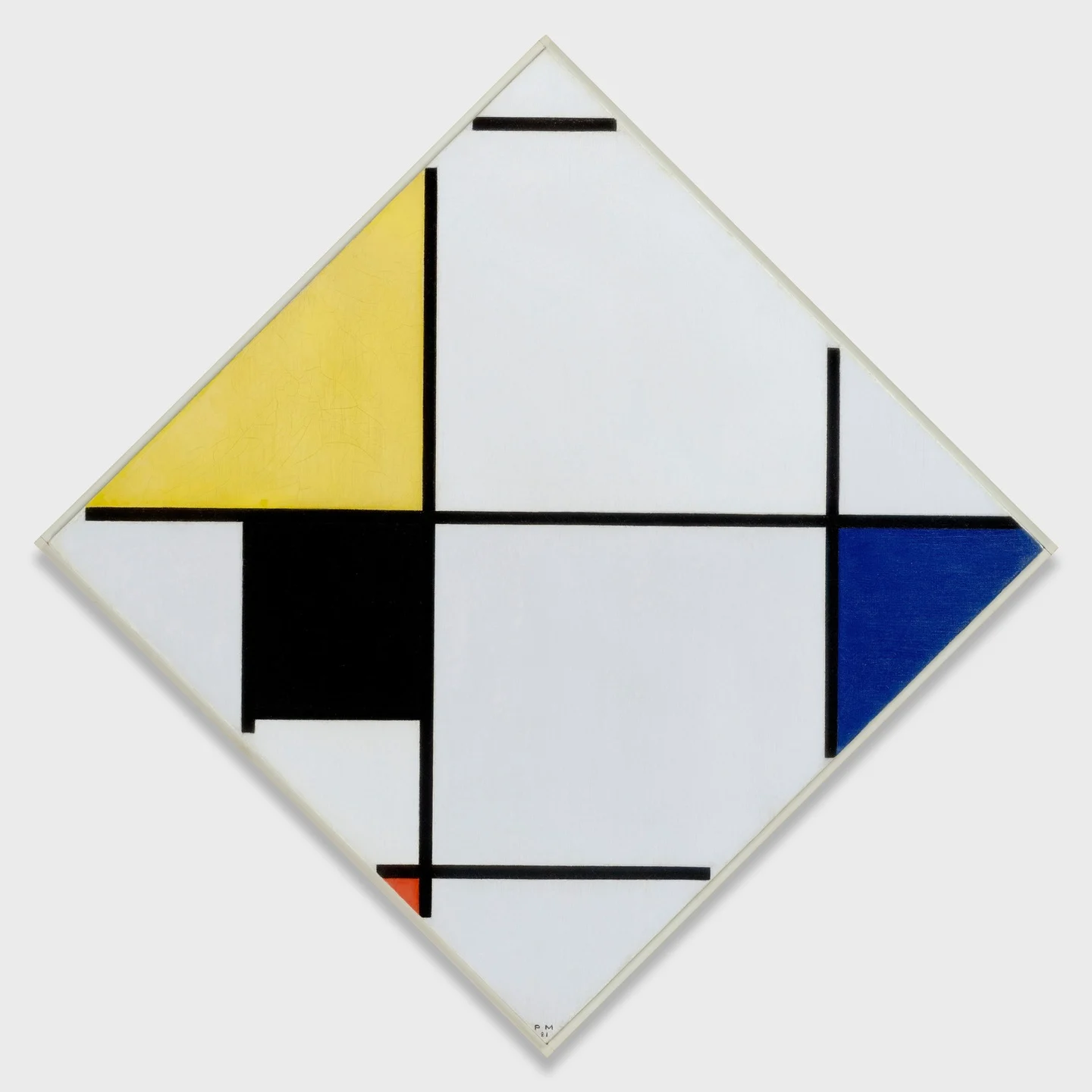 Piet Mondrian
Lozenge Composition
1921 Berthe Morisot
Summer’s Day
About 1879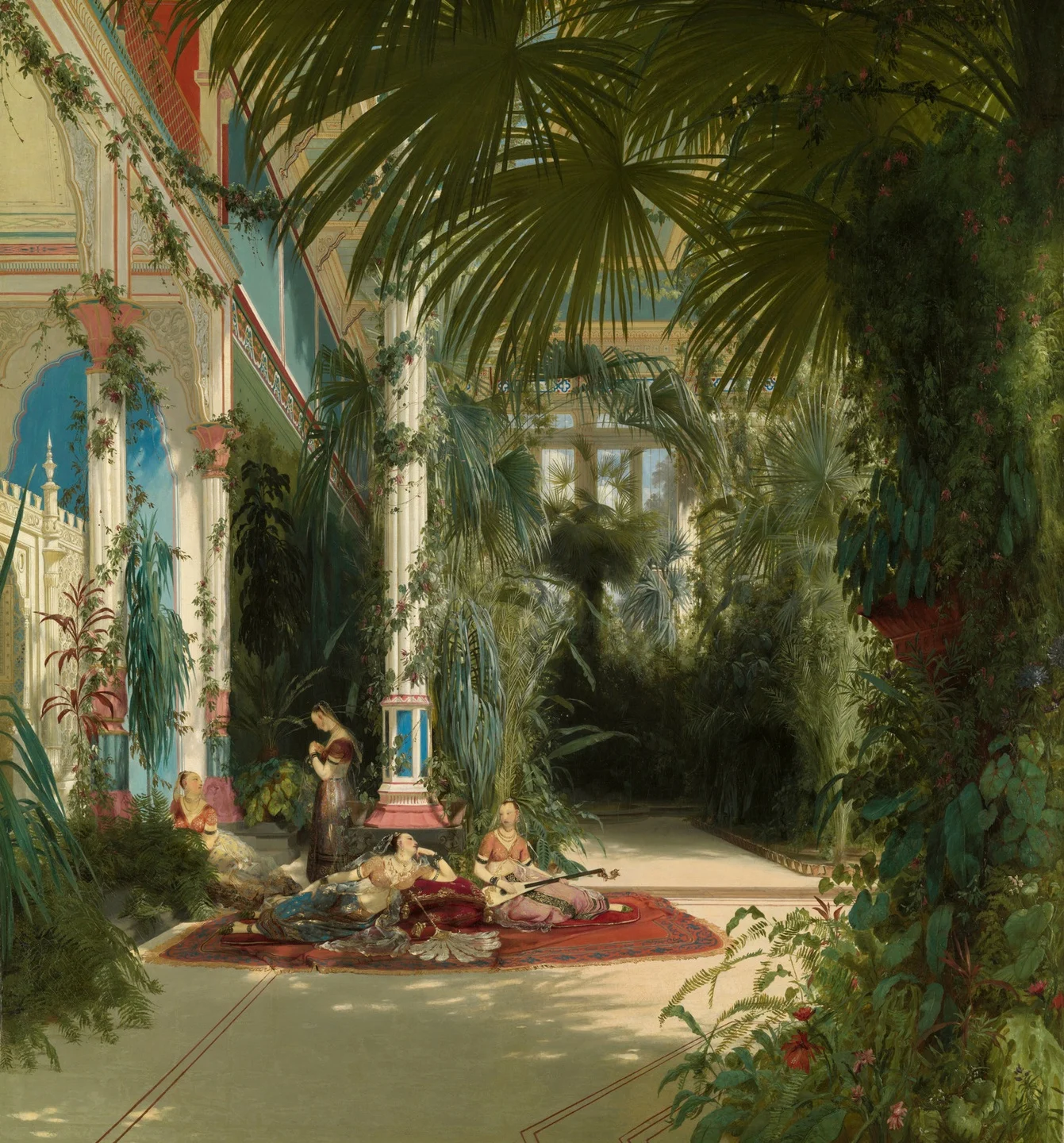 Carl Blechen
The Interior of the Palm House on the Pfaueninsel Near Potsdam
1834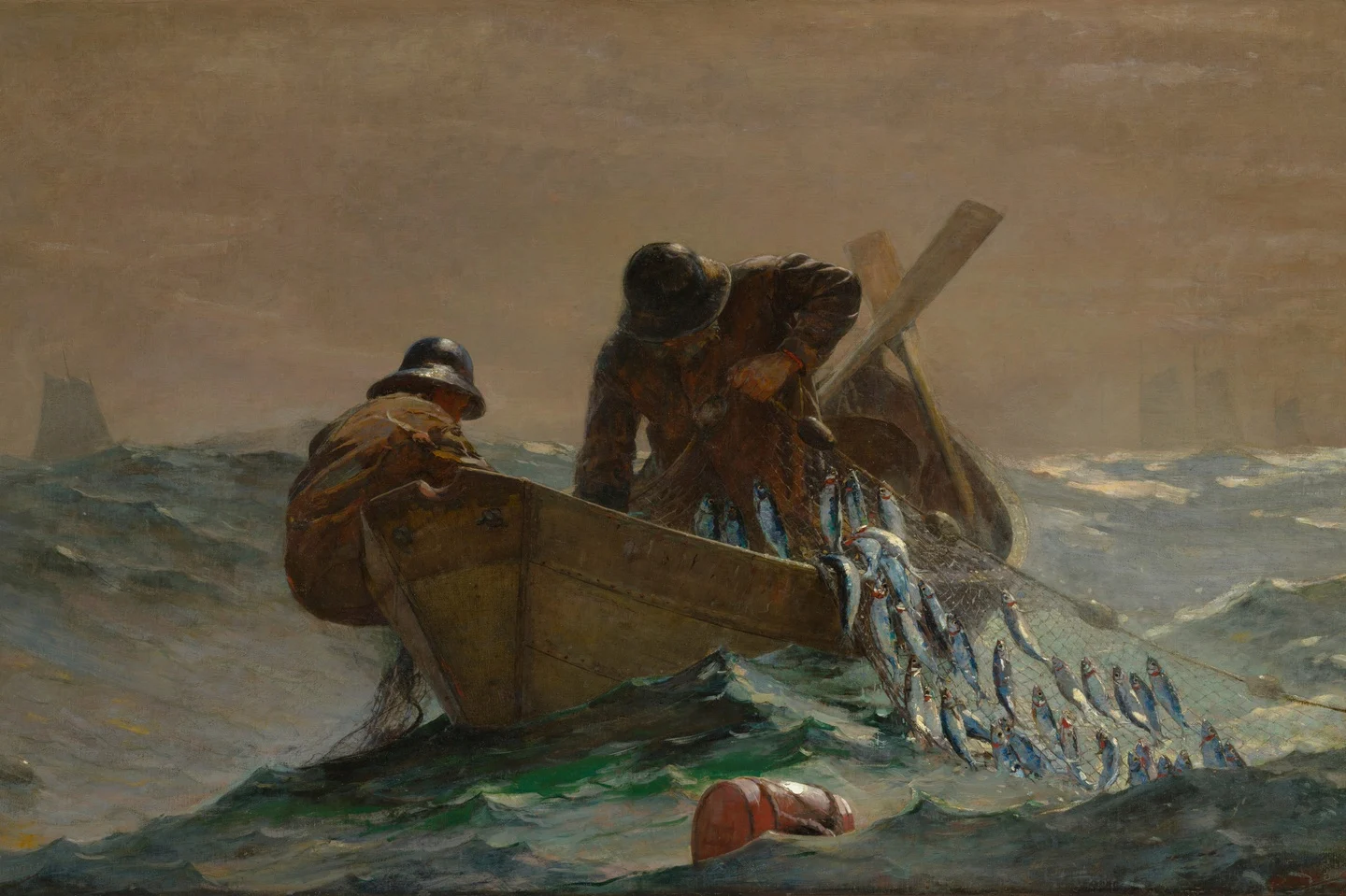 Winslow Homer
The Herring Net
1885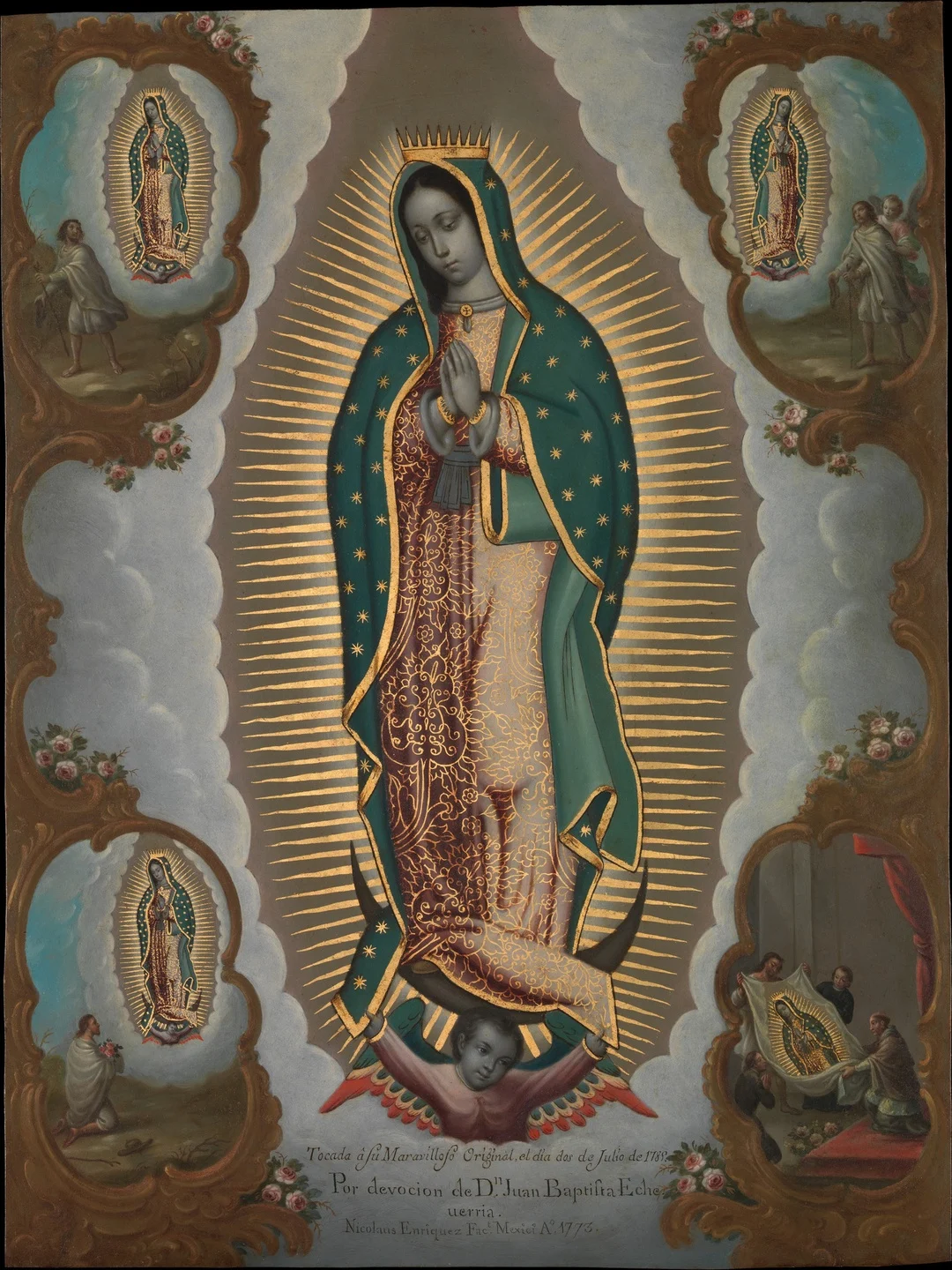 Nicolás Enríquez
The Virgin of Guadalupe with the Four Apparitions
1773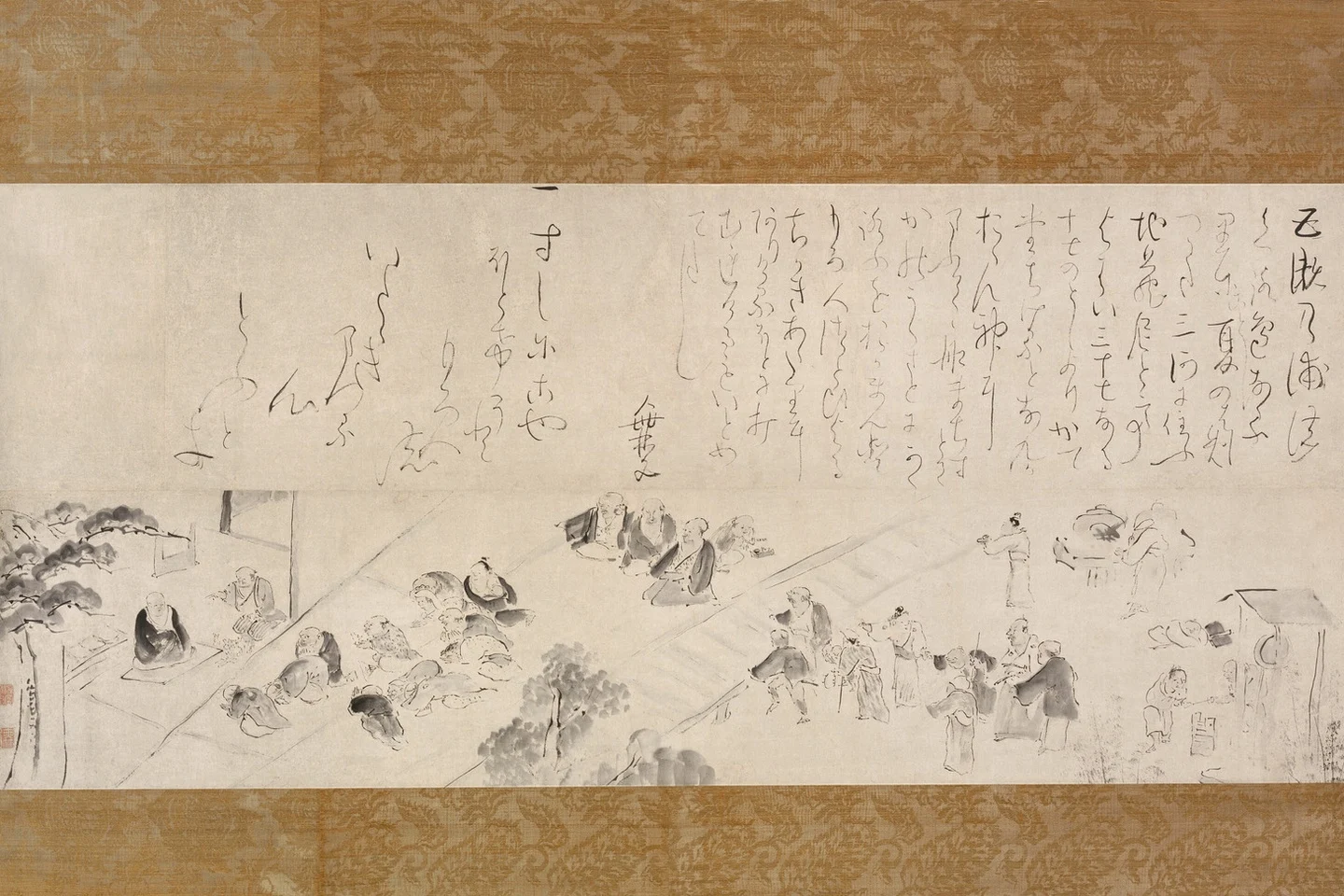 Ike Taiga
Group Pilgrimage to the Jizo Nun
1755/65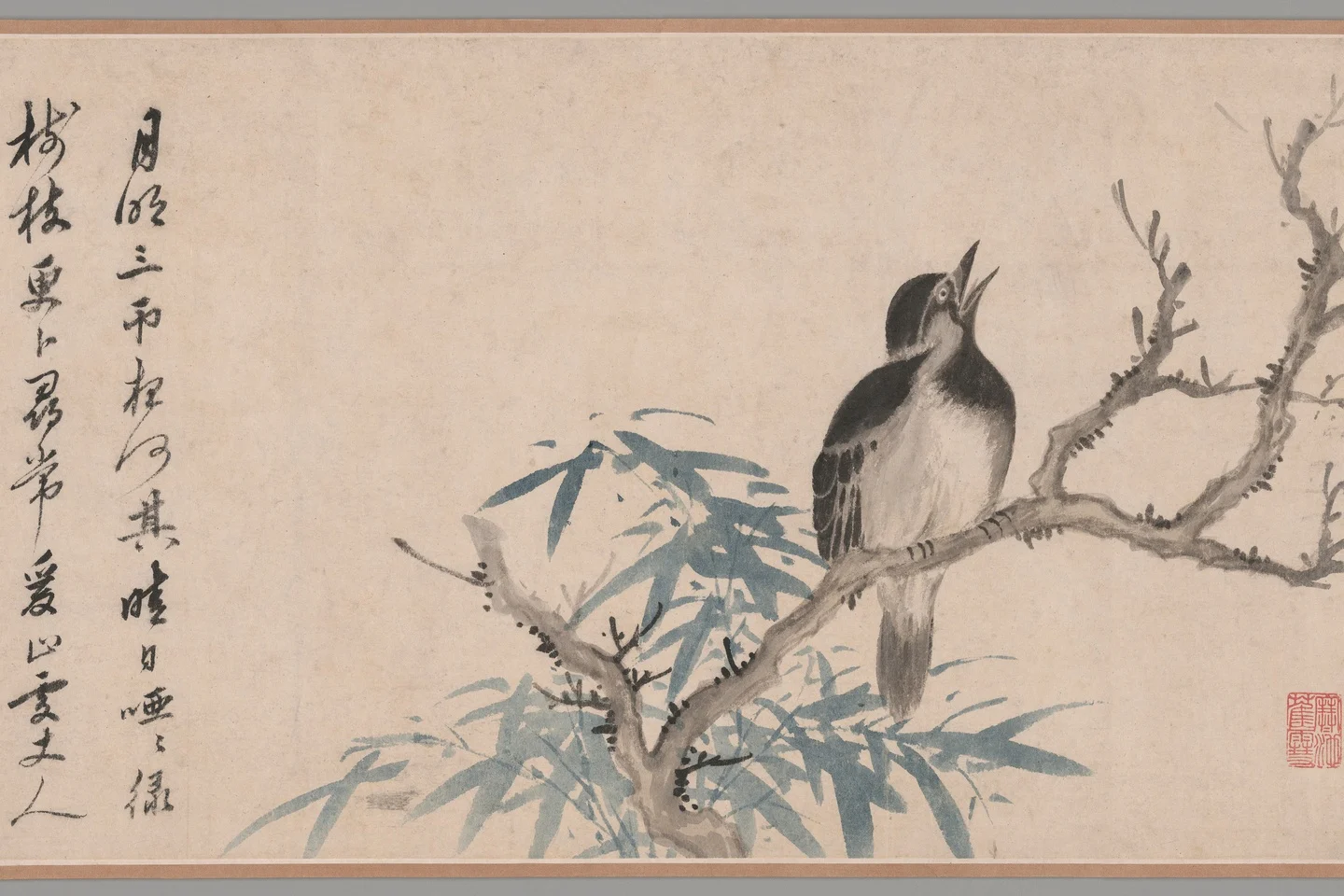 Yao Shou
Pillars of the Country
Ming dynasty (1368–1644), 1494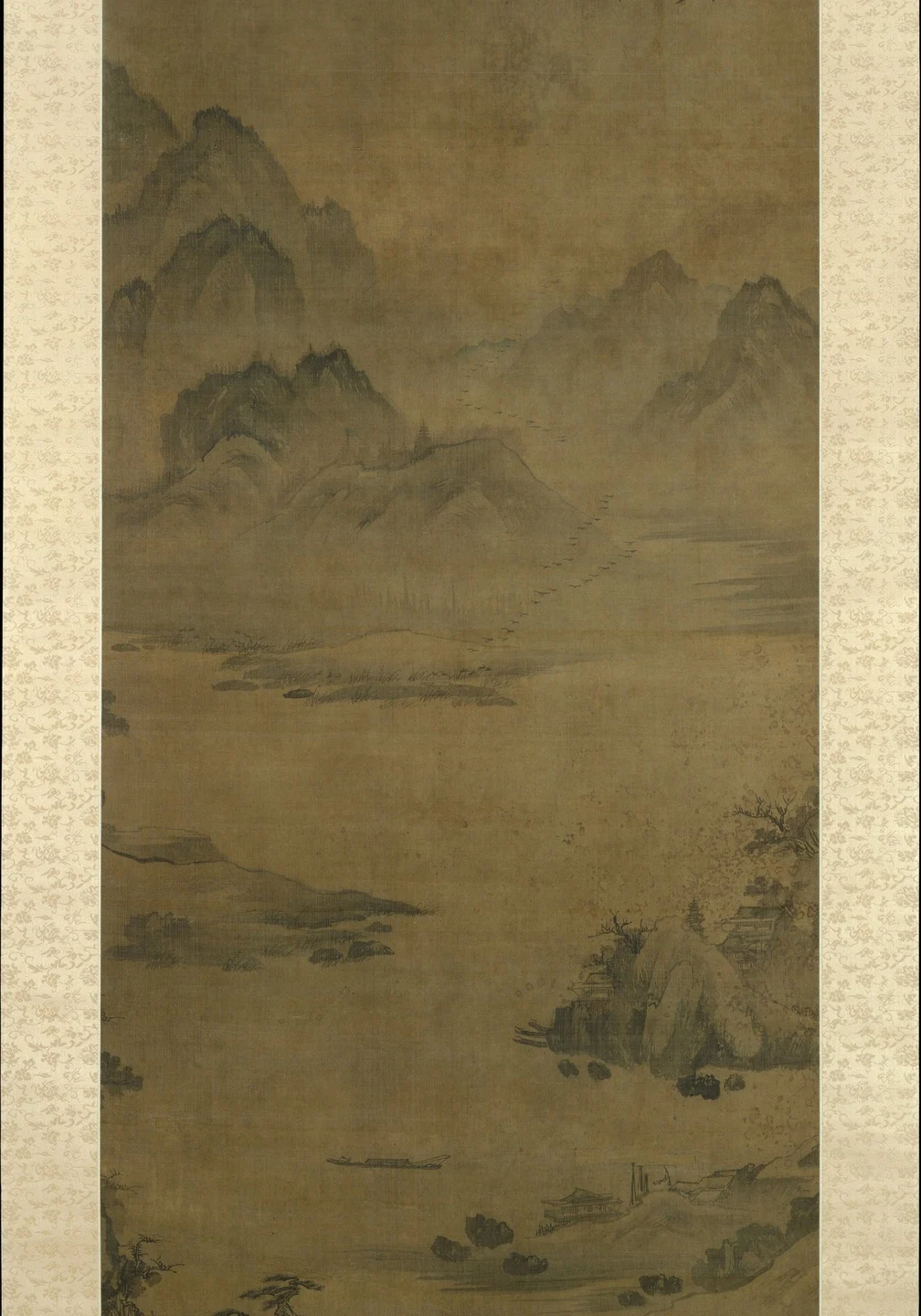 Unidentified Korean painters
Wild geese descending to sandbar
late 15th–early 16th century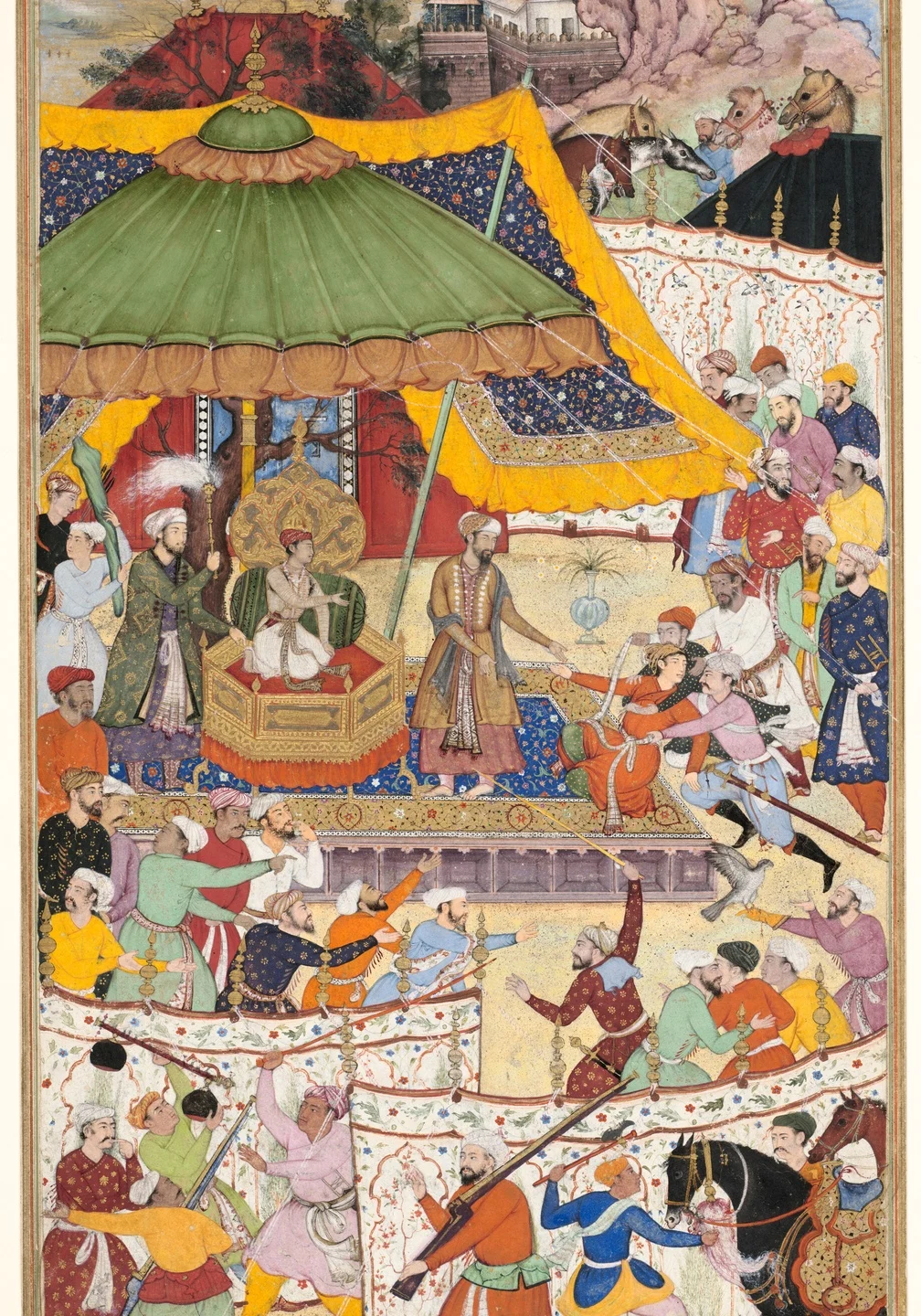 Designed by Basawan, painted by Shankar
The Young Emperor Akbar Arrests the Insolent Shah Abu’l-Maali, Page from a Manuscript of the Akbarnama
Mughal dynasty (1526-1857), c. 1590-1595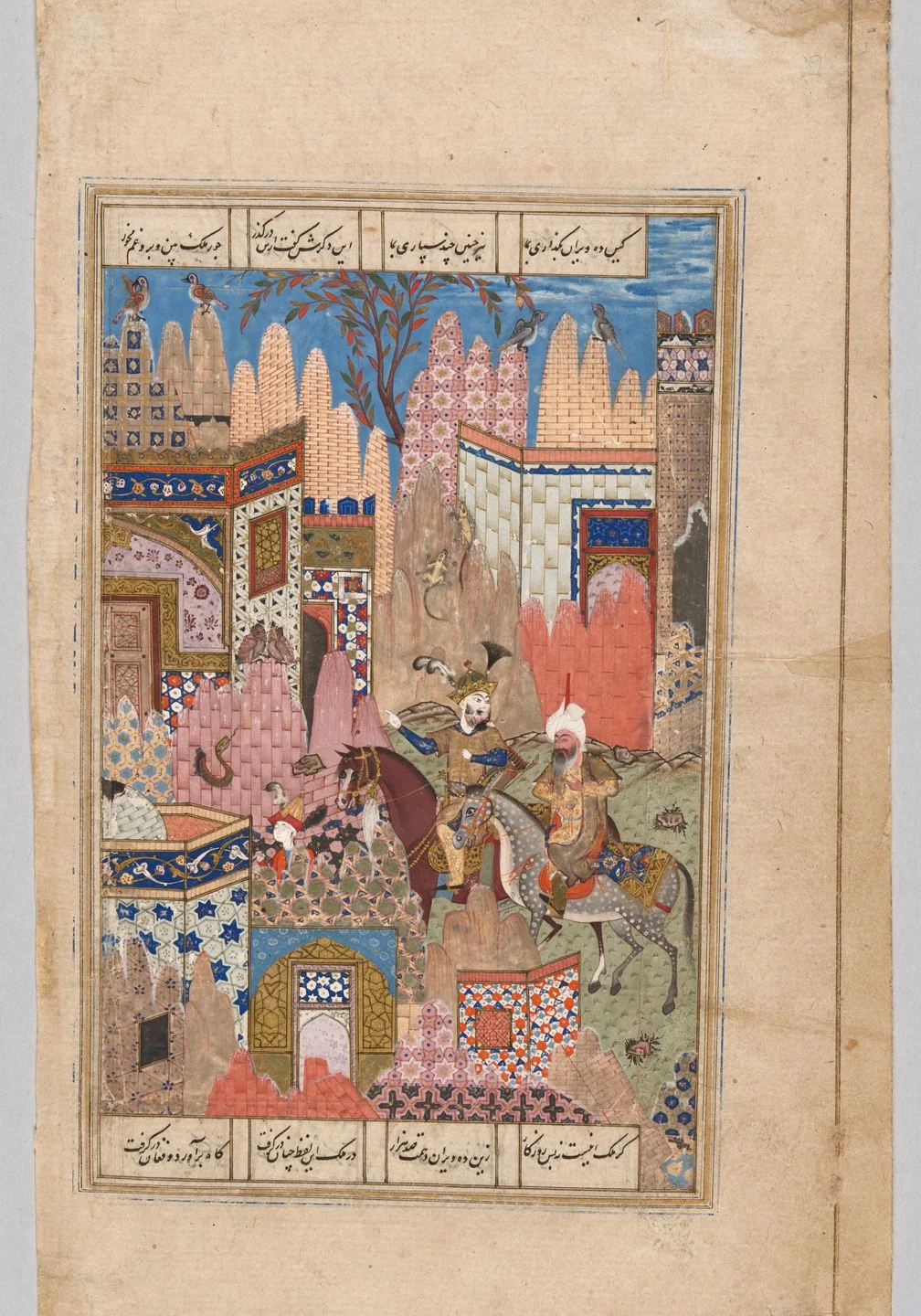 Unidentified Iranian painters
King Anushirwan and the Owls, from the Khamsa of Nizami
Safavid dynasty (1501–1722), c.1535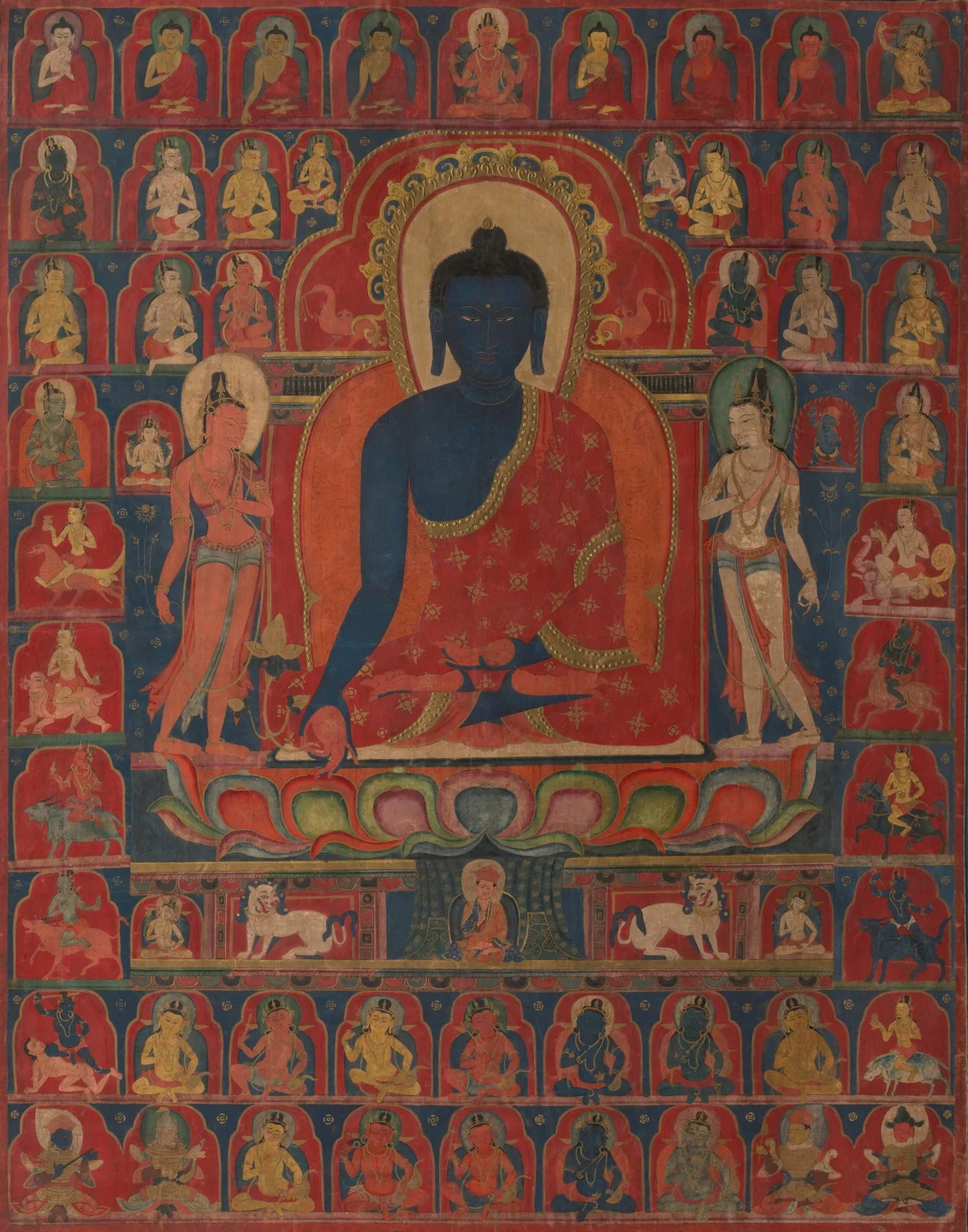 Unidentified Tibetan painters
The Medicine Buddha Bhaishajyaguru With His Mandala Retinue
14th century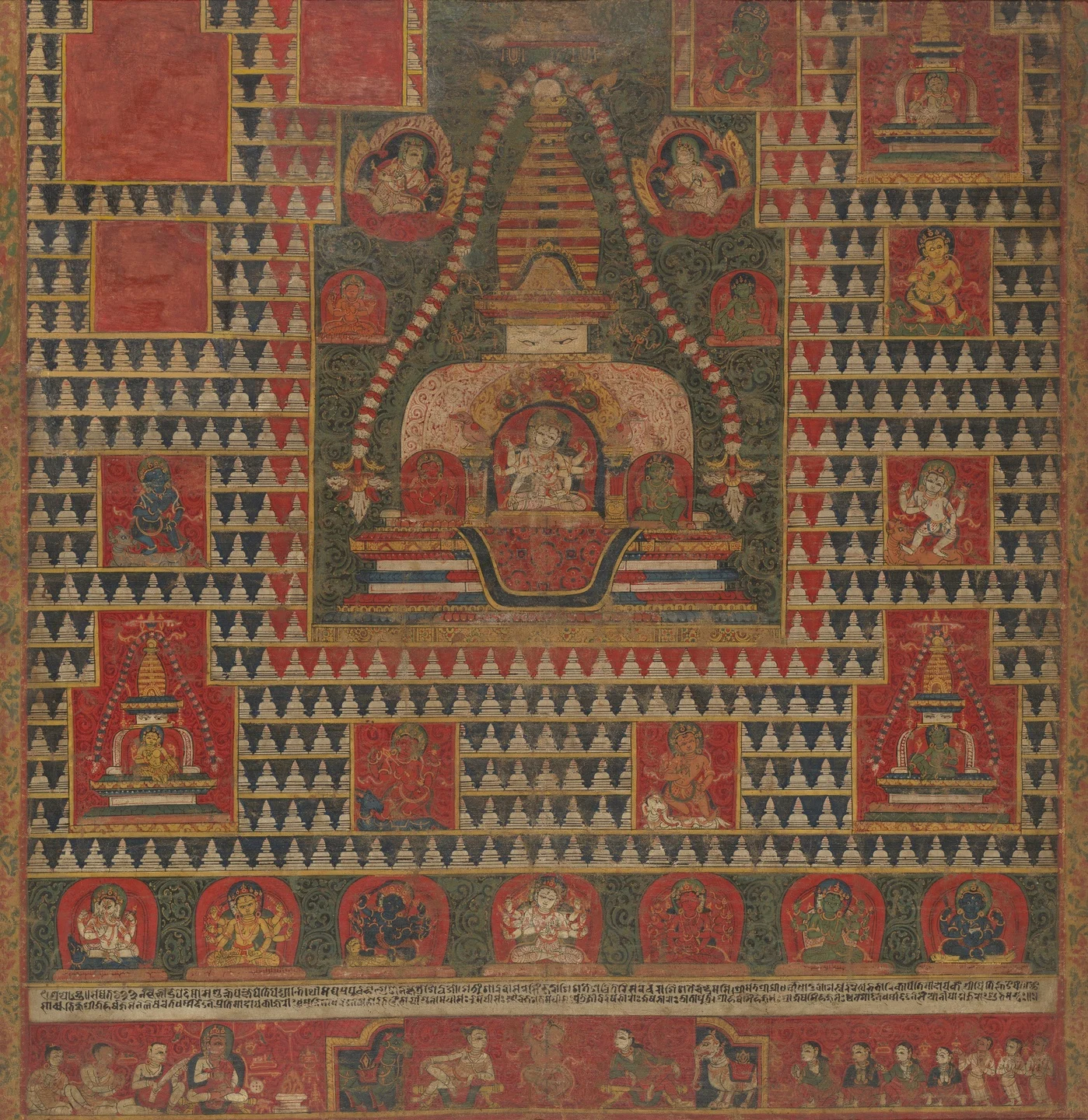 Unidentified Newari painter
Ushnishavijaya Within a Chaitya, Commemorating the Laksha Chaitya Vrata (Thousand Chaitya Ritual), with Dated Inscription
1513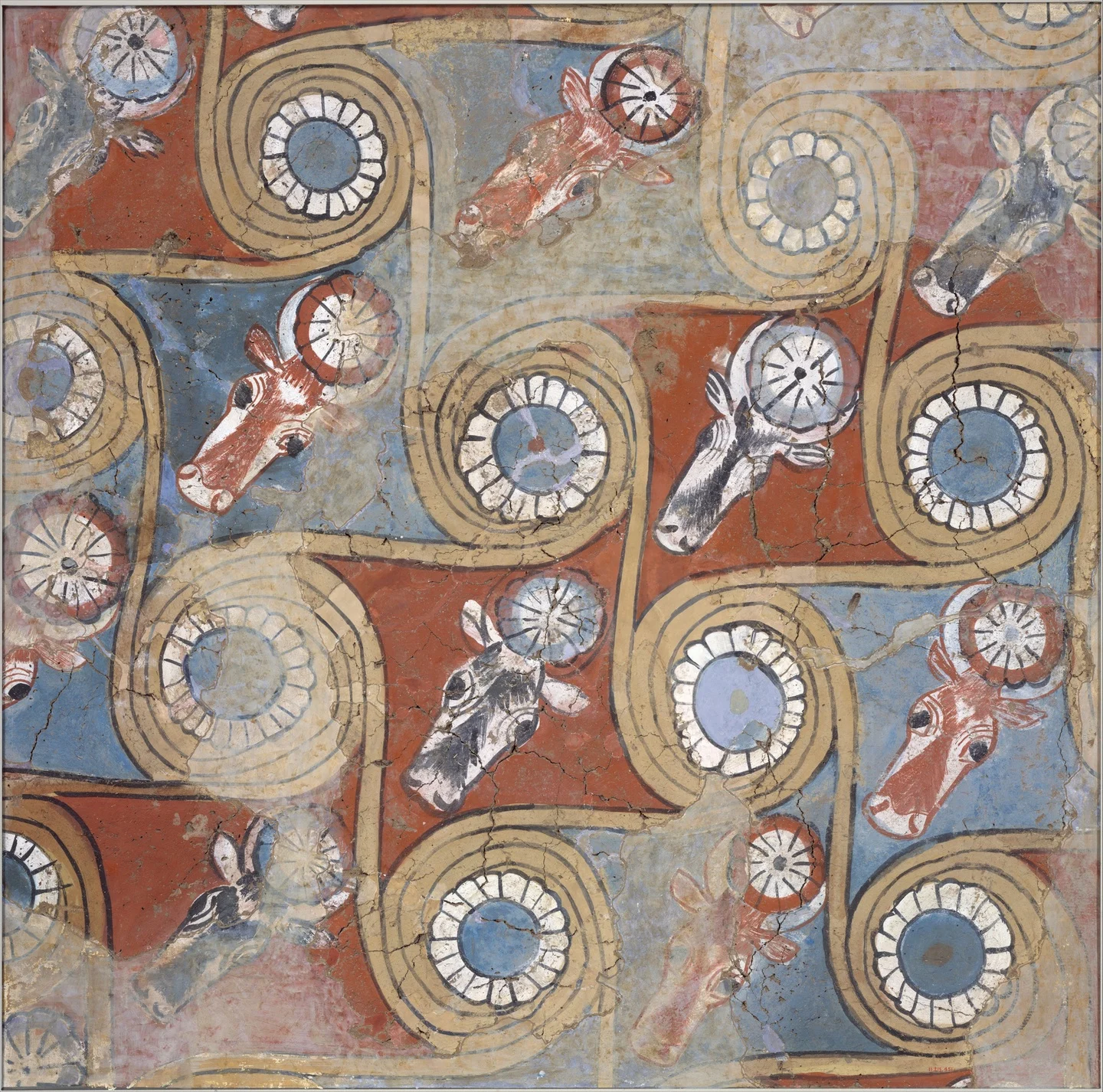 Unidentified Egyptian painters
Ceiling painting from the palace of Amenhotep III
ca. 1386–1347 BCE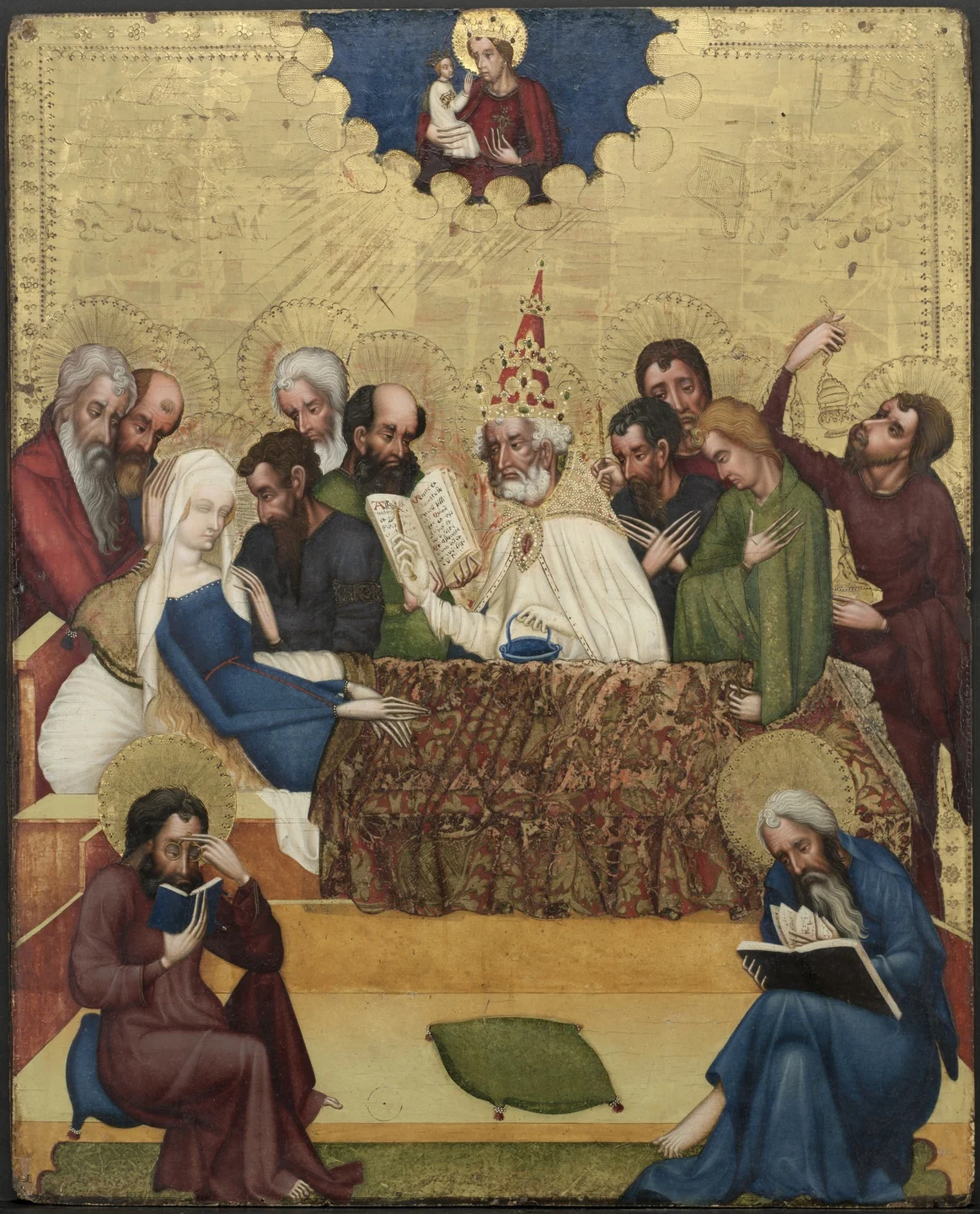 Master of Heiligenkreuz
Death of the Virgin
c. 1400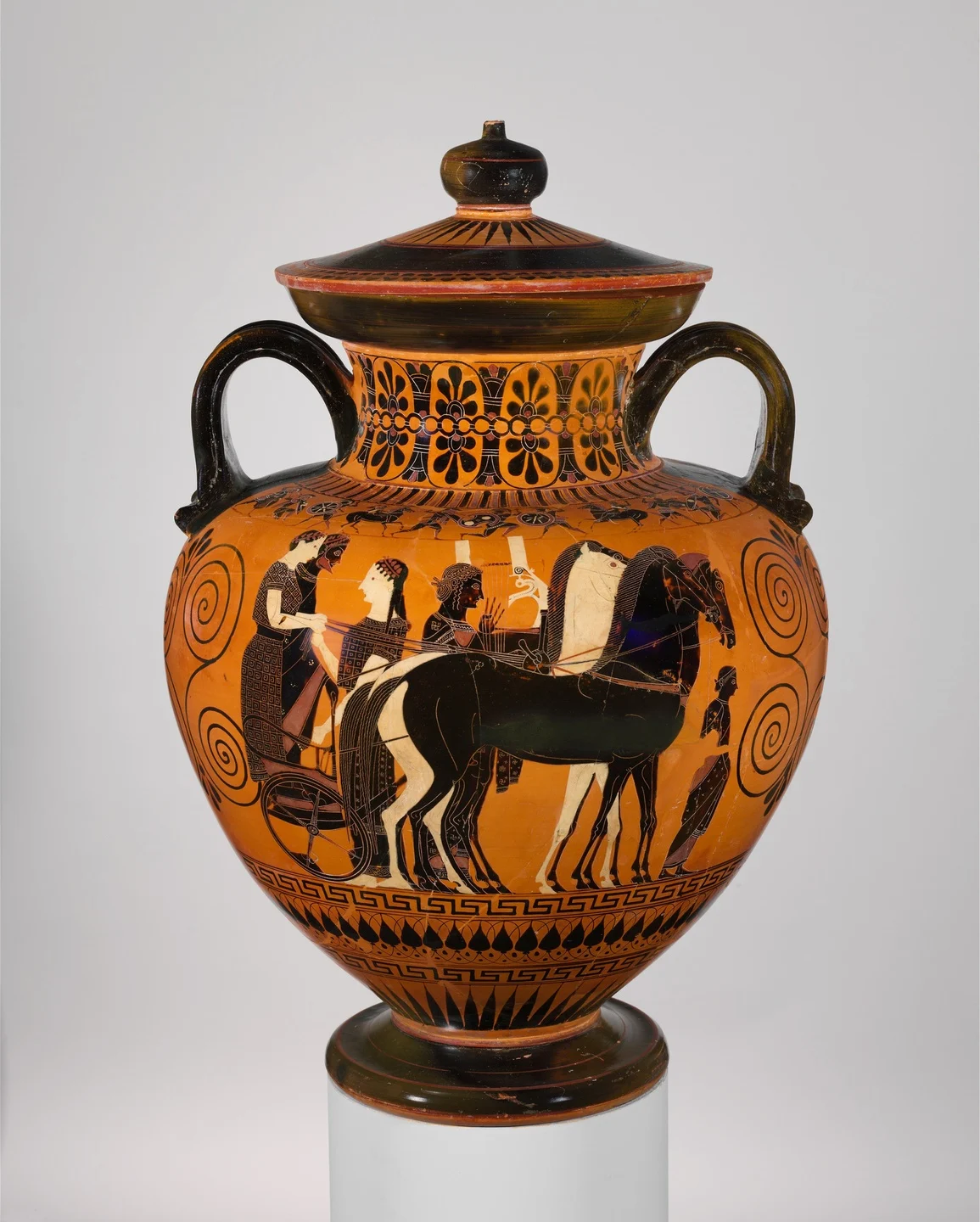 Attributed to Exekias
Terracotta neck-amphora (jar) with lid and knob (27.16)
ca. 540 BCE Nikolai Ge
Peter I Interrogating Tsarevich Alexei at Peterhof
1871 El Greco
The Assumption of the Virgin
1577–79 Sandro Botticelli