Paintings · 8
Browse paintings by title and artist. Explore reproductions in detail, read the stories behind the artworks and open a free audio guide.
Open the gallery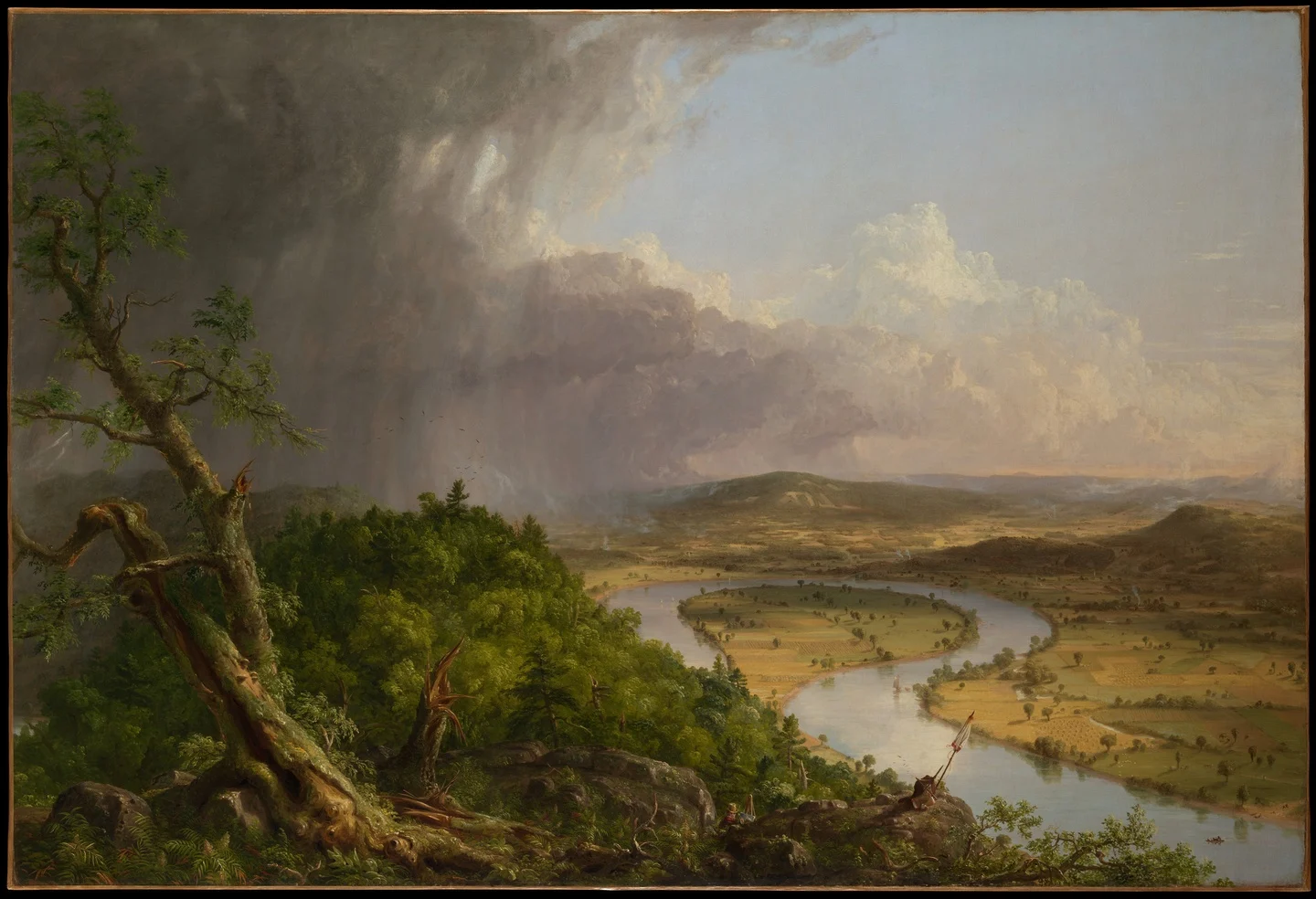 Thomas Cole
View from Mount Holyoke, Northampton, Massachusetts, after a Thunderstorm—The Oxbow
1836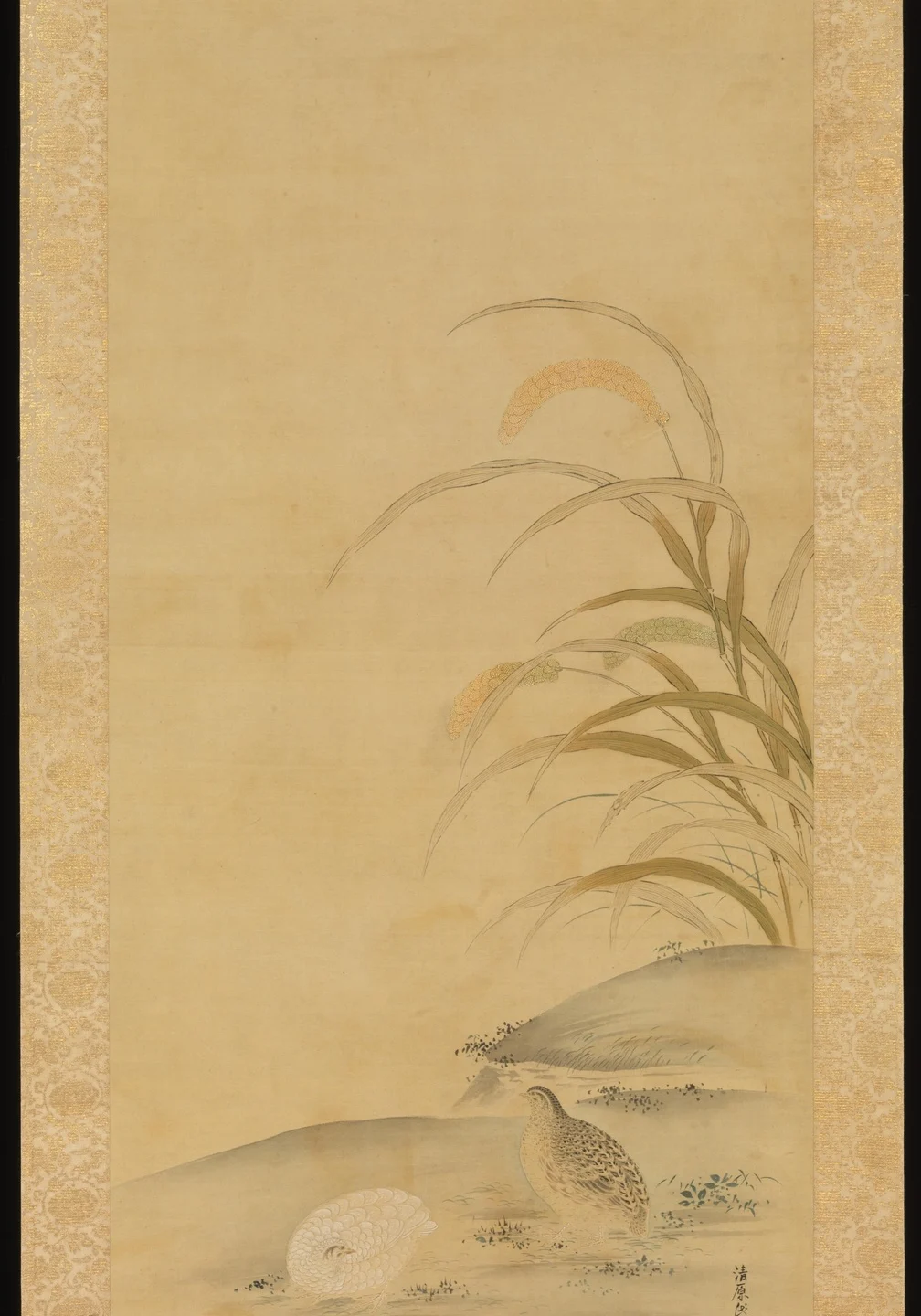 Kiyohara Yukinobu
Quail and Millet
late 17th century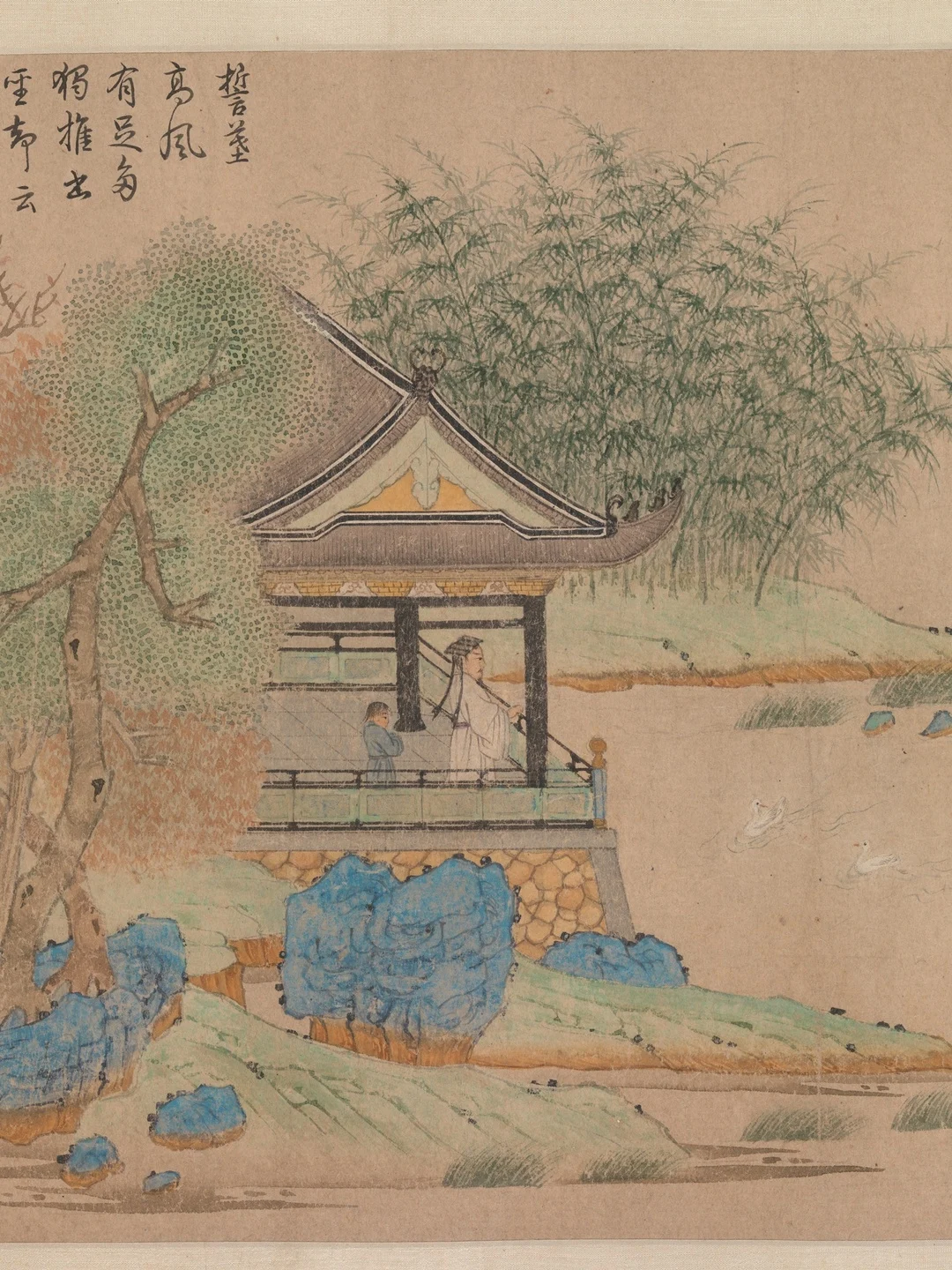 Qian Xuan
Wang Xizhi watching geese
ca. 1295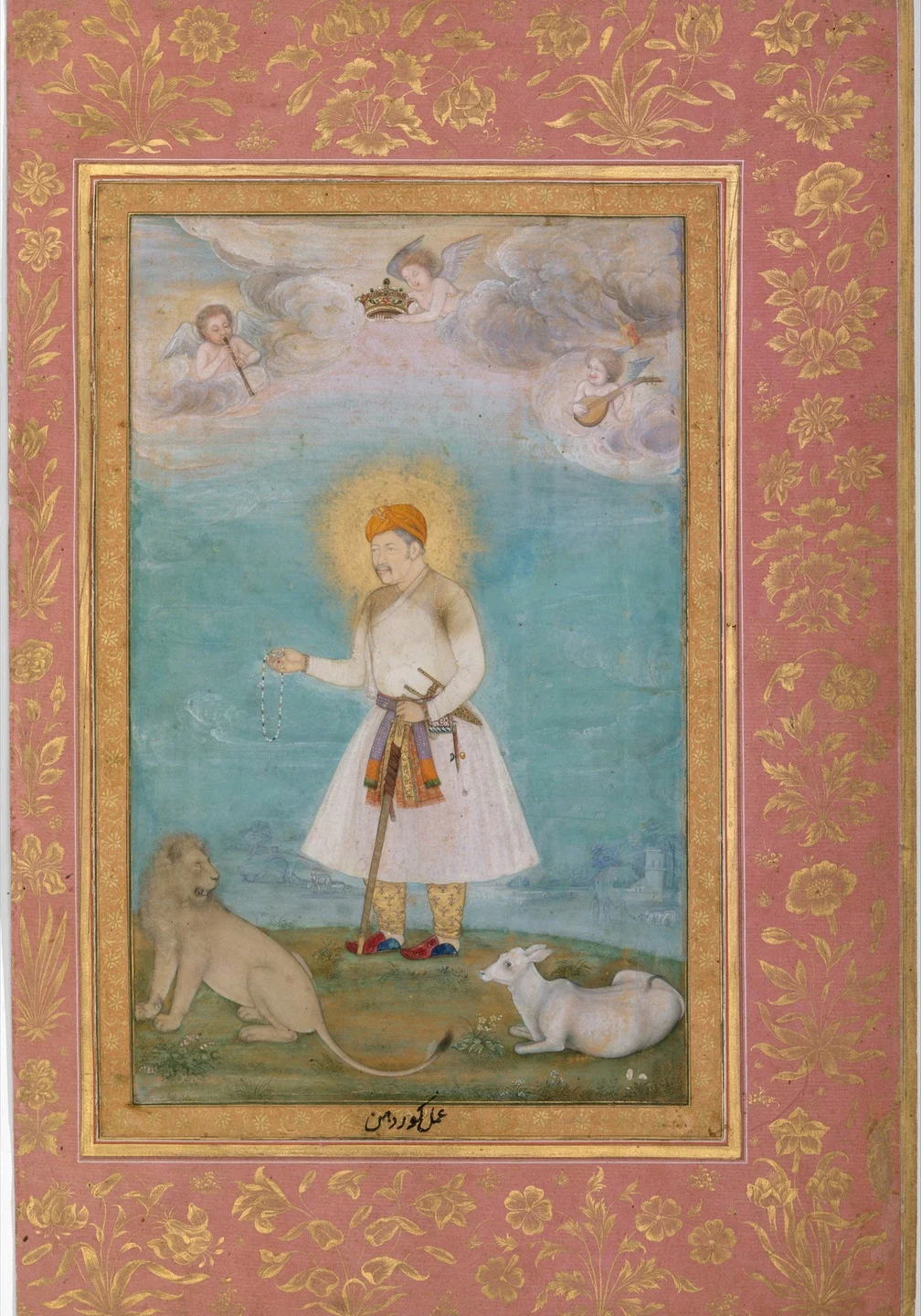 Govardhan
"Akbar With Lion and Calf", Folio from the Shah Jahan Album
verso: ca. 1630; recto: ca. 1530–50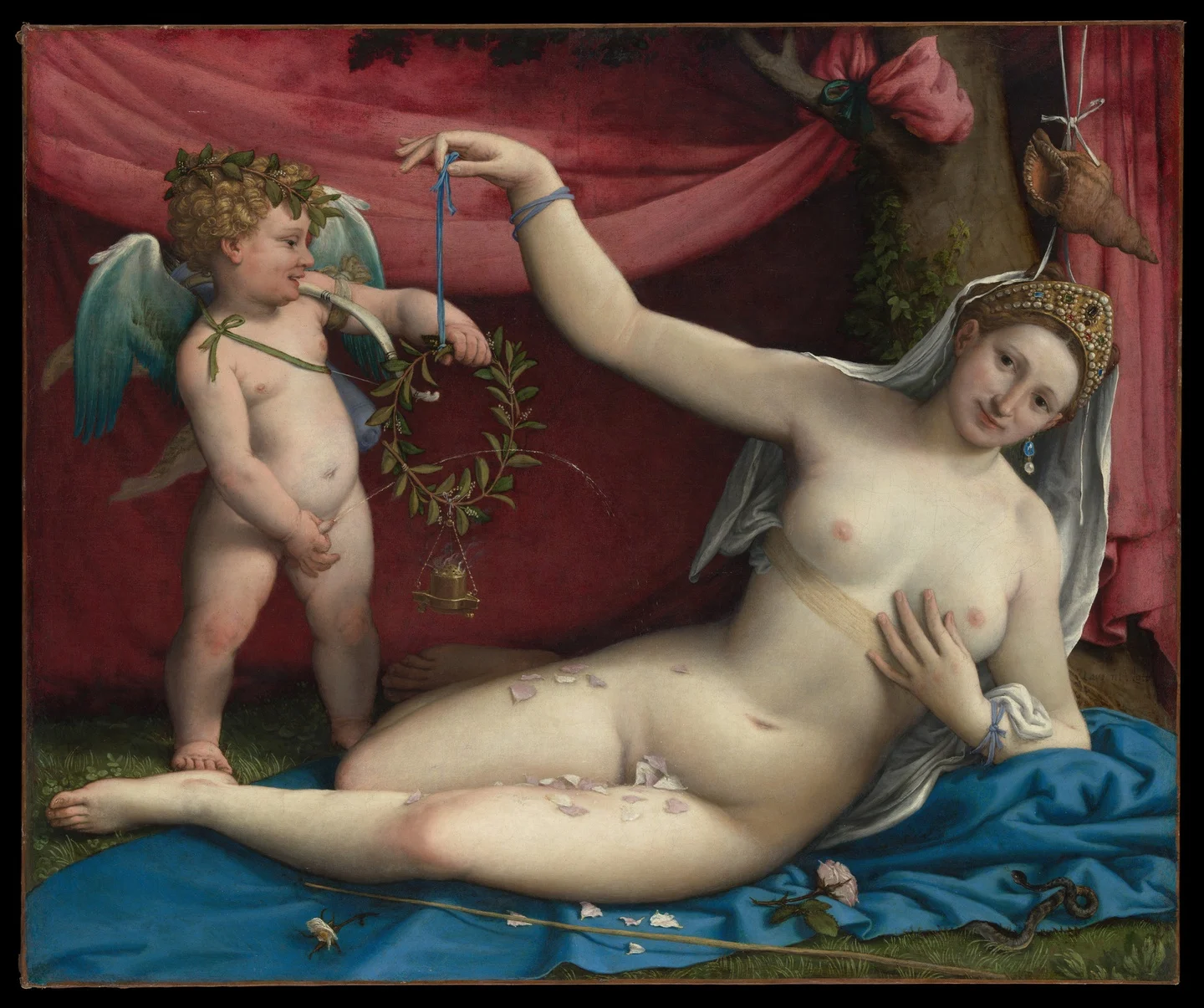 Lorenzo Lotto
Venus and Cupid
1520s Vincent van Gogh
Self-Portrait with a Straw Hat (obverse: The Potato Peeler)
1887 Nicolas Poussin
Landscape with Saint John on Patmos
1640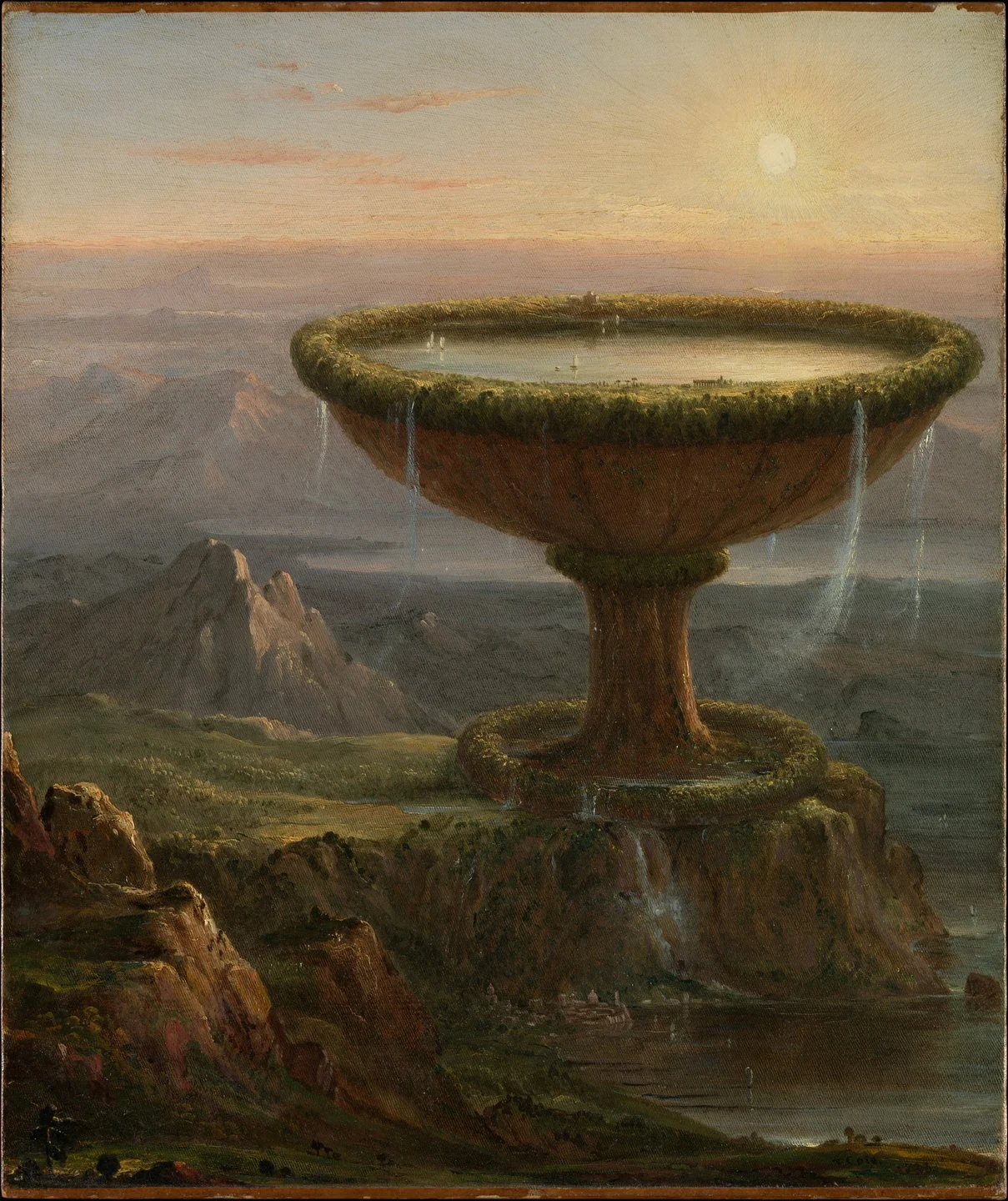 Thomas Cole
The Titan's Goblet
1833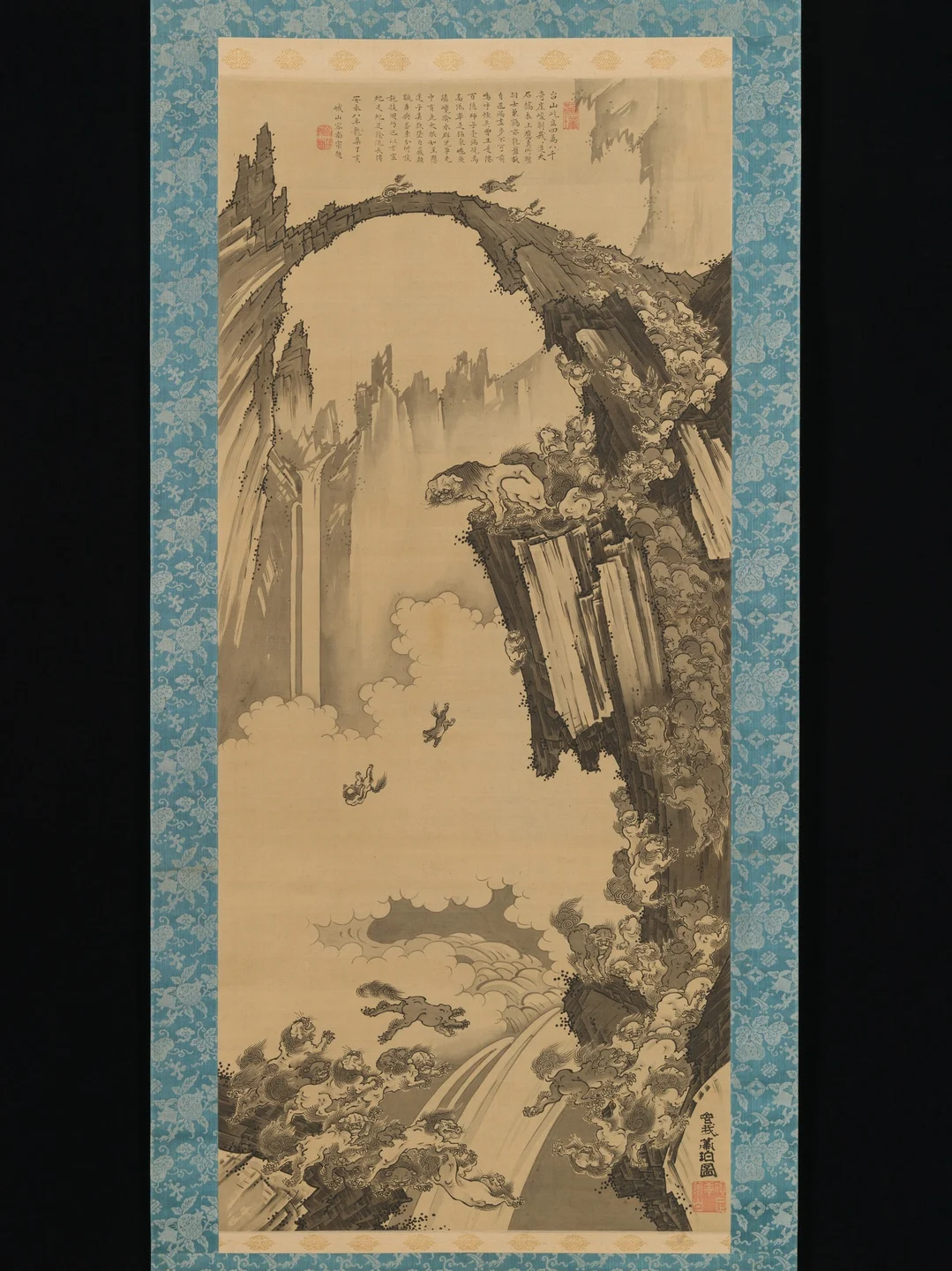 Soga Shōhaku
Lions at the Stone Bridge of Mount Tiantai
1779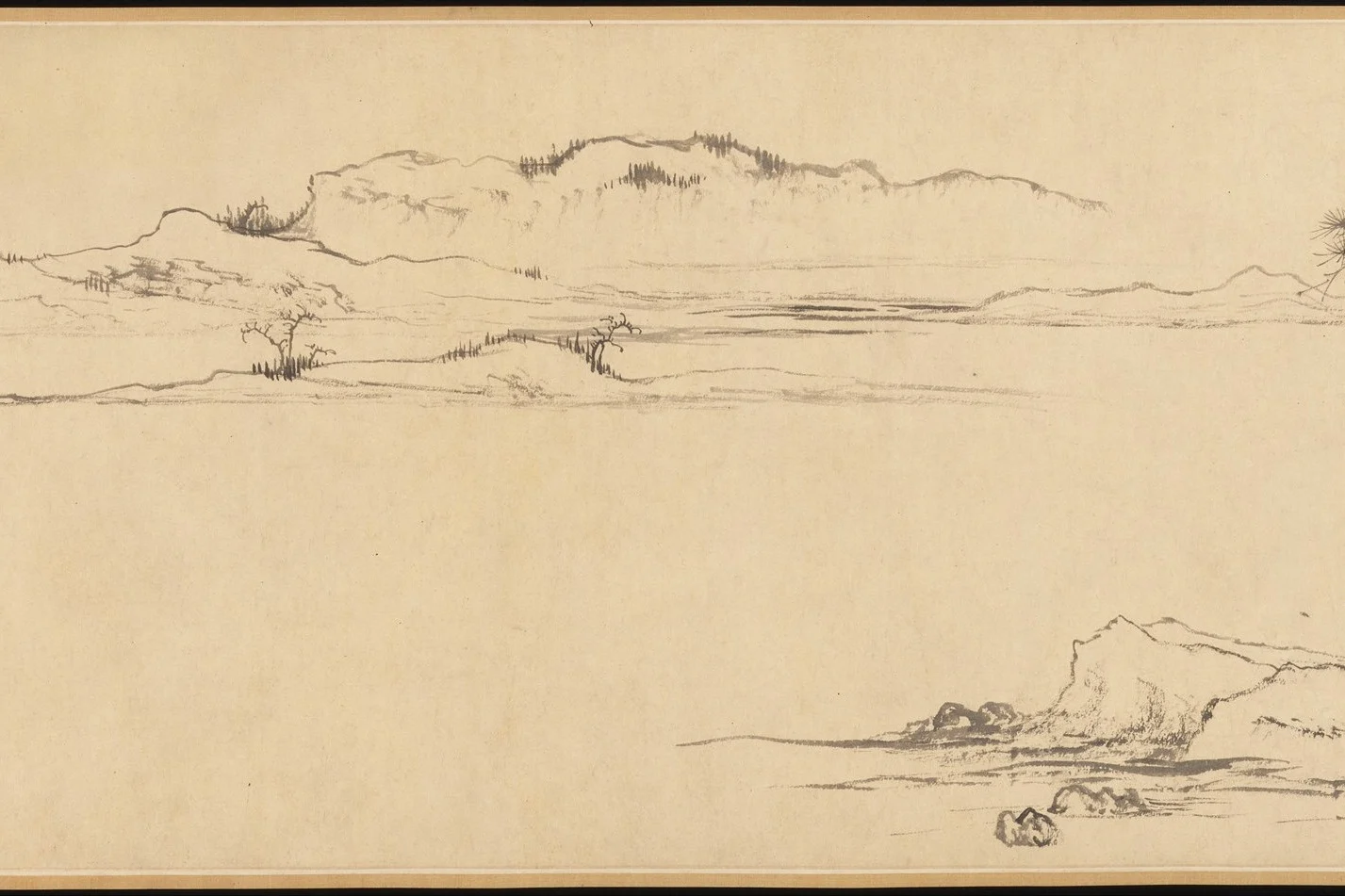 Zhao Mengfu
Twin Pines, Level Distance
ca. 1310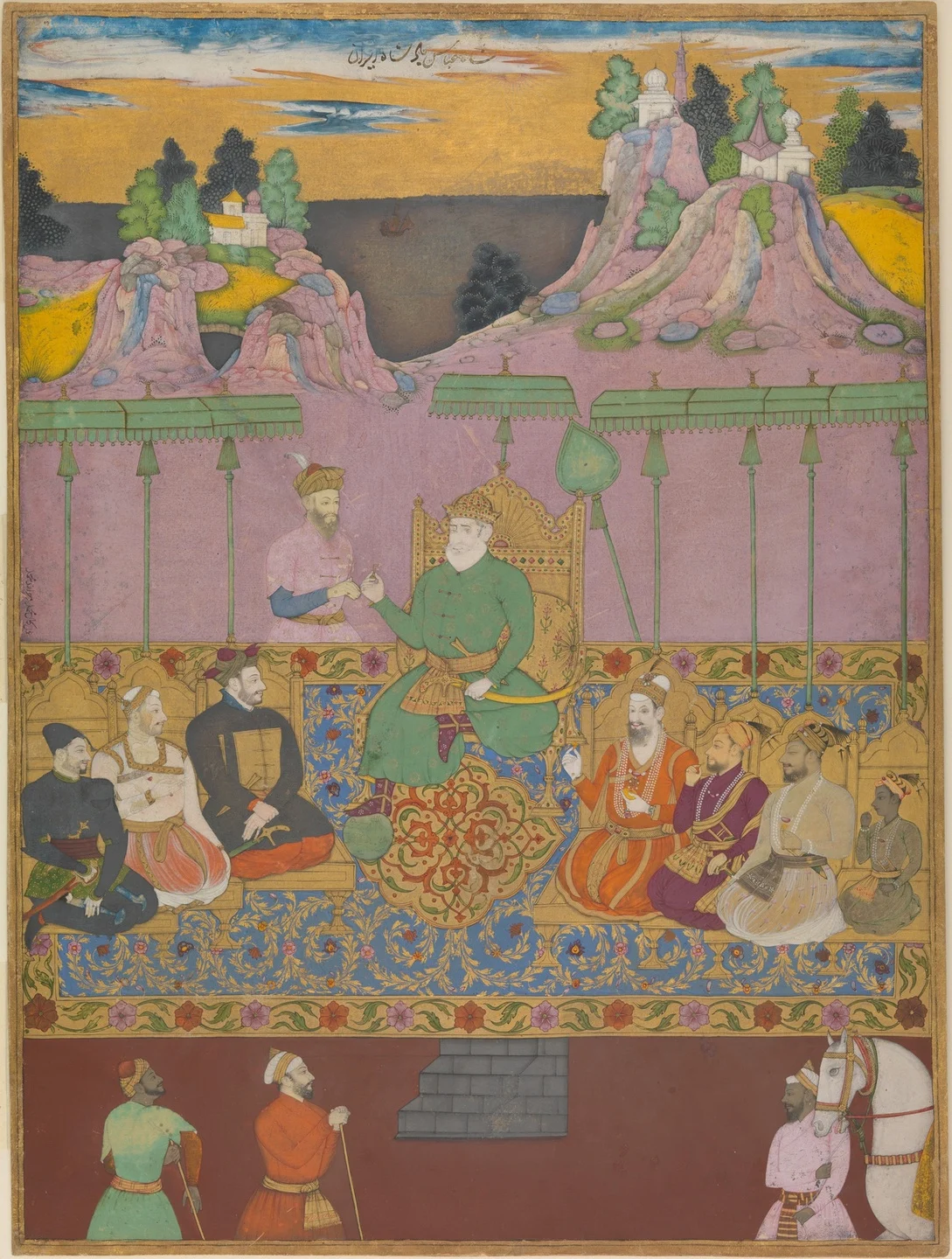 Kamal Muhammad and Chand Muhammad
The House of Bijapur
ca. 1680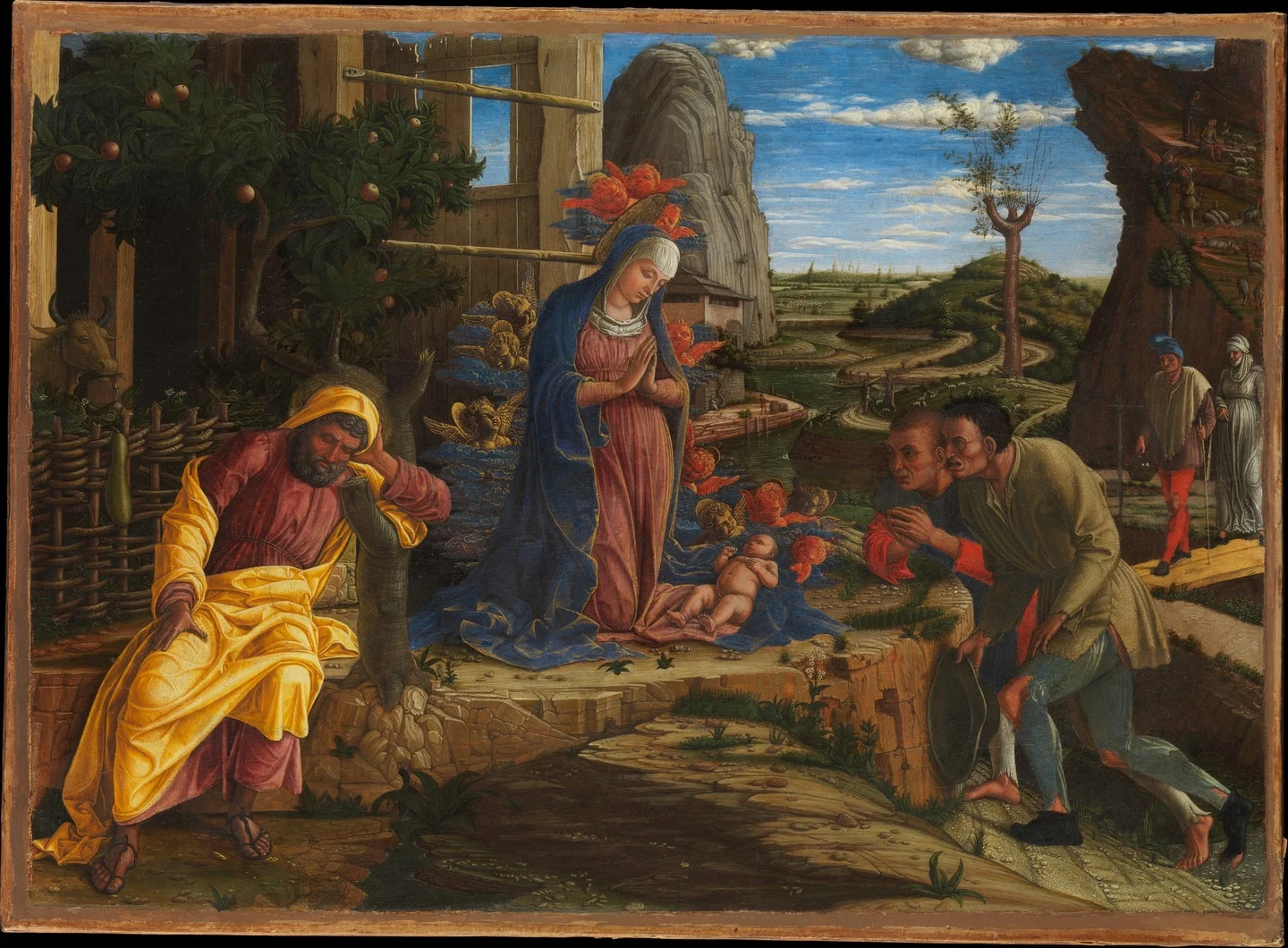 Andrea Mantegna
The Adoration of the Shepherds
shortly after 1450 Vincent van Gogh
Wheat Field with Cypresses
1889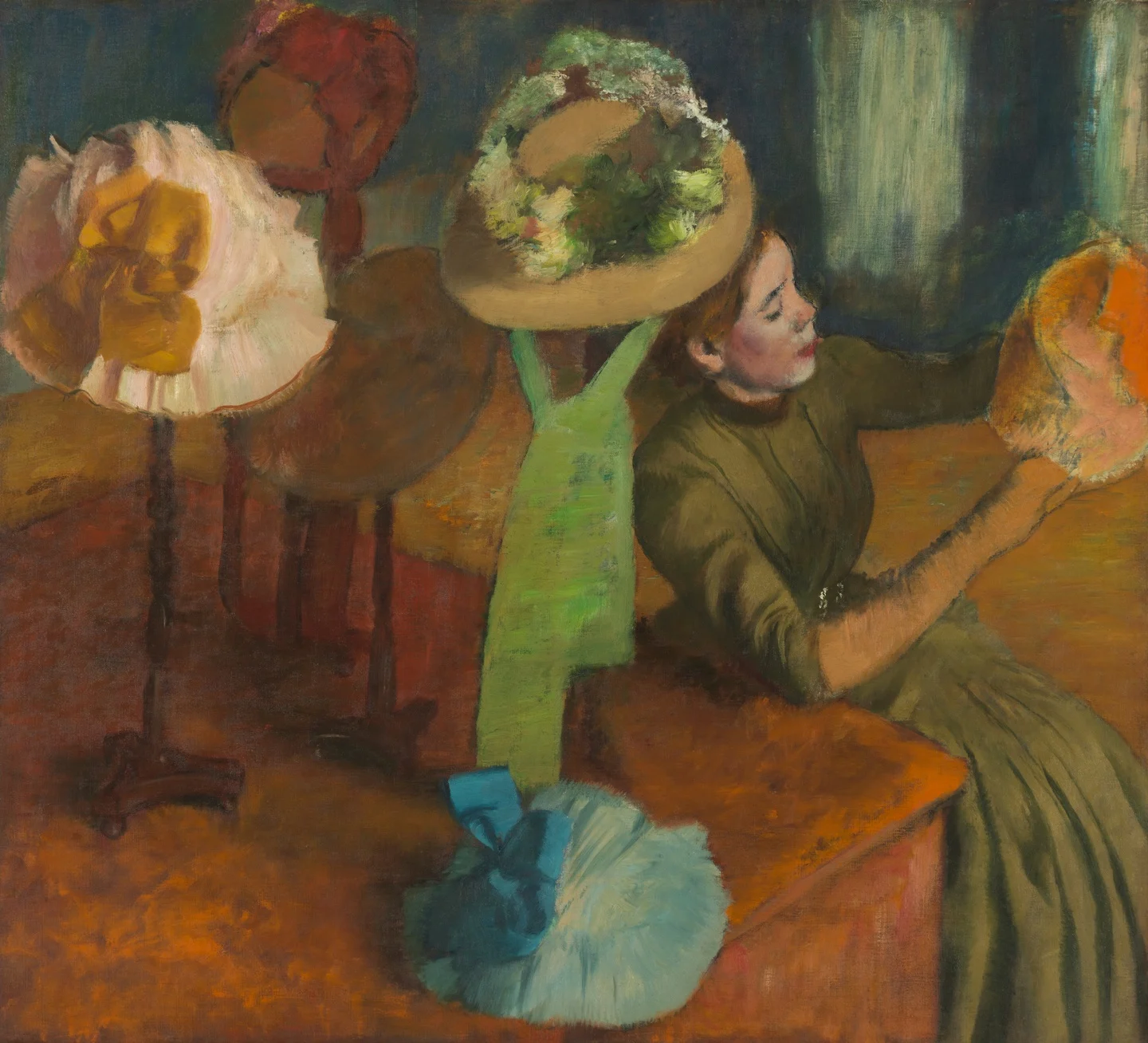 Hilaire Germain Edgar Degas
The Millinery Shop
1879-86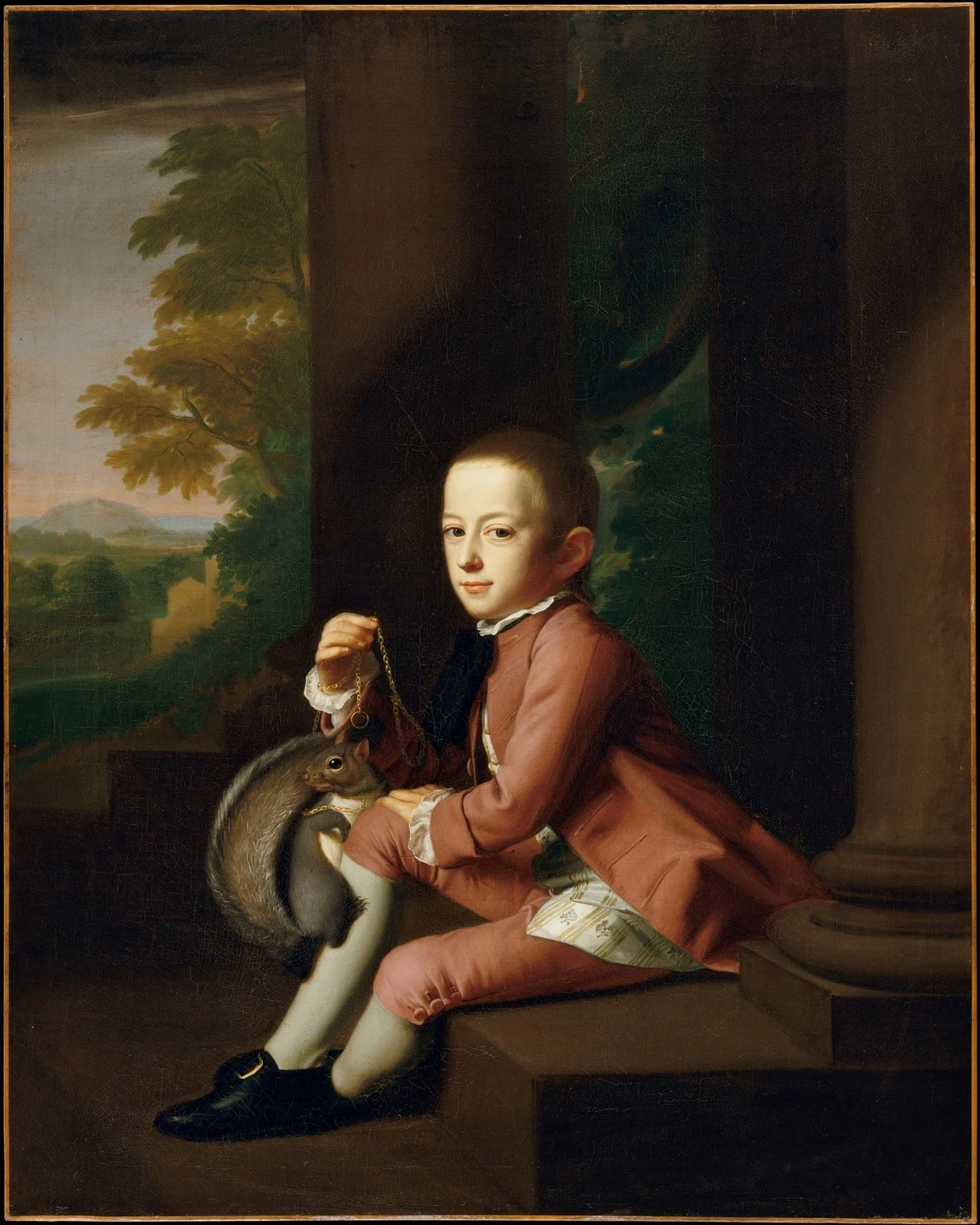 John Singleton Copley
Daniel Crommelin Verplanck
1771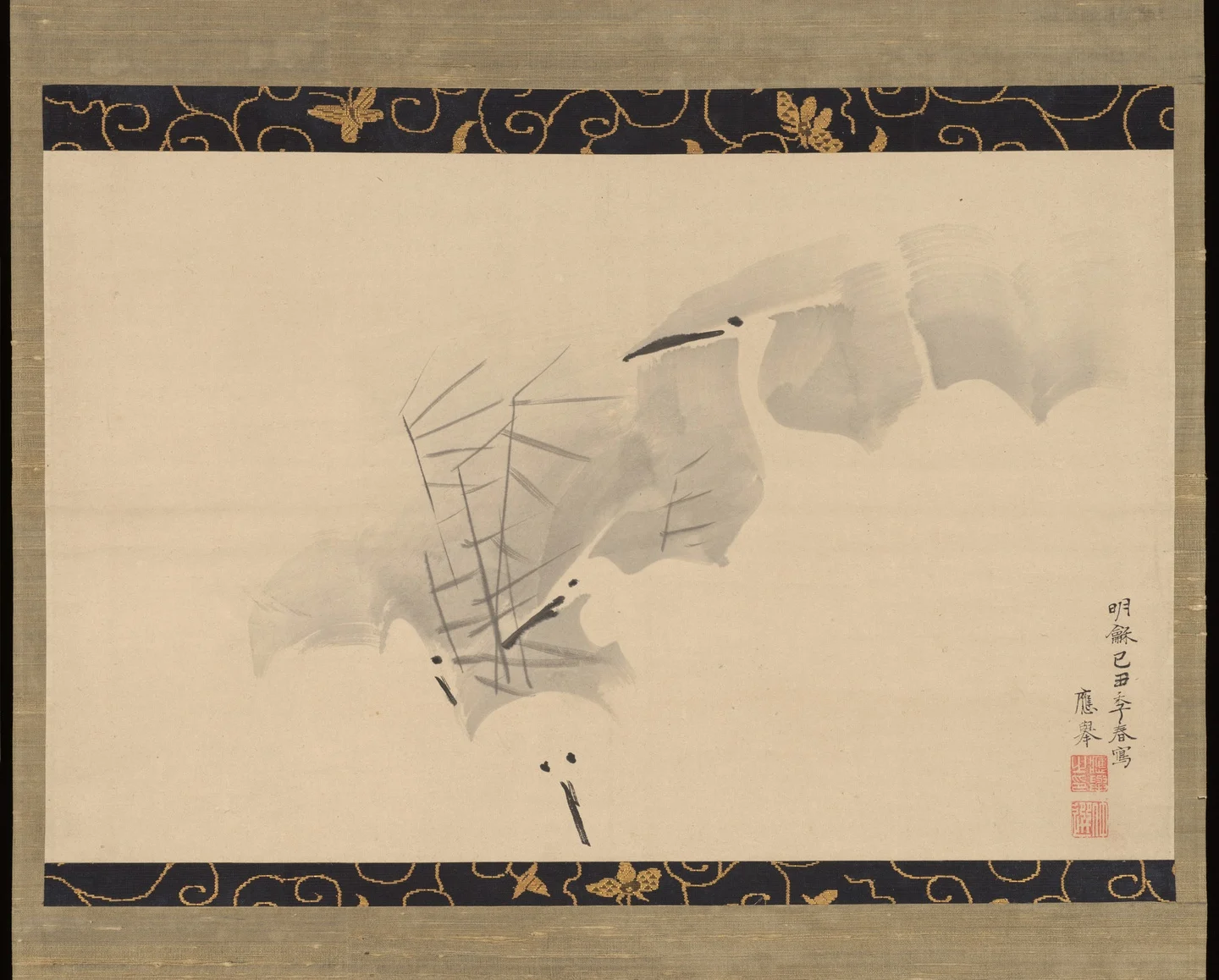 Maruyama Ōkyo
White Herons
1769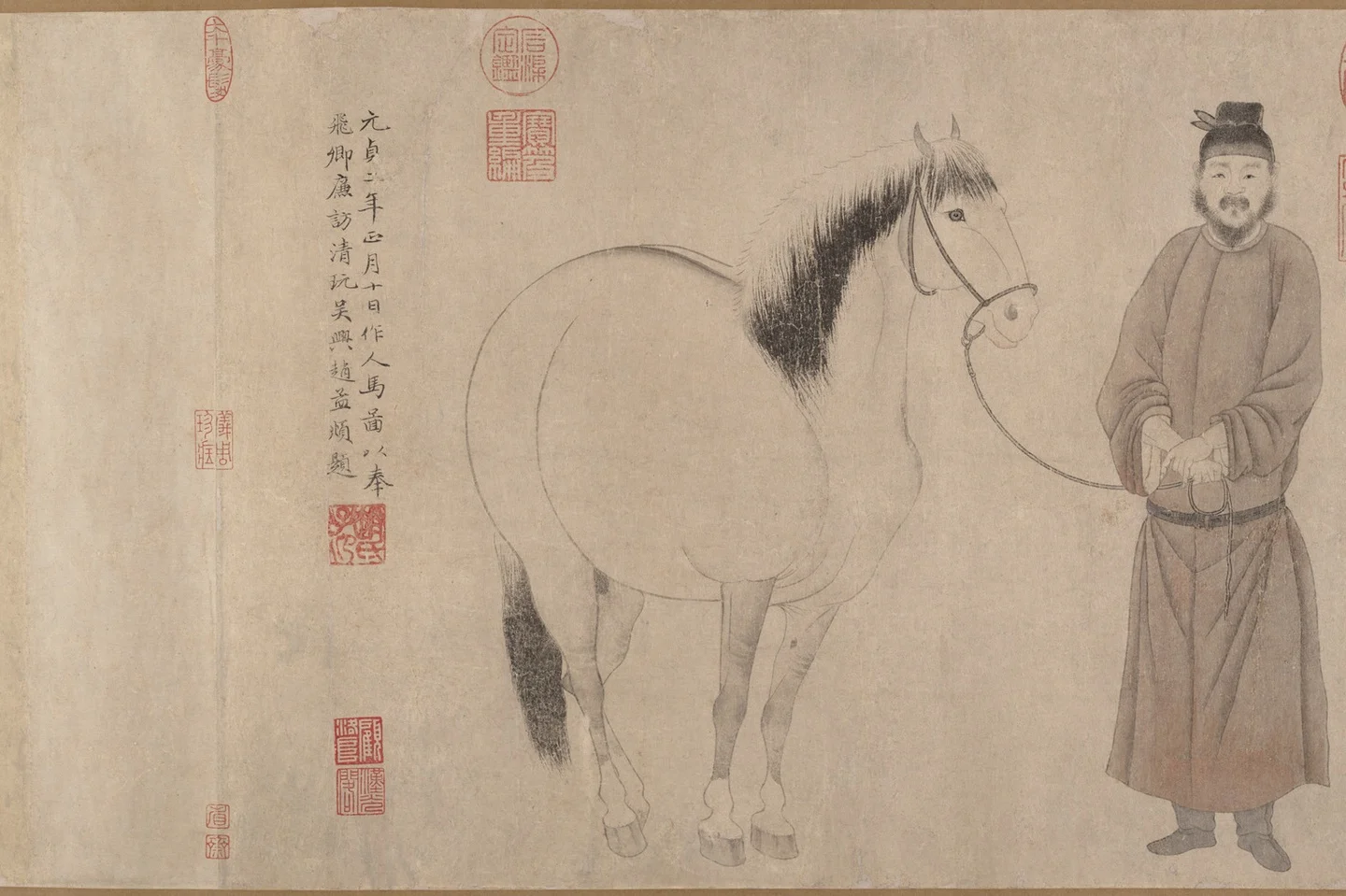 Zhao Mengfu, Zhao Yong and Zhao Lin
Grooms and horses
dated 1296 and 1359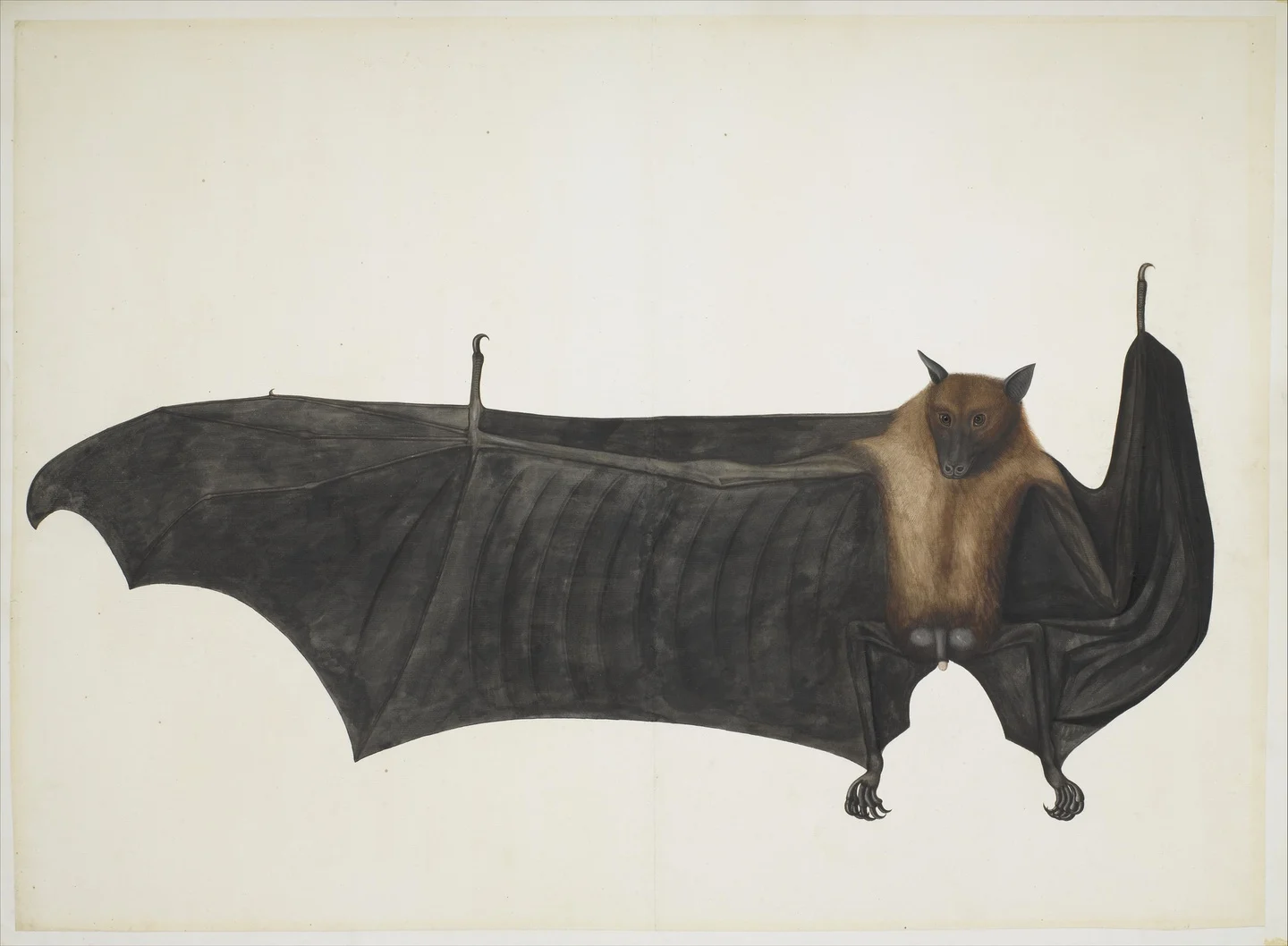 Attributed to Bhawani Das or a follower
Great Indian Fruit Bat
ca. 1777–82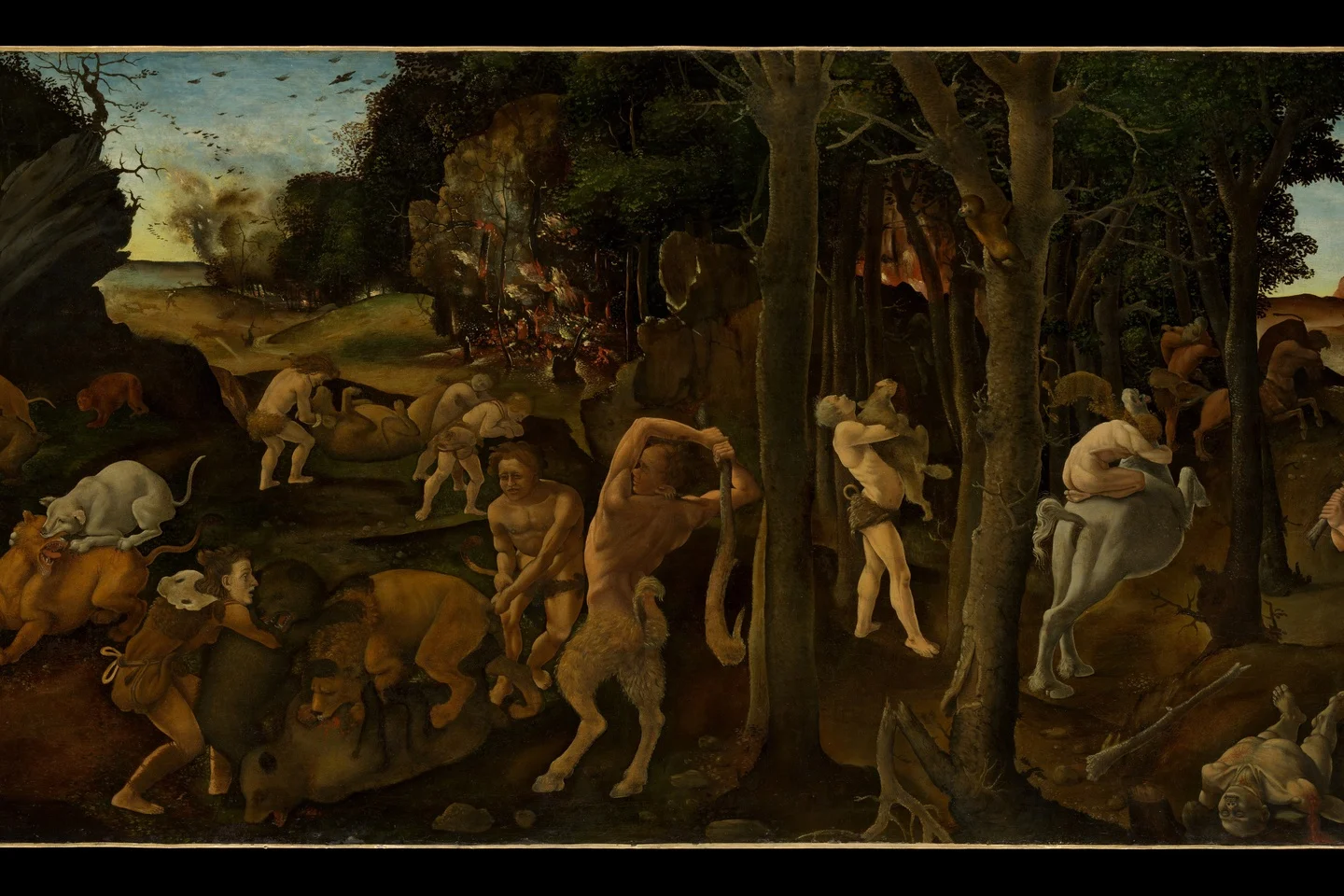 Piero di Cosimo
A Hunting Scene
ca. 1494–1500 Frans Hals
Merrymakers at Shrovetide
ca. 1616–17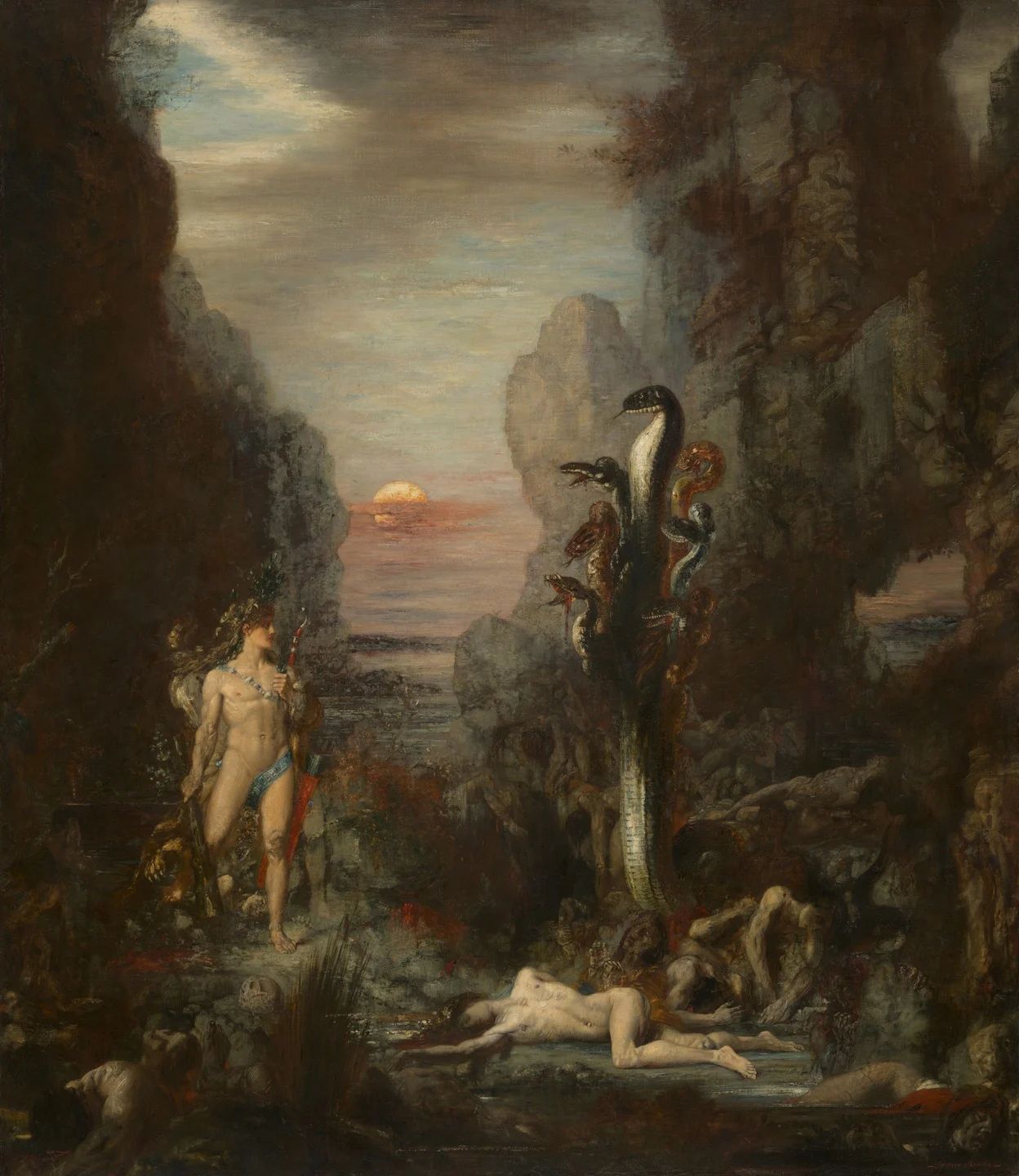 Gustave Moreau
Hercules and the Lernaean Hydra
1875–76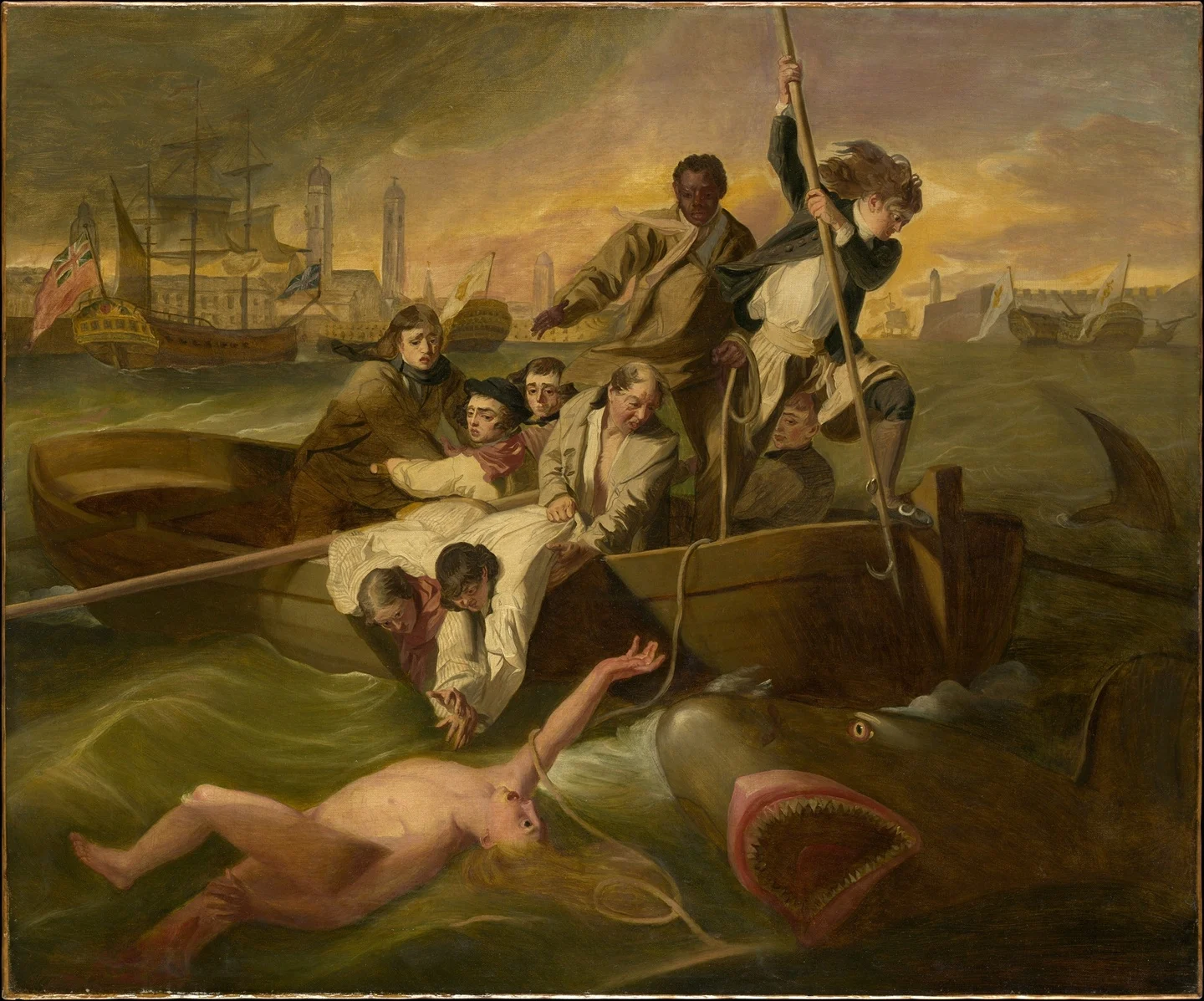 John Singleton Copley
Watson and the Shark
ca. 1778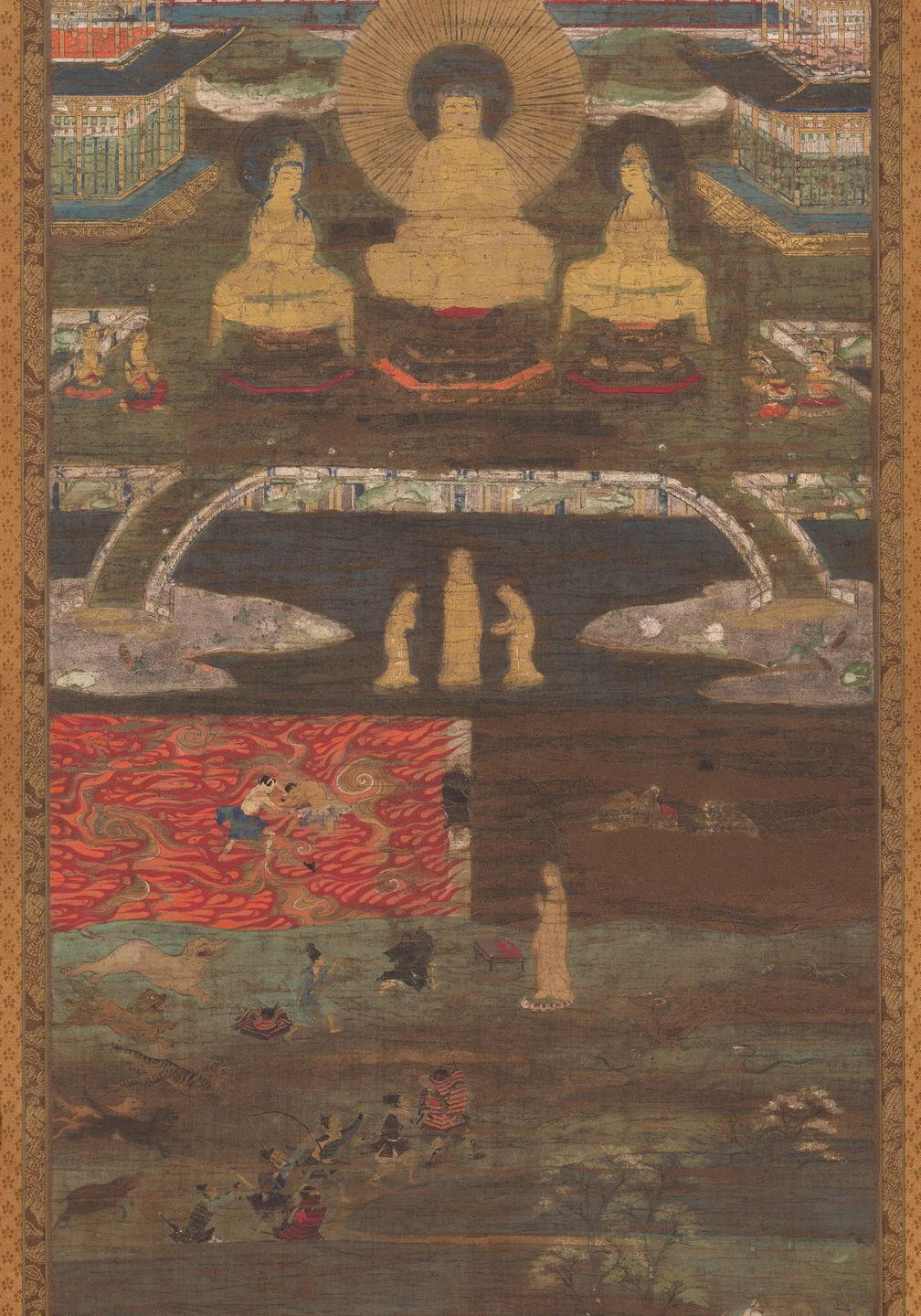 Unidentified Japanese painters
The White Path Between Two Rivers
1200s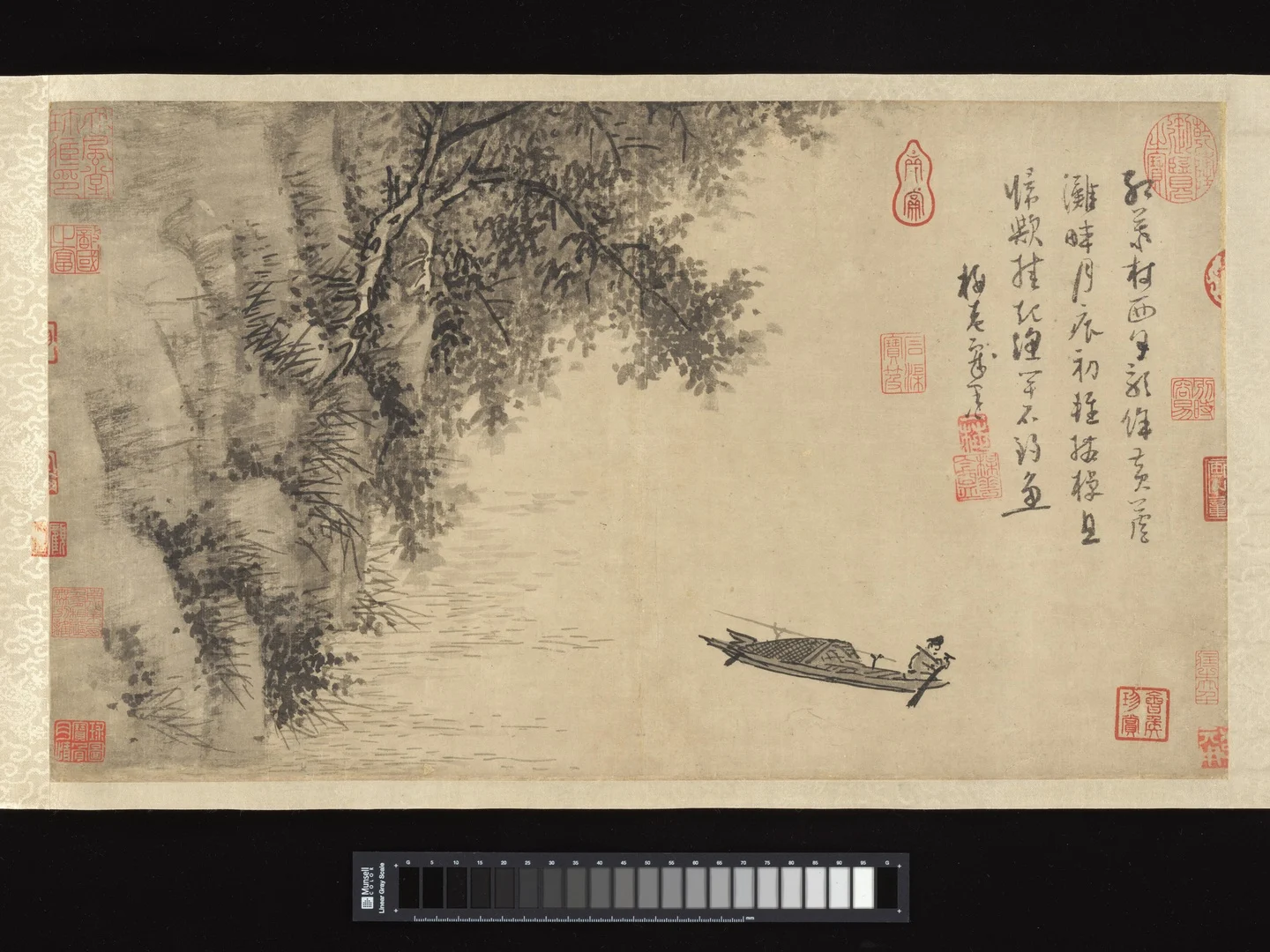 Wu Zhen
Fisherman
ca. 1350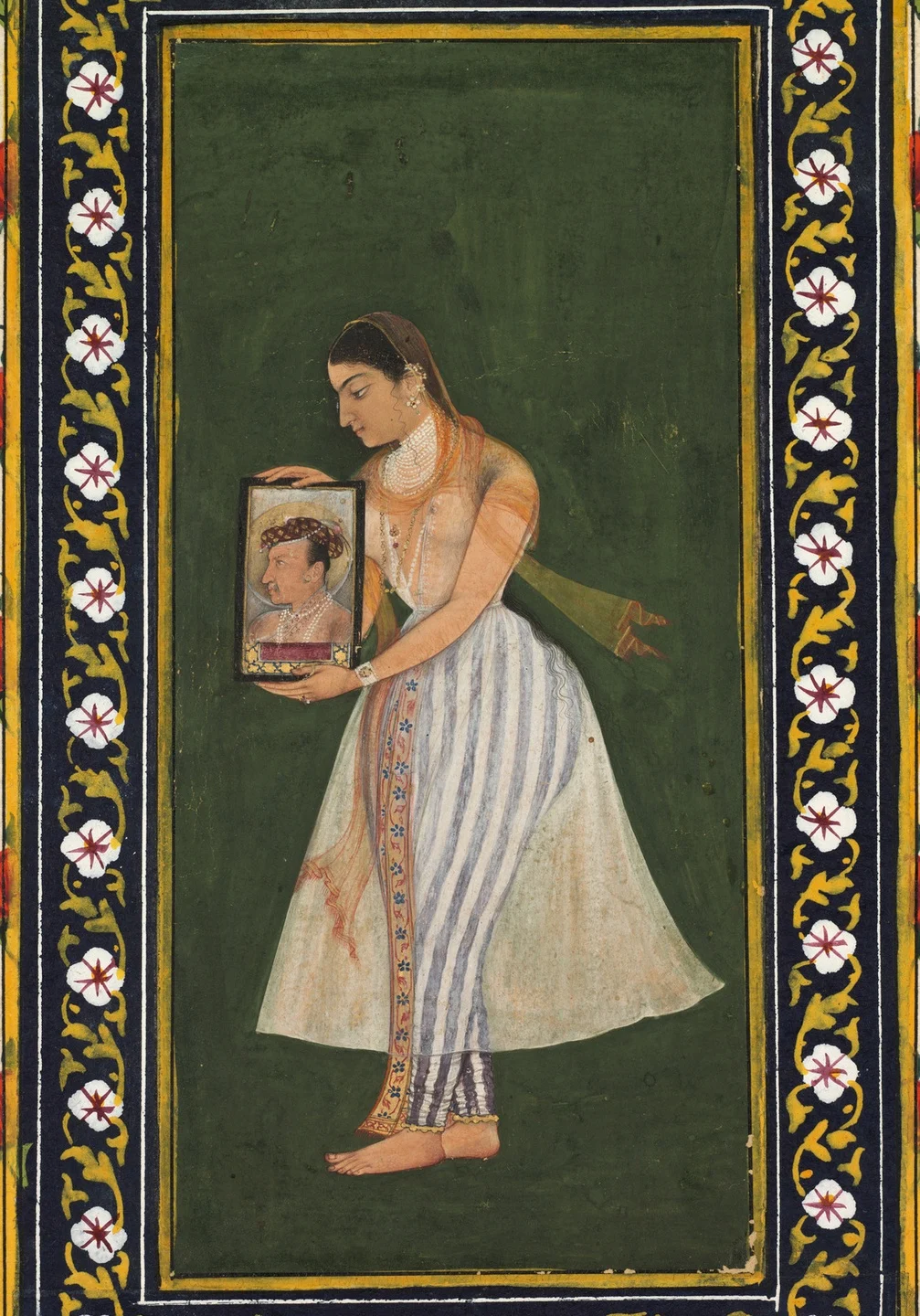 Attributed to Bishandas
Nur Jahan holding a portrait of Emperor Jahangir
c. 1627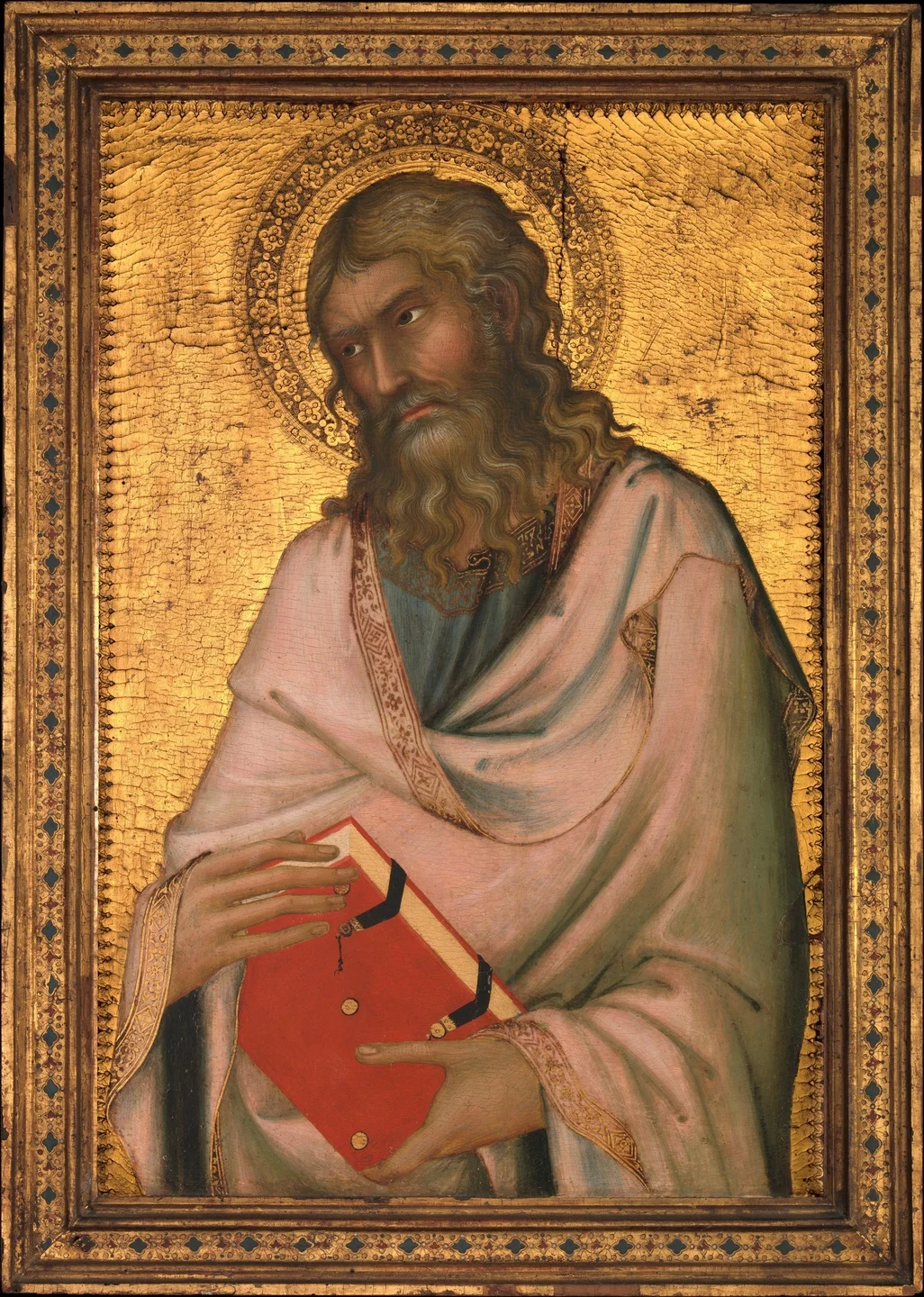 Simone Martini
Saint Andrew
ca. 1326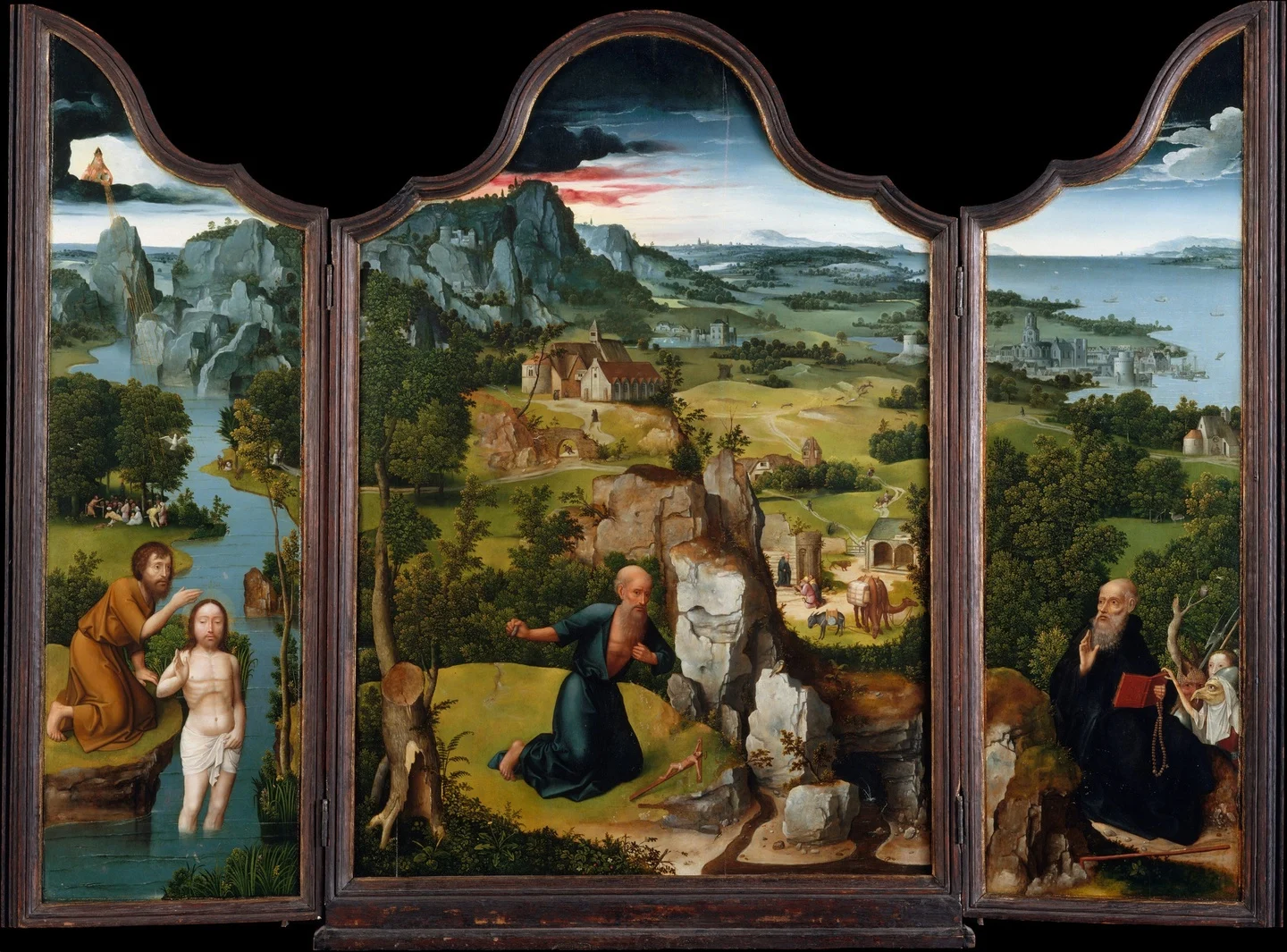 Joachim Patinir
The Penitence of Saint Jerome
ca. 1515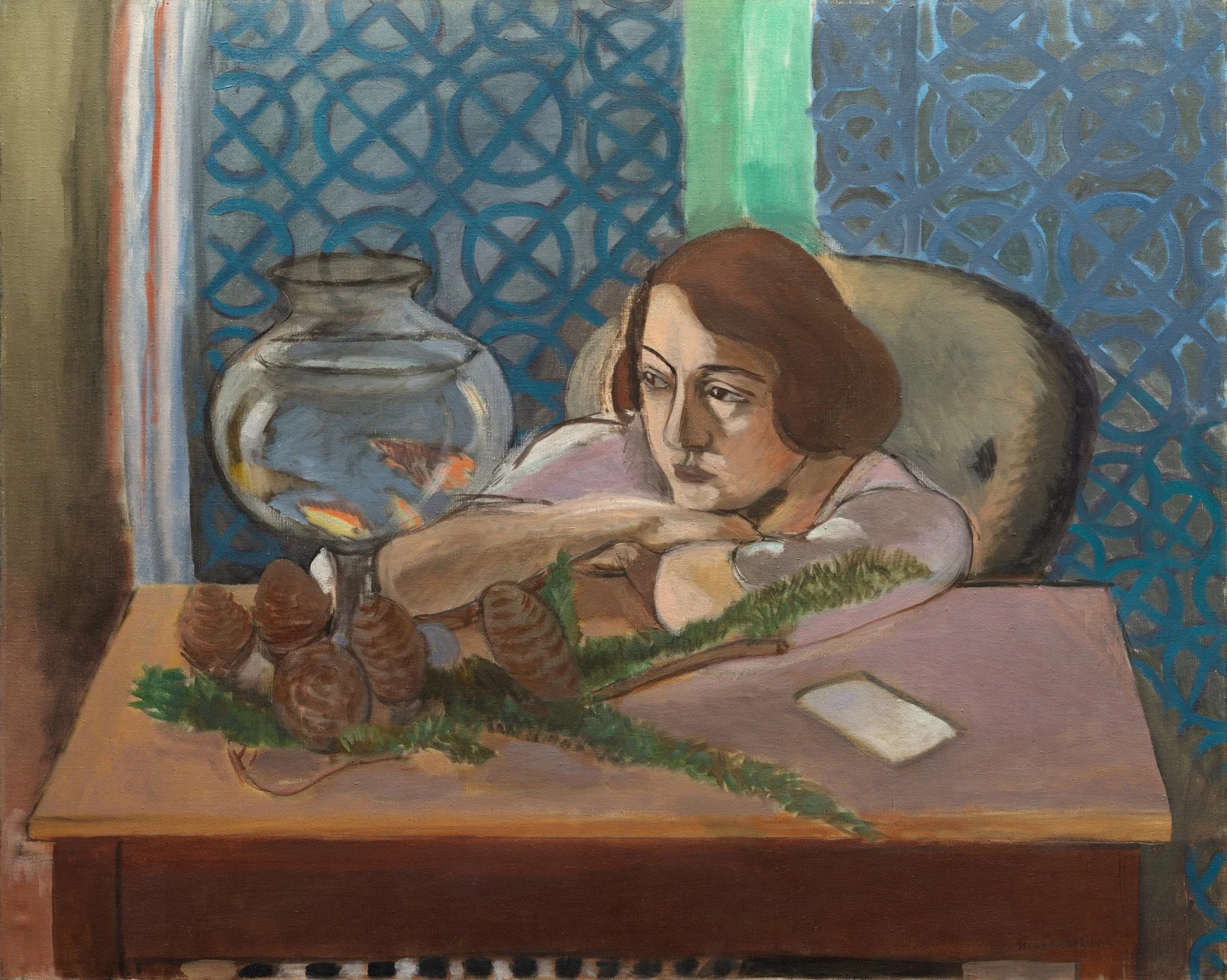 Henri Matisse
Woman before an Aquarium
1921–23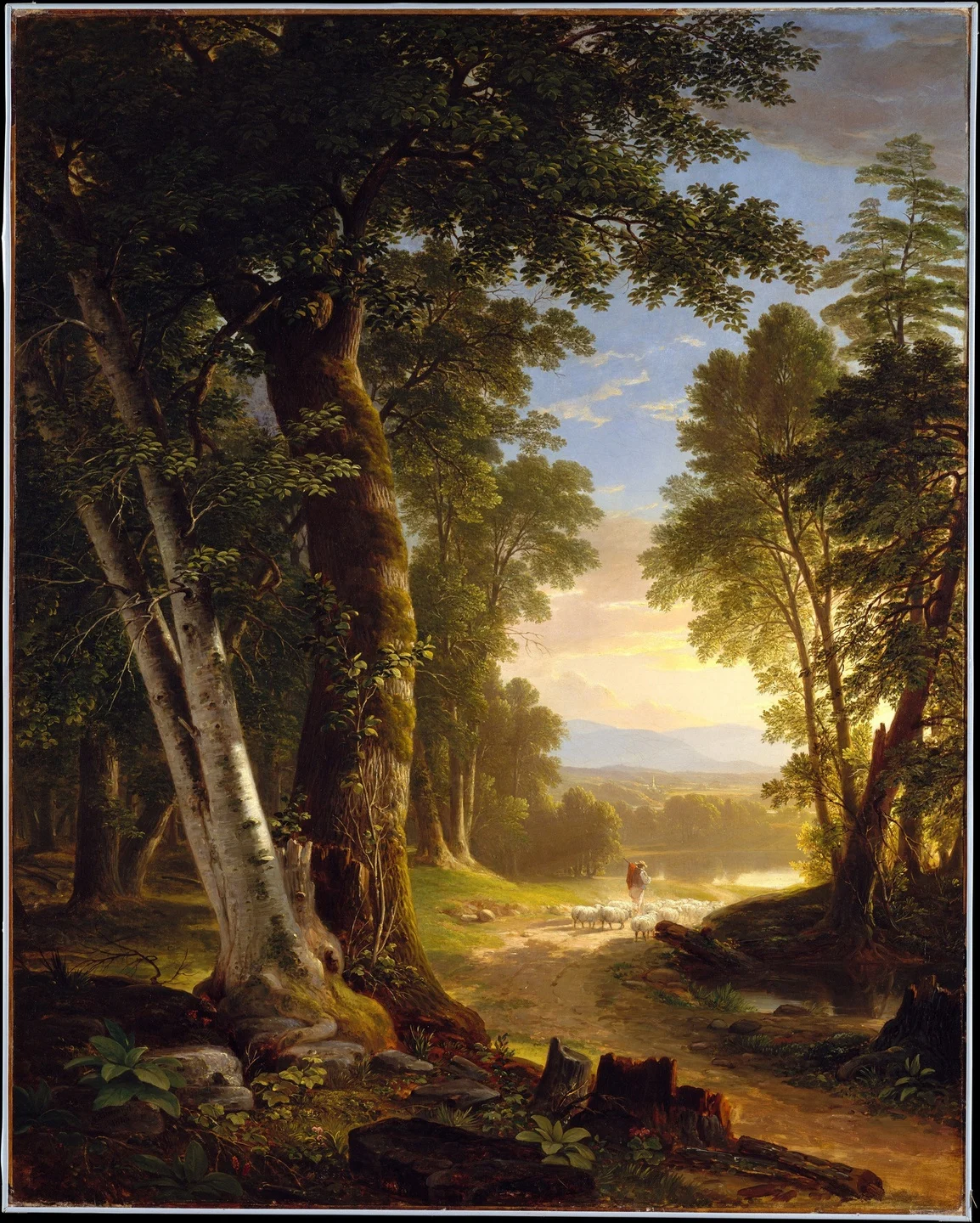 Asher Brown Durand
The Beeches
1845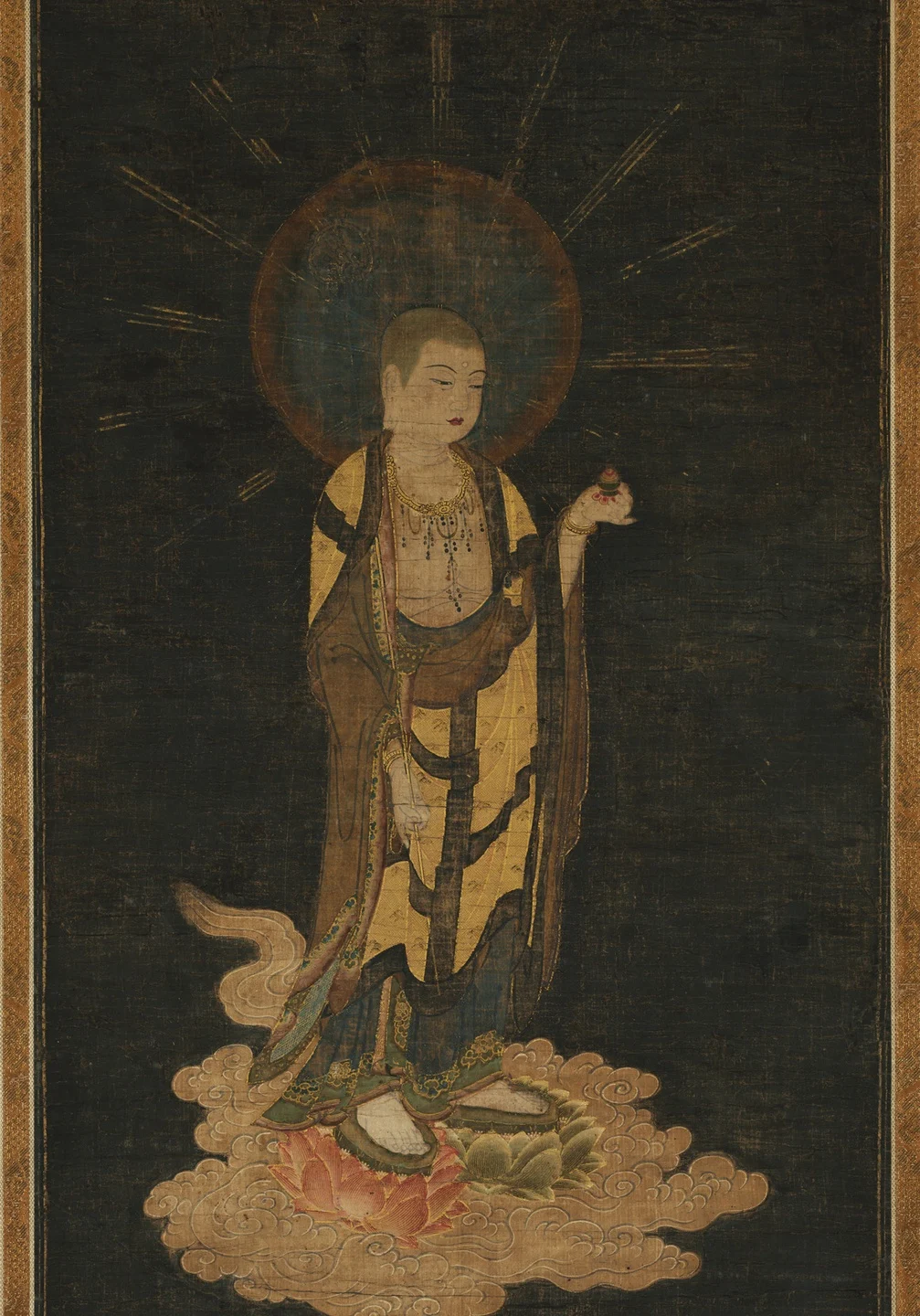 Unidentified Japanese painters
Welcoming Descent of Jizō
1200s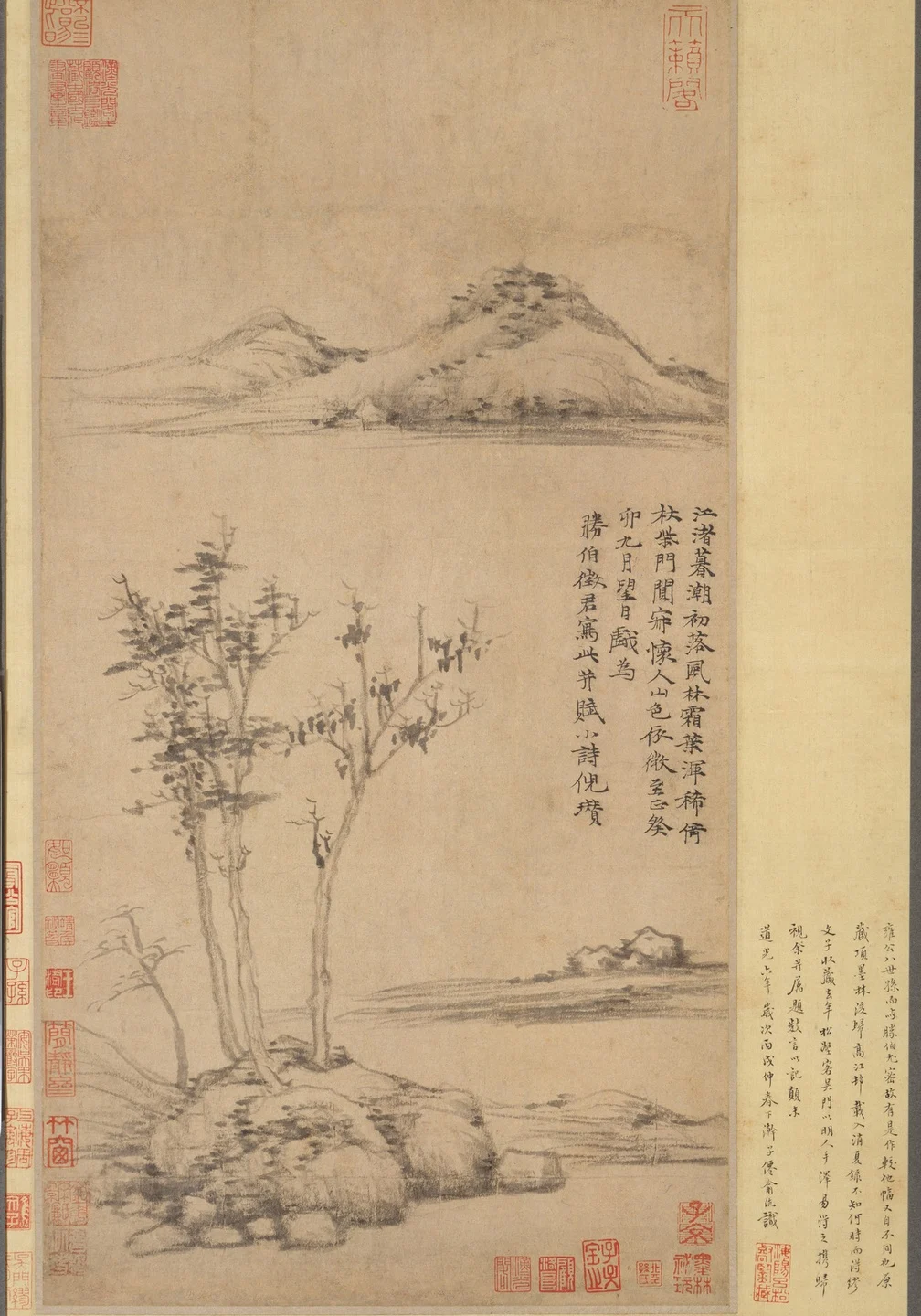 Ni Zan
Wind among the Trees on the Riverbank
1363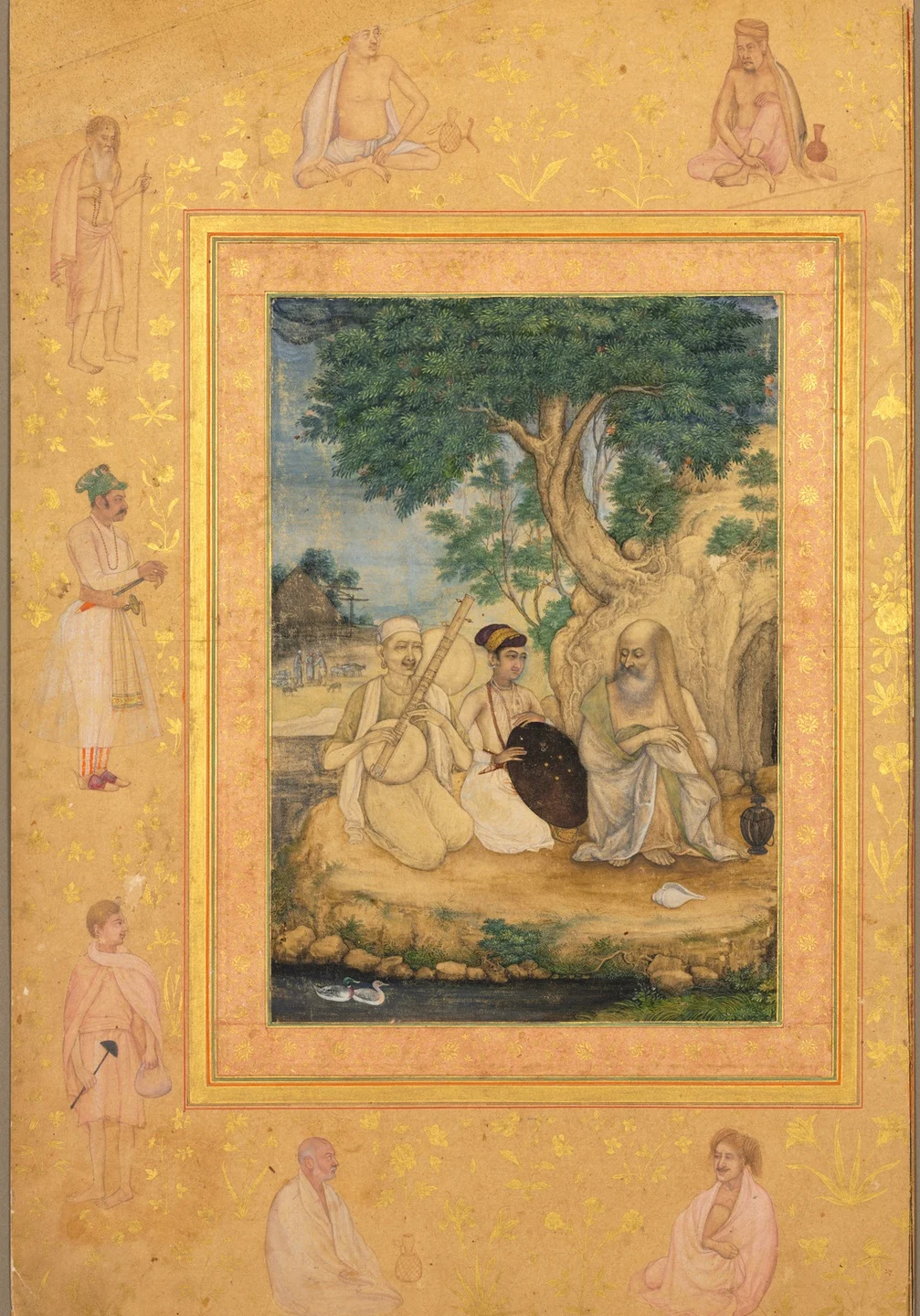 Attributed to Painting by Govardhan
Prince and ascetics, from the Late Shah Jahan Album
c. 1630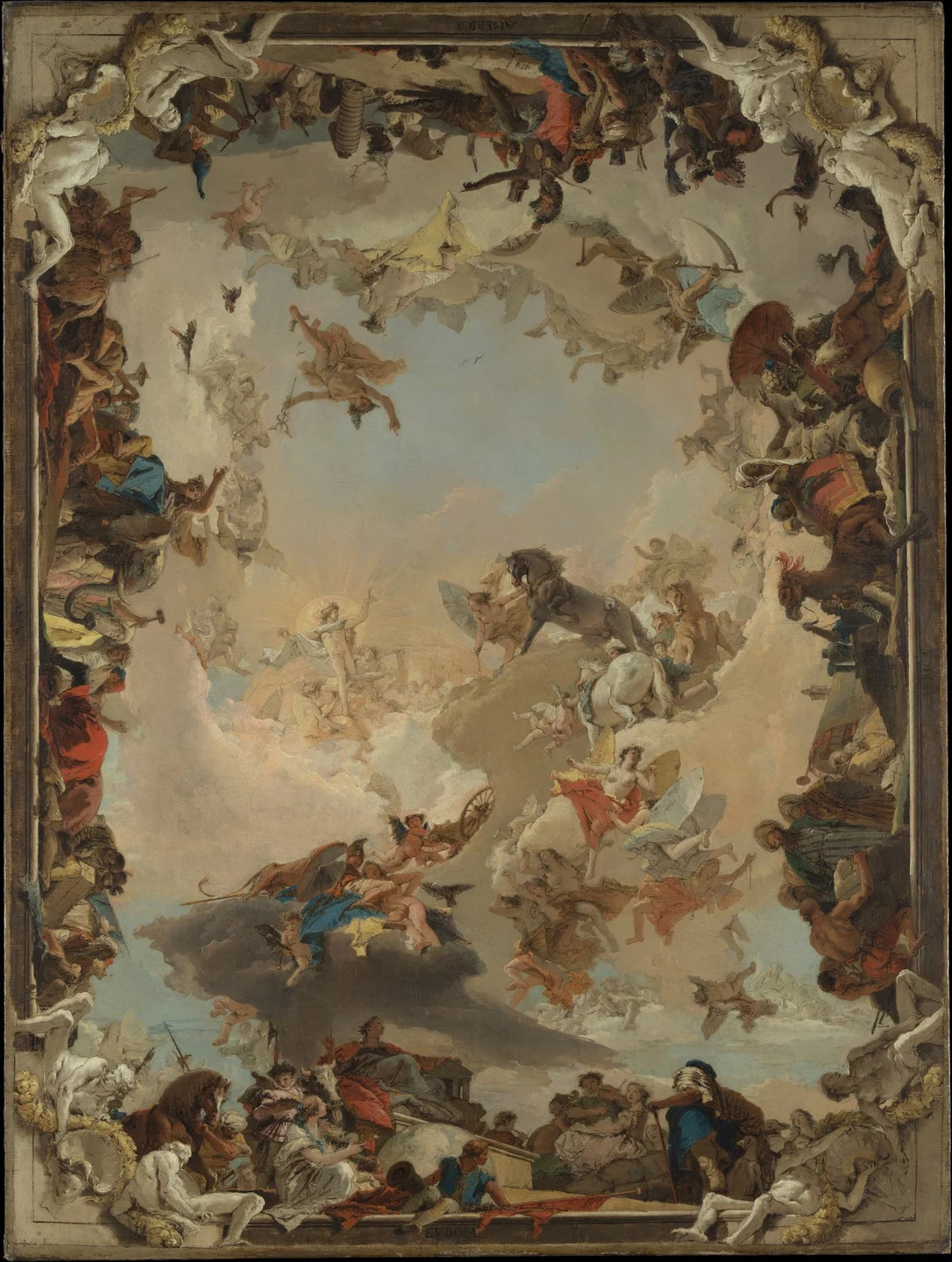 Giovanni Battista Tiepolo
Allegory of the Planets and Continents
1752 Rembrandt van Rijn
Aristotle with a Bust of Homer
1653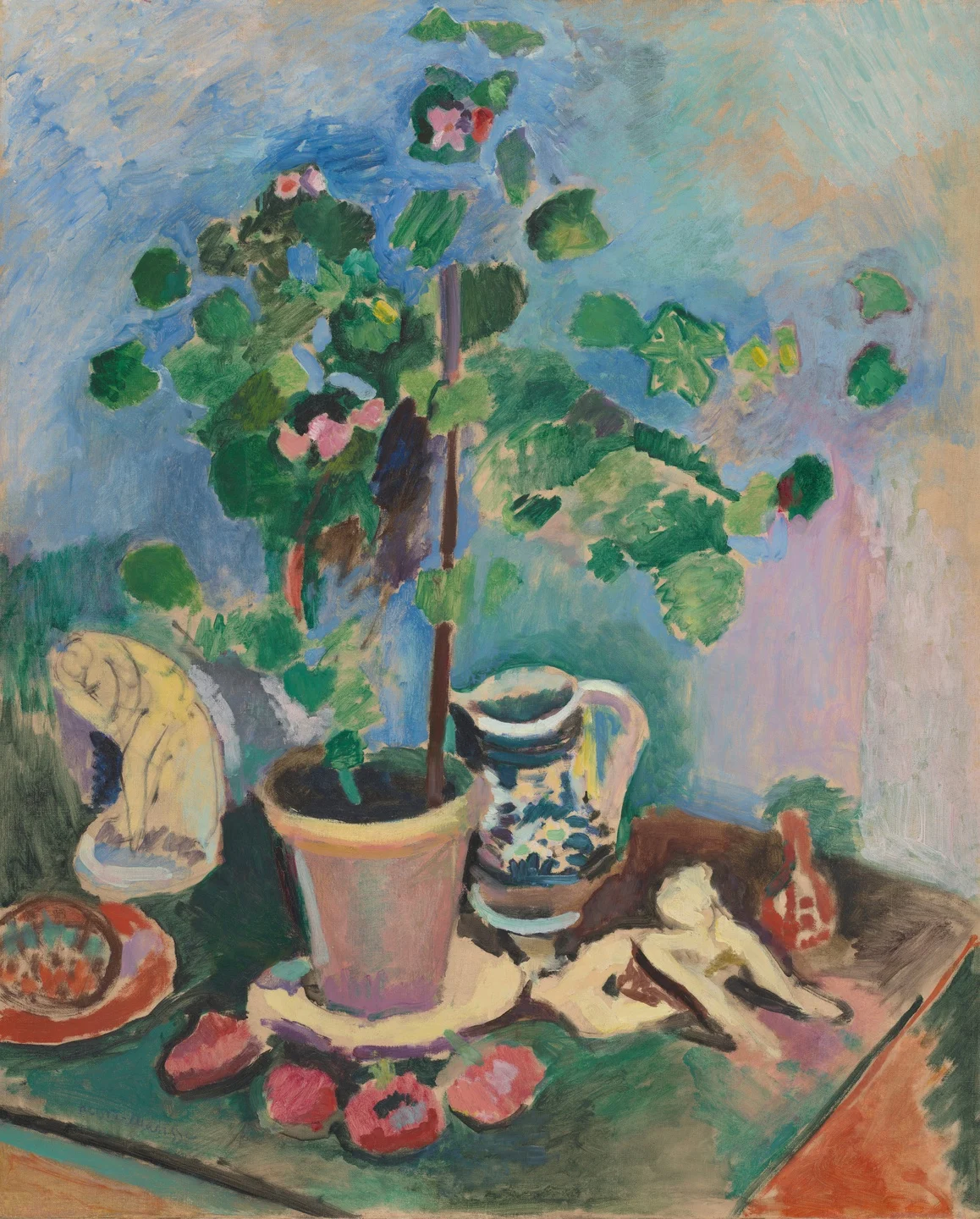 Henri Matisse
Still Life with Geranium
1906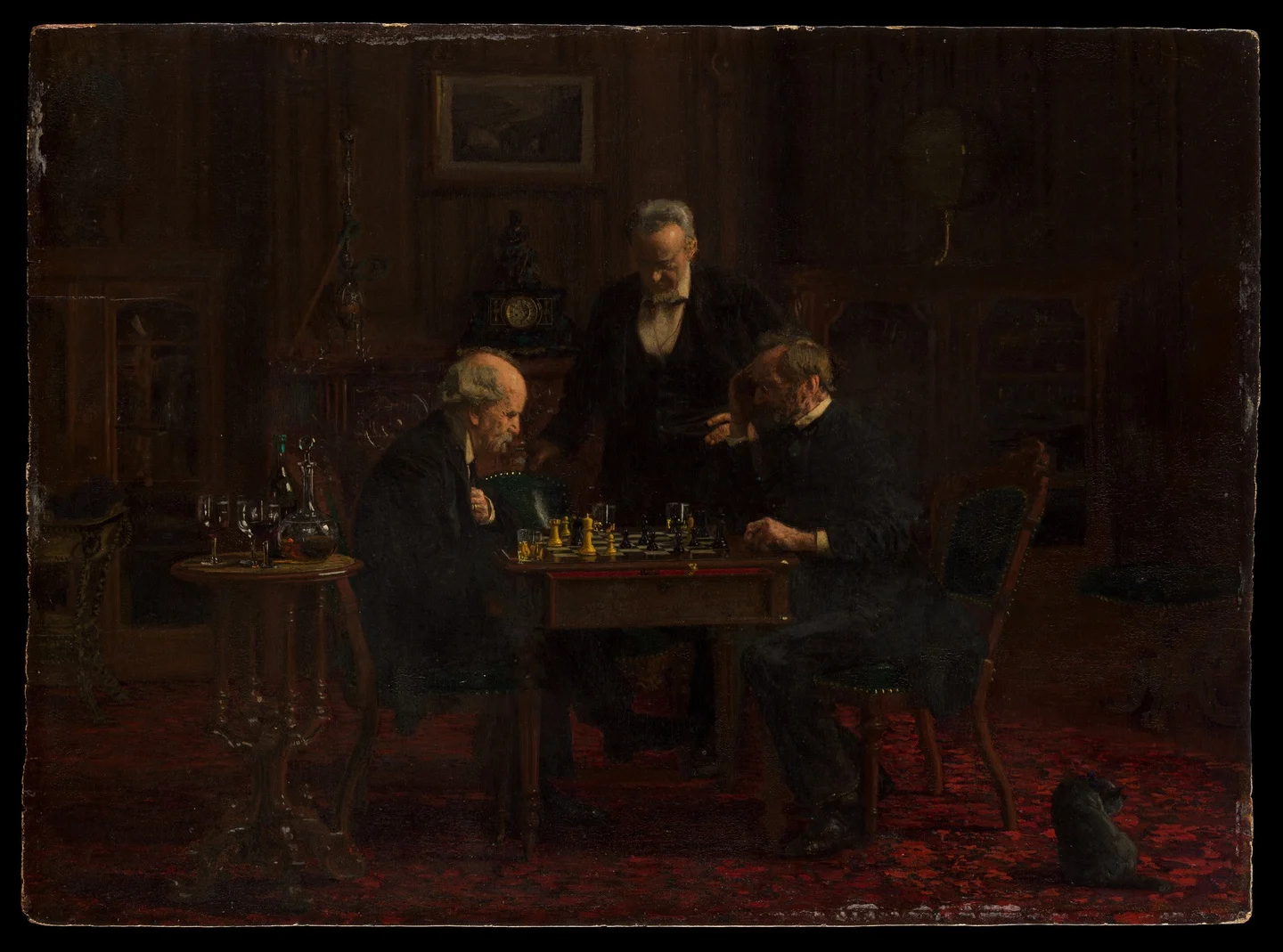 Thomas Eakins