Paintings · 6
Browse paintings by title and artist. Explore reproductions in detail, read the stories behind the artworks and open a free audio guide.
Open the gallery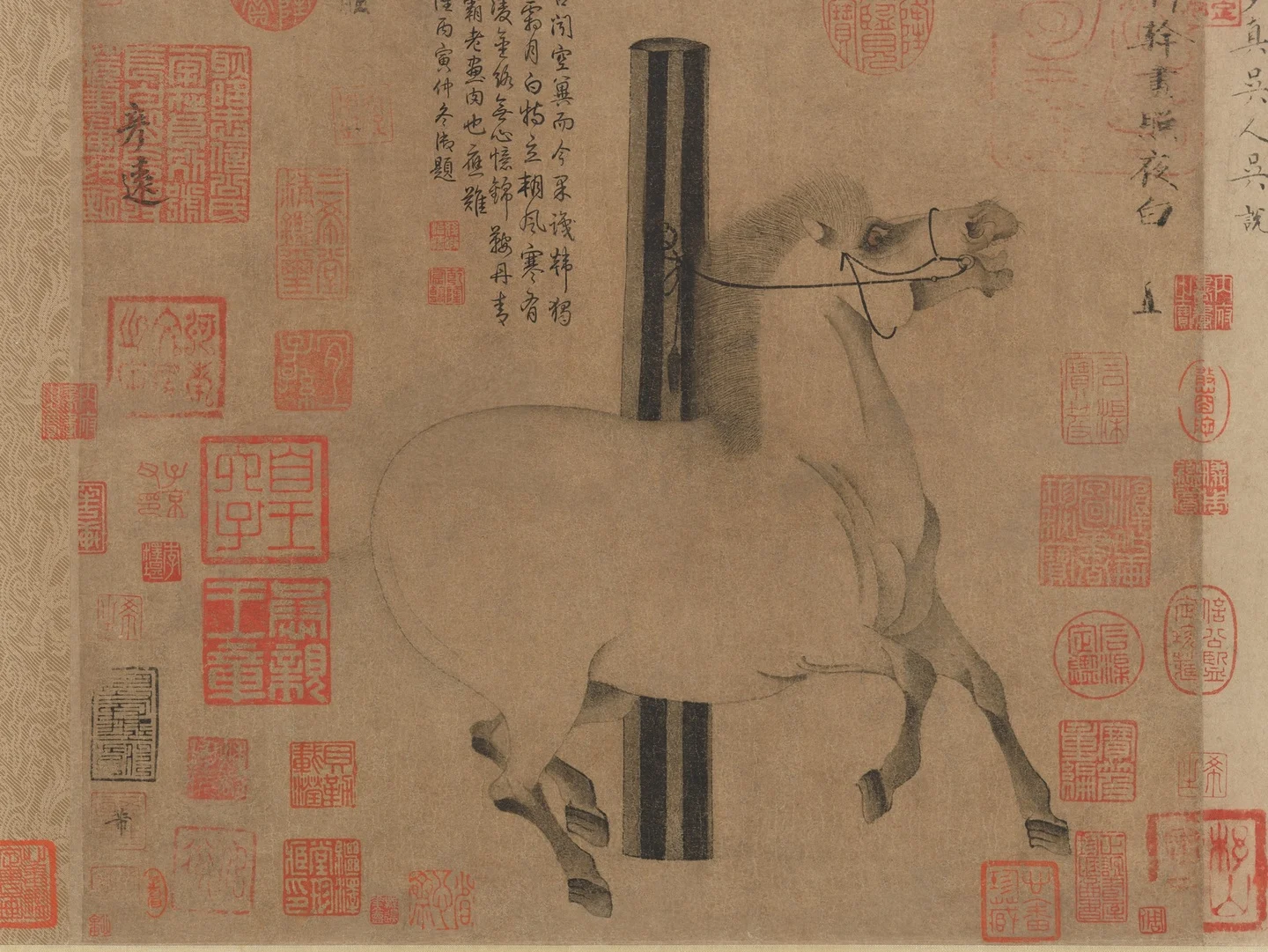 Han Gan
Night-Shining White
ca. 750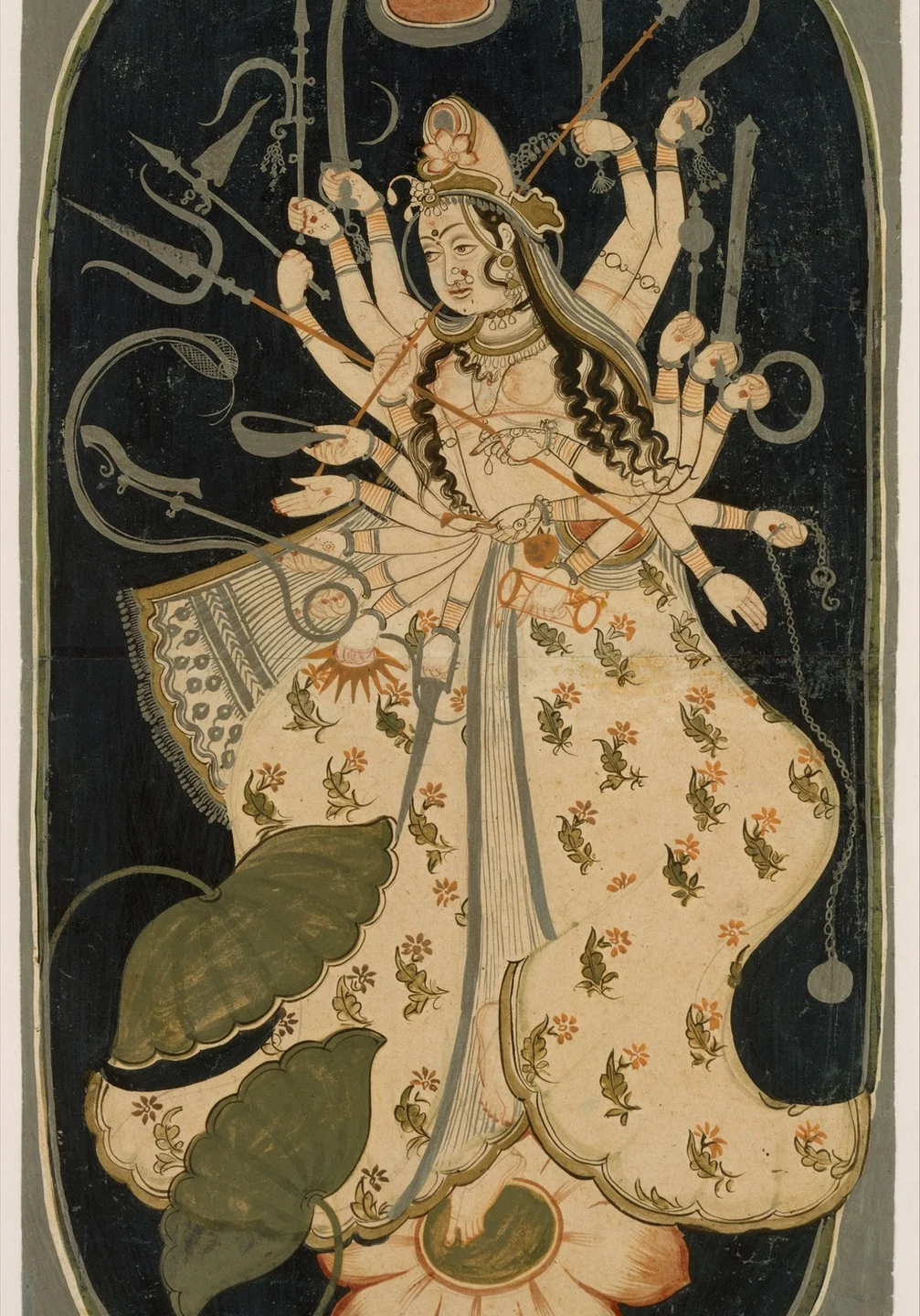 Unidentified Bikaner painter
Mahadevi, the Great Goddess
ca. 1725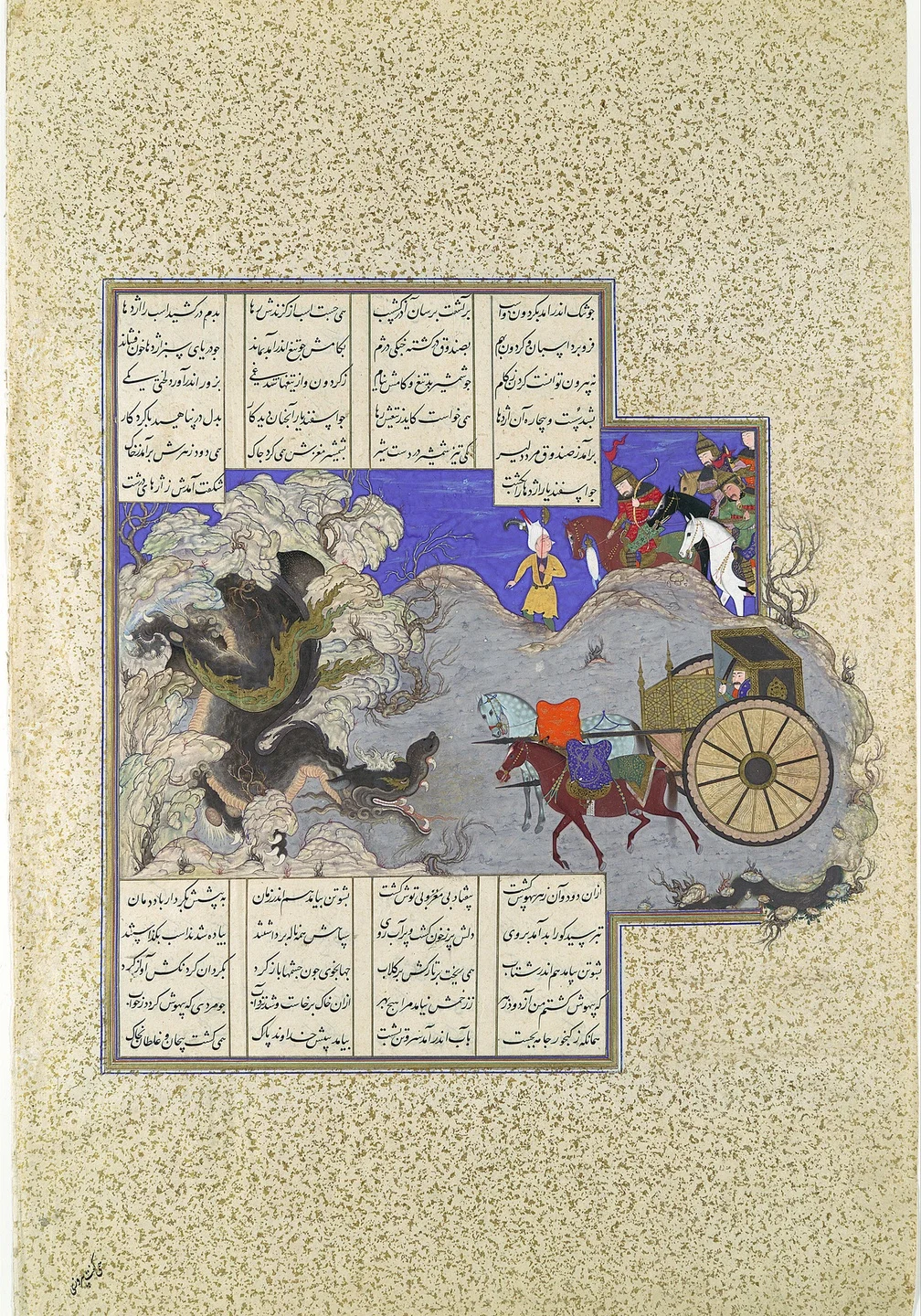 Attributed to Painting attributed to Qasim ibn 'Ali
"Isfandiyar's Third Course: He Slays a Dragon", Folio 434v from the Shahnama (Book of Kings) of Shah Tahmasp
ca. 1530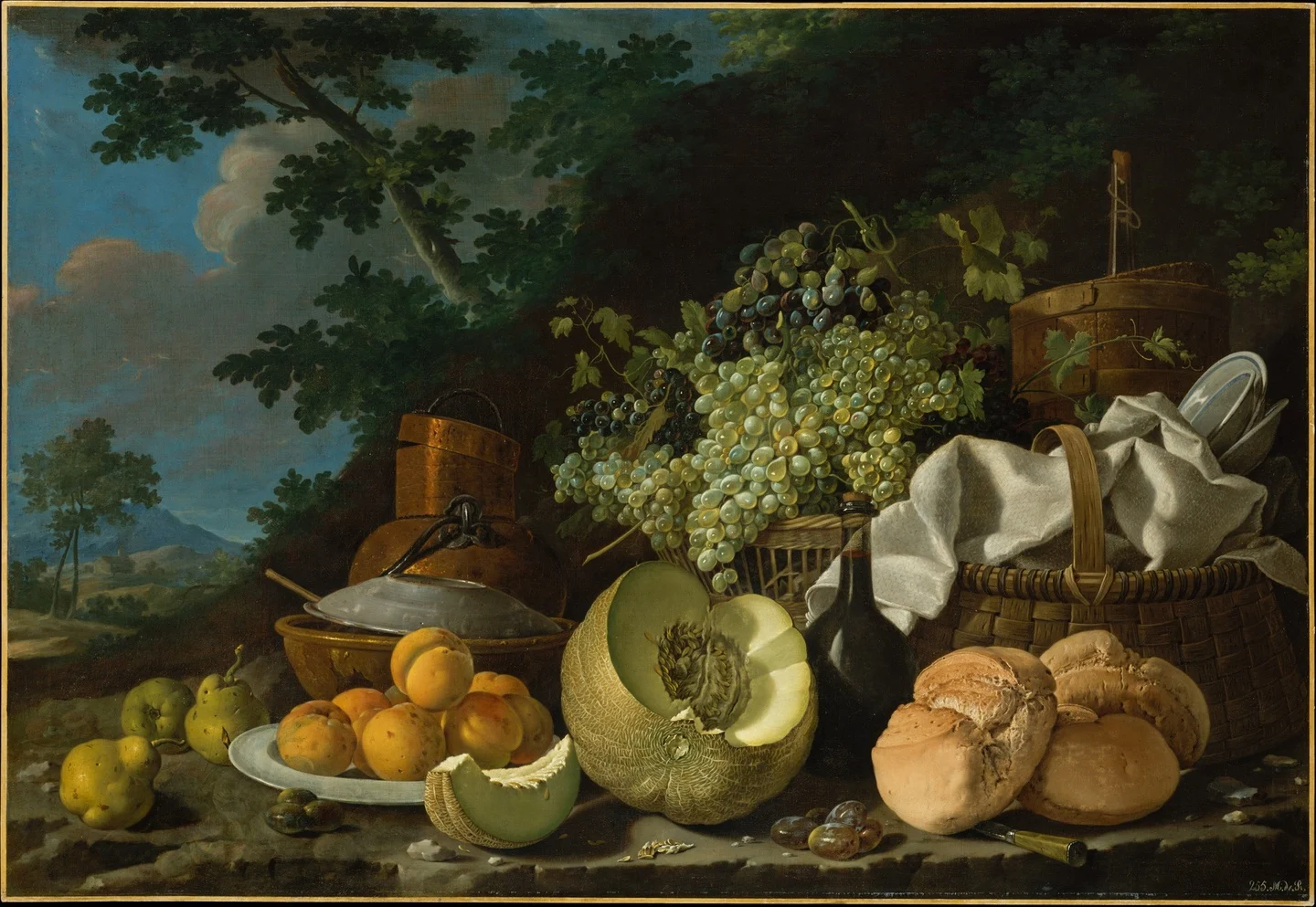 Luis Meléndez
The Afternoon Meal (La Merienda)
ca. 1772 Sandro Botticelli
The Last Communion of Saint Jerome
early 1490s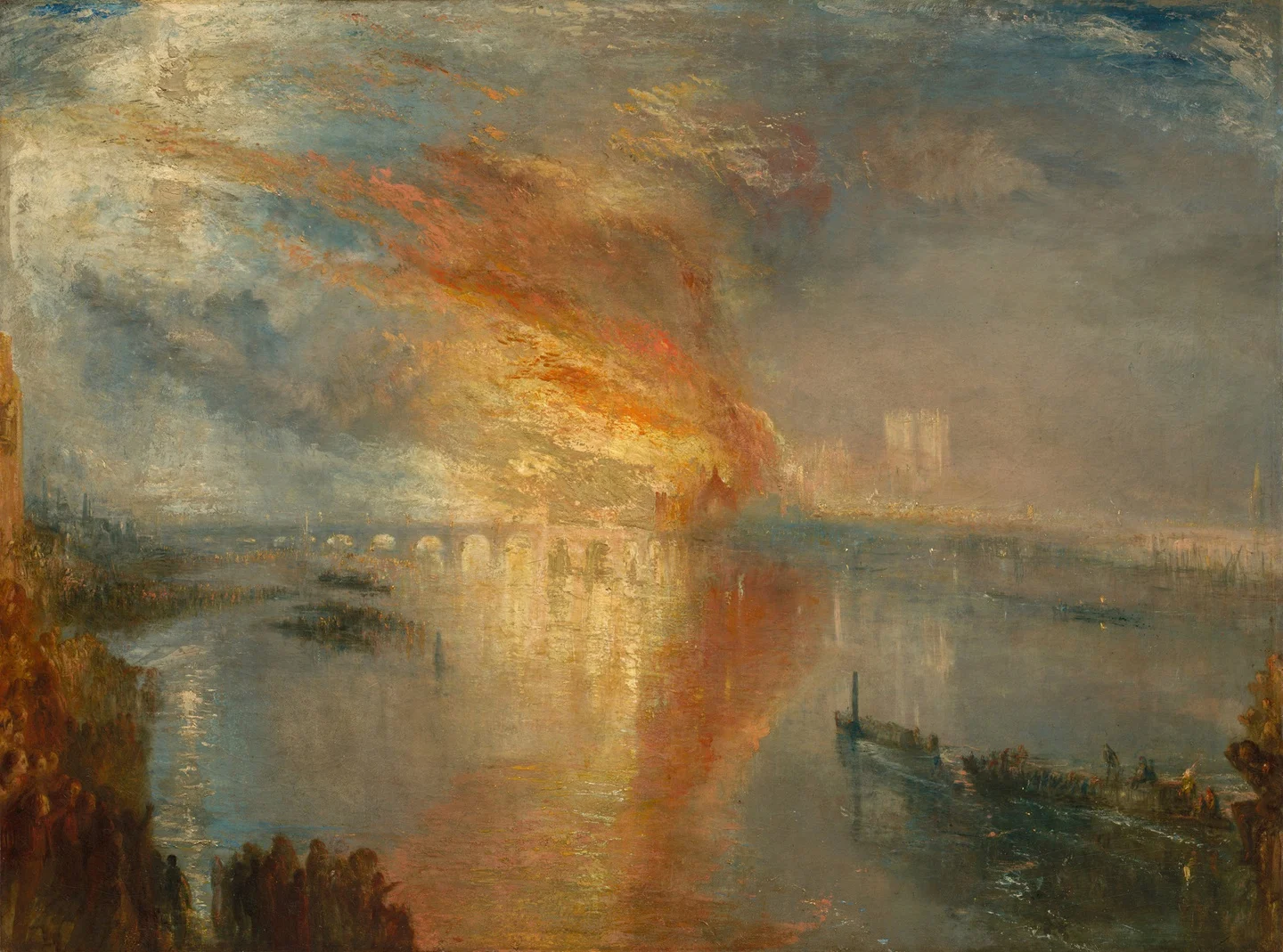 Joseph Mallord William Turner
The Burning of the Houses of Lords and Commons, 16 October 1834
1835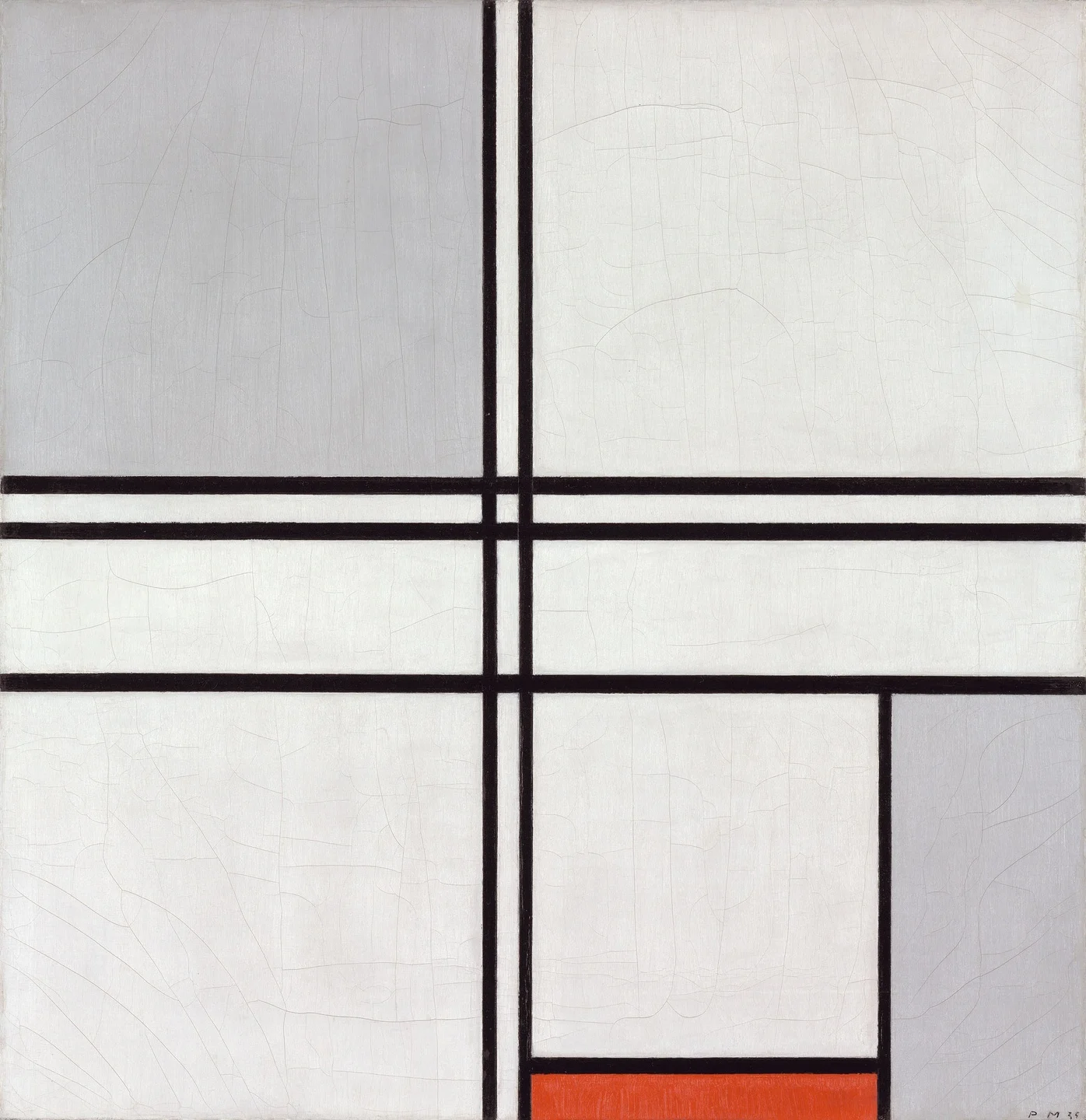 Piet Mondrian
Composition (No. 1) Gray-Red
1935 Pierre-Auguste Renoir
Two Sisters (On the Terrace)
1881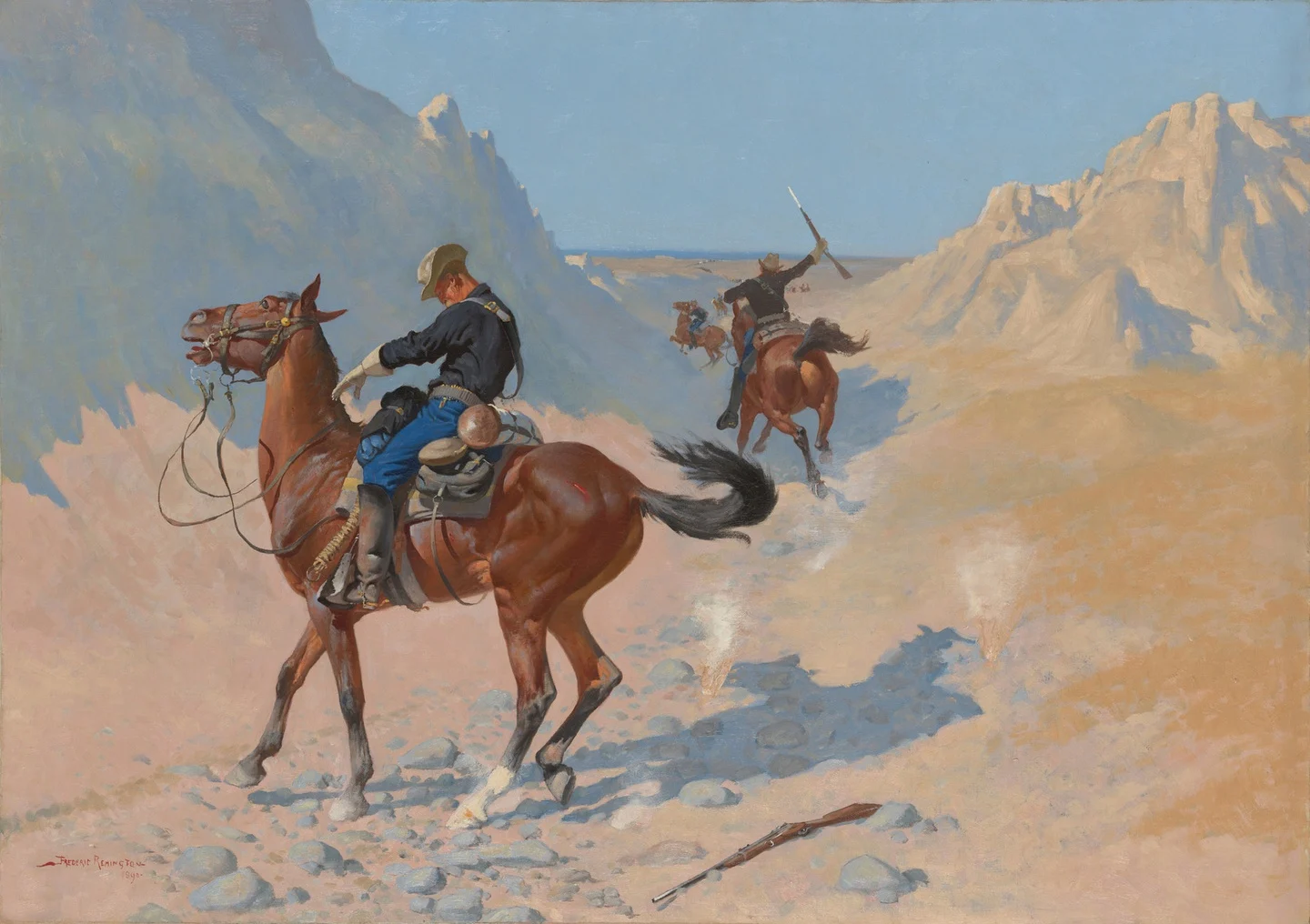 Frederic Remington
The Advance-Guard, or The Military Sacrifice (The Ambush)
1890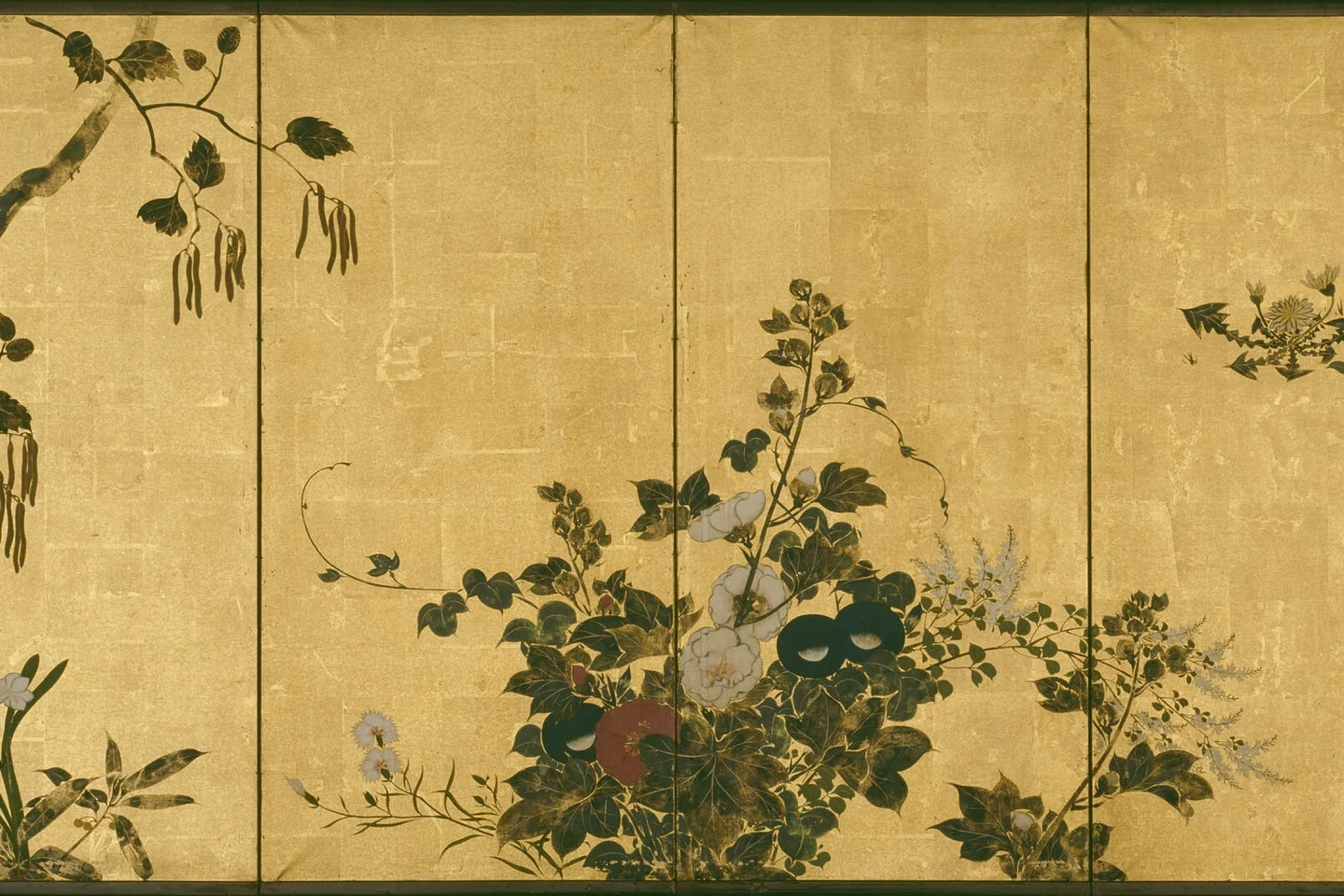 Suzuki Kiitsu
Flowers of Autumn and Winter
19th century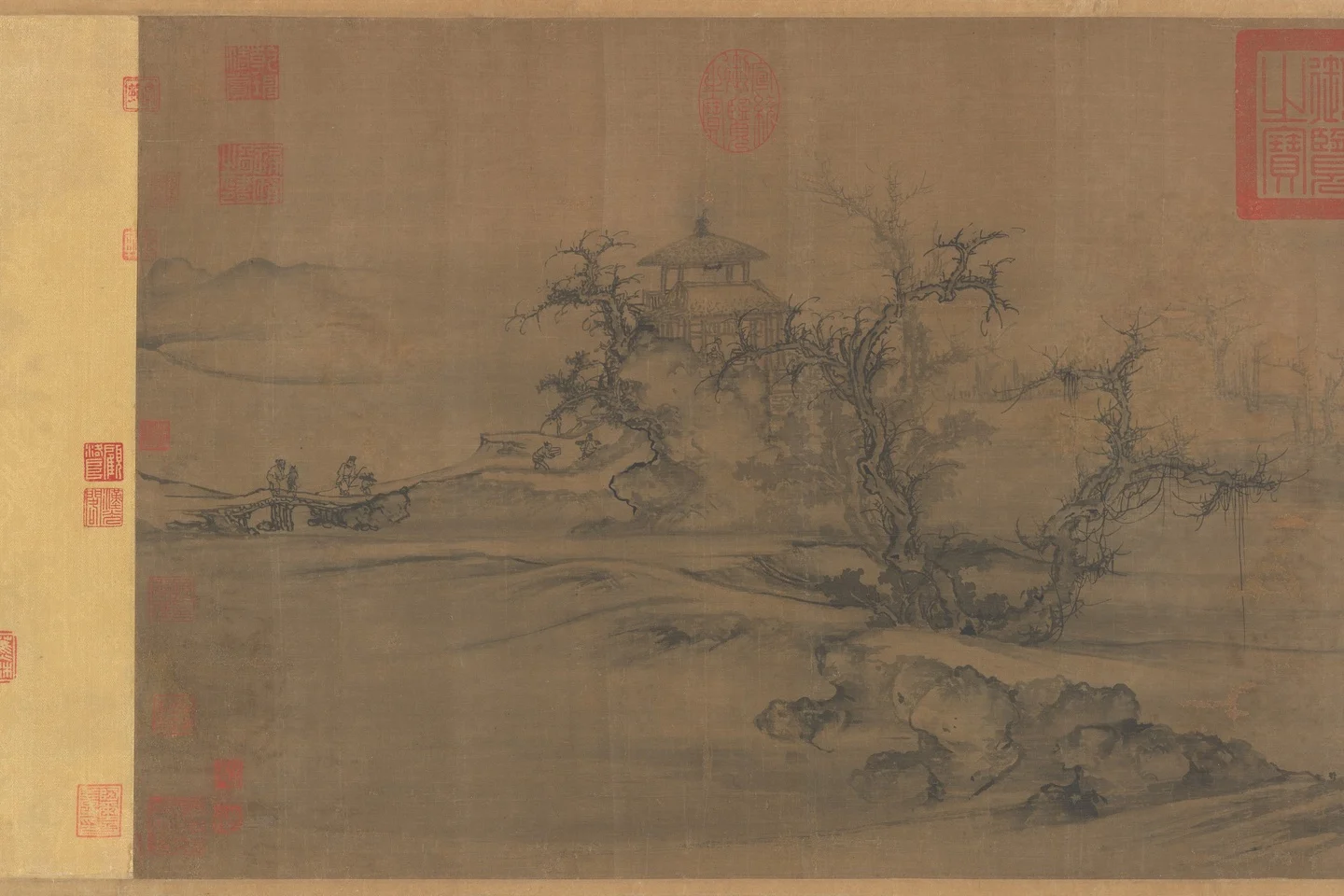 Guo Xi
Old Trees, Level Distance
ca. 1080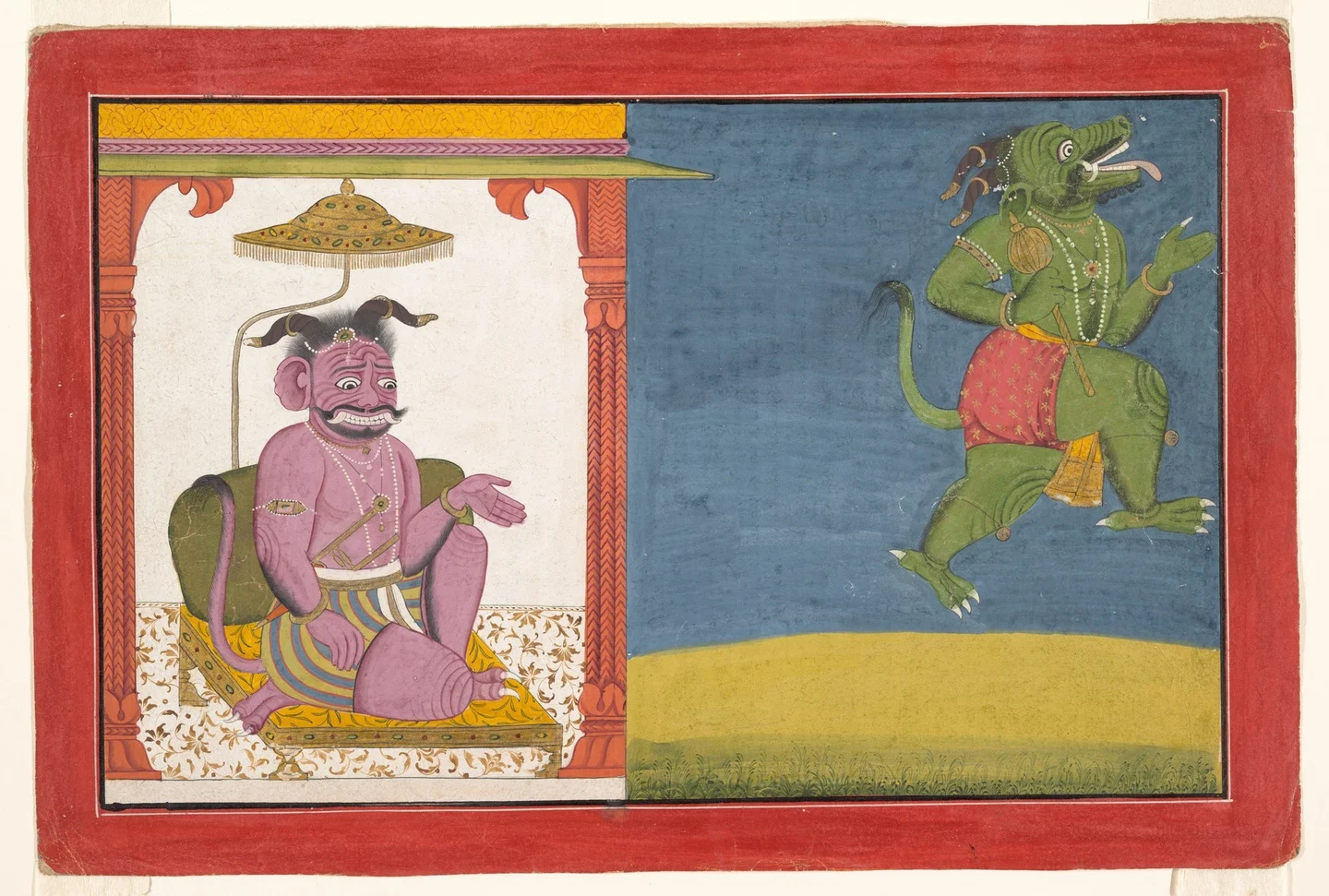 Unidentified Indian painters
The Demon Hiranyaksha Departs the Demon Palace: Folio from a Bhagavata Purana Series
ca. 1740 Bartolomé Estebán Murillo
Virgin and Child
1670s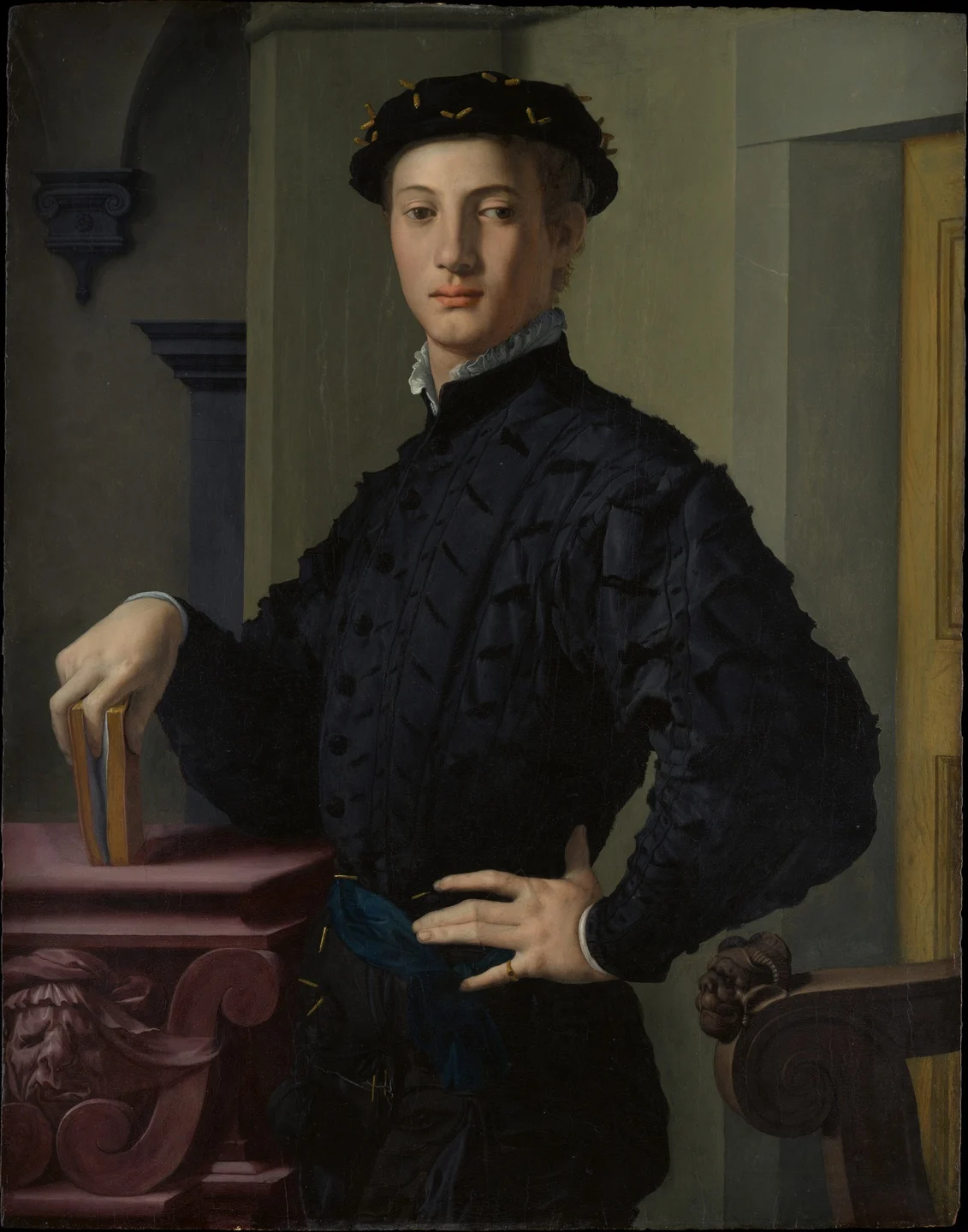 Bronzino
Portrait of a Young Man
1530s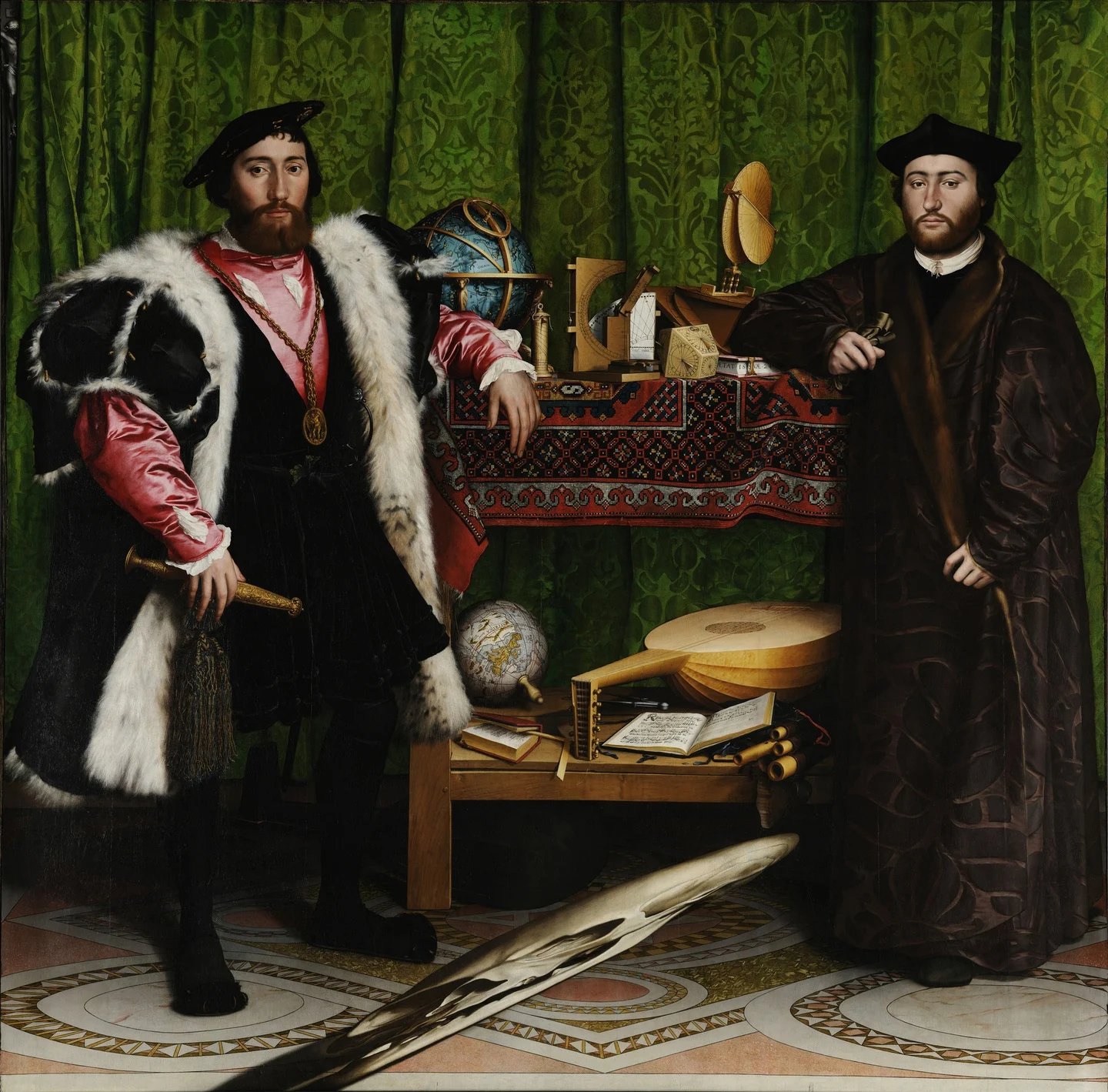 Hans Holbein the Younger
The Ambassadors
1533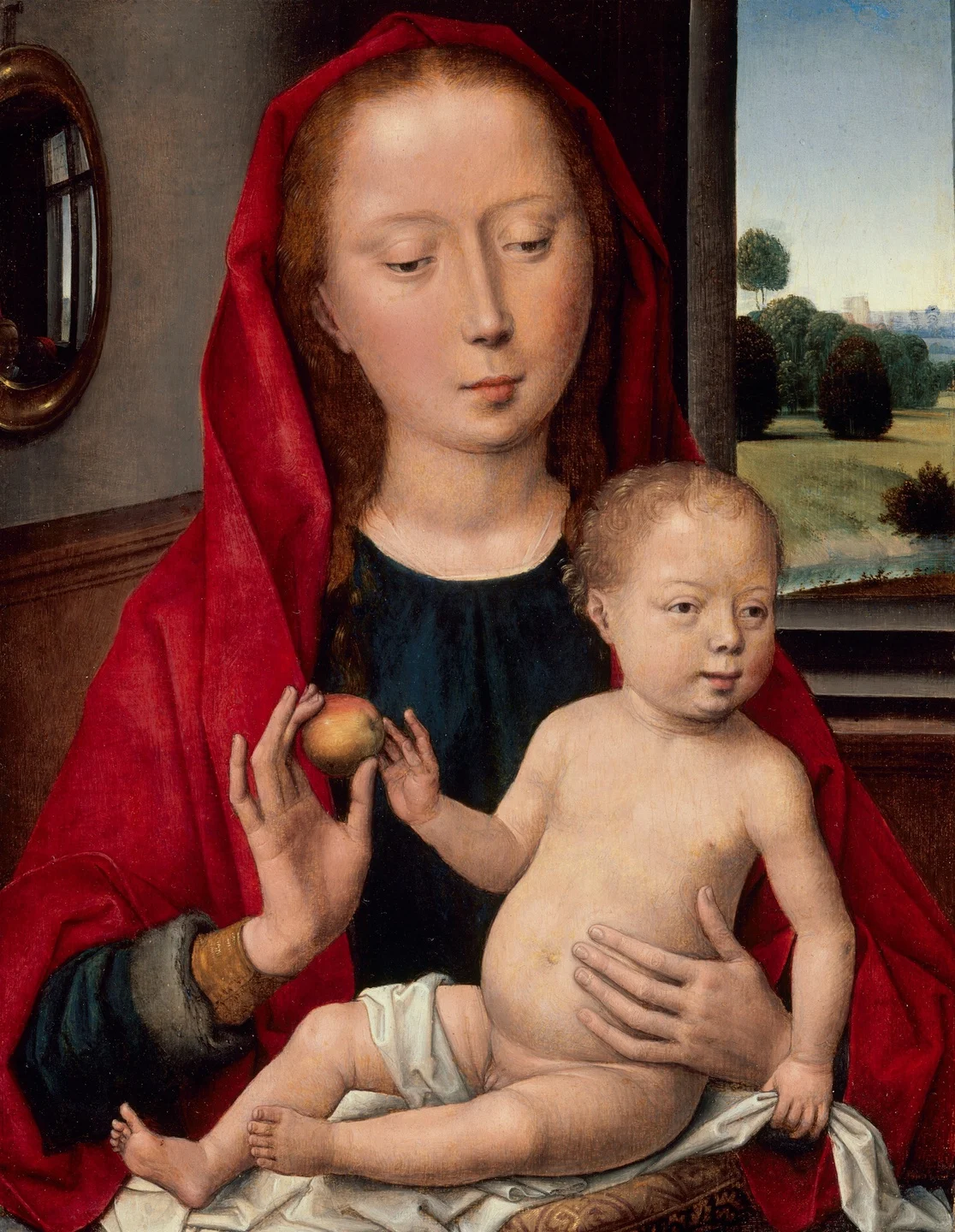 Hans Memling
Virgin and Child
c. 1485 Pierre-Auguste Renoir
Acrobats at the Cirque Fernando (Francisca and Angelina Wartenberg)
1879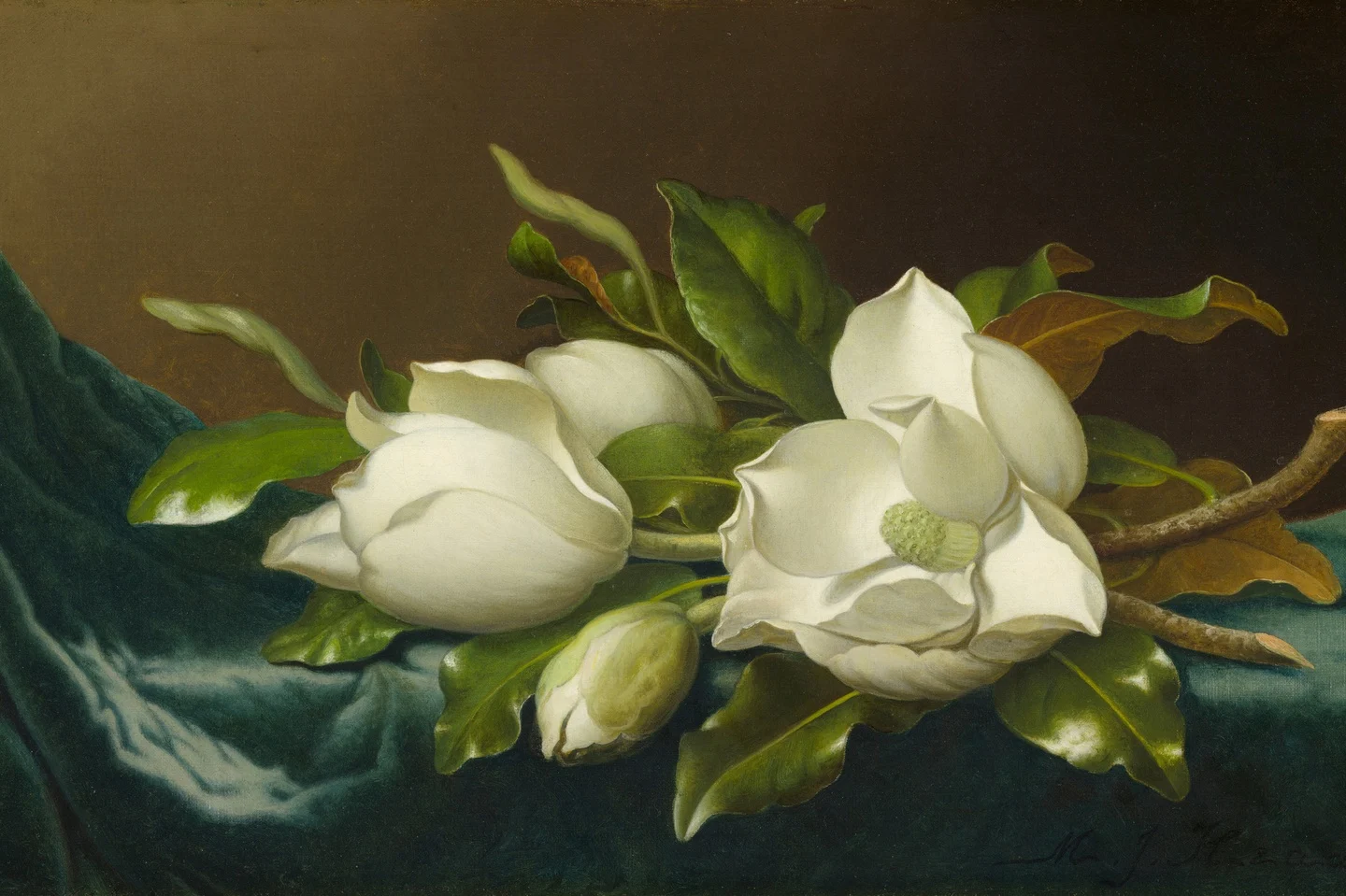 Martin Johnson Heade
Magnolias on Light Blue Velvet Cloth
1885–95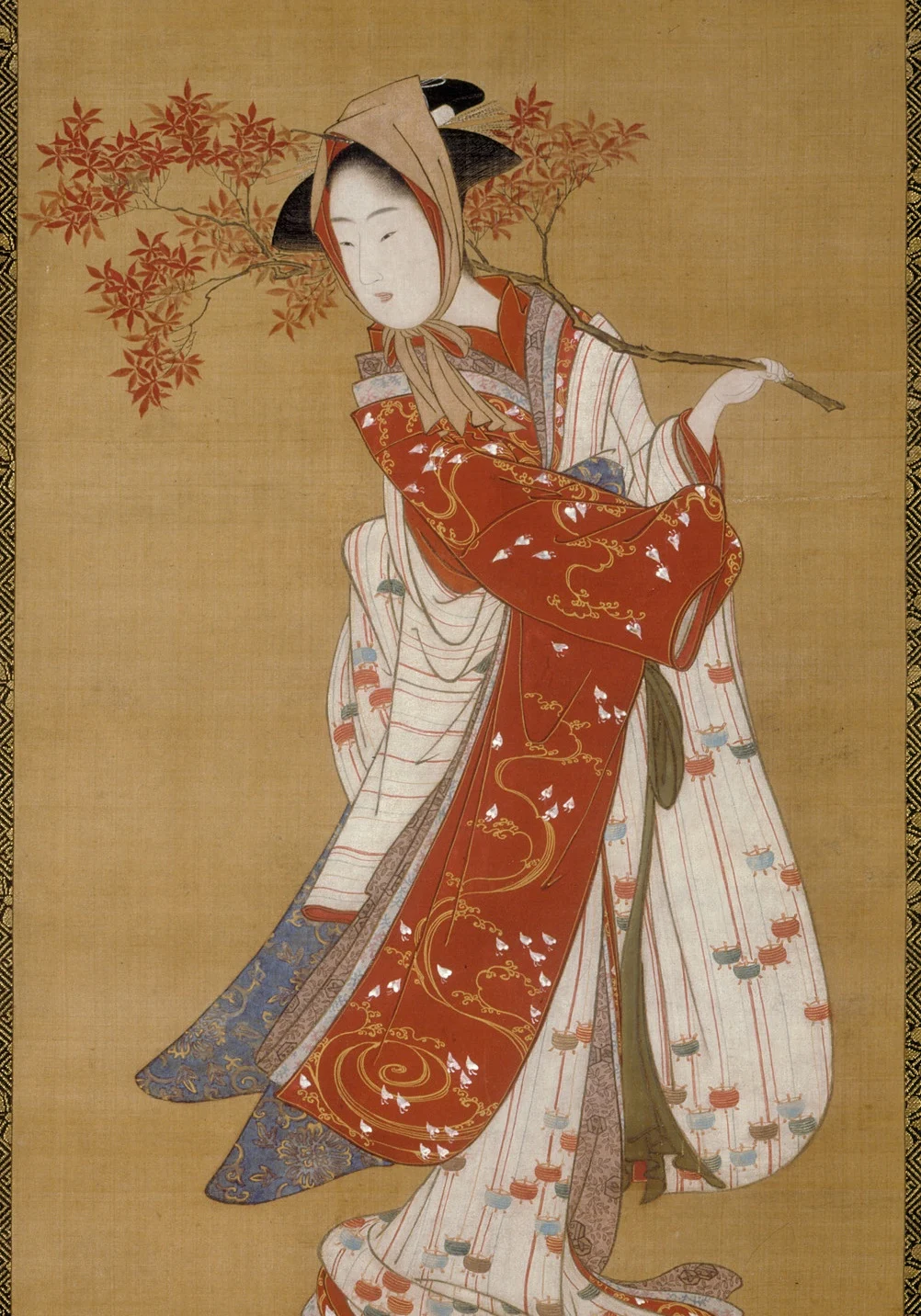 Katsukawa Shunsho
Dancer with a Maple Branch
About 1780-90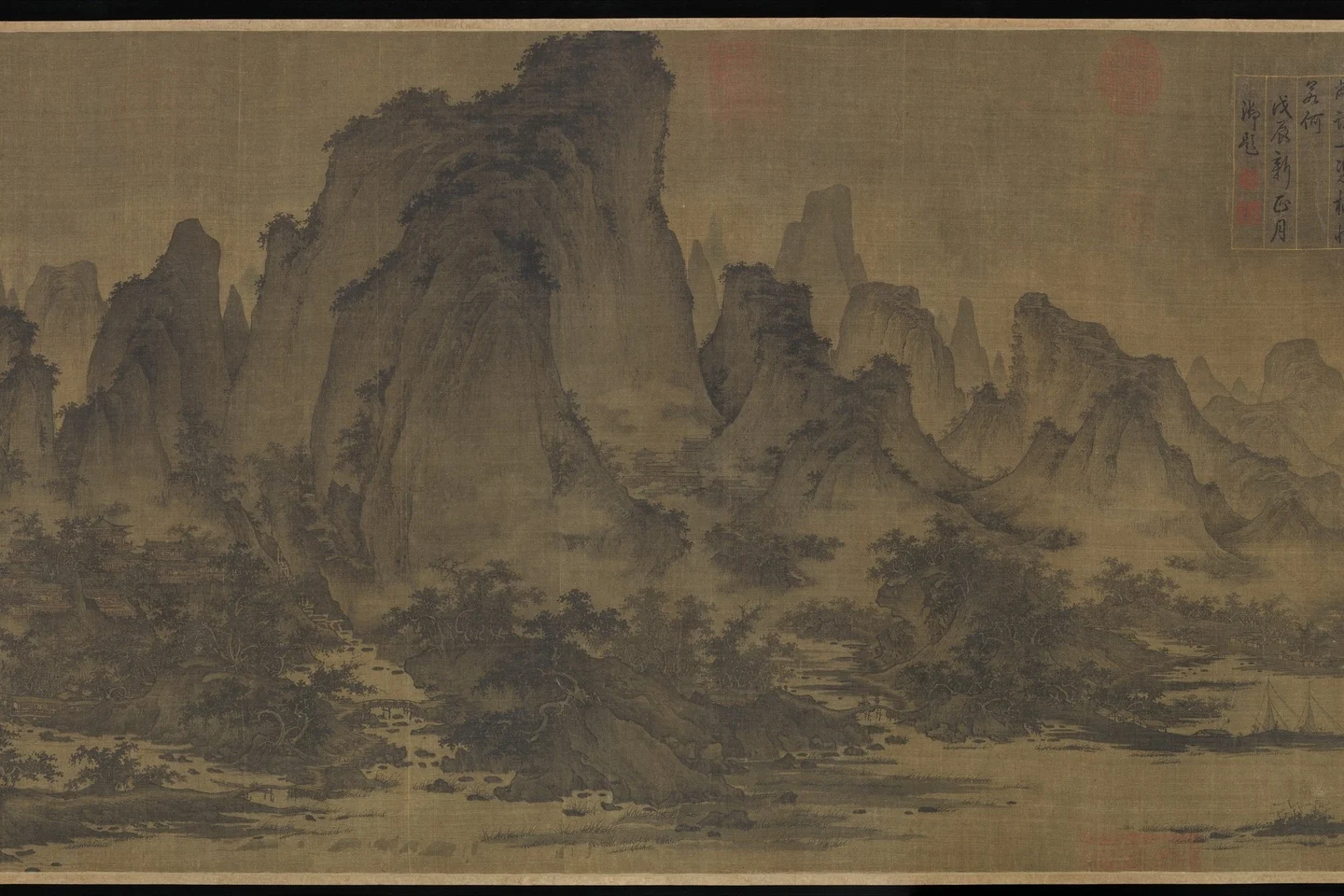 Attributed to Qu Ding
Summer Mountains
ca. 1050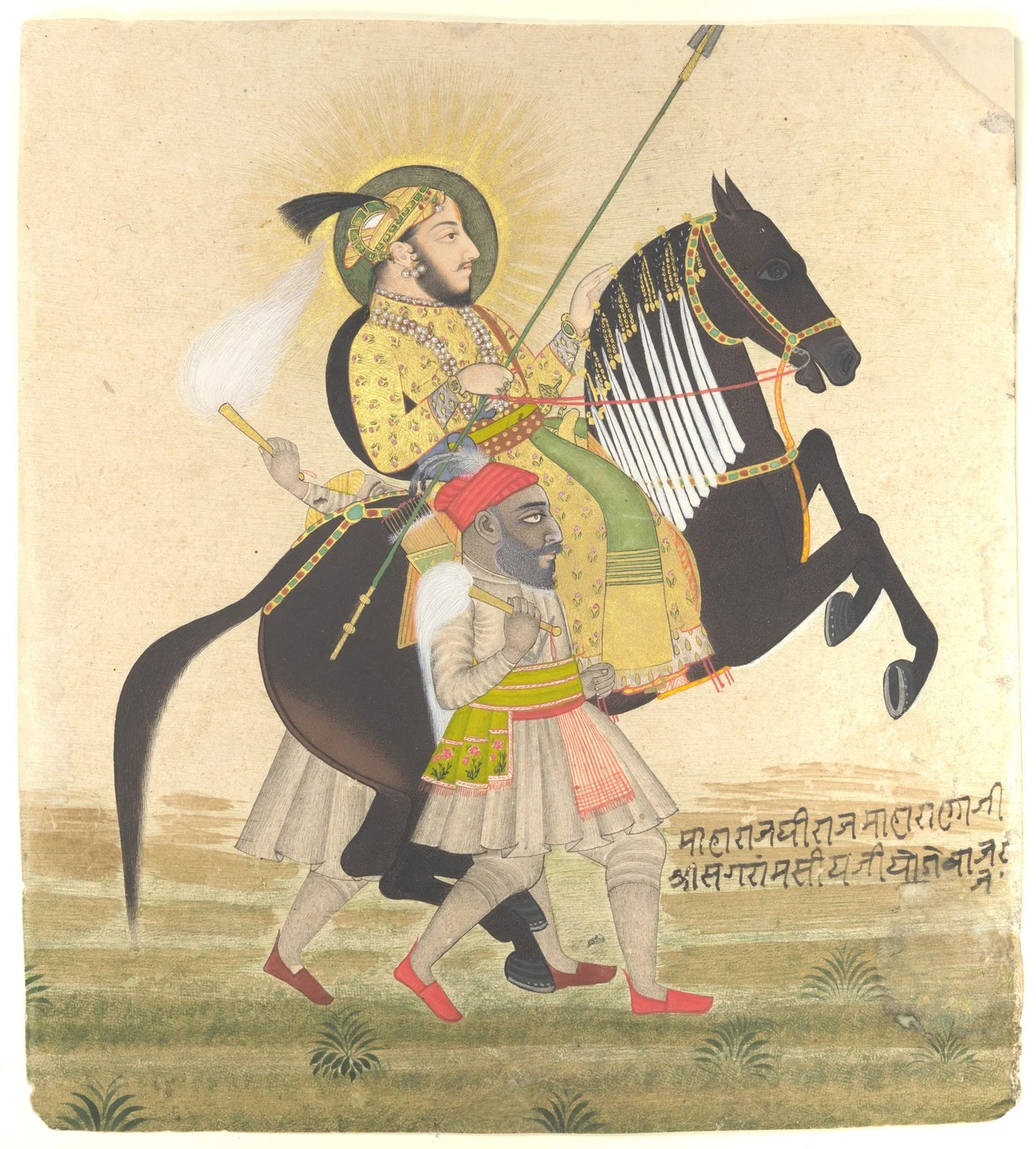 Stipple Master
Maharana Sangram Singh Riding a Prize Stallion
ca. 1712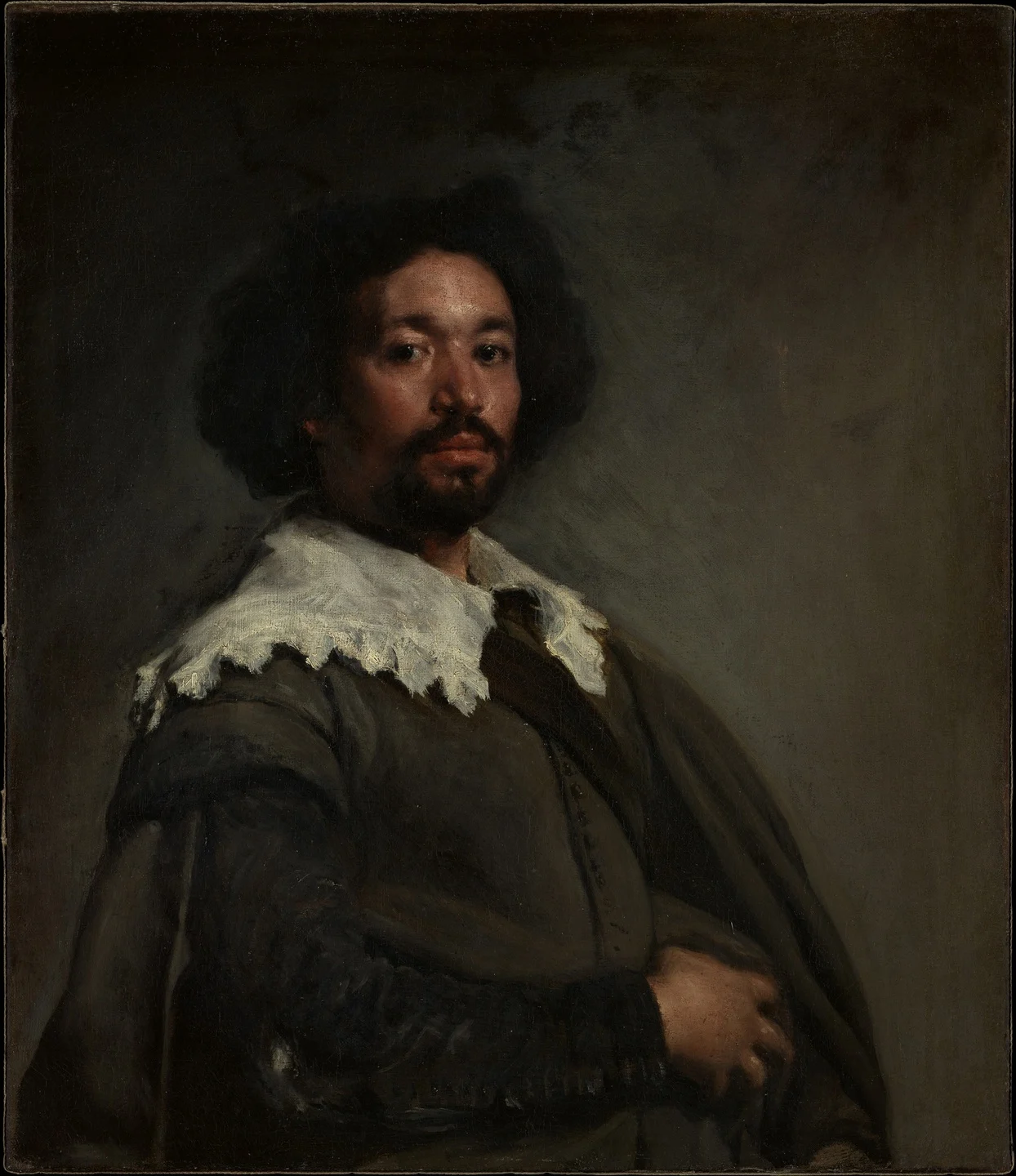 Diego Velázquez
Juan de Pareja (ca. 1608–1670)
1650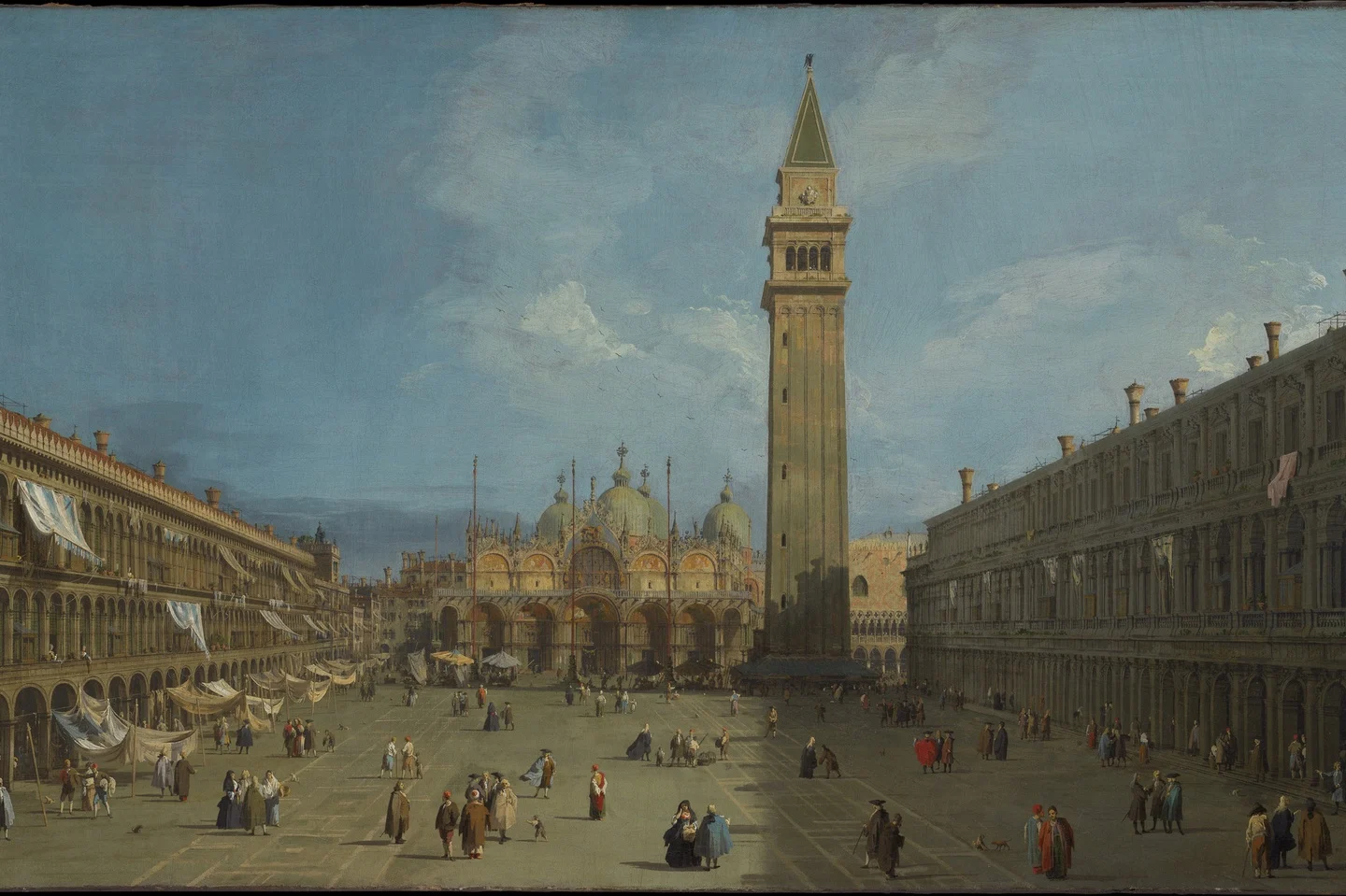 Canaletto
Piazza San Marco
late 1720s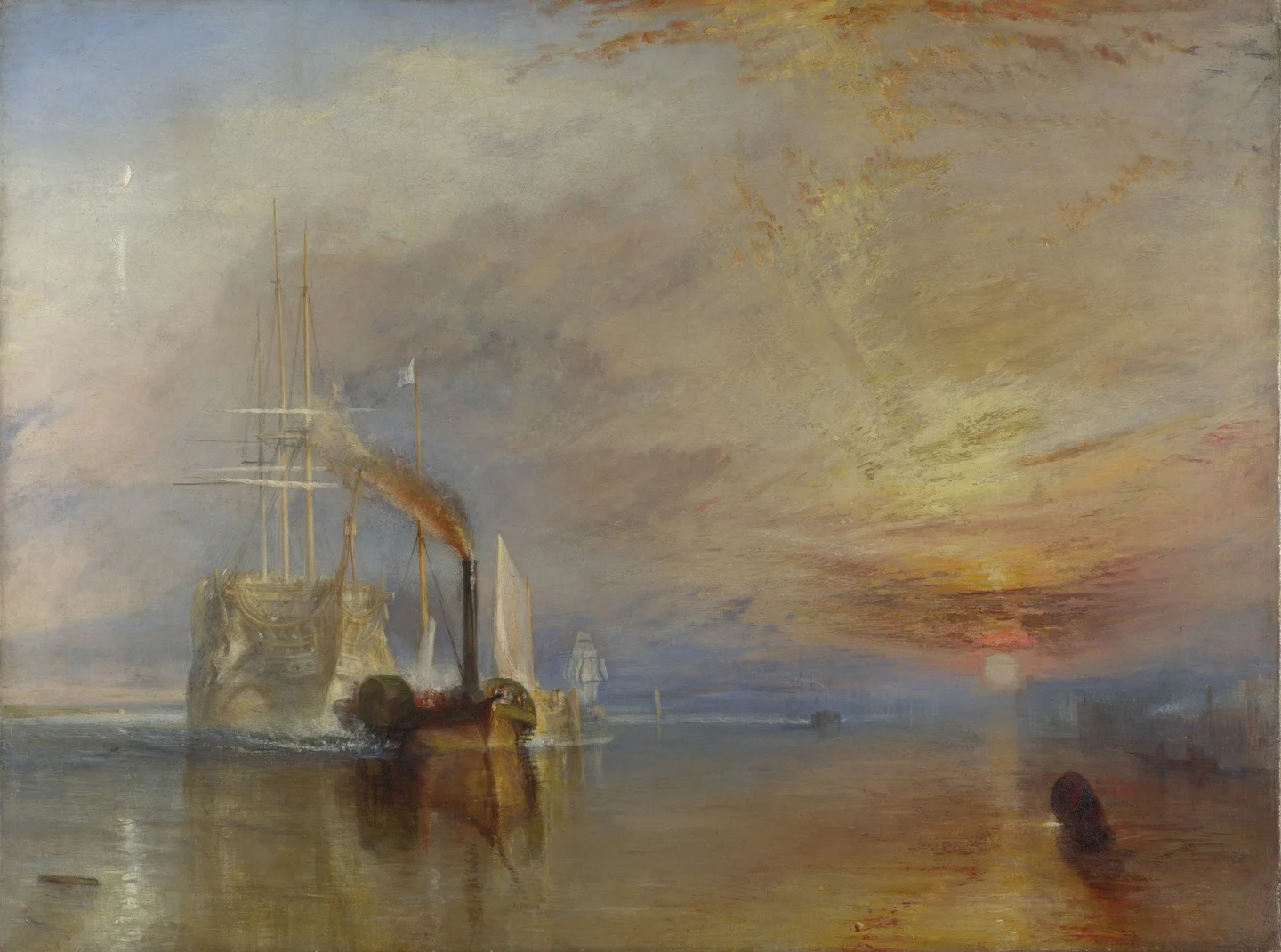 Joseph Mallord William Turner
The Fighting Temeraire
1839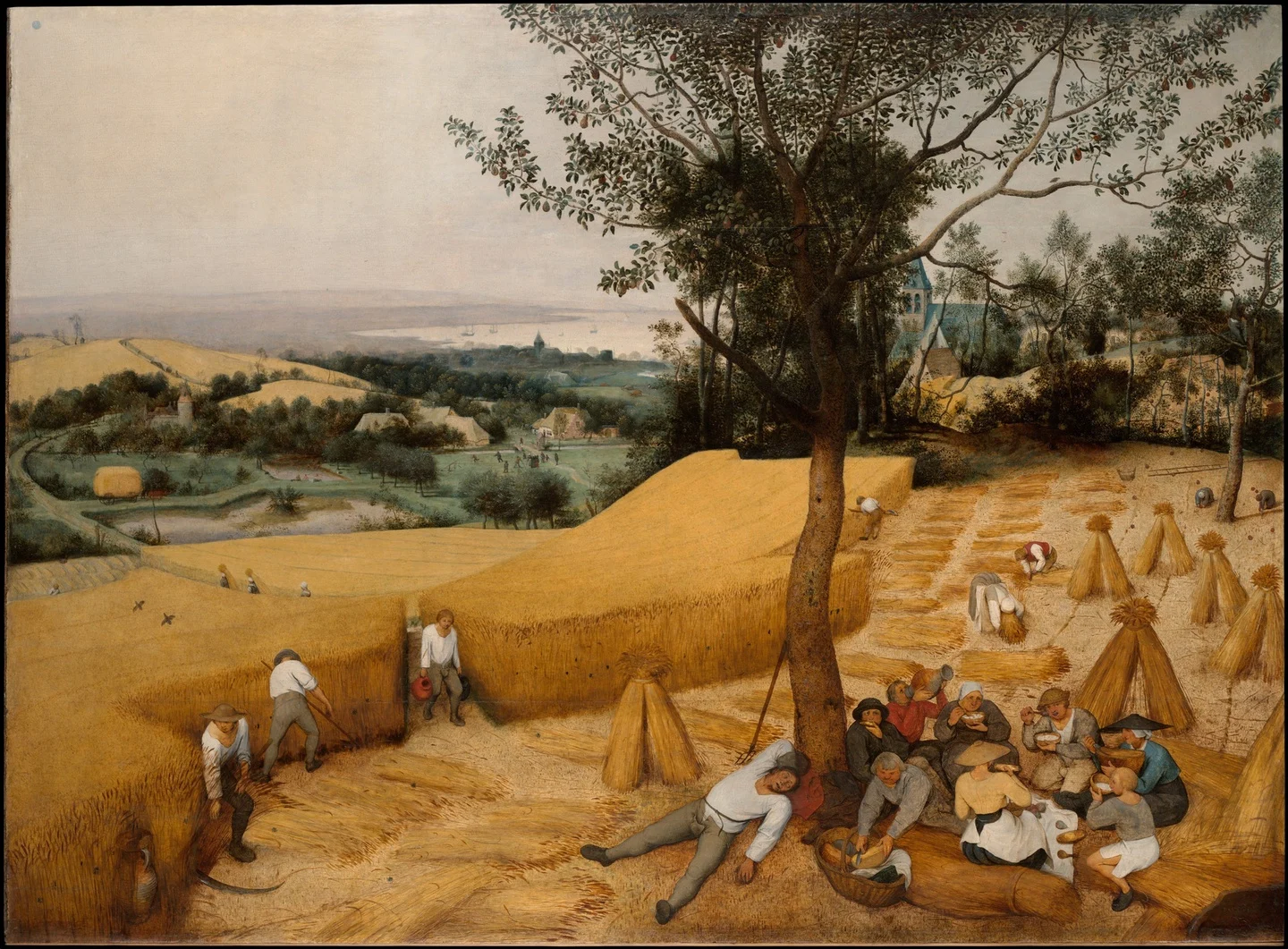 Pieter Bruegel the Elder
The Harvesters
1565 Henri de Toulouse-Lautrec
At the Moulin Rouge
1892–95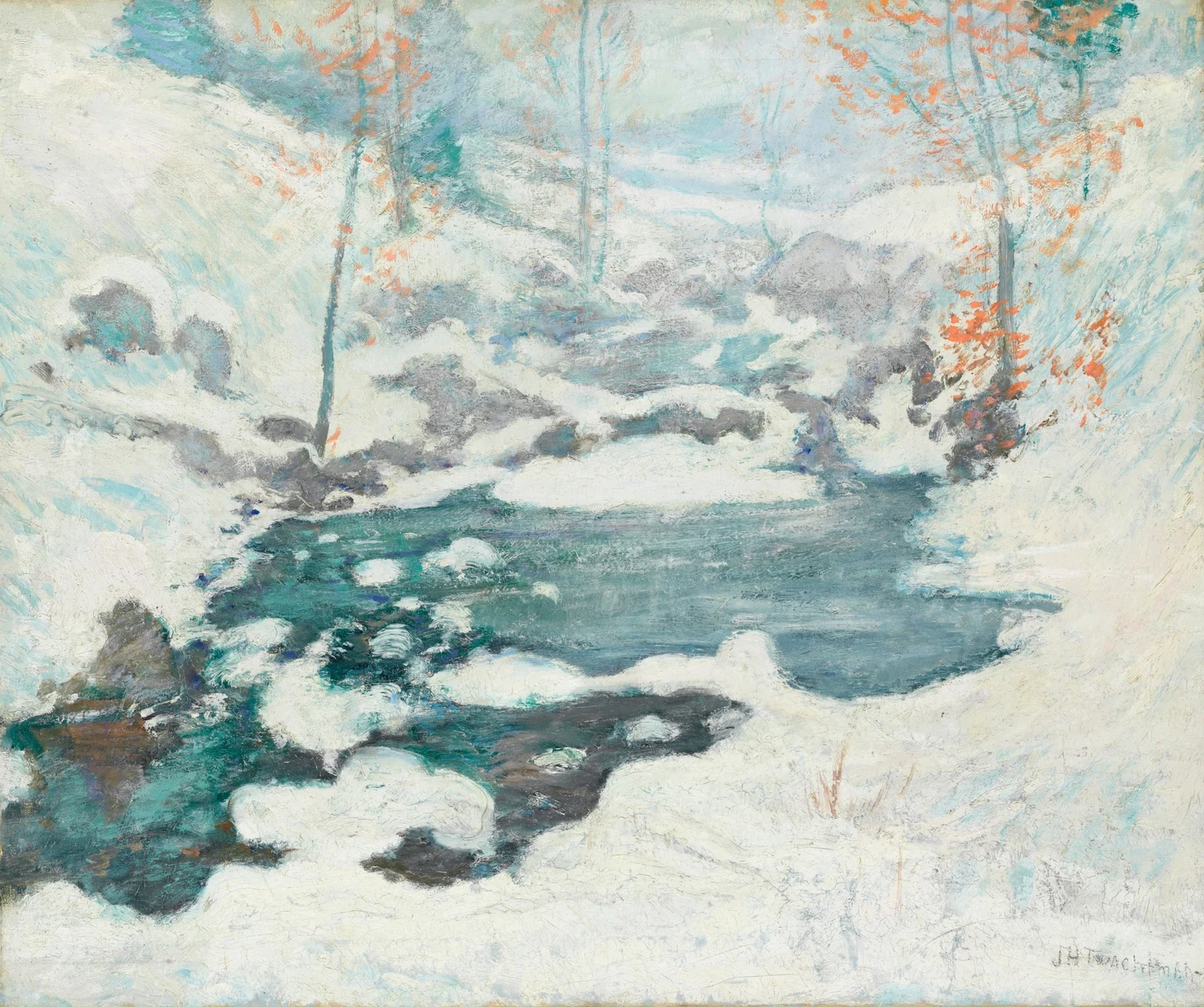 John Henry Twachtman
Icebound
c. 1889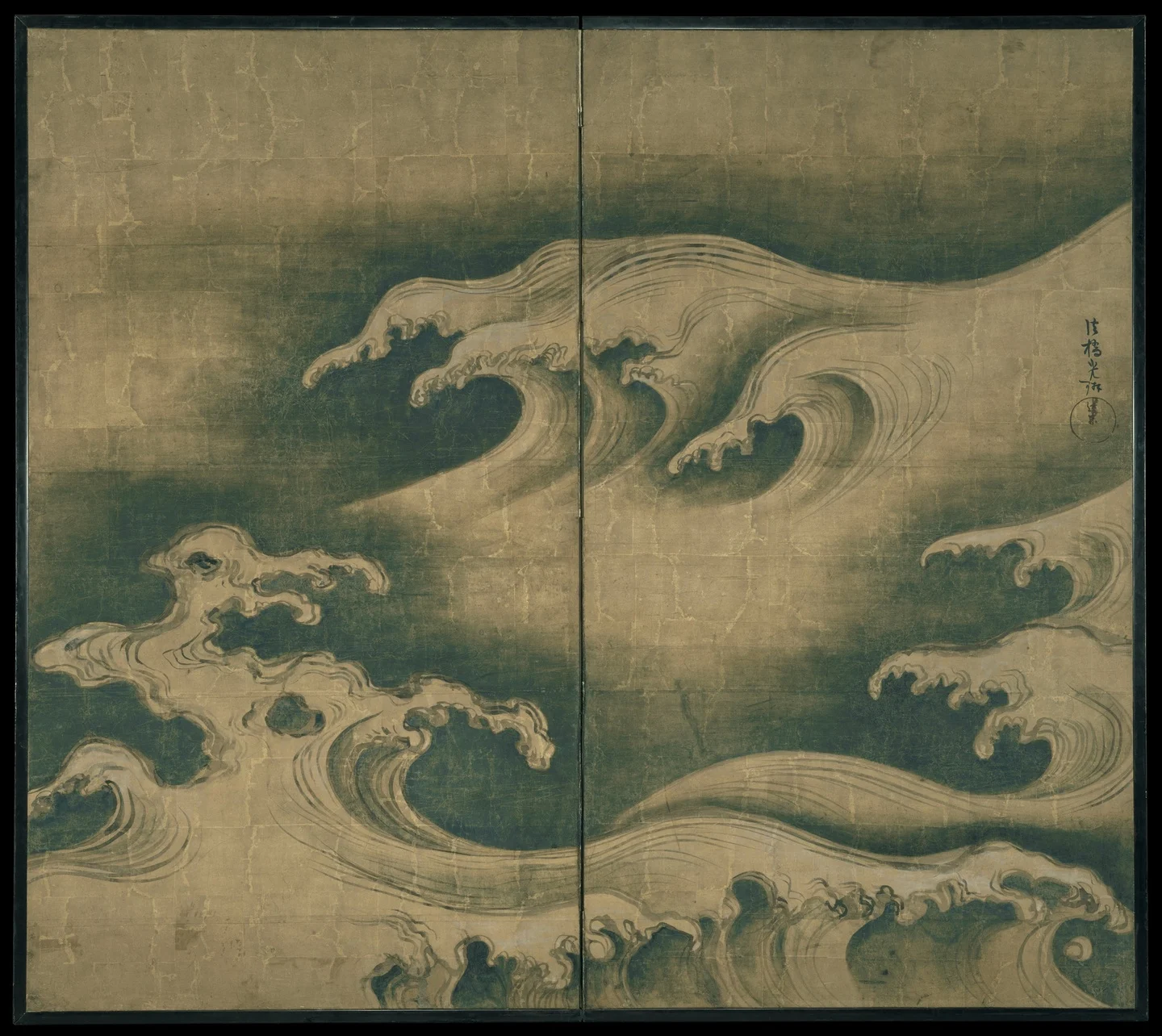 Ogata Kōrin
Rough Waves
ca. 1704–9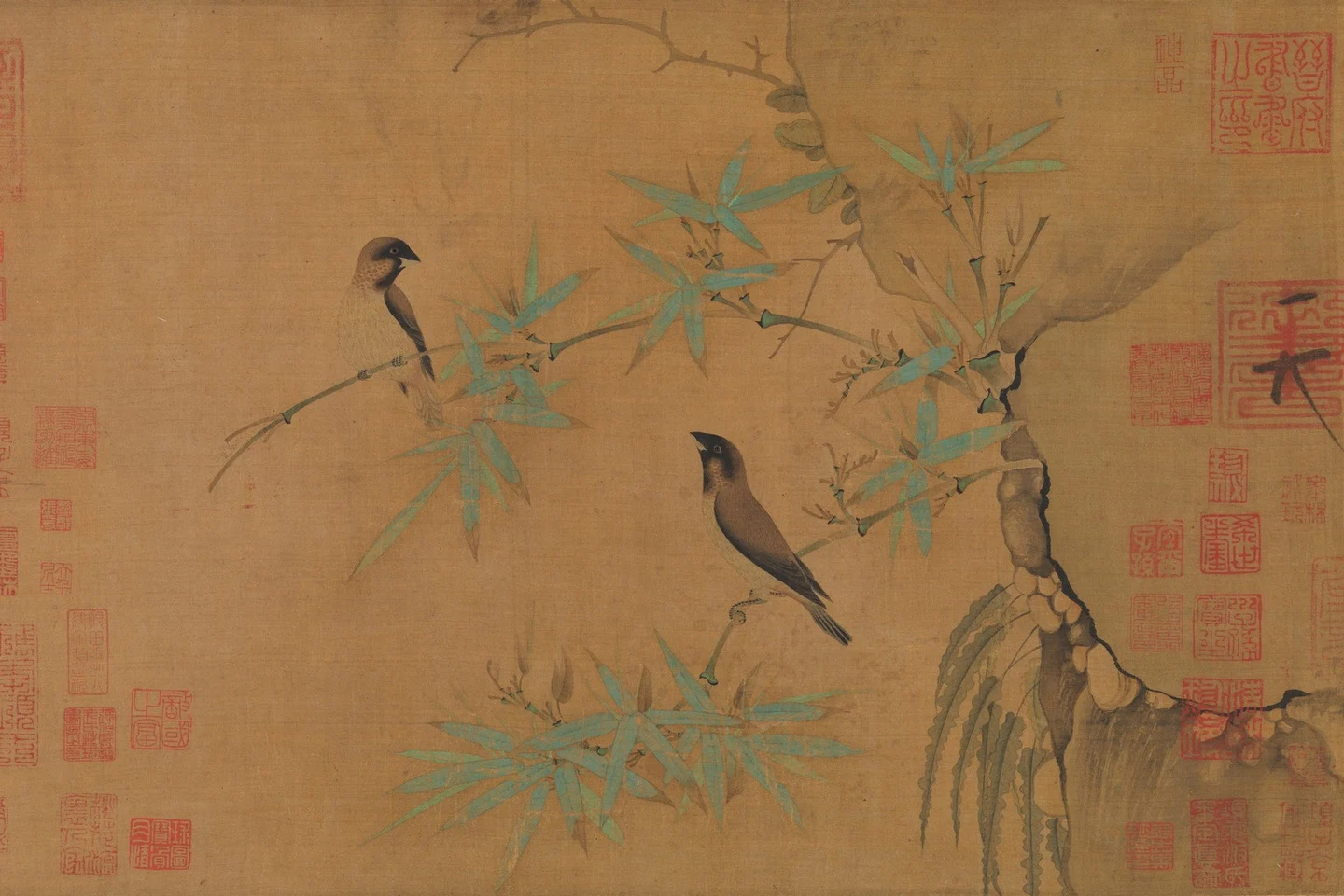 Emperor Huizong
Finches and bamboo
early 12th century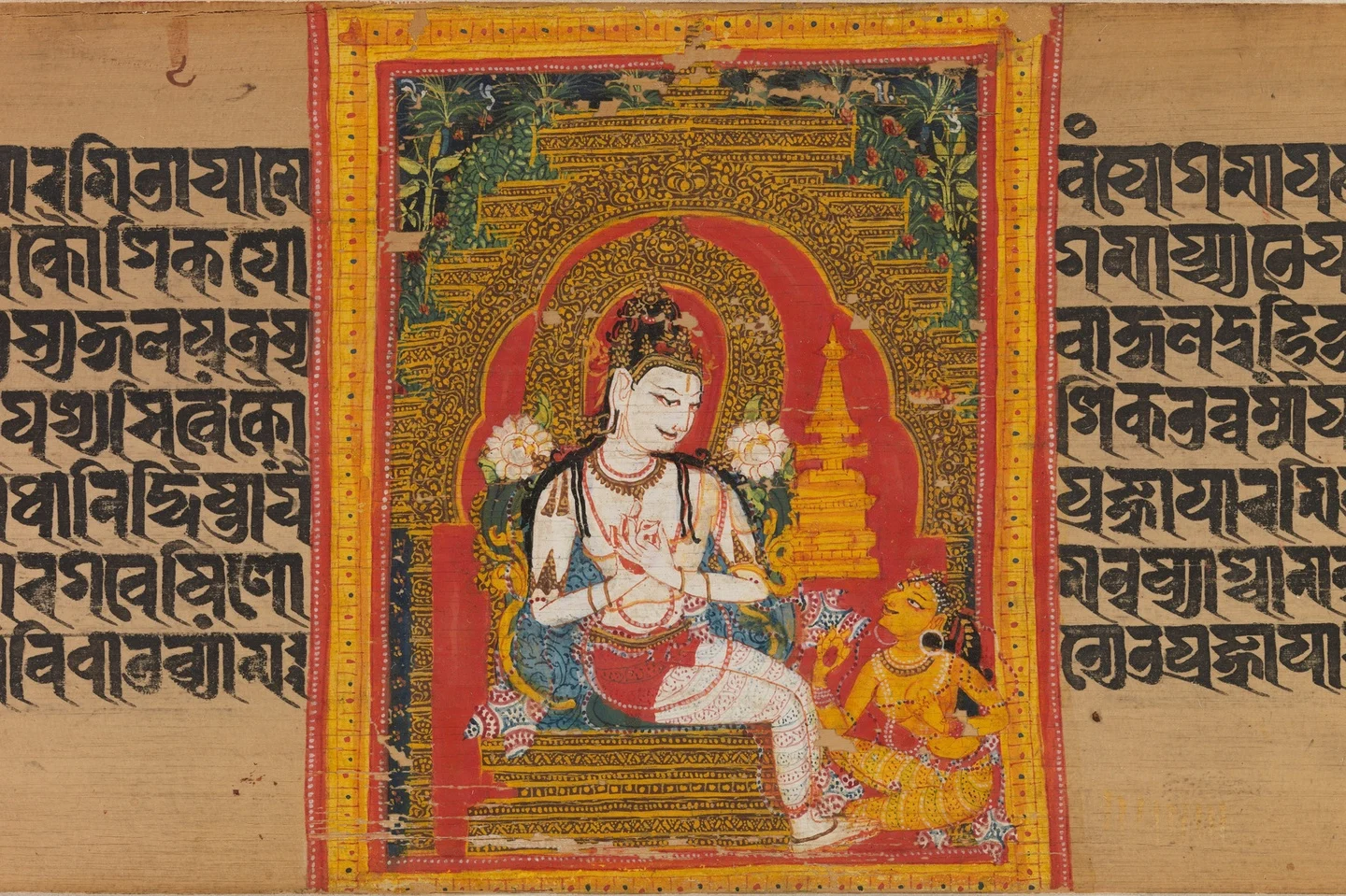 Mahavihara Master
Avalokiteshvara Teaching a Devotee
early 12th century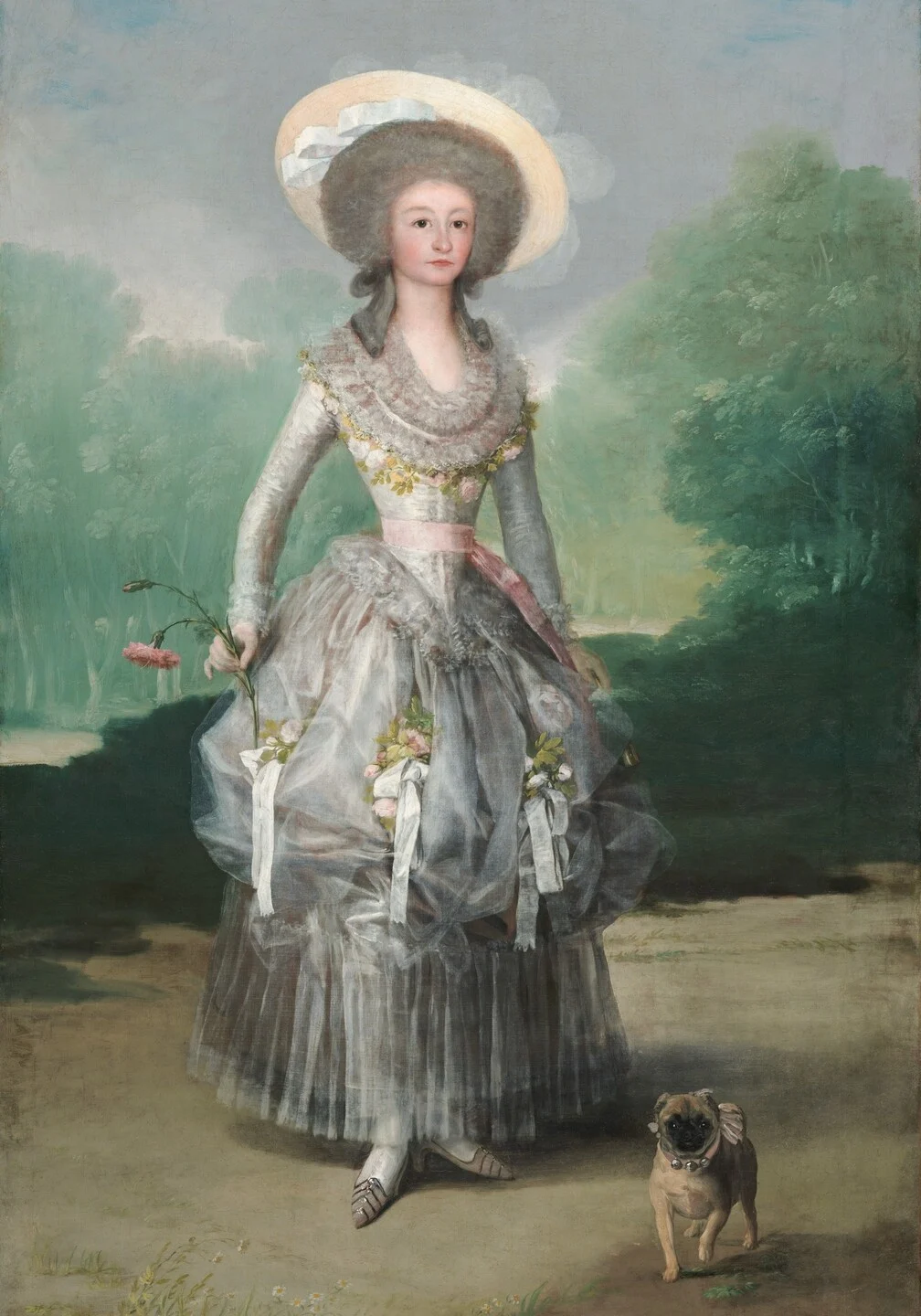 Francisco Goya
The Marquesa de Pontejos
c. 1786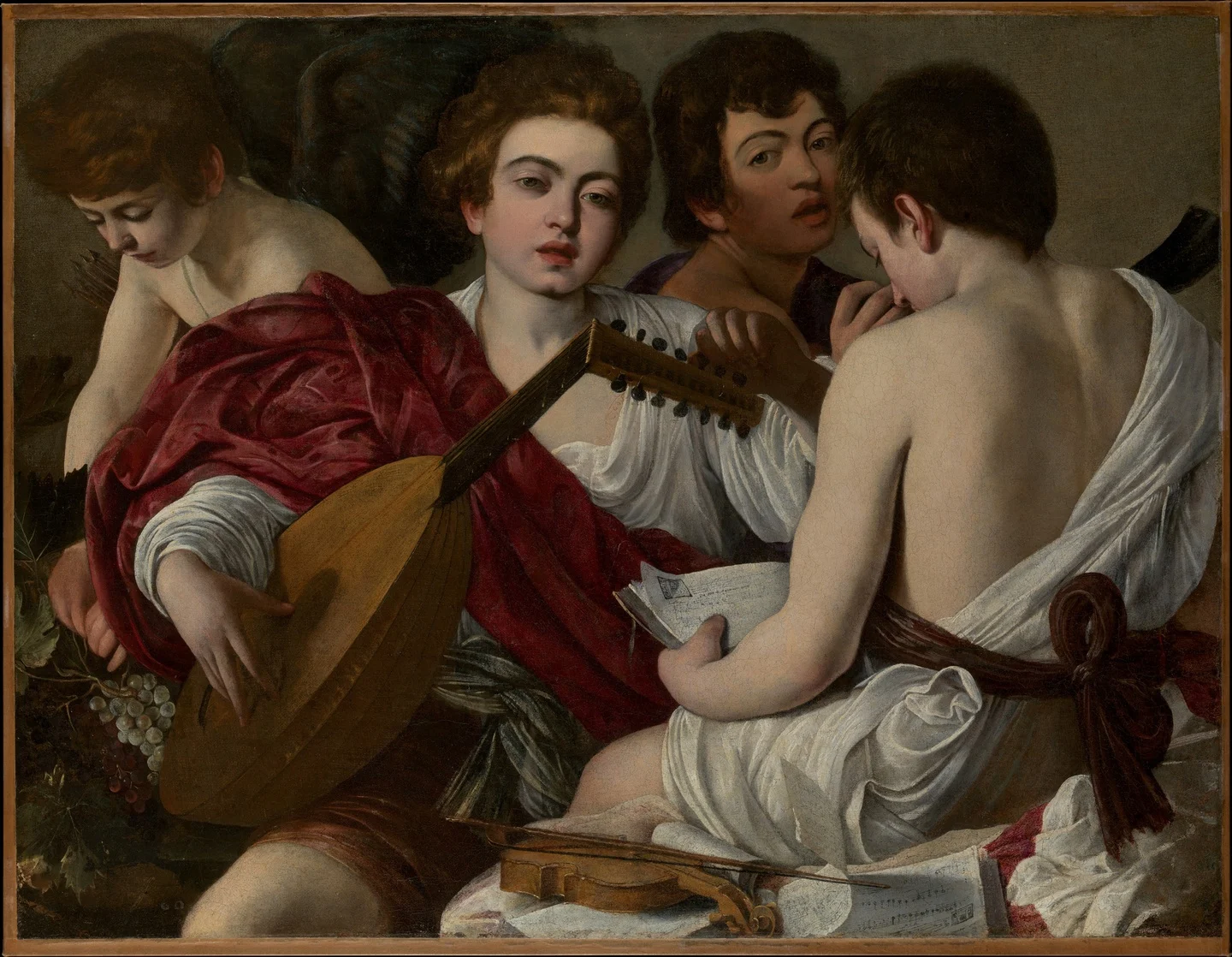 Caravaggio
The Musicians
1597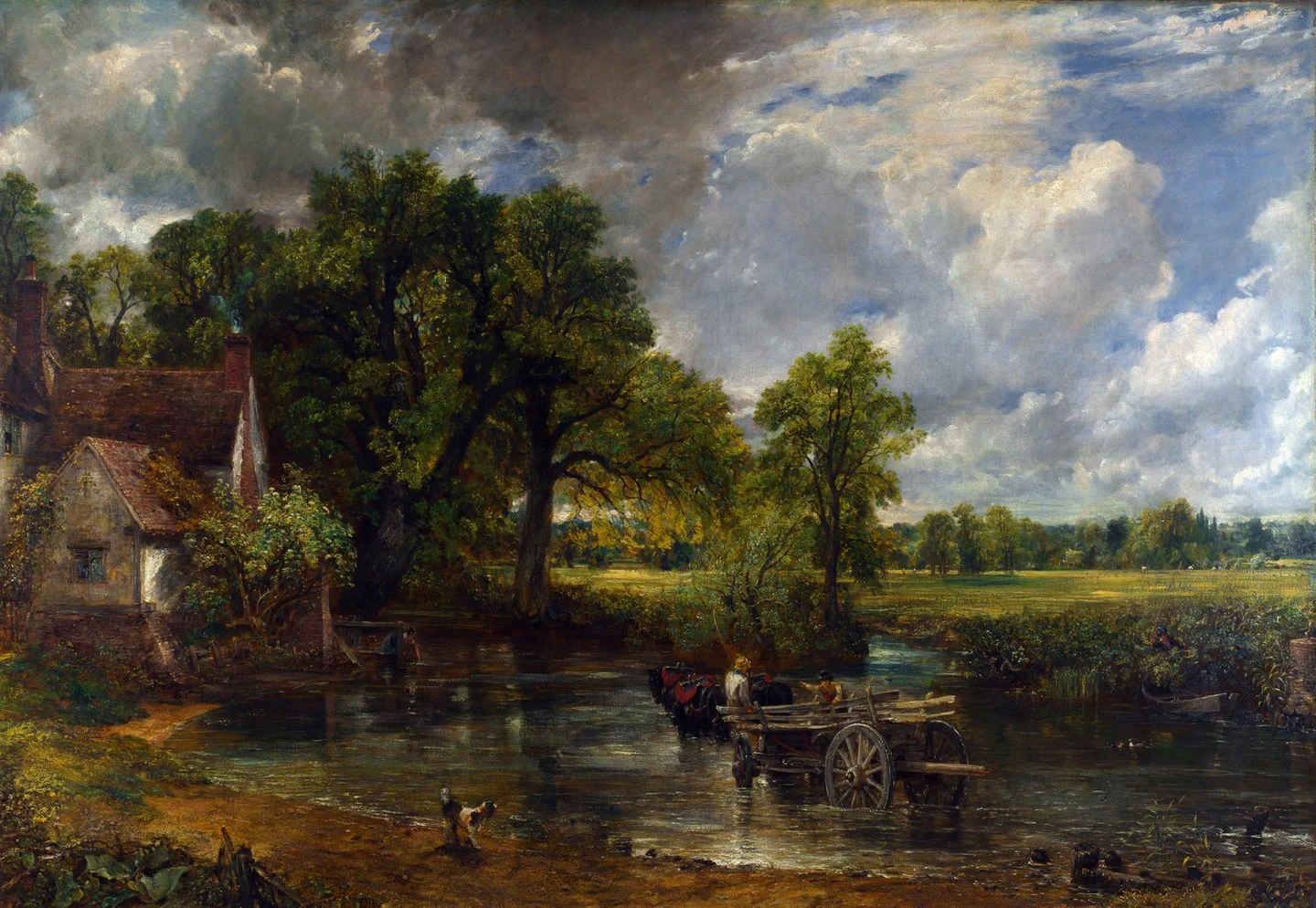 John Constable
The Hay Wain
1821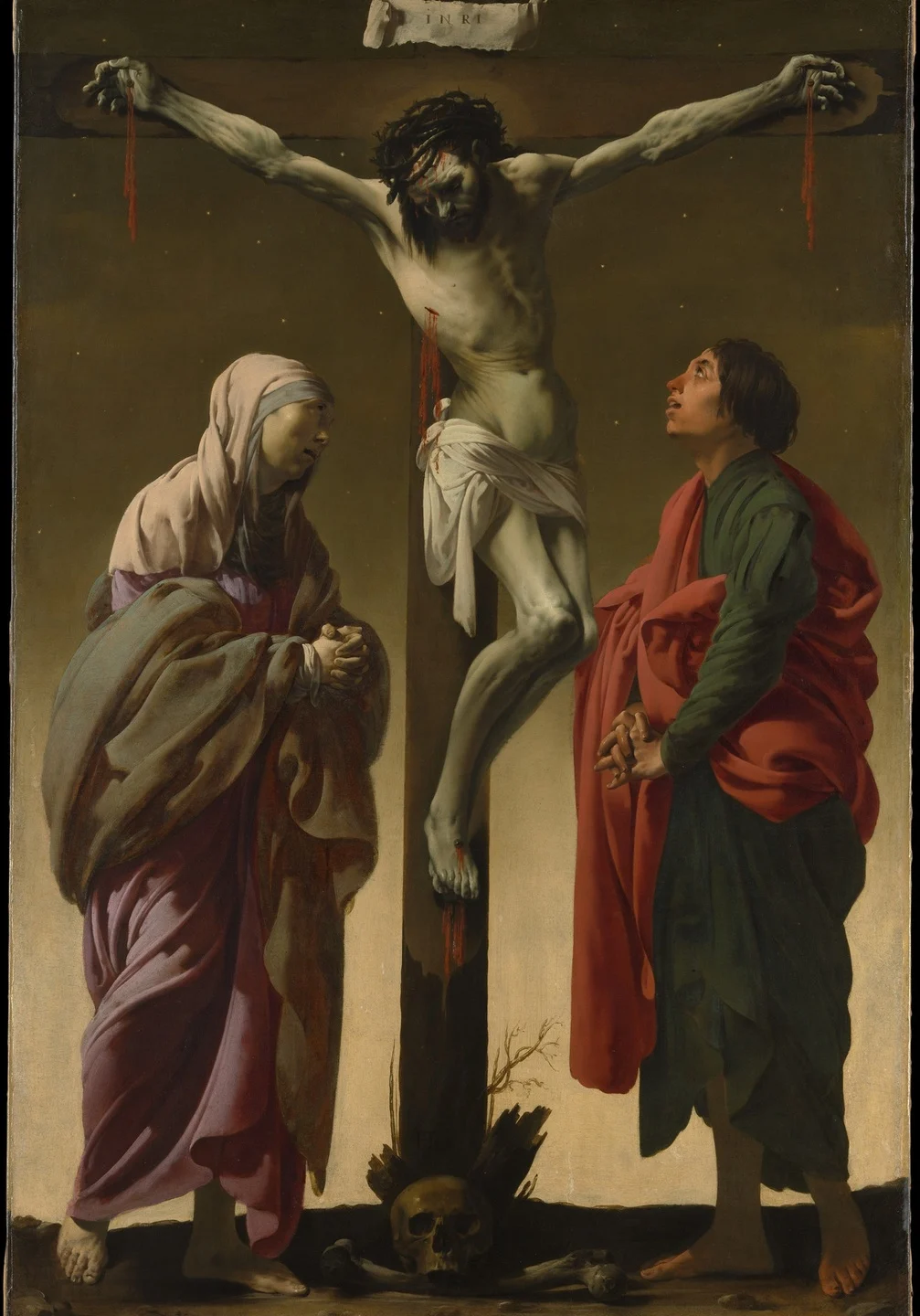 Hendrick ter Brugghen
The Crucifixion with the Virgin and Saint John
ca. 1624–25 Henri de Toulouse-Lautrec
Equestrienne (At the Cirque Fernando)
1887–88 Raphaelle Peale