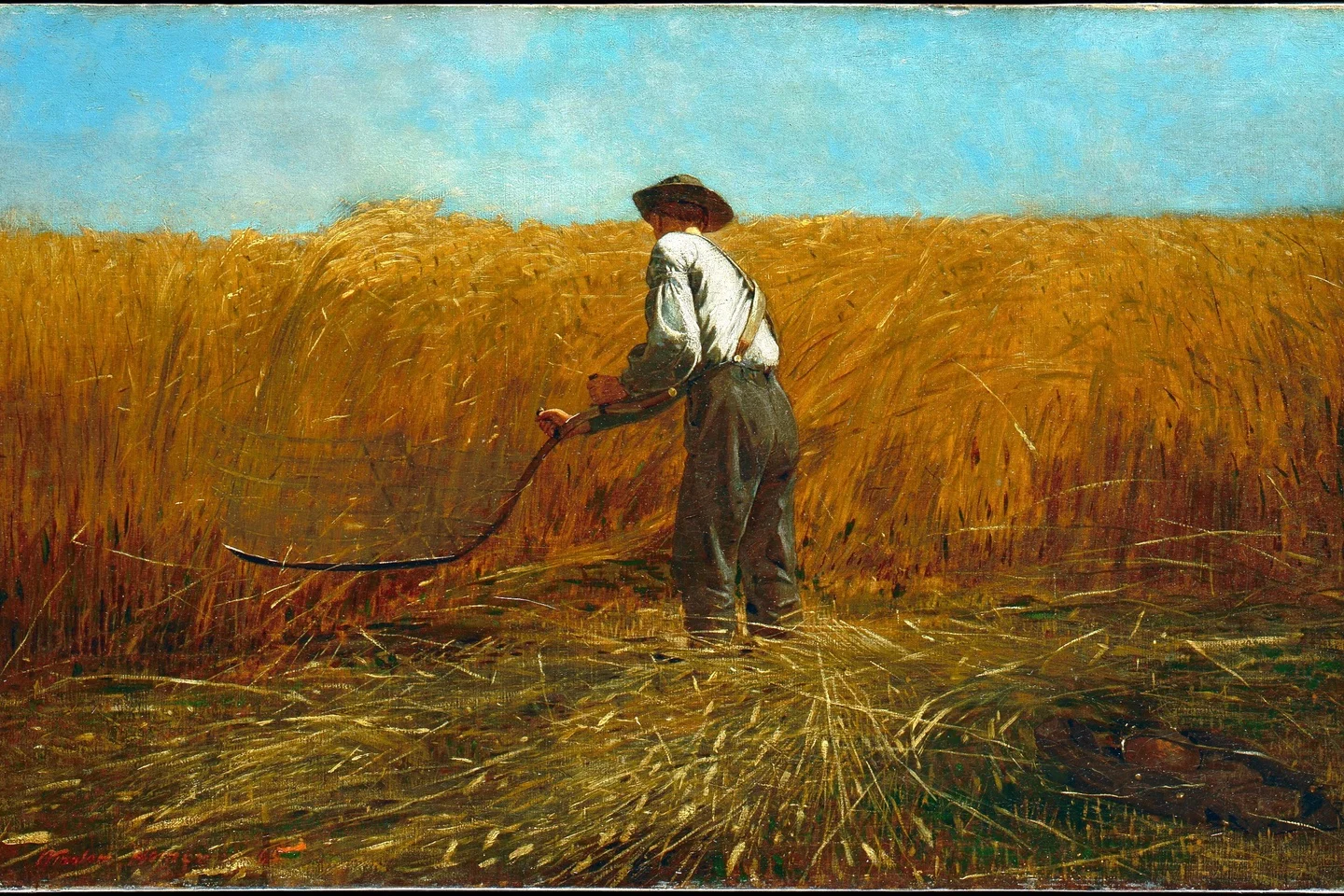
The Veteran in a New Field
Winslow Homer. Army clothing identifies the reaper as a veteran returning to farming in 1865.
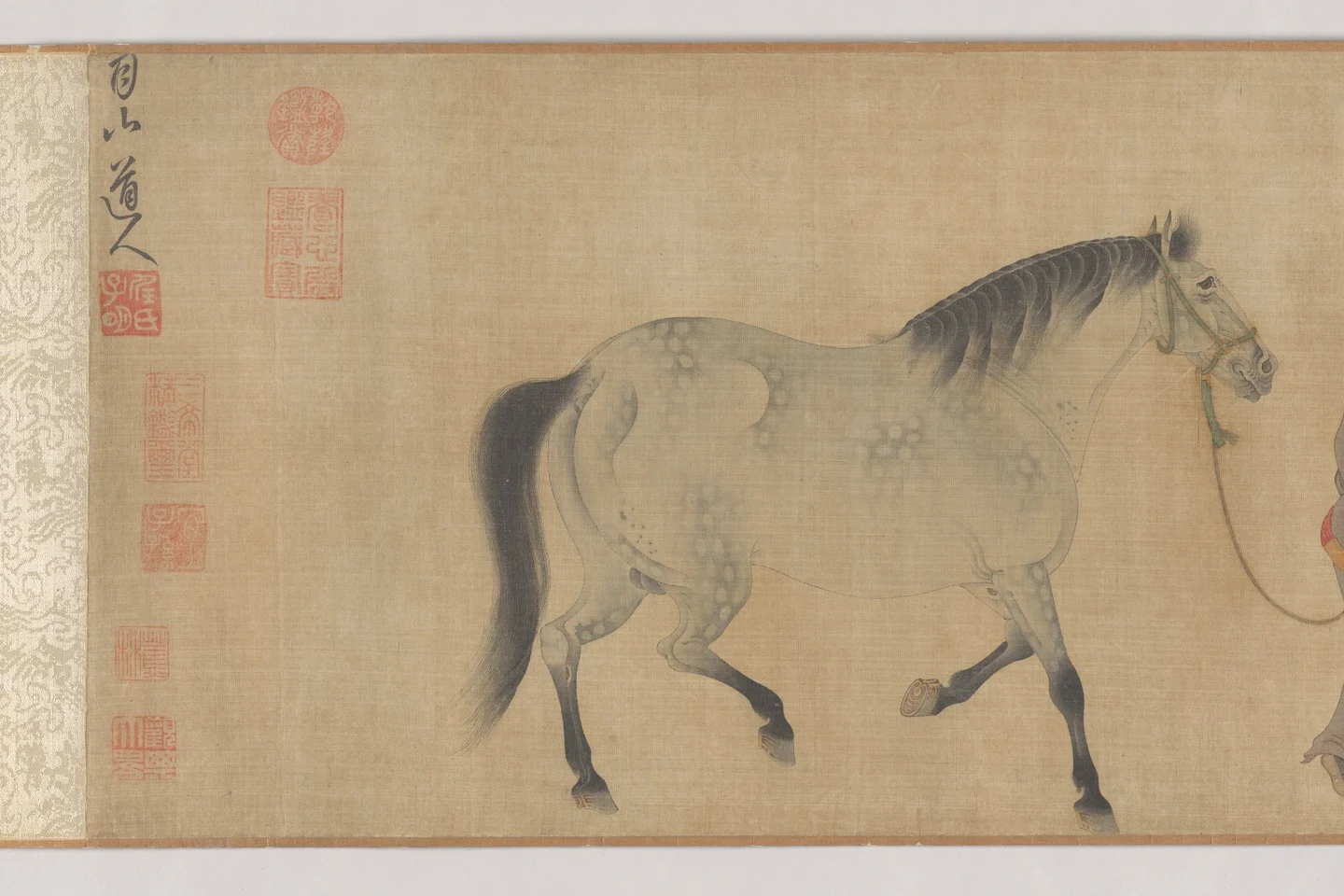
Ren Renfa. Four grooms lead three horses. Ren Renfa made the scroll around the 1320s under the Mongol Yuan dynasty. Both Chinese connoisseurs and Mongol courtiers valued his horse paintings.
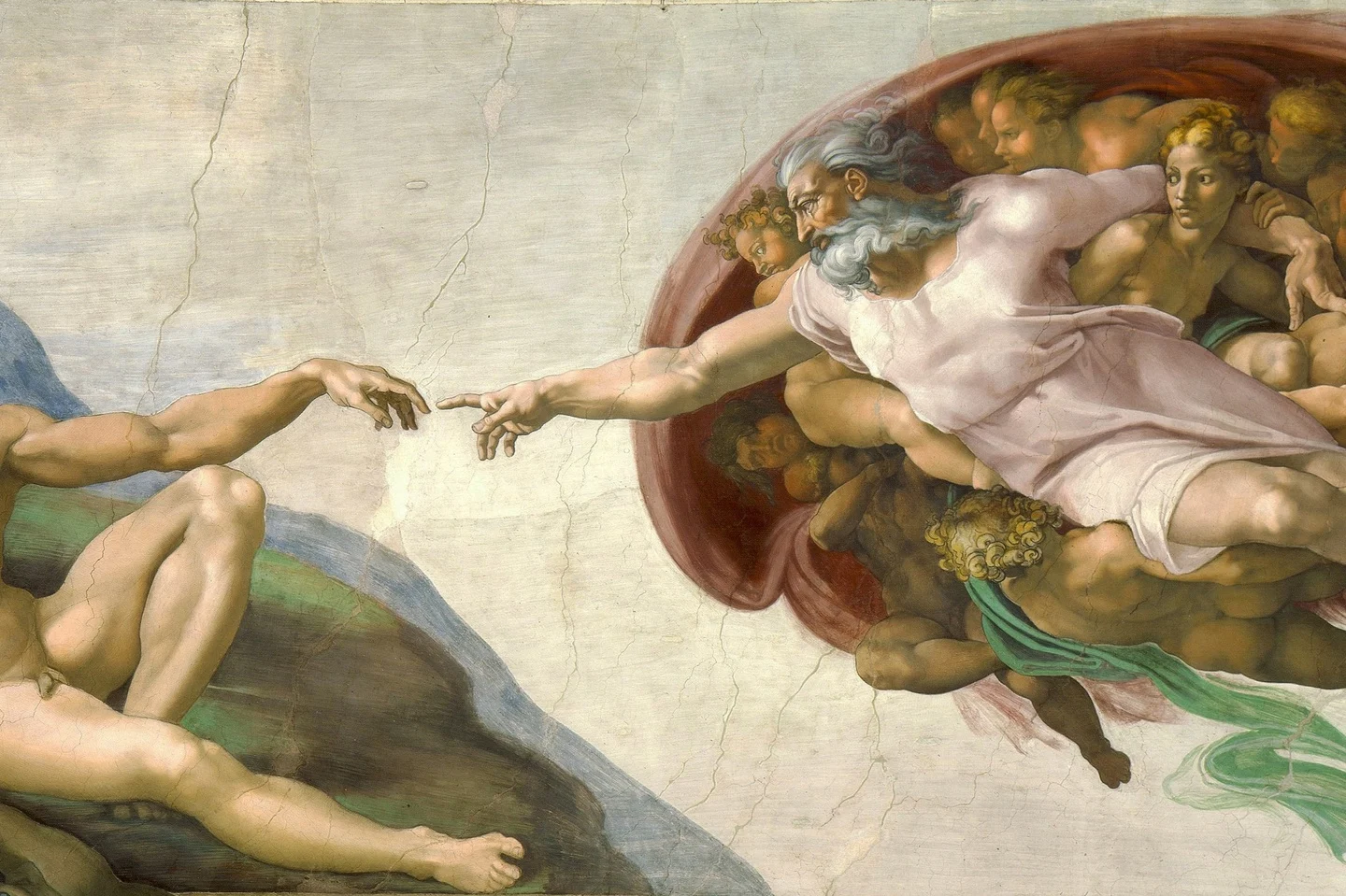
Michelangelo. This episode stands high above the floor of the Sistine Chapel. Pope Julius II commissioned Michelangelo to paint its ceiling in 1508; the work was completed in 1512.
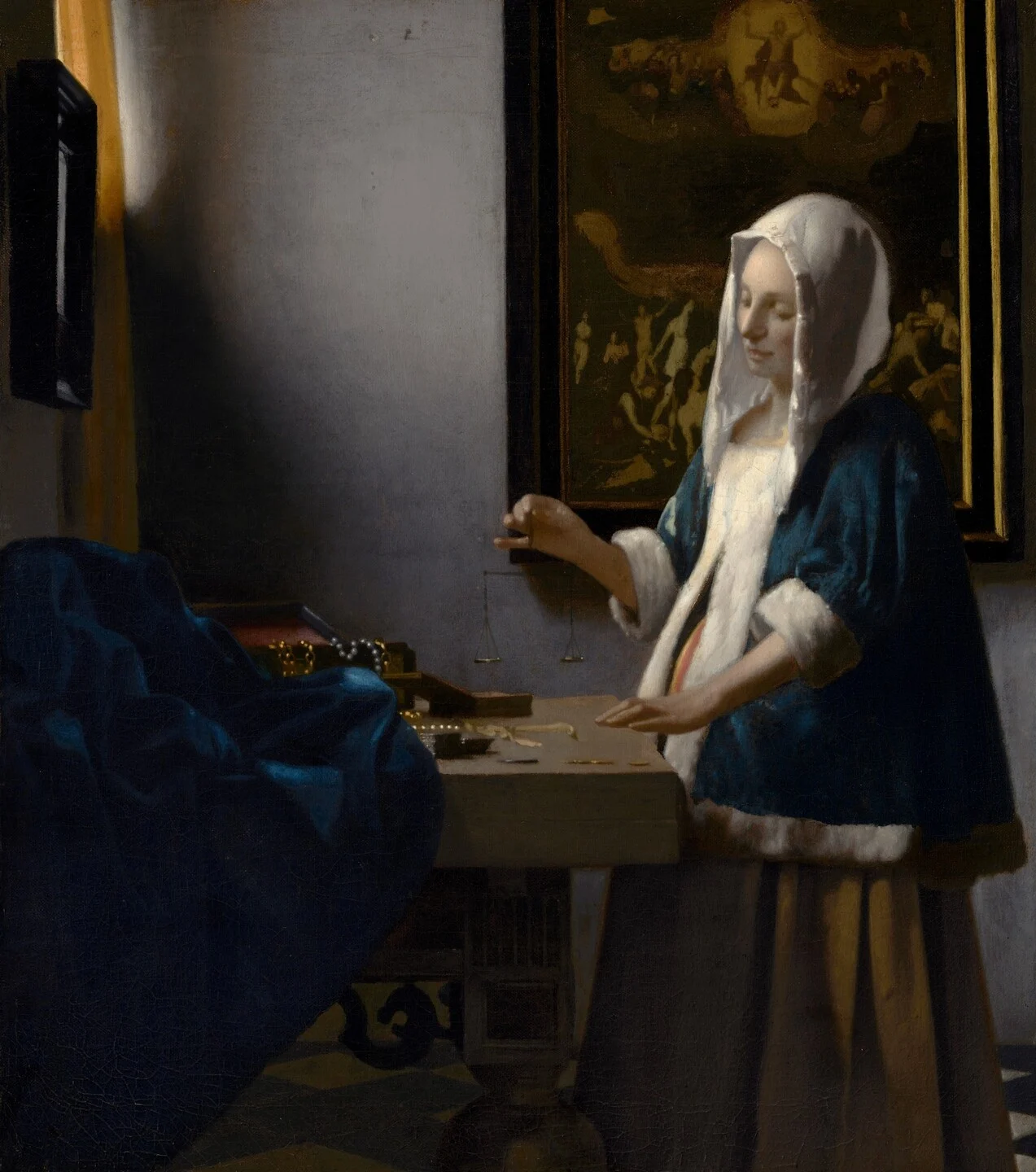
Johannes Vermeer. A Last Judgment hangs behind the woman, with jewelry on the table before her. The museum connects the empty, balanced scales with moderation and self-examination.
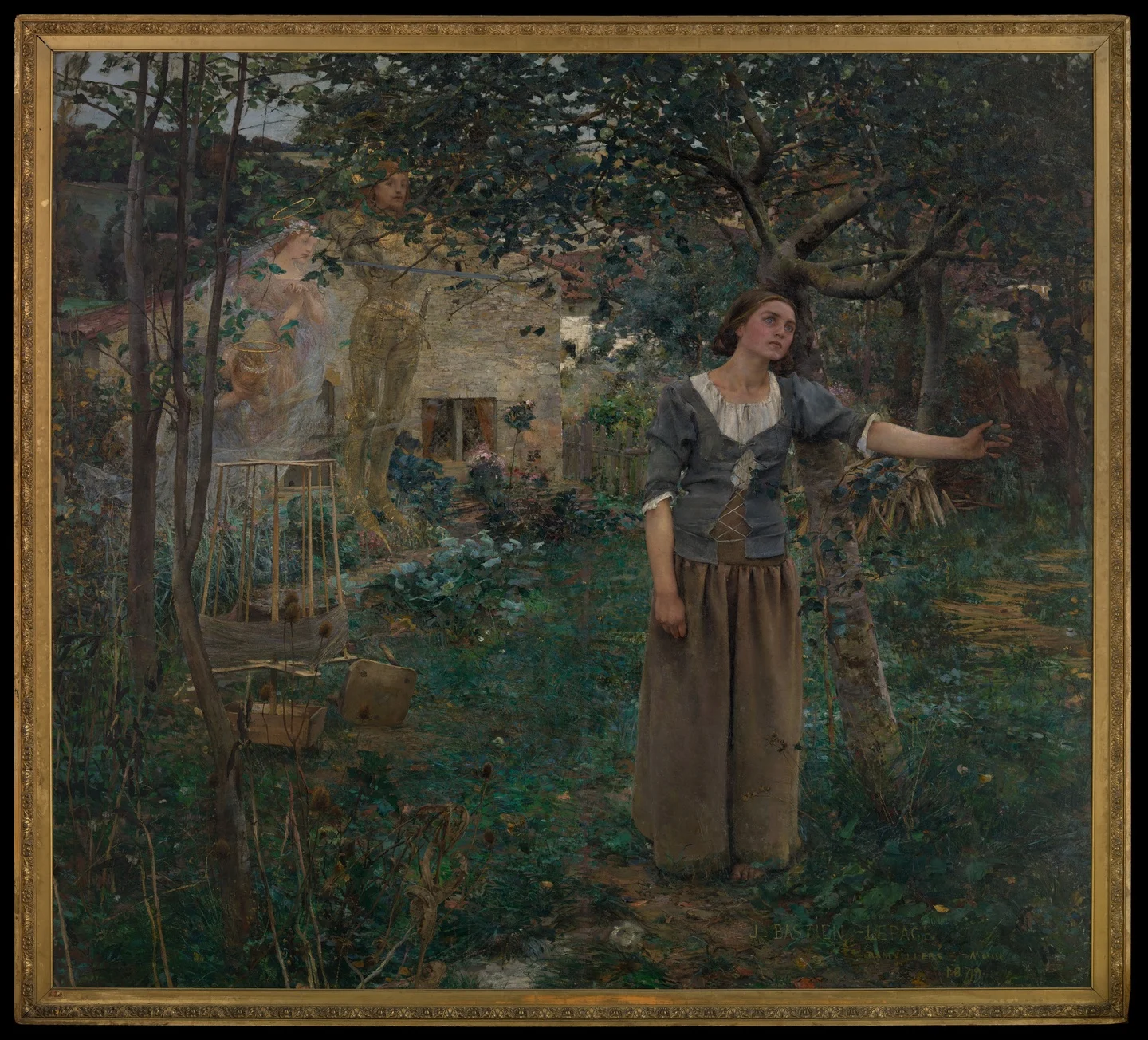
Jules Bastien-Lepage. Joan hears the saints who call her to lead France. Bastien-Lepage sets the encounter in a recognisable rural garden.
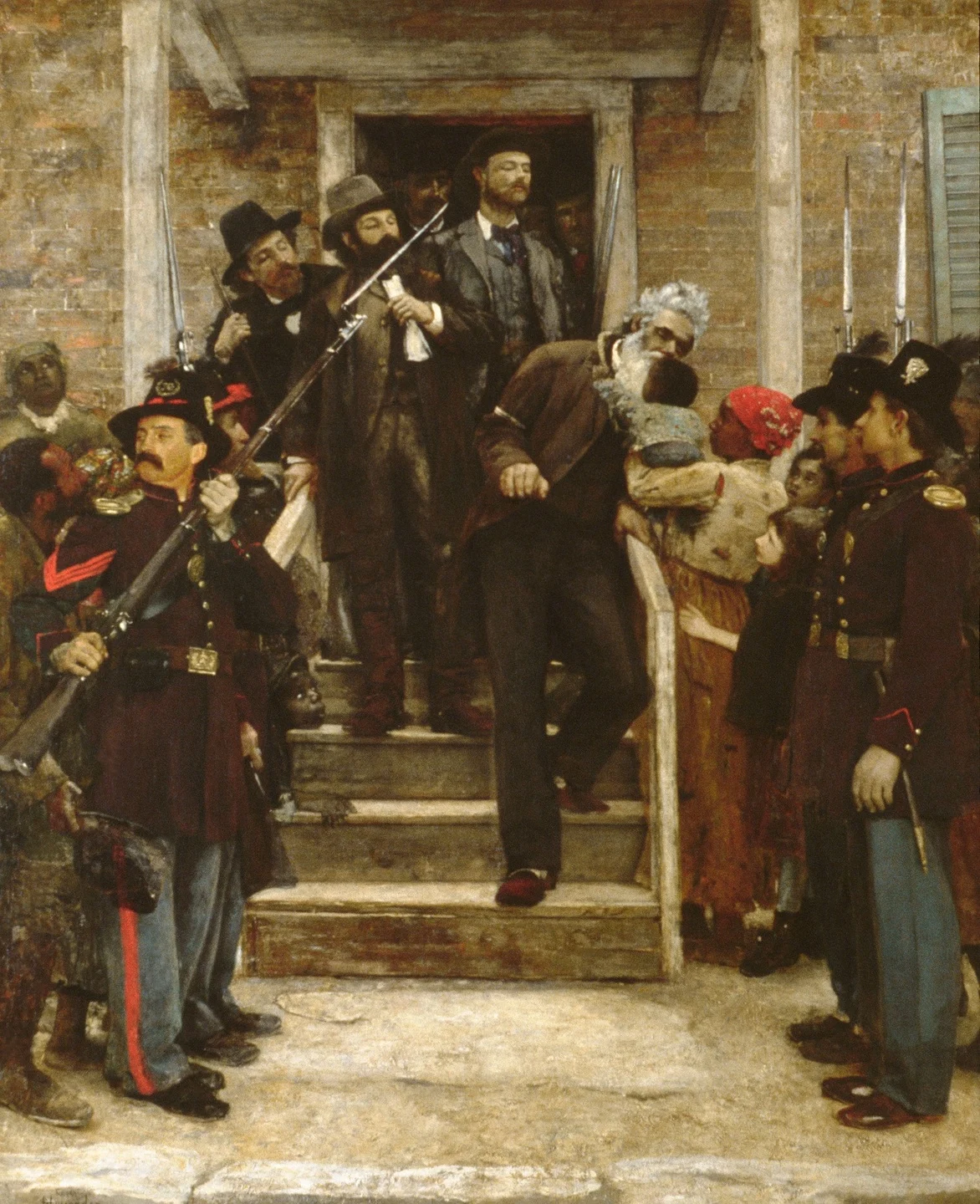
Thomas Hovenden. Hovenden painted John Brown more than twenty years after his execution in 1859. He took the episode of Brown kissing a child from a newspaper account.
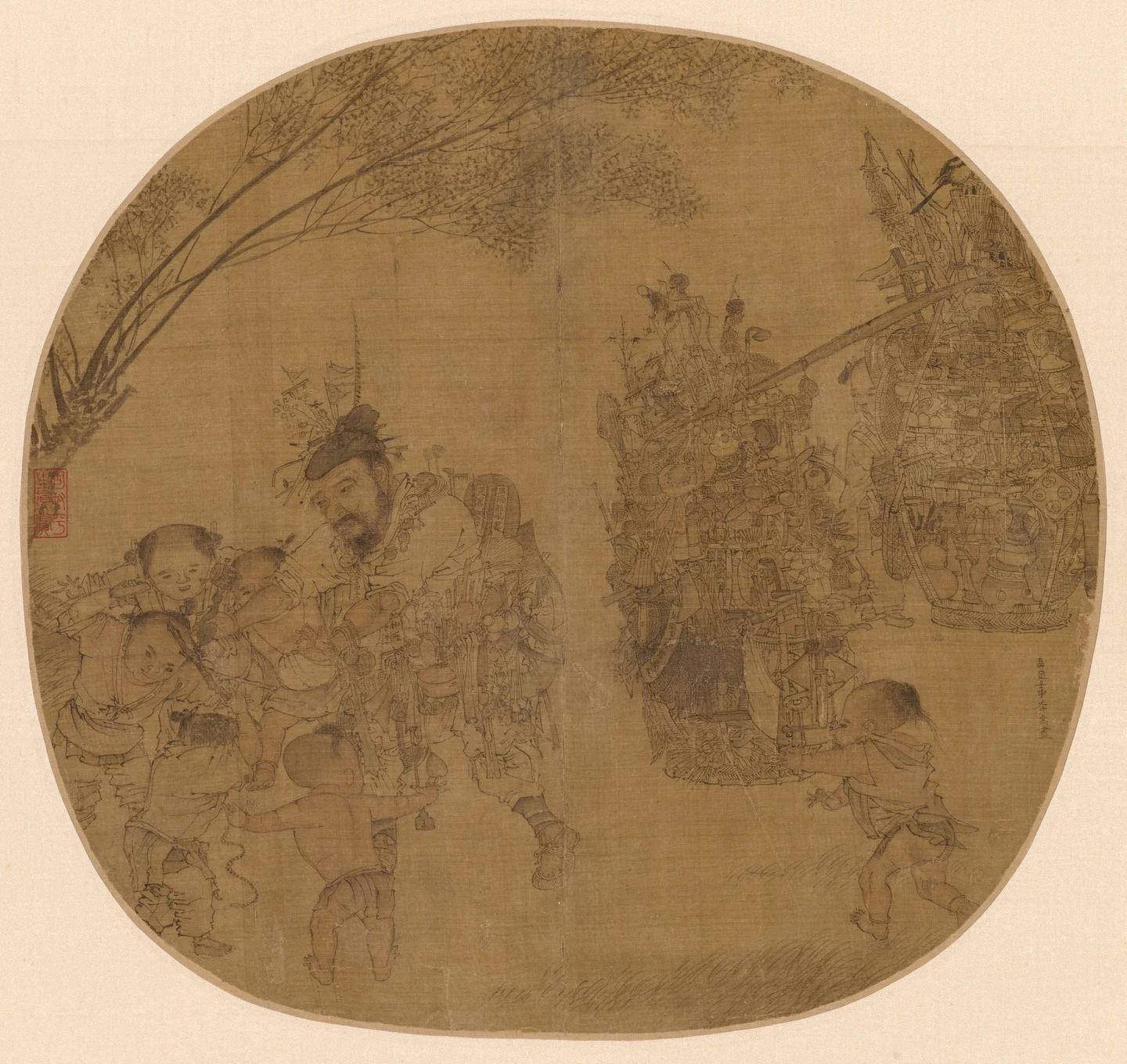
Li Song. A peddler abandons his load and rushes towards children attacking a snake. Li Song painted the scene in 1212 at Emperor Ningzong’s court.
Raphael. Raphael gathered ancient philosophers in a room used as Pope Julius II’s library and study. Its murals presented philosophy, theology, poetry and law as related fields of knowledge.
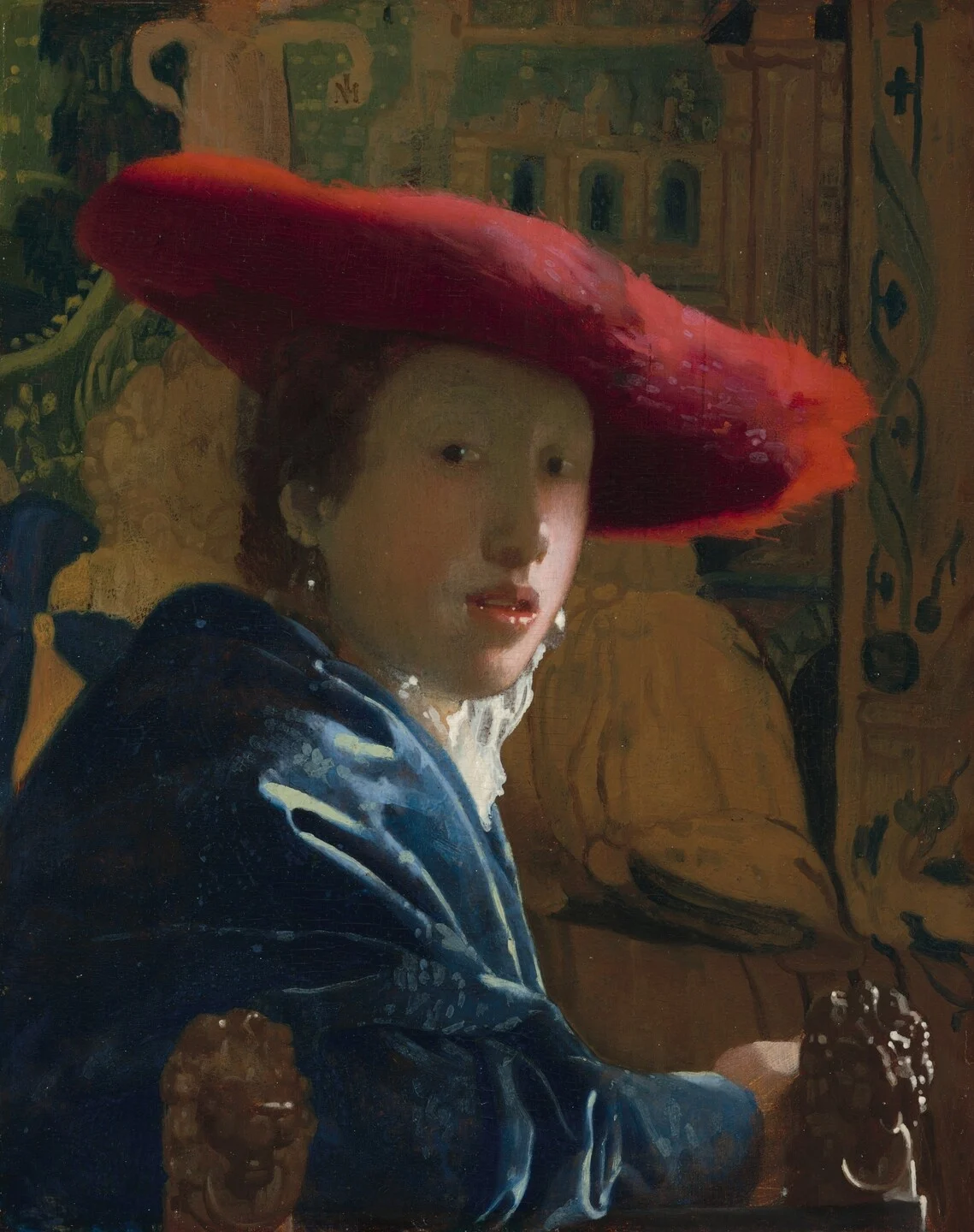
Johannes Vermeer. One of Vermeer's smallest works, this painting uses a wooden panel. The red hat, blue robe, and white collar form its main color structure.
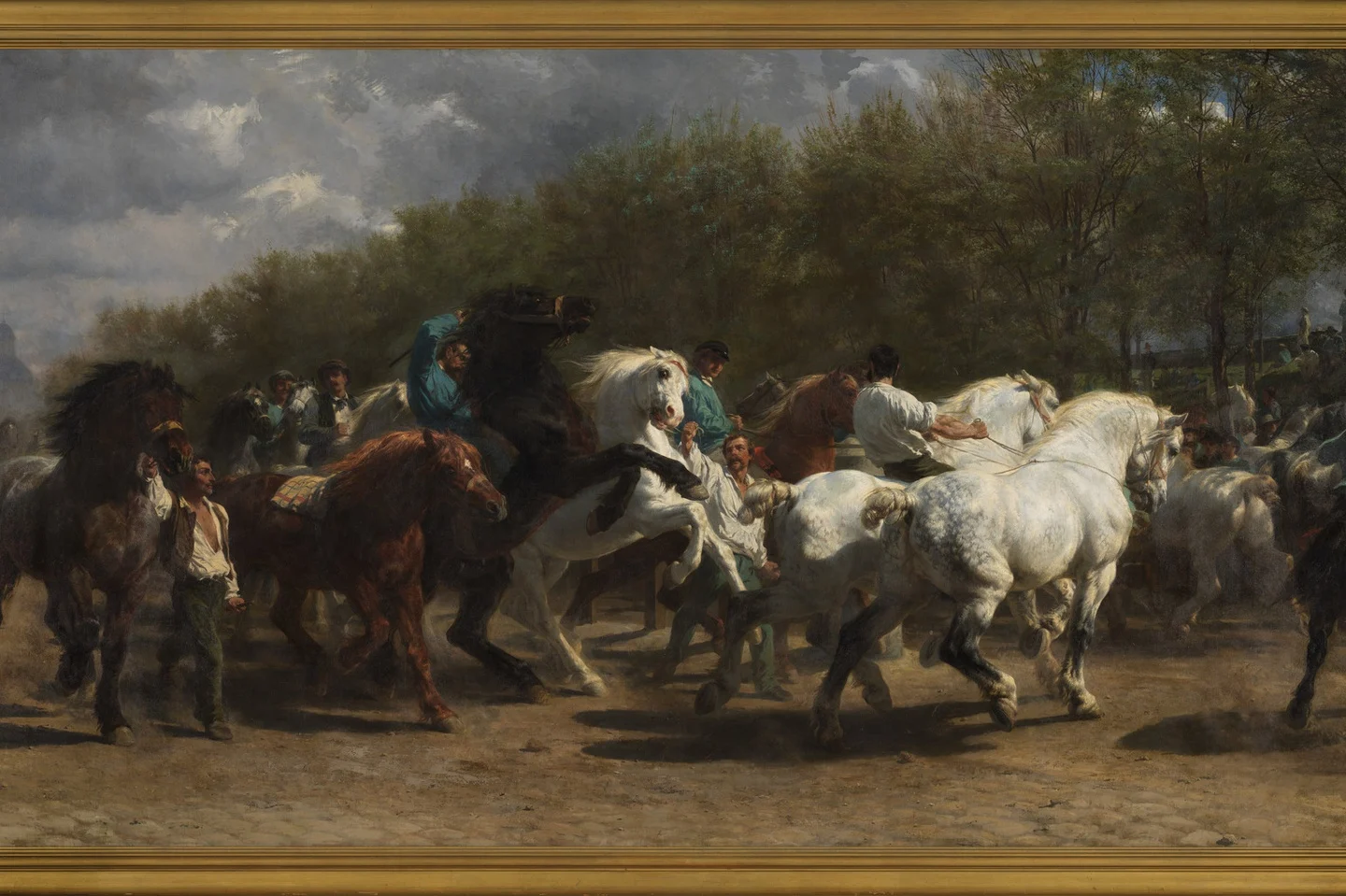
Rosa Bonheur. Bonheur studied the Paris horse market on Boulevard de l’Hôpital twice a week for eighteen months. The huge painting won acclaim at the Salon of 1853.
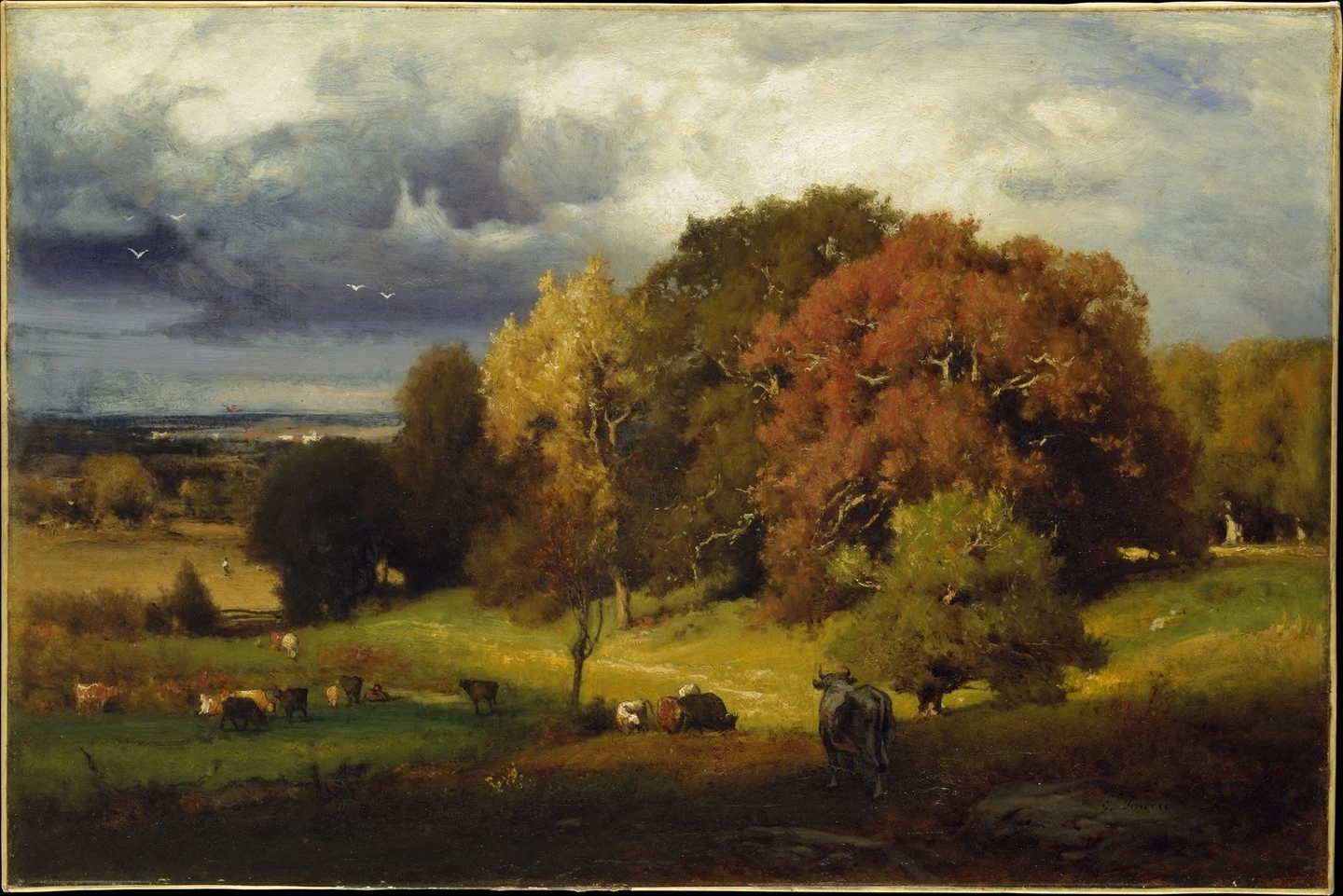
George Inness. During the 1870s Inness moved away from detailed description towards more generalised landscape.
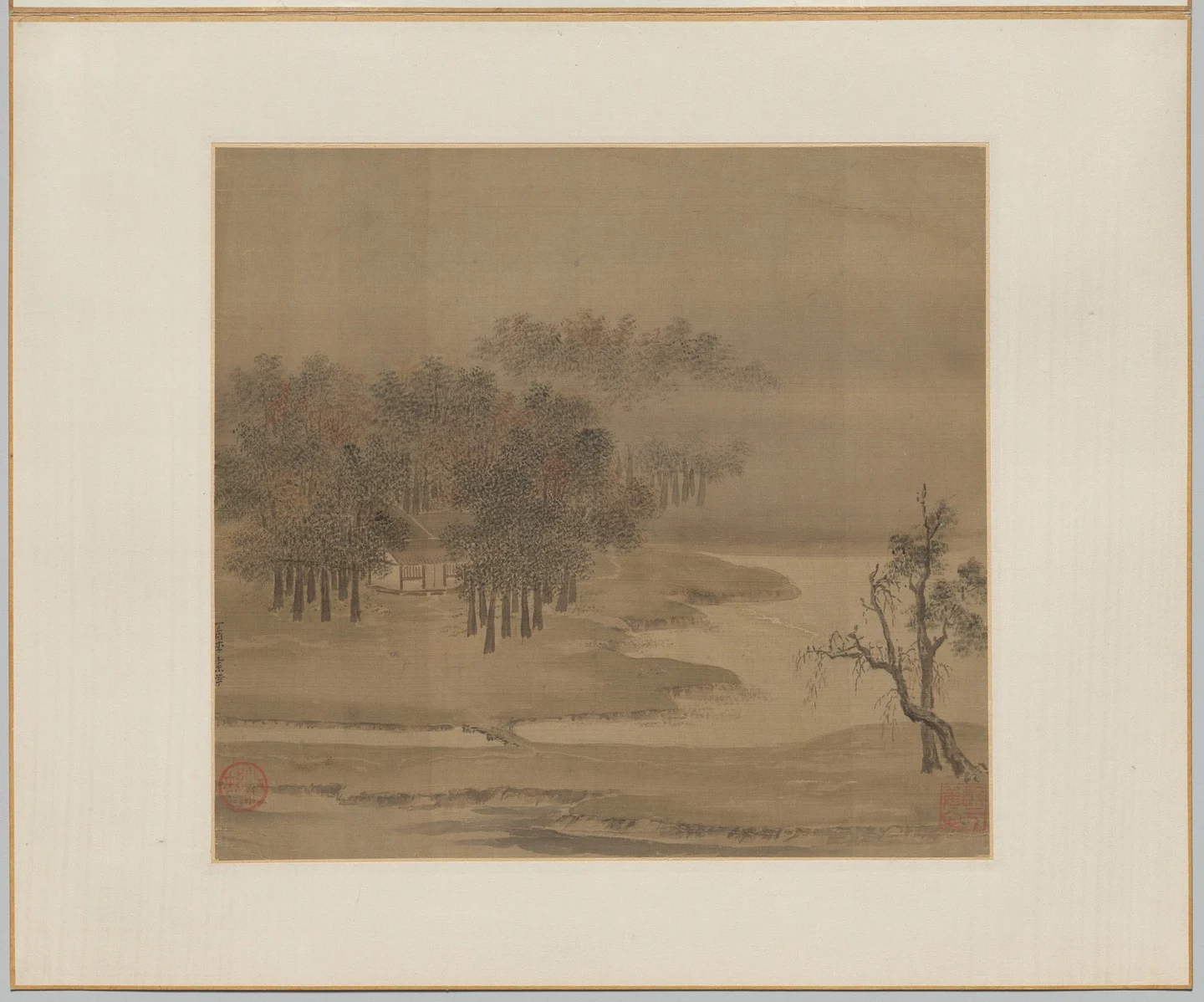
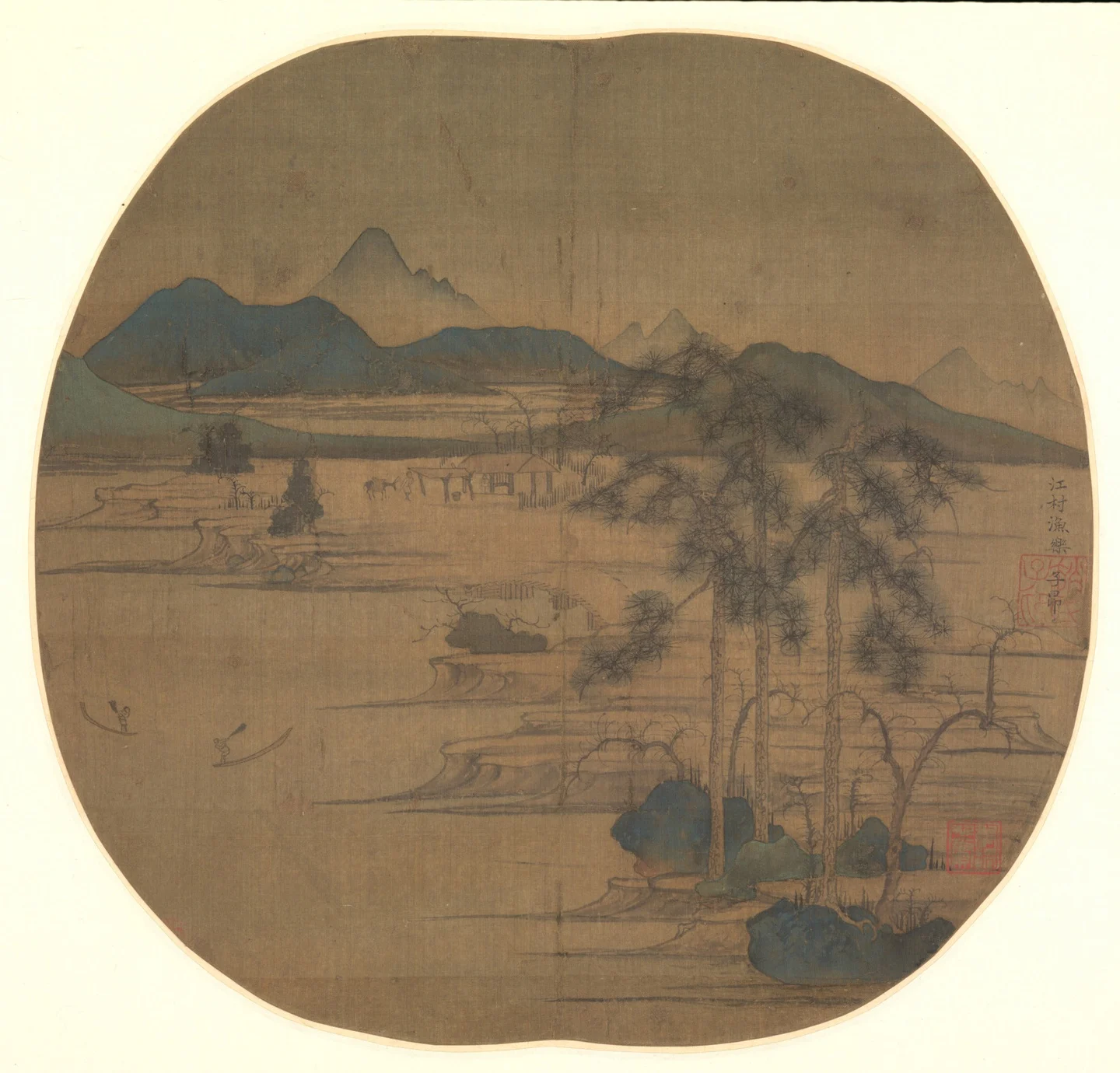
Li Anzhong. Small houses hide among autumn trees, separated from the nearer bank by water. Li Anzhong painted this leaf in 1117.
Raphael. These two angels are often recognised before the whole painting. Yet Raphael made a large image for the high altar of the monastery church of San Sisto in Piacenza, most probably…
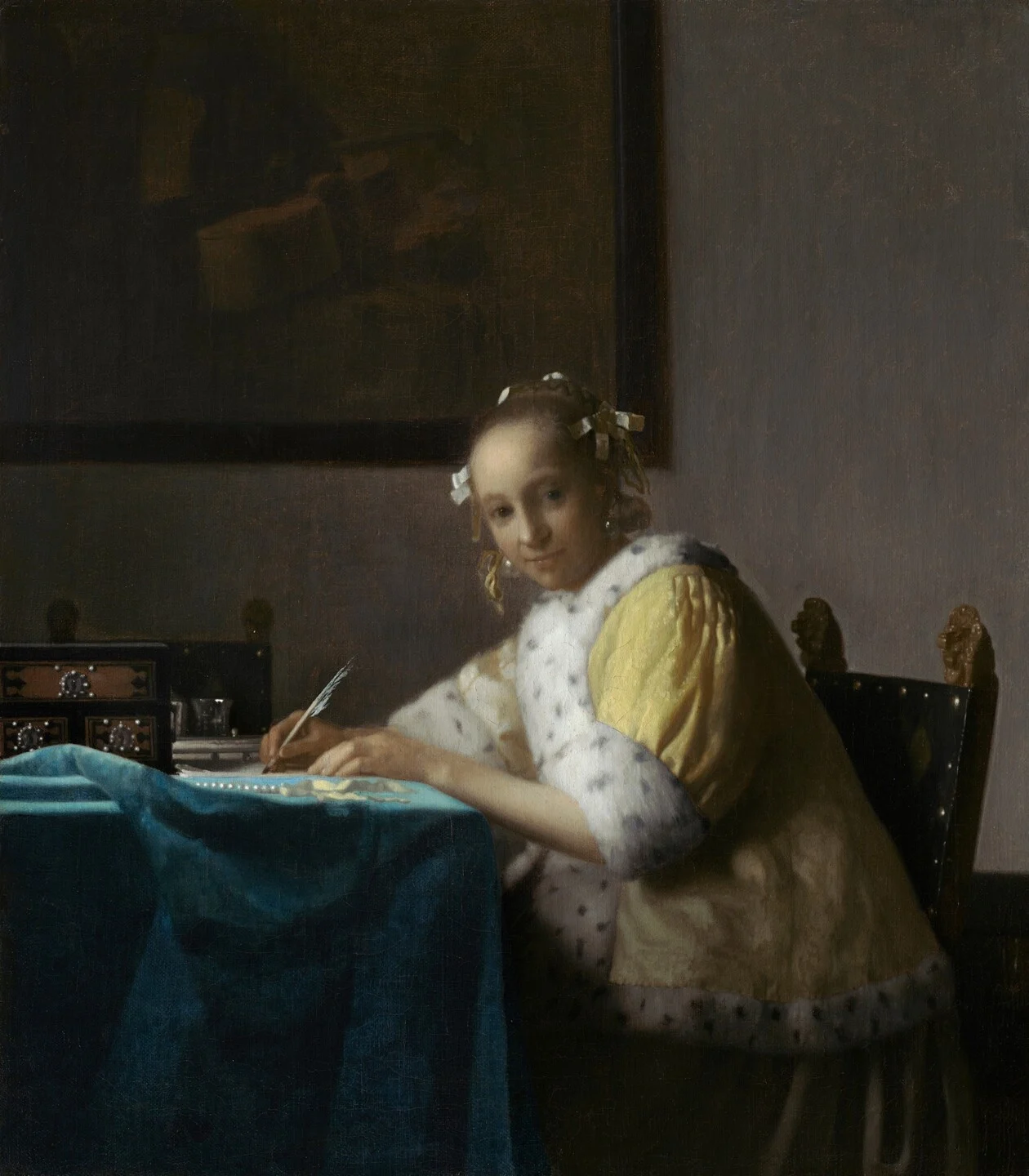
Johannes Vermeer. The yellow jacket recurs in Vermeer's paintings and appears in the inventory of his household after his death.
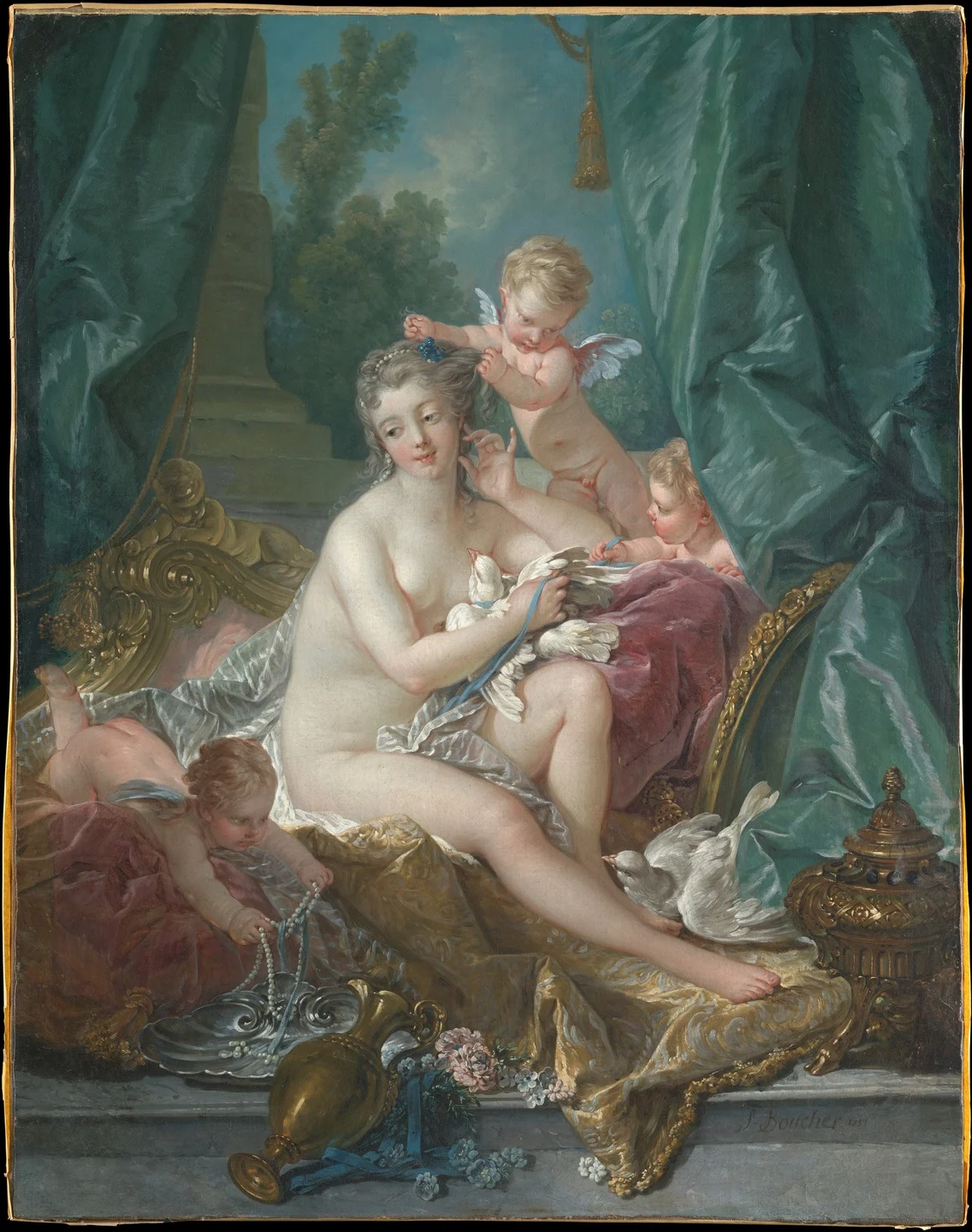
François Boucher. Madame de Pompadour commissioned this Venus for a panelled room at her château of Bellevue.
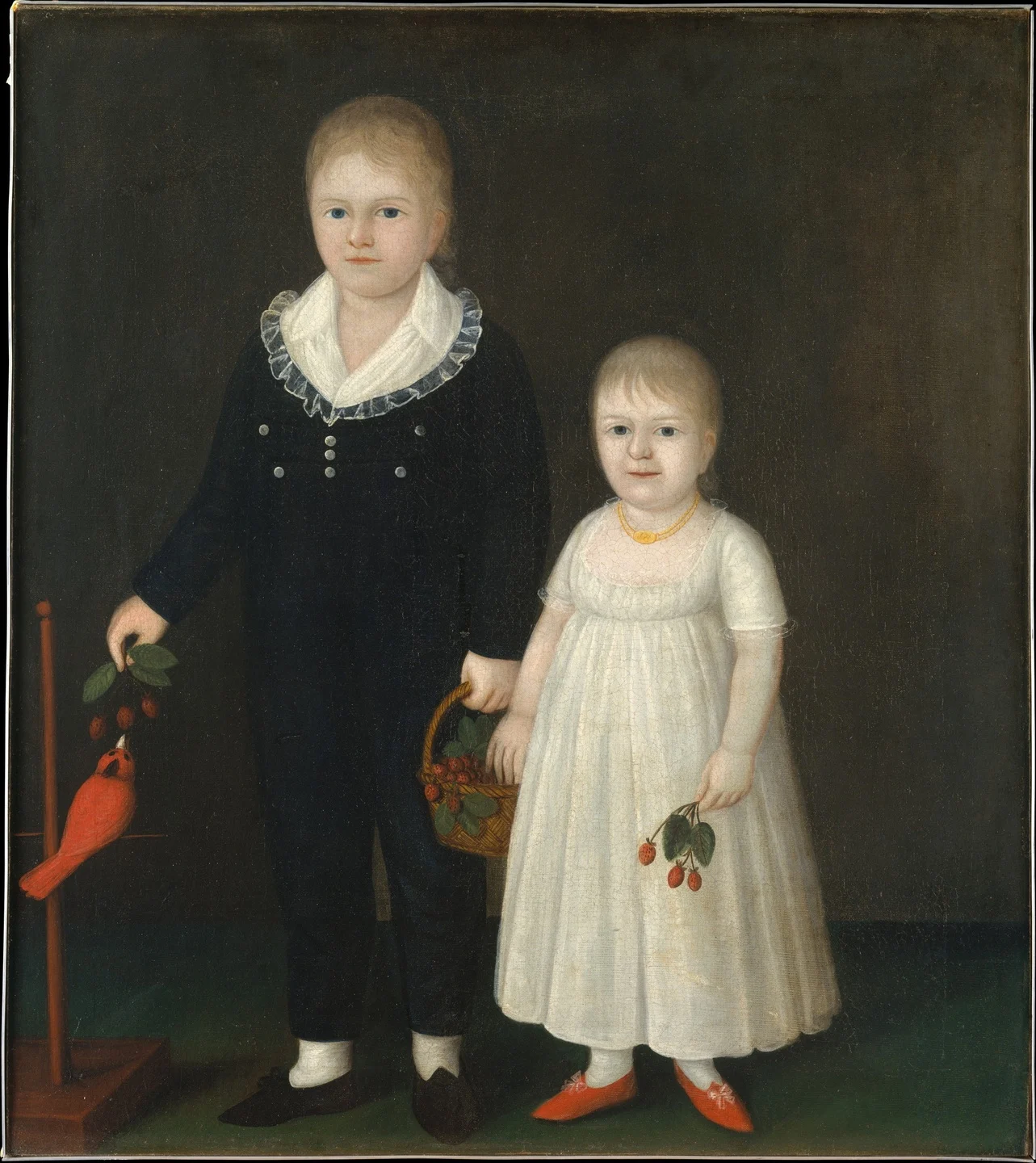
Joshua Johnson. Johnson is considered the first known professional African American portrait painter.
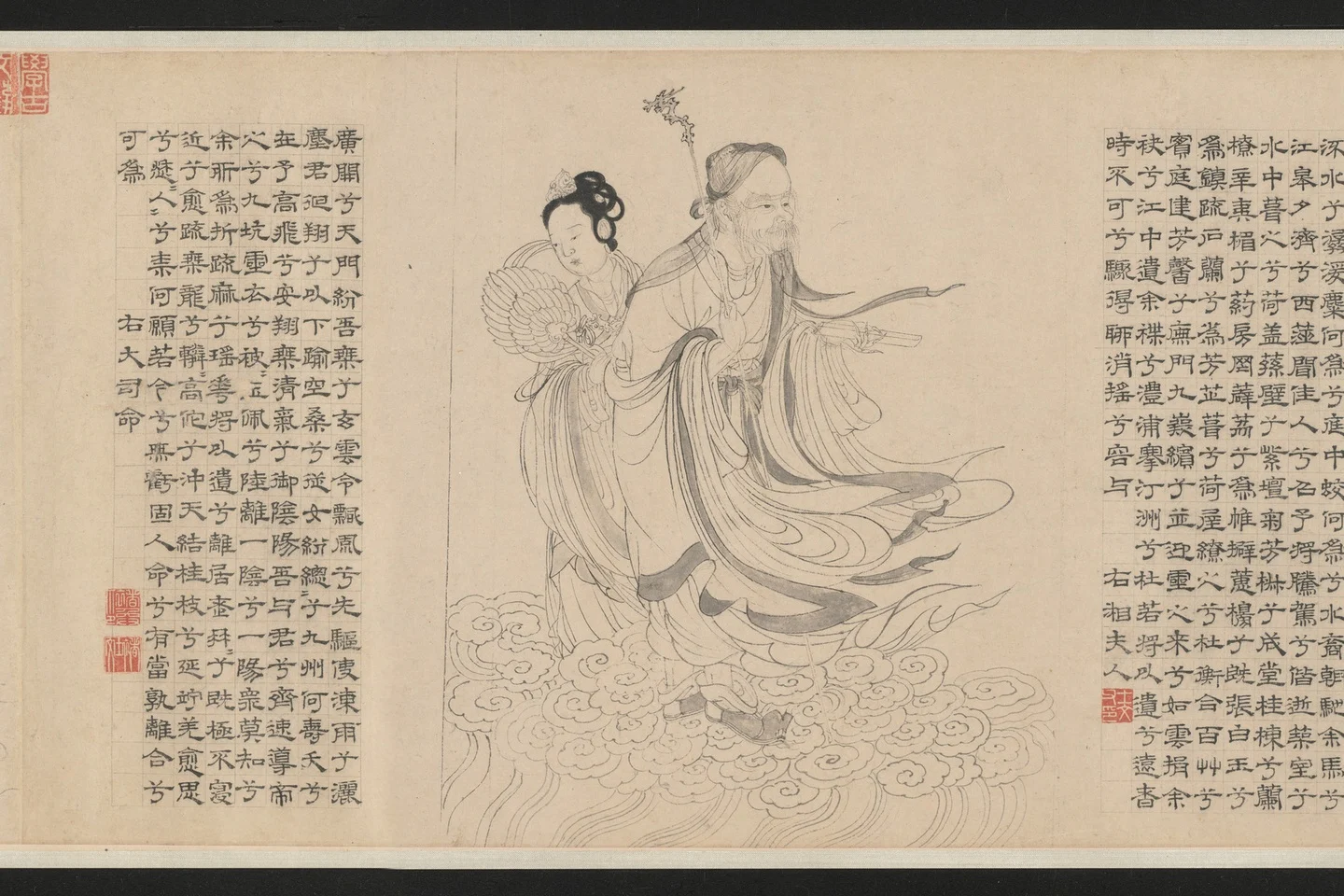
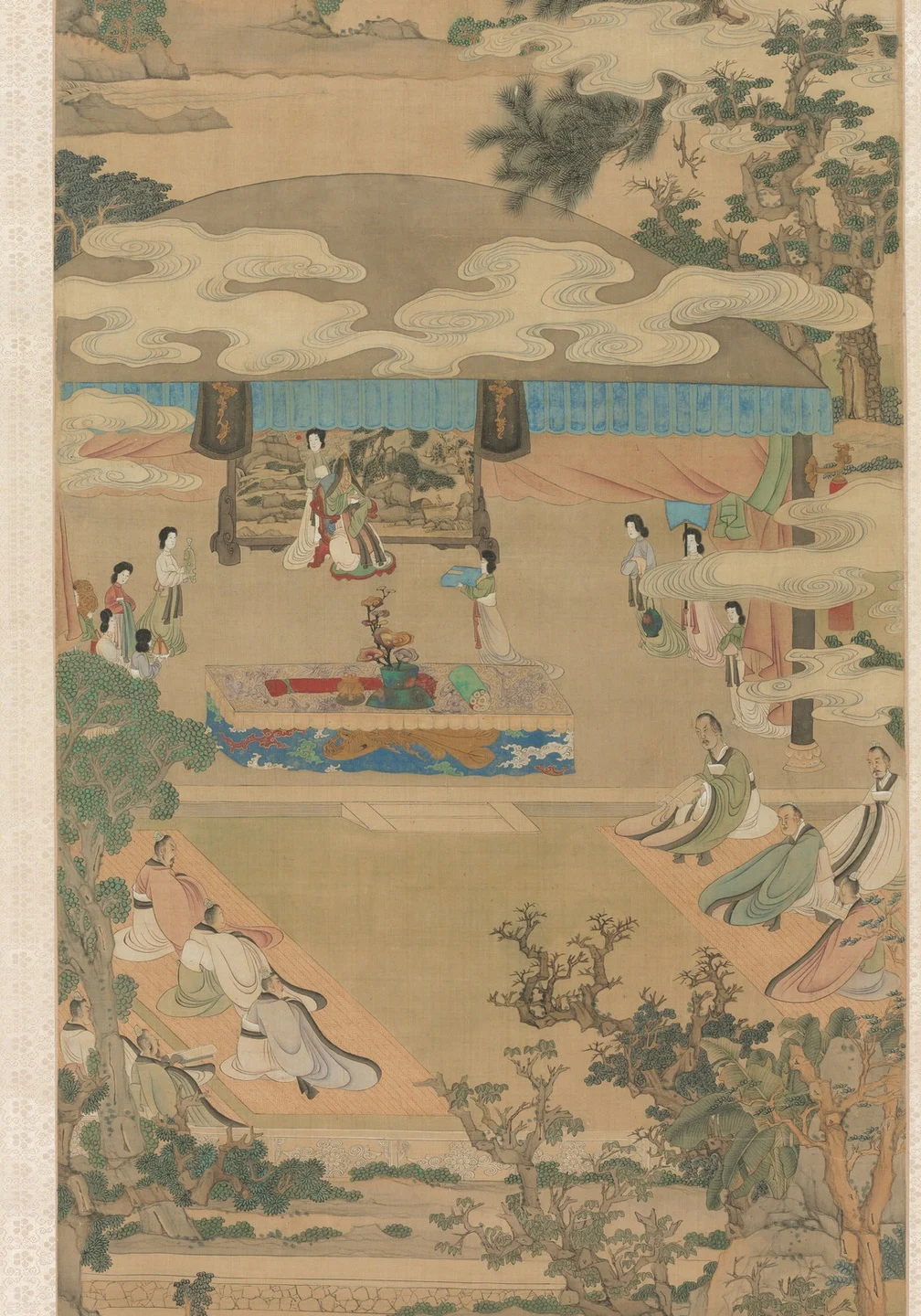
Zhang Wo; calligraphy by Chu Huan. Deities float on clouds, travel over water and appear among trees.
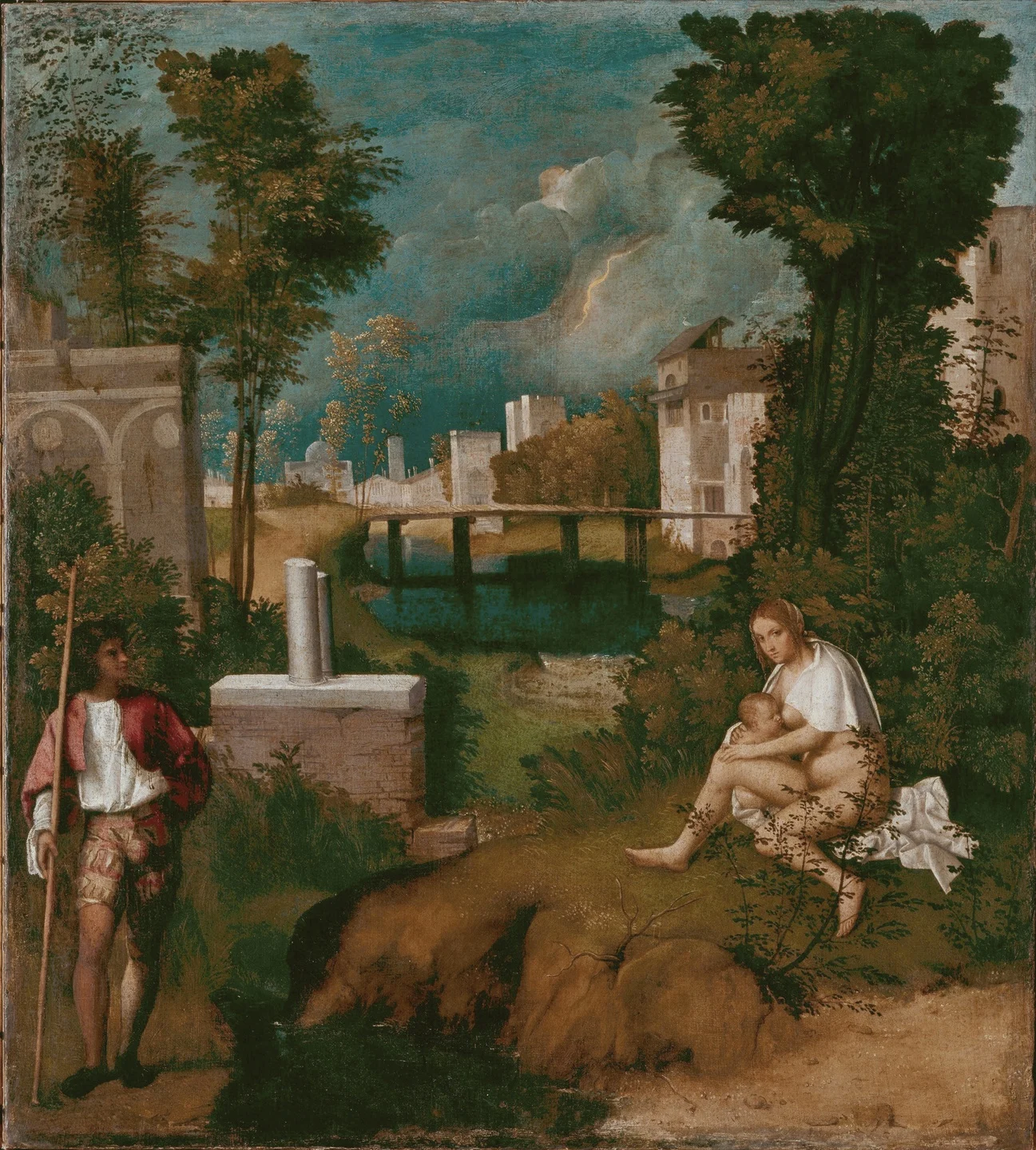
Giorgione. Lightning above a town, a nursing woman and a young man form a scene without a generally accepted narrative explanation.
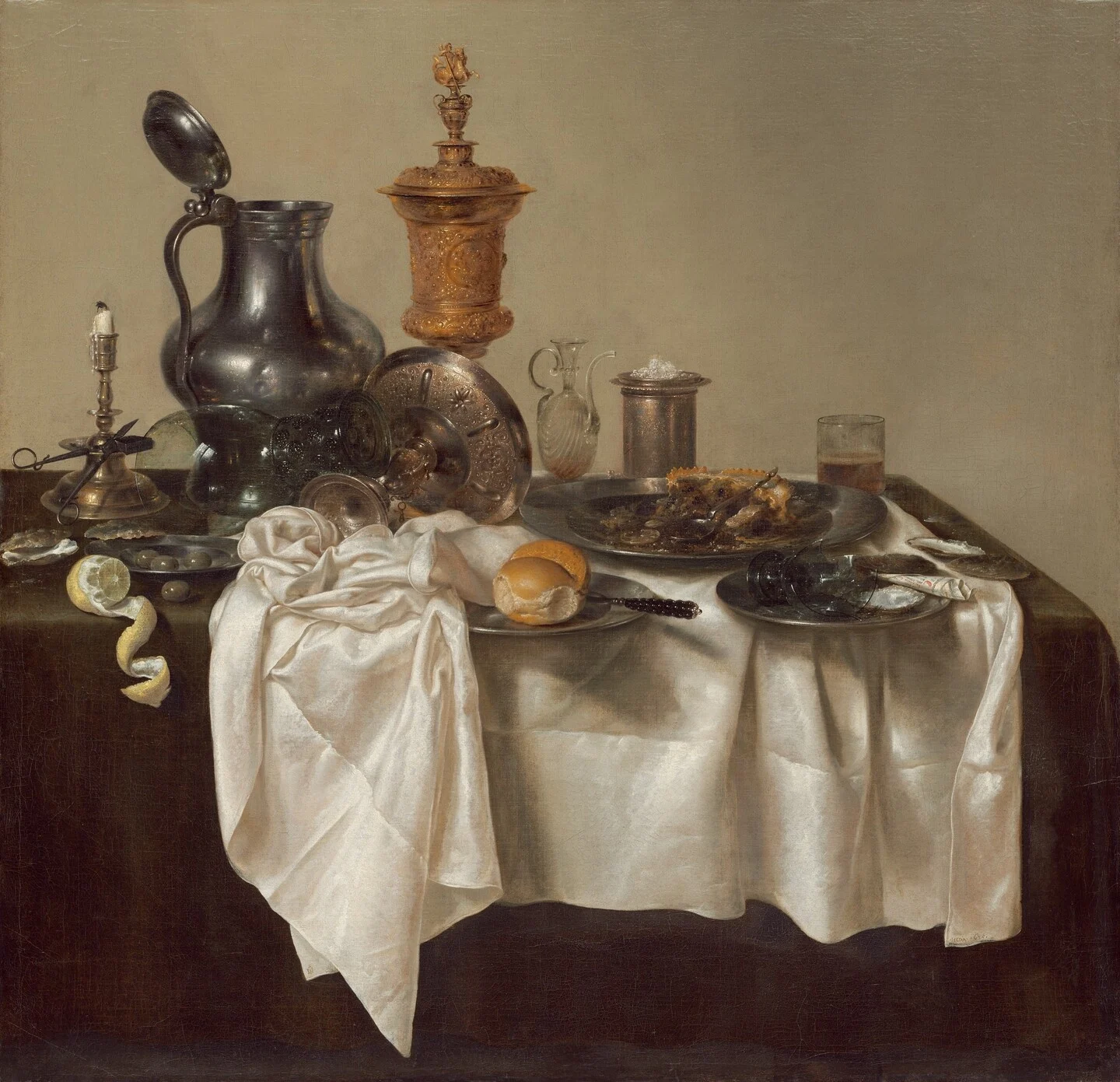
Willem Claesz Heda. The restricted gray and brown palette follows a Dutch fashion of the 1630s. Heda coordinates objects tonally despite their different actual colors.
Paul Cezanne. Provençal farmworkers modelled for Cézanne’s card players. He developed the arrangement through studies, carefully adjusting bodies, table and surroundings.
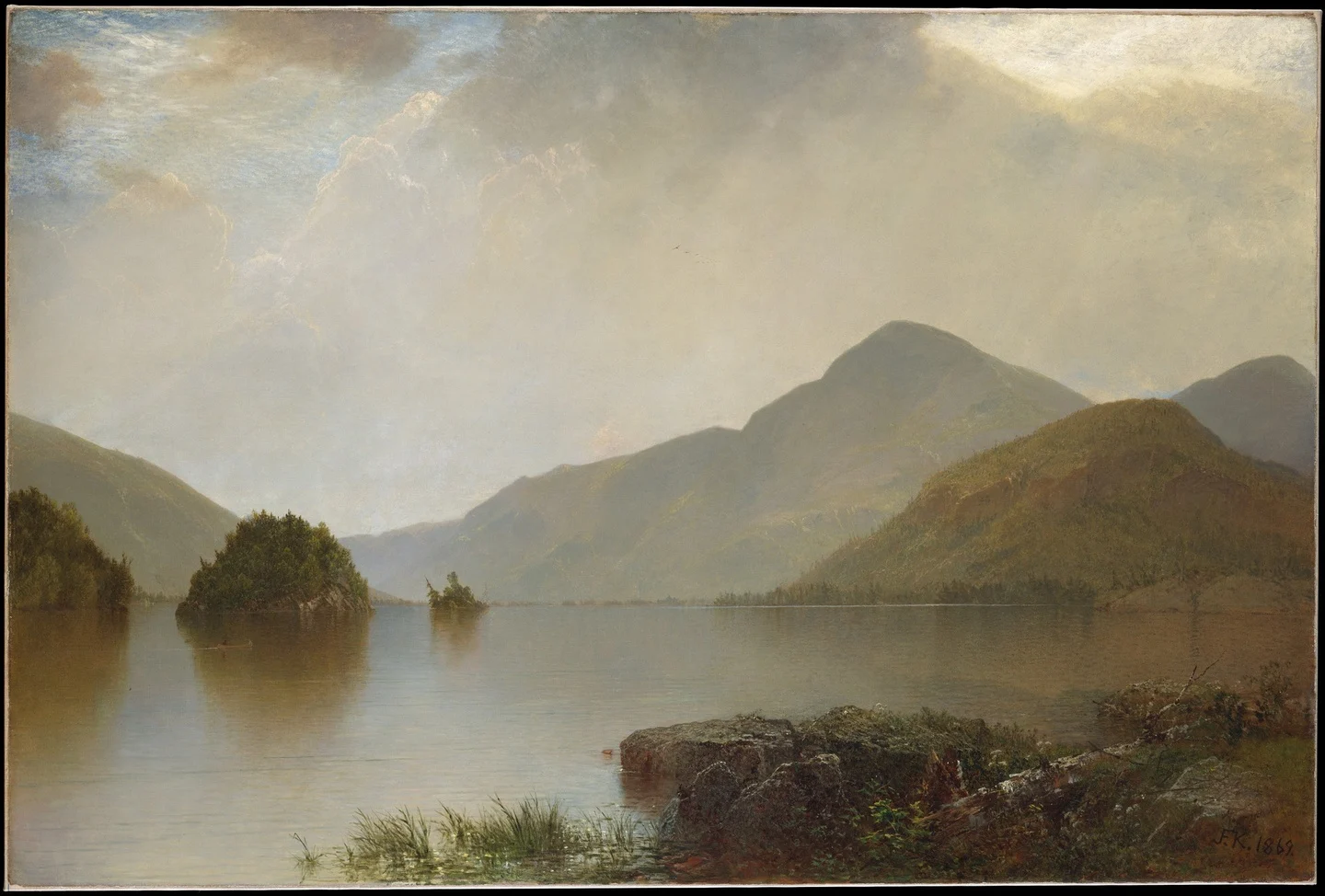
John Frederick Kensett. Kensett looks from Homer Point towards Black Mountain across Lake George. Signs of expanding tourism are reduced.
Zhao Mengfu. Zhao Mengfu descended from the defeated Southern Song imperial family but accepted service at Khubilai Khan's court.
Titian. In 1538 Guidobaldo II della Rovere purchased a painting of a nude woman from Titian.
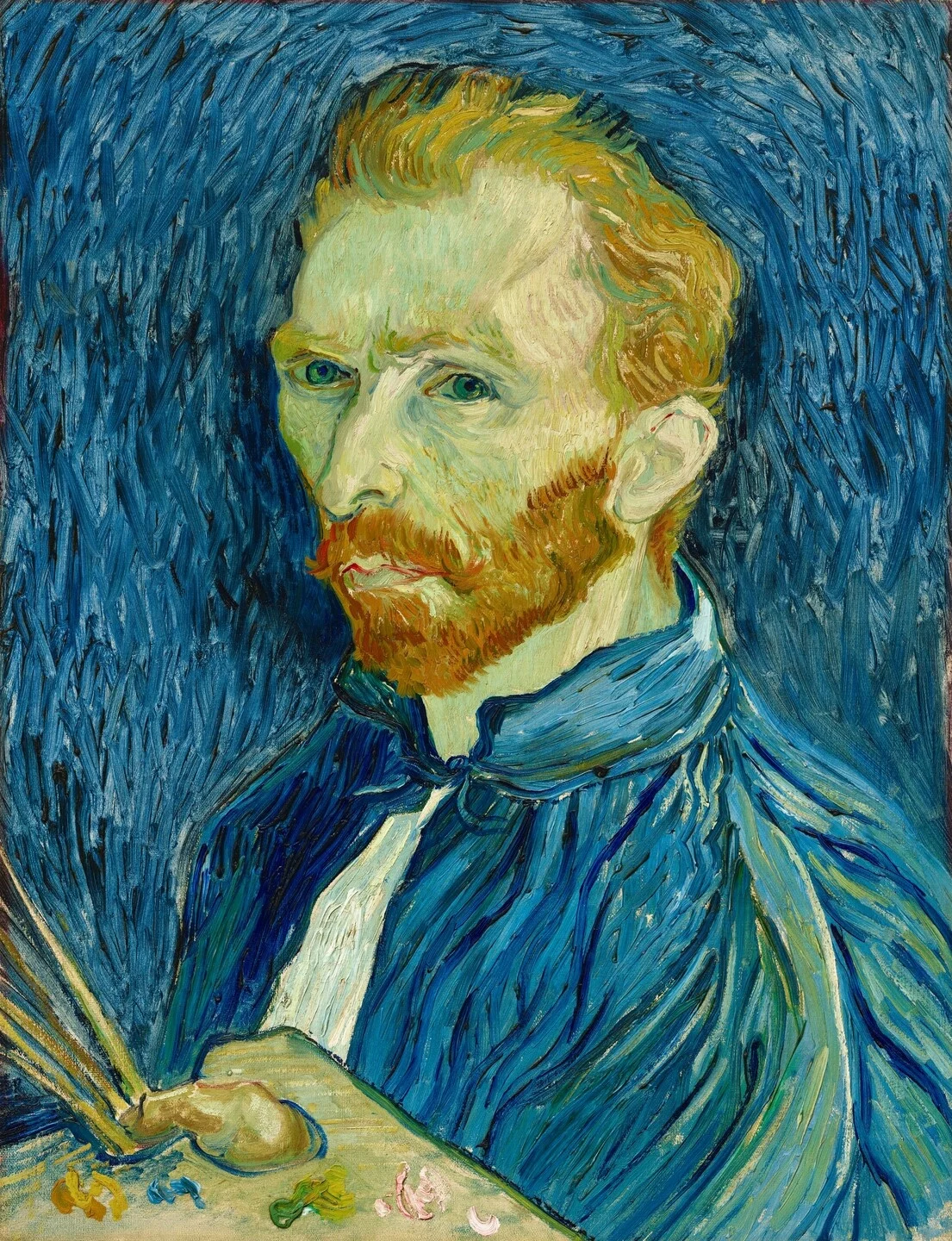
Vincent van Gogh. Van Gogh painted himself while recovering from a severe crisis at Saint-Rémy. This is one of his last self-portraits. Brushes and palette show him continuing to work.
Paul Cezanne. Flowering plants were unusual subjects for Cézanne. His slow working process risked outlasting the blooms. Here, the fragile plant joins more durable apples and pottery.
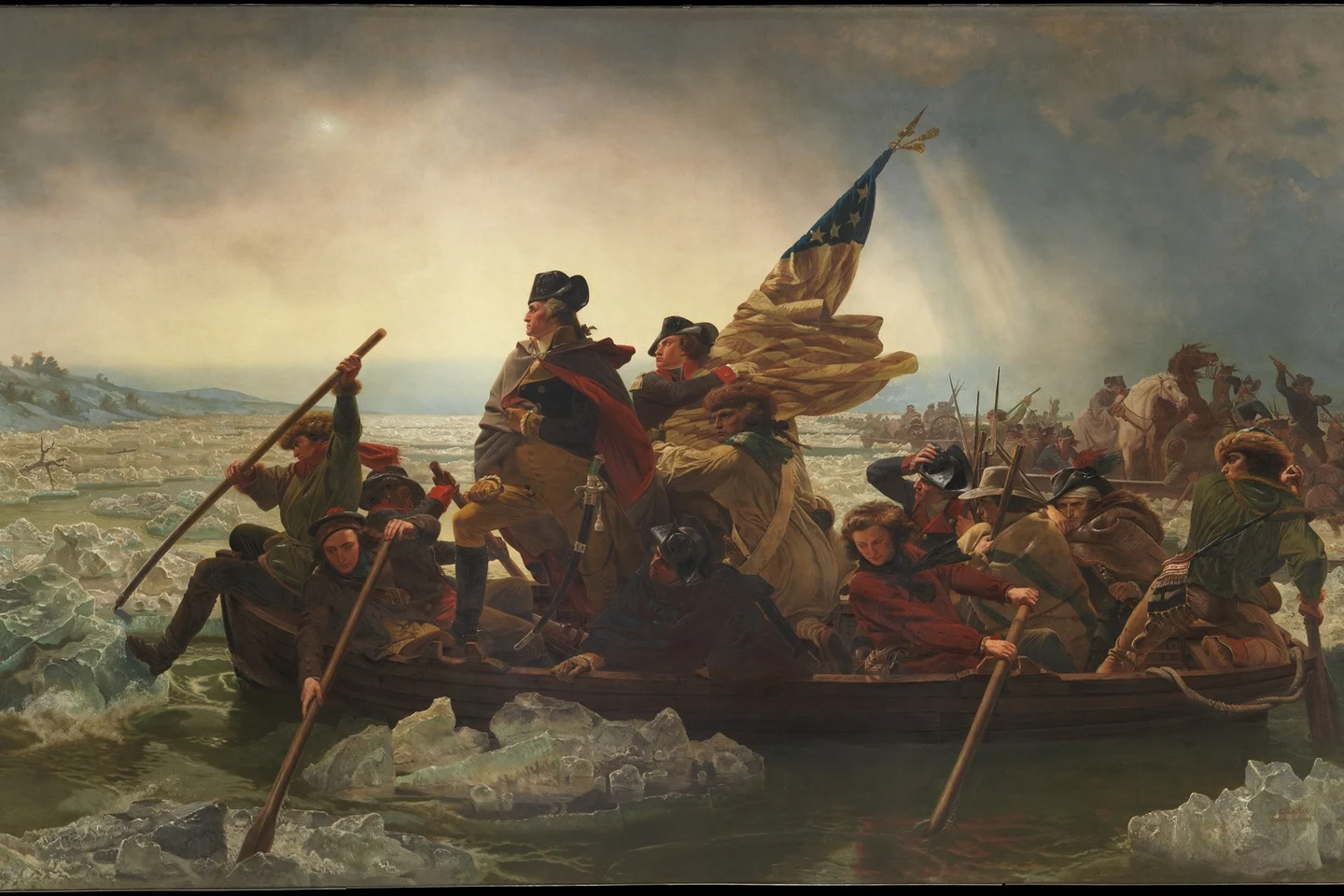
Emanuel Leutze. Leutze’s crossing became an emblem of the American Revolution in both Germany and the United States. Later artists repeatedly reinterpreted it.
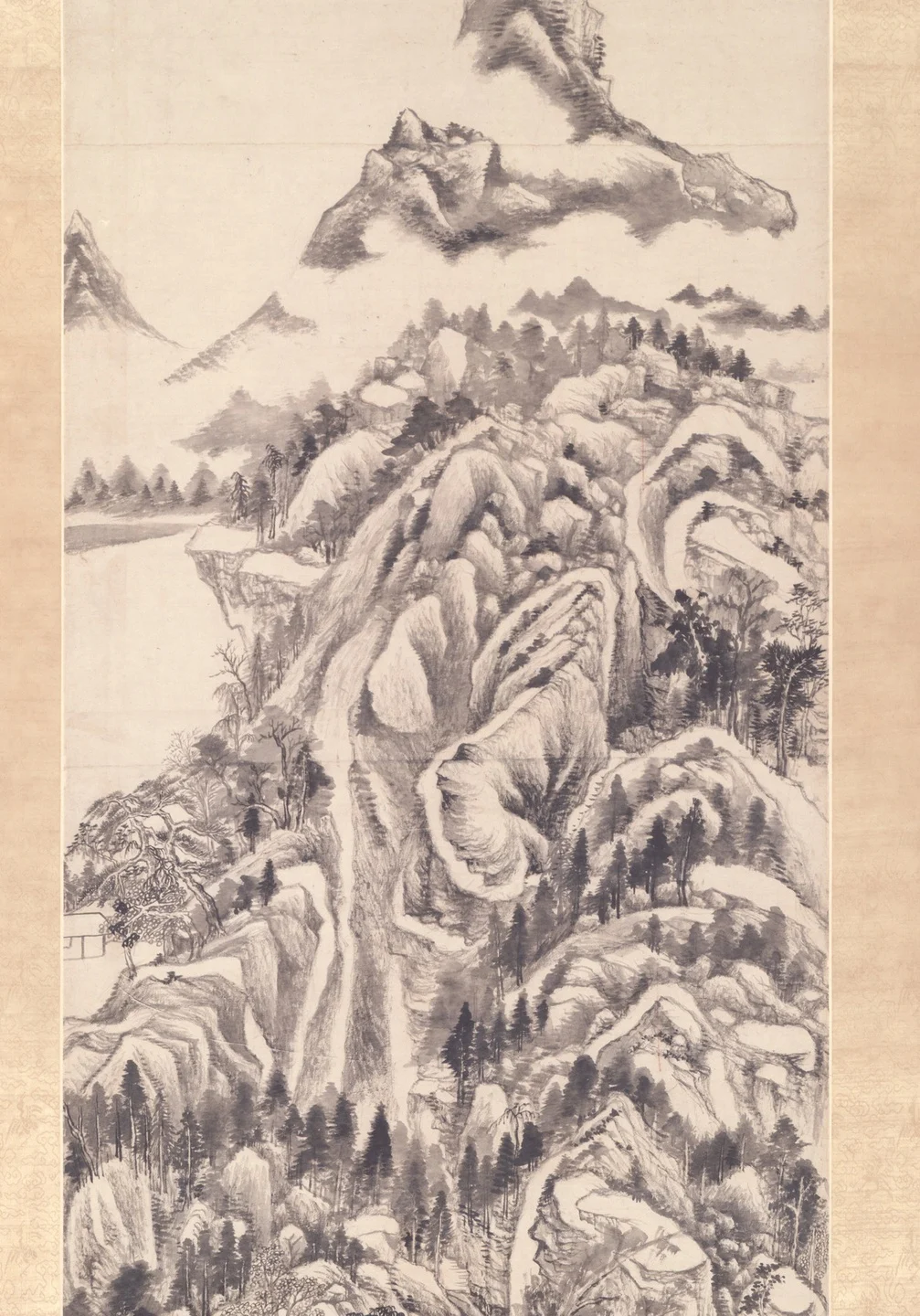
Dong Qichang. Dong Qichang had seen the Bian Mountains, but the painting investigates how a composition is built. Slopes are arranged to connect different areas through their direction.
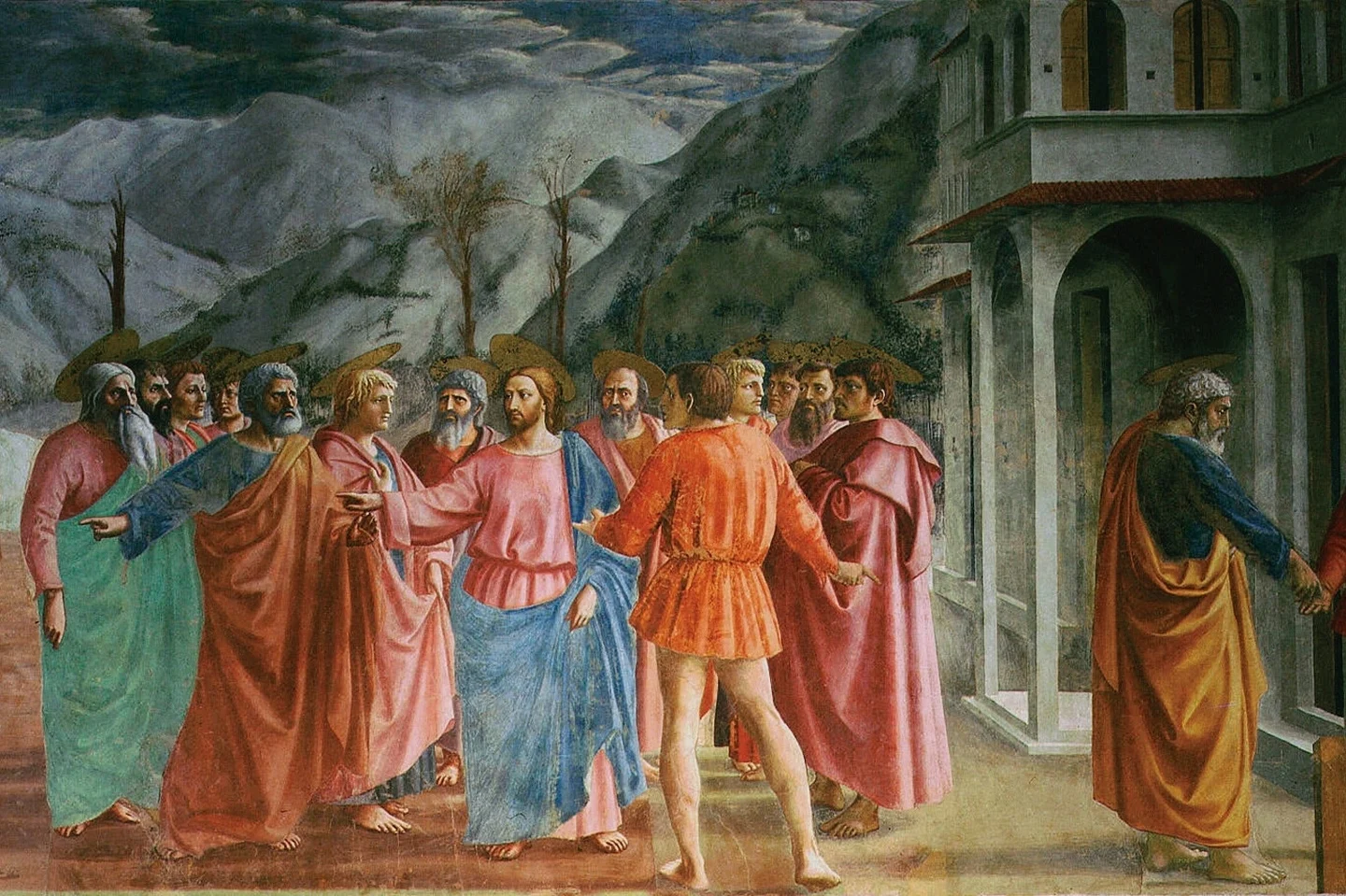
Masaccio. Three moments from the Gospel of Matthew appear together. A temple tax is requested from Christ and Peter.
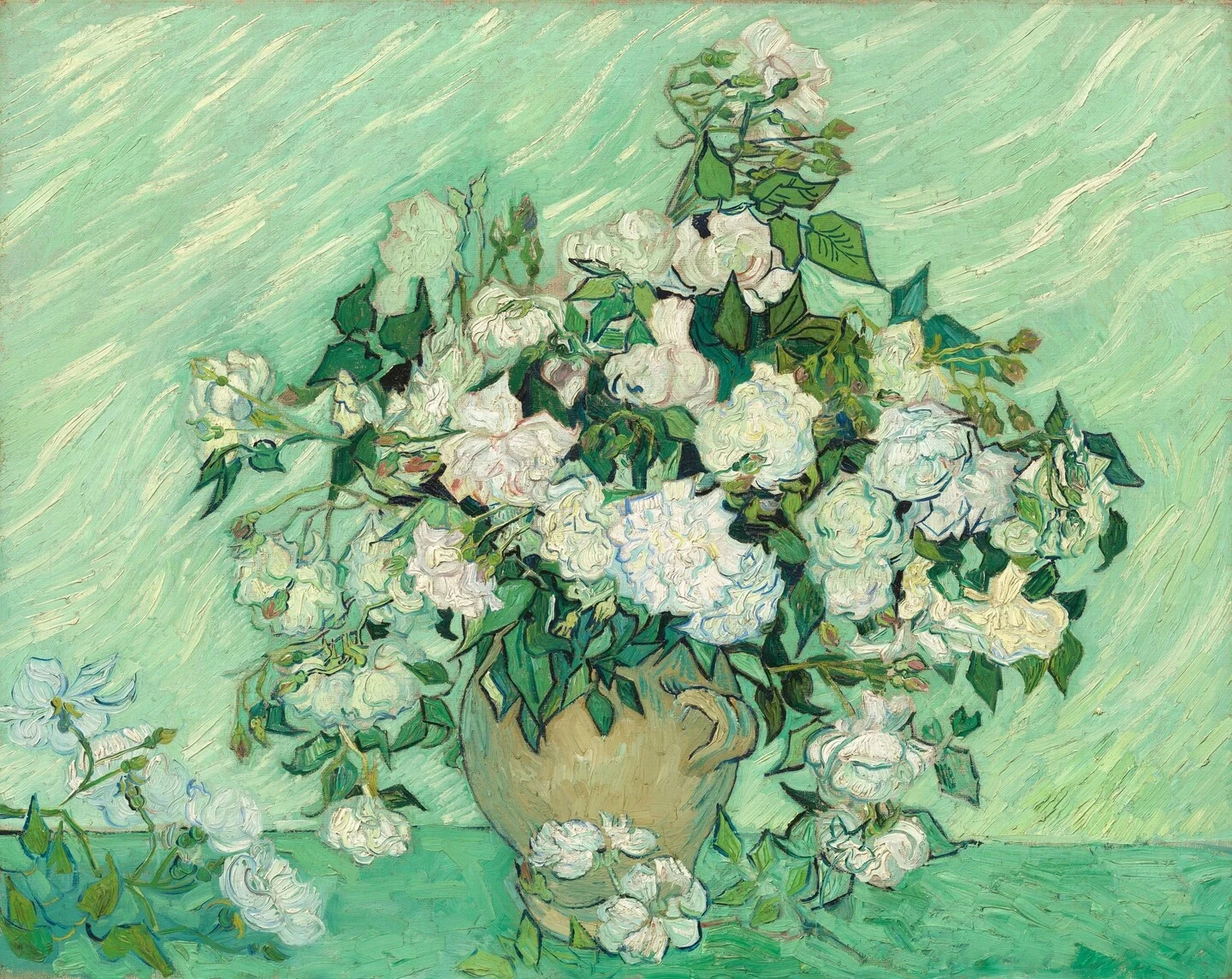
Vincent van Gogh. The roses were originally pink, but fading changed their relationship with the green ground.
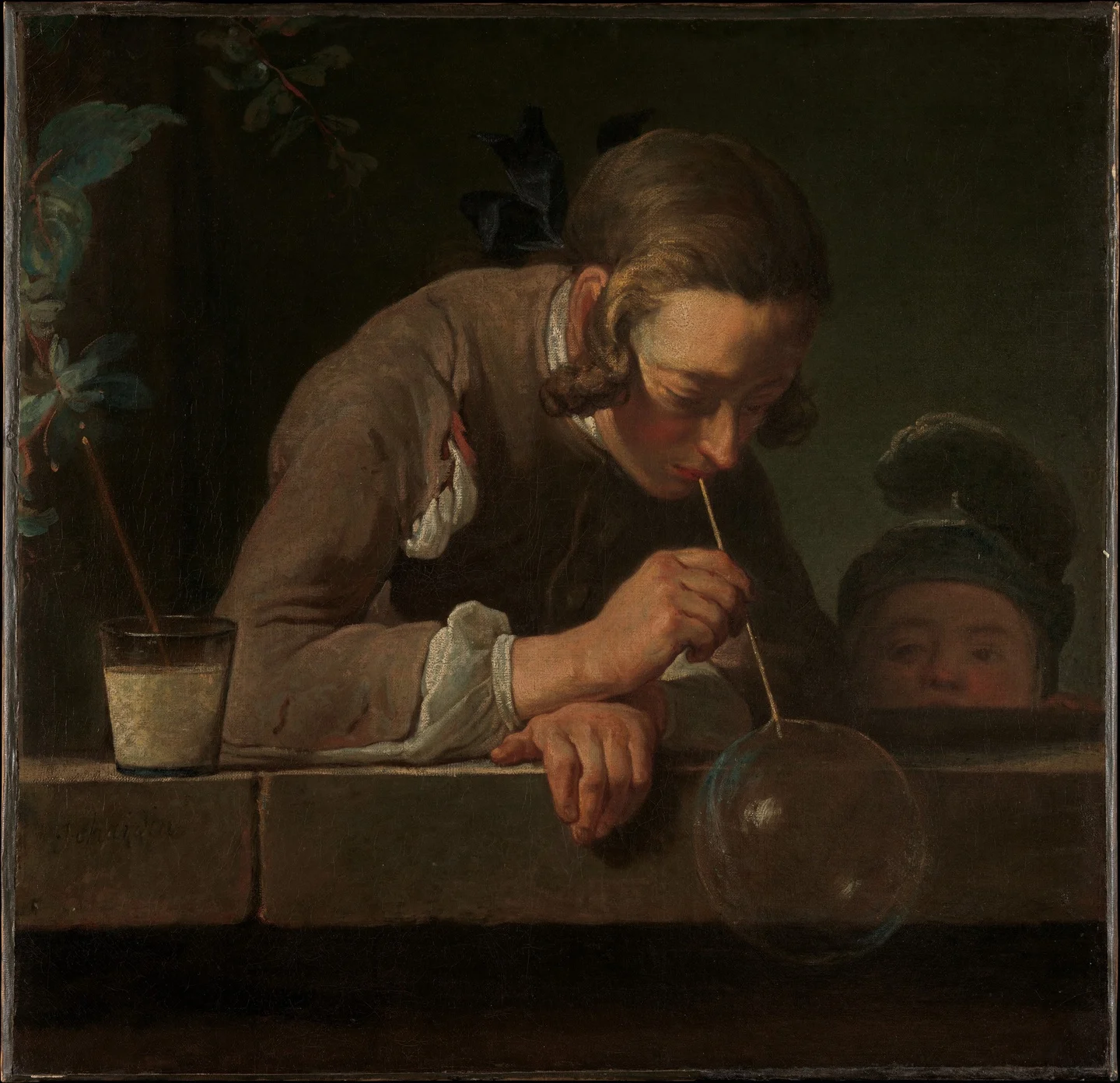
Jean Siméon Chardin. A young man carefully blows a bubble while a child watches. Earlier Northern European paintings often used bubbles to evoke the brevity of life.
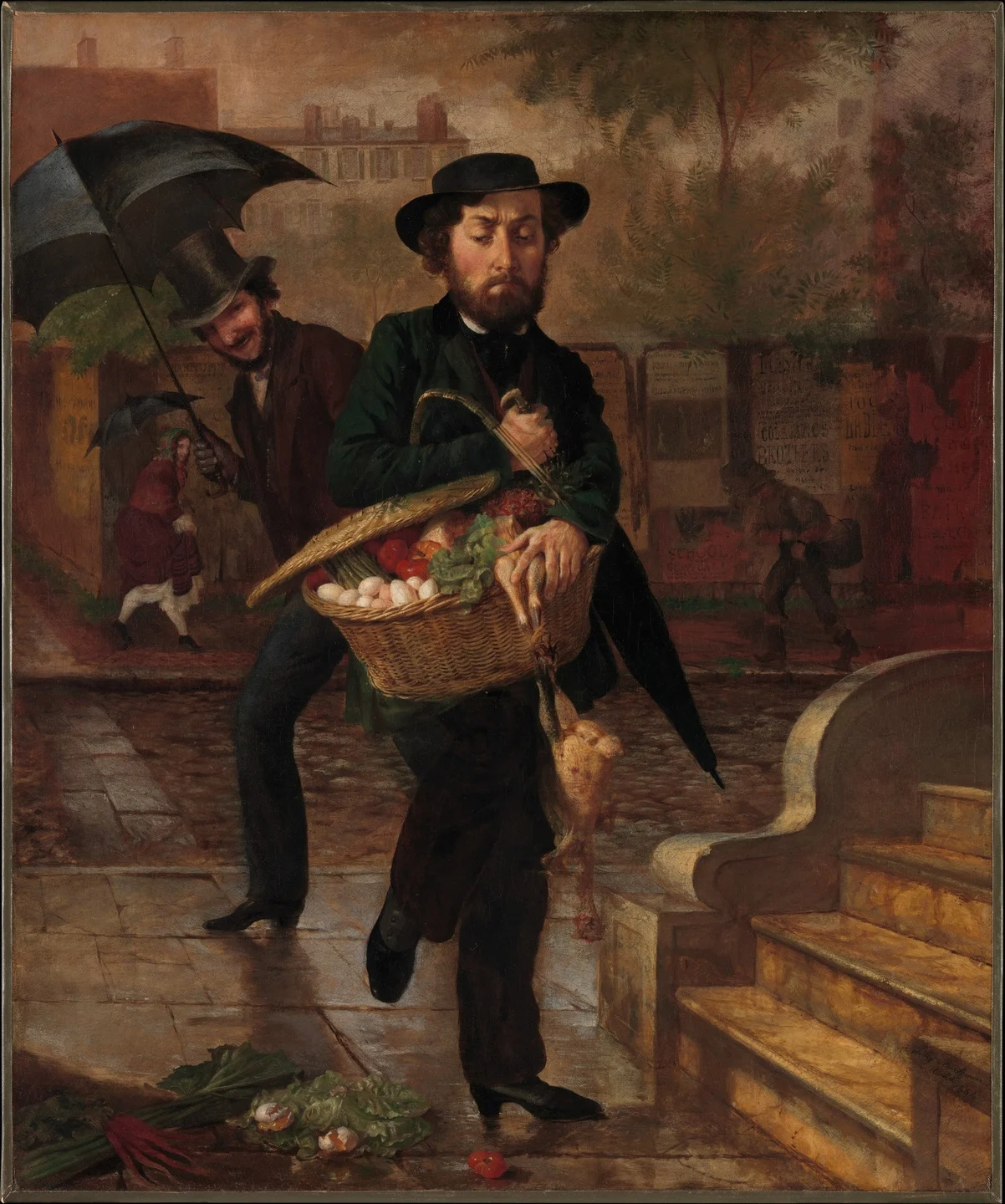
Lilly Martin Spencer. Spencer used her husband as the model for a newly married man struggling with groceries. The comedy concerns the practical work of establishing a household.
Chen Hongshou. An elderly woman teaches Confucian classics to men. Chen Hongshou painted Lady Xuanwen in 1638 for his aunt’s sixtieth birthday.
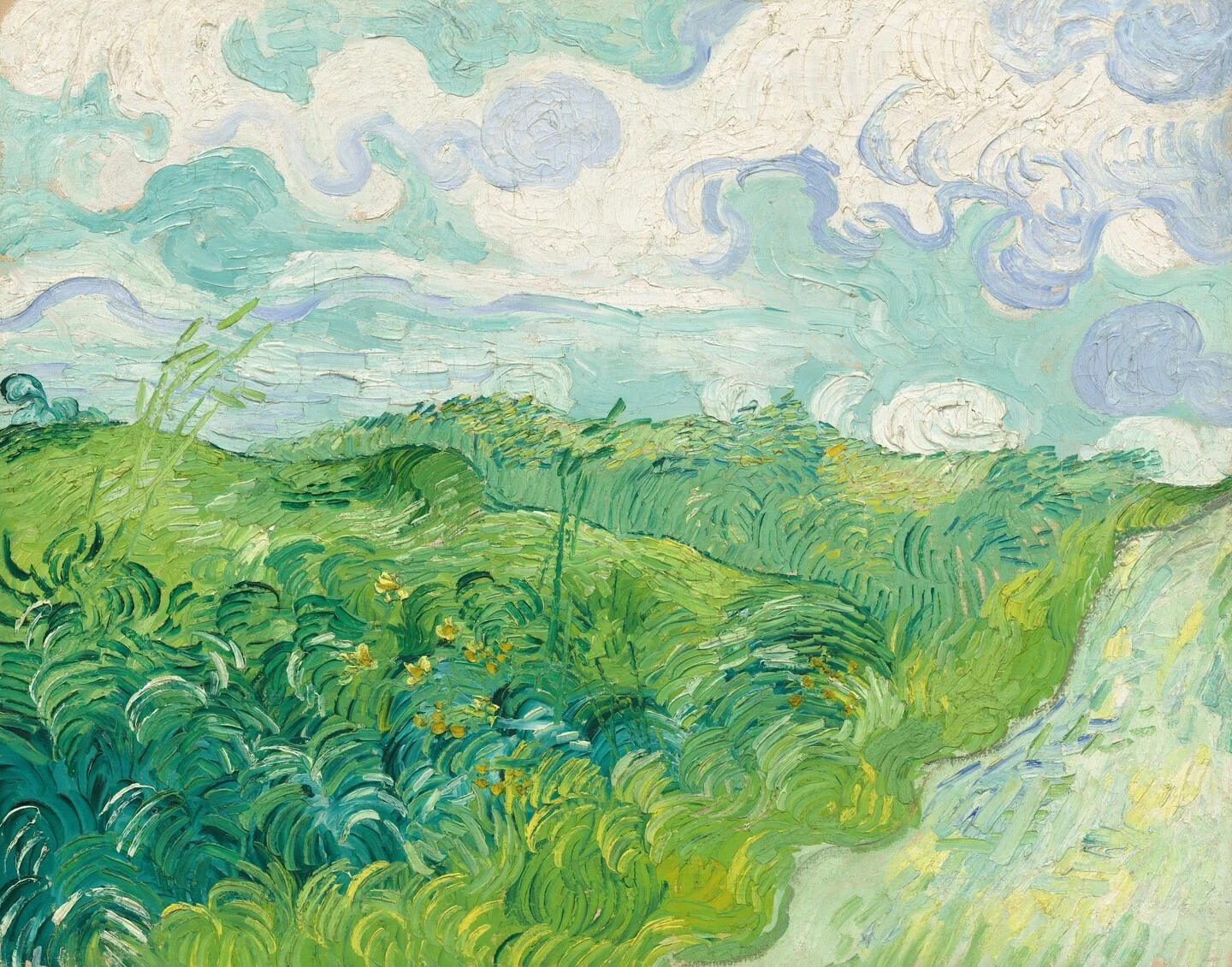
Vincent van Gogh. After returning to northern France, Van Gogh renewed his attention to cool greens and blues. Long strokes connect the movement of field and sky.
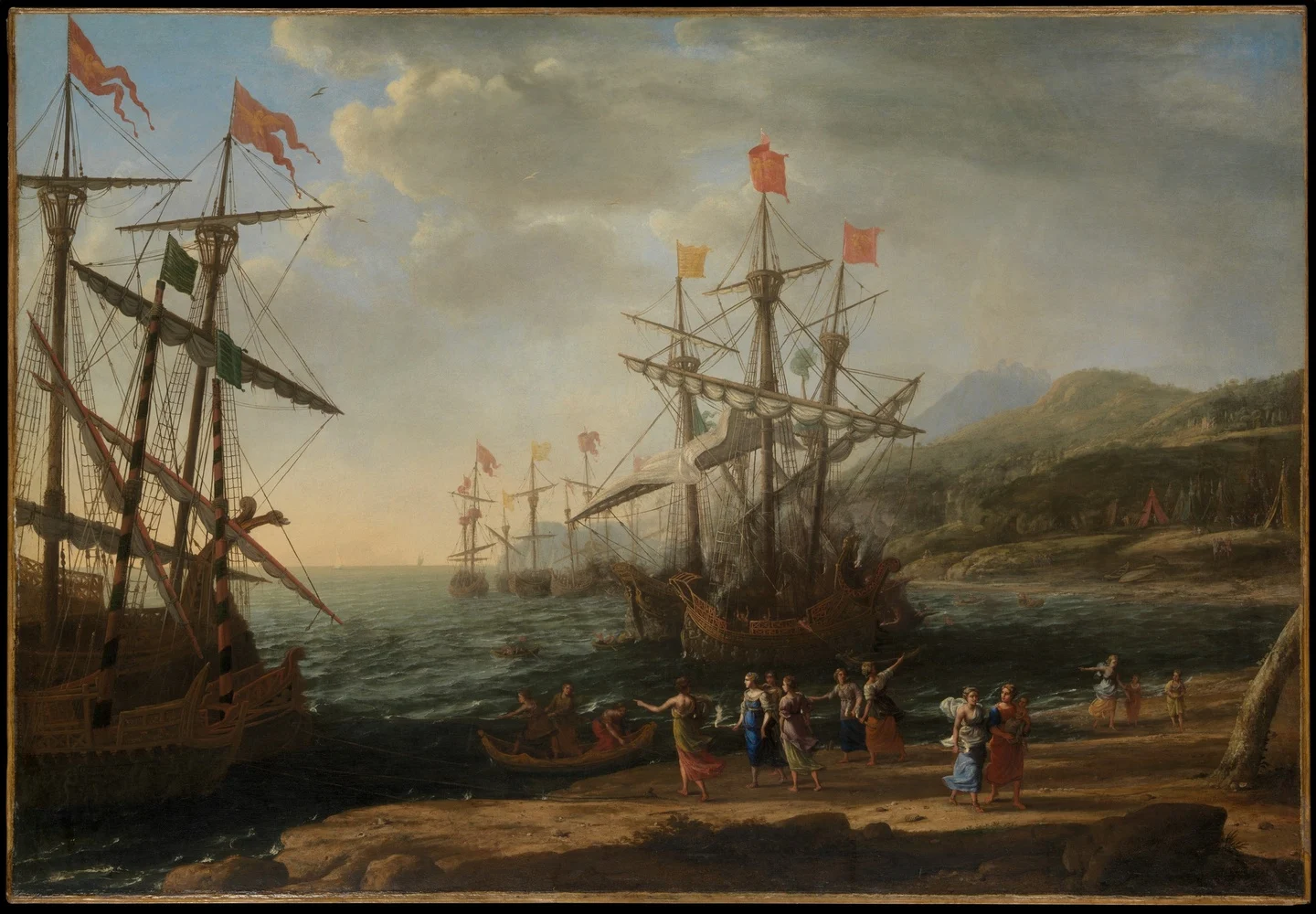
Claude Lorrain. Trojan women burn their ships to end their wanderings. Approaching rain anticipates Jupiter’s intervention to save the fleet.
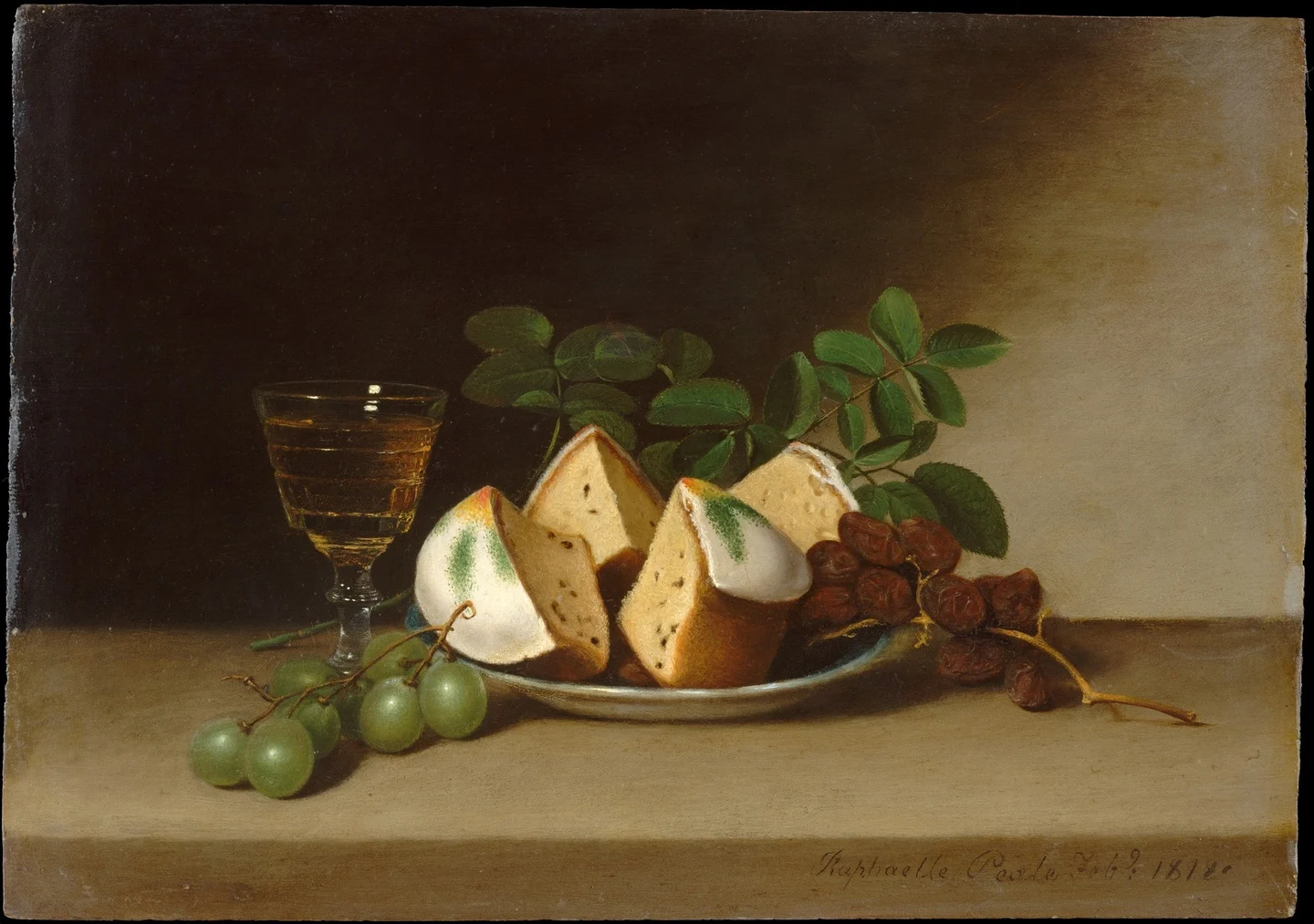
Raphaelle Peale. The museum tentatively connects this picture with an 1819 Pennsylvania Academy exhibition. Its concentrated arrangement may reflect Peale’s study of Spanish still life.
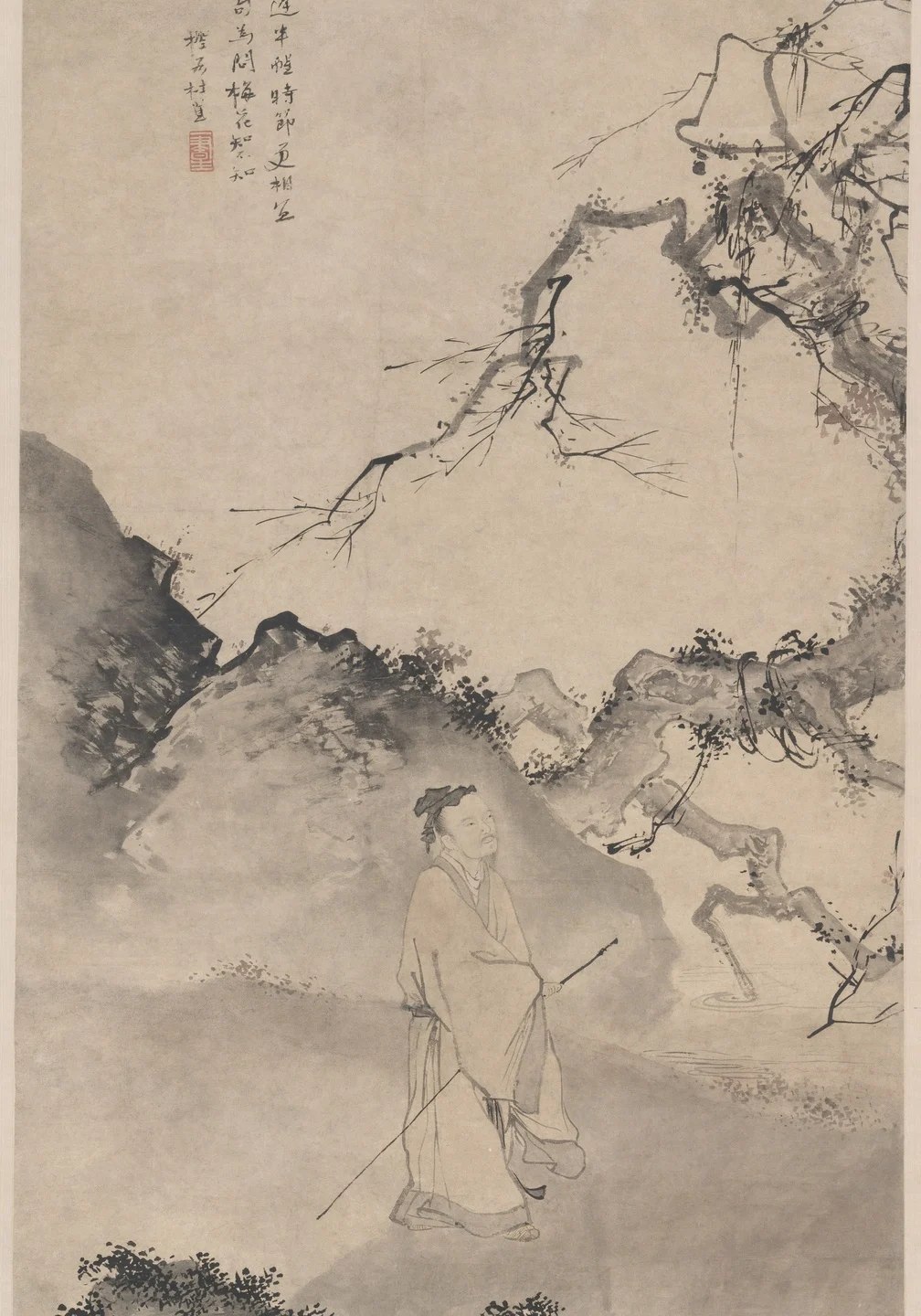
Du Jin. The poet Lin Bu pauses beside a flowering plum. Du Jin painted him in the late fifteenth century, almost five centuries after his death.