Paintings · 5
Browse paintings by title and artist. Explore reproductions in detail, read the stories behind the artworks and open a free audio guide.
Open the gallery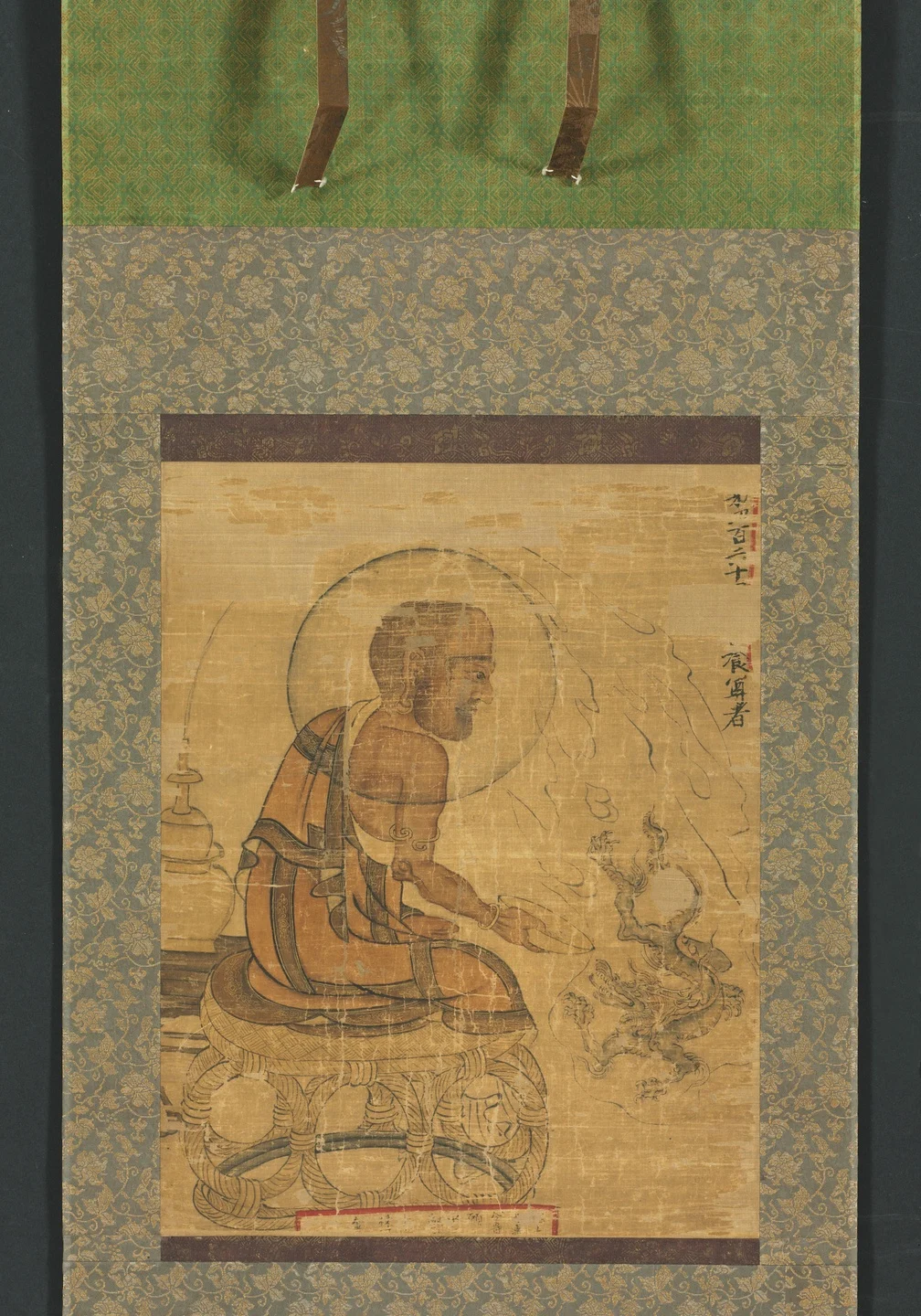 Unidentified Korean painters
Arhat
1235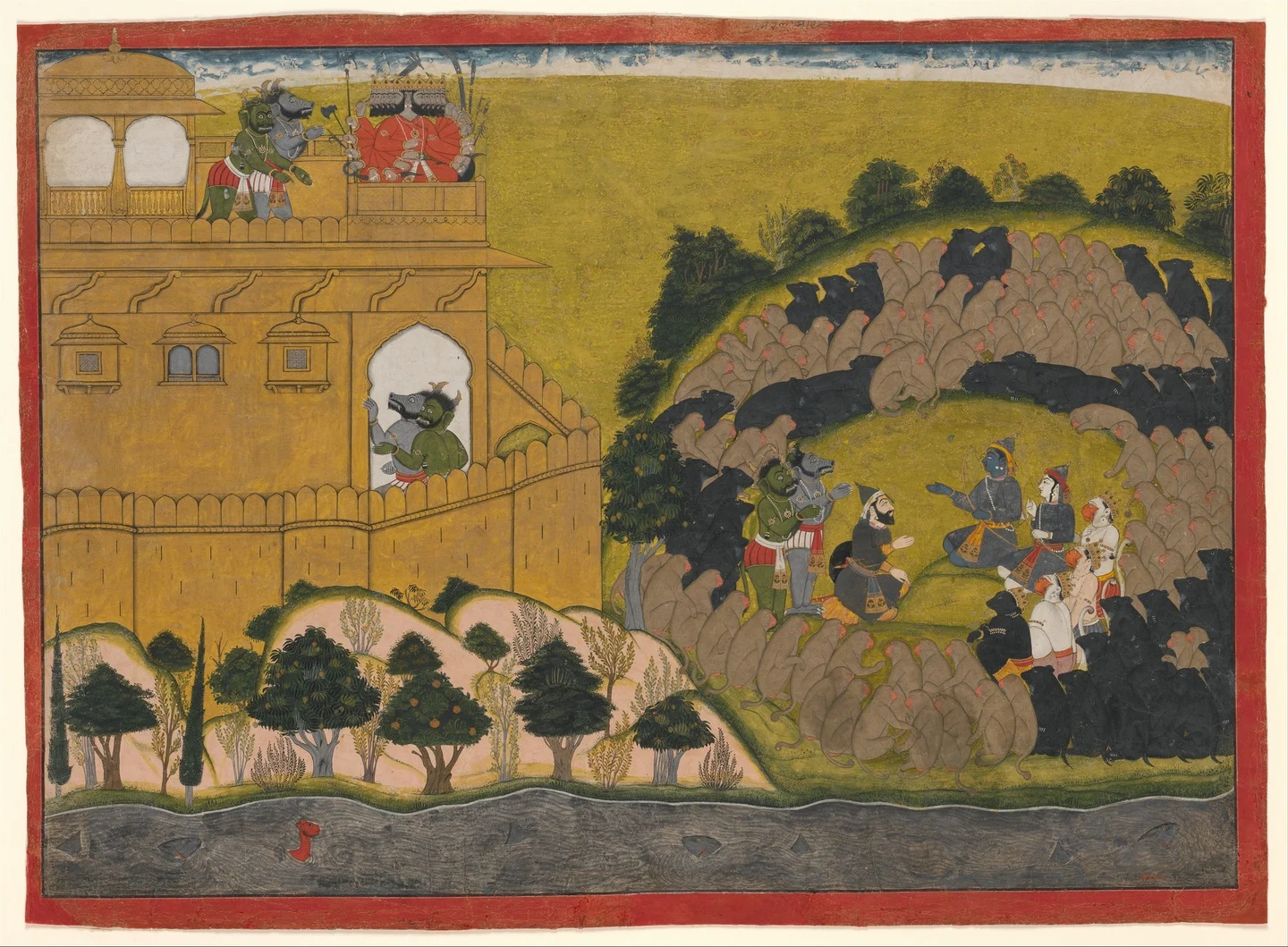 Attributed to Manaku
Rama Releases the Demon Spies Shuka and Sarana: Folio from the Siege of Lanka series
ca. 1725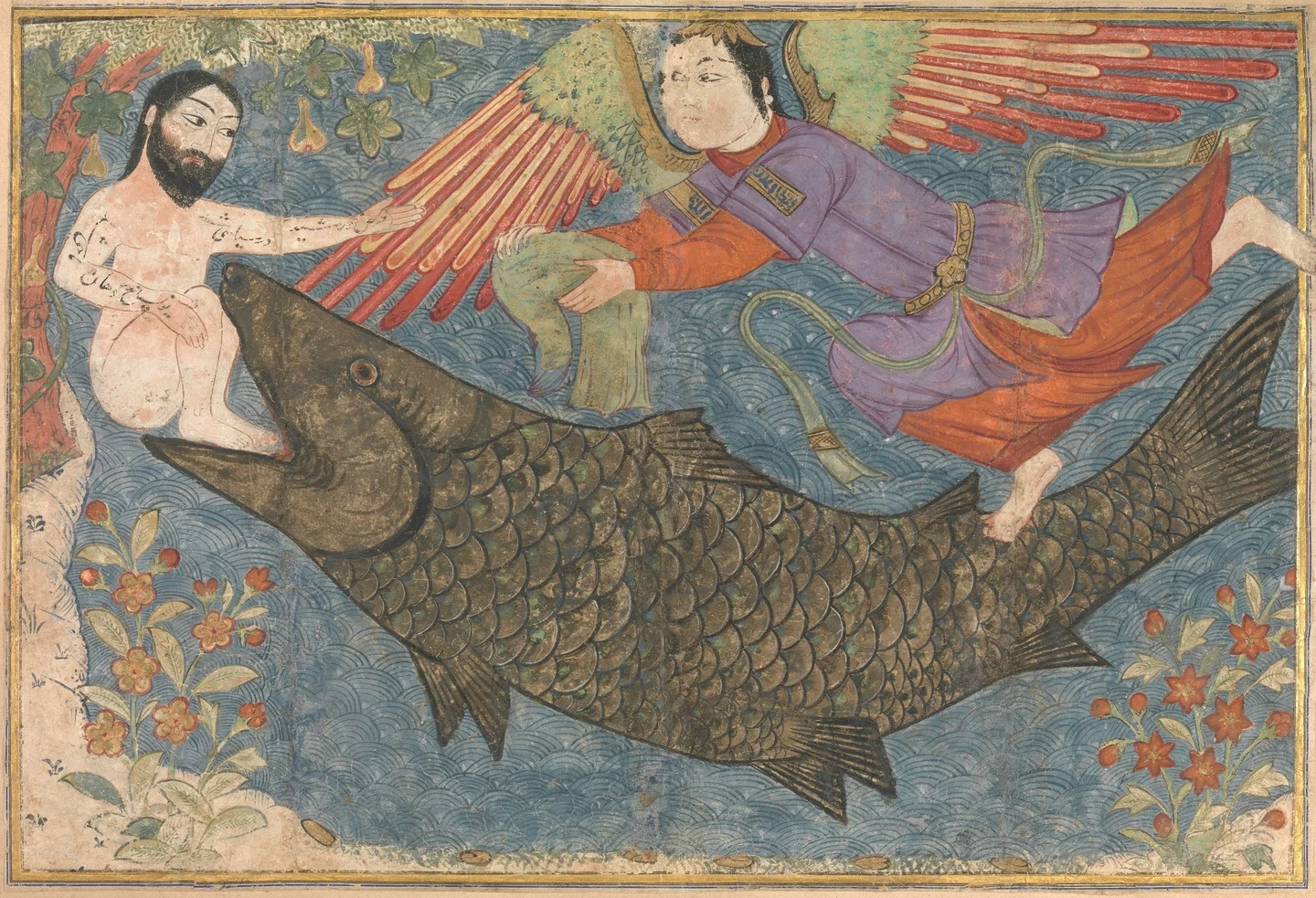 Unidentified Iranian painters
"Jonah and the Whale", Folio Probably from a Jami al-Tavarikh (Compendium of Chronicles)
ca. 1400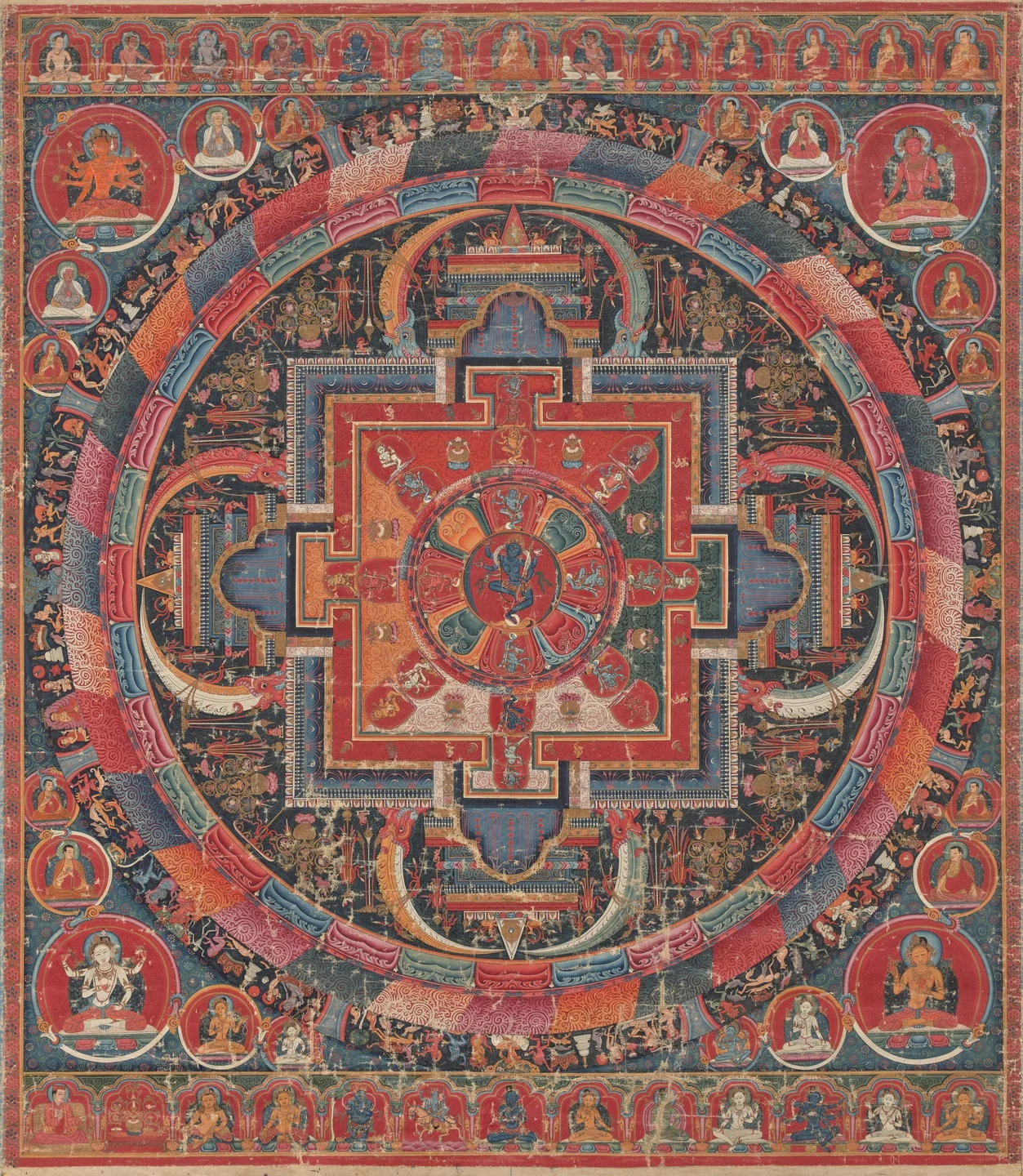 Unidentified Tibetan painters
Twenty-three Deity Nairatma Mandala
c. 1375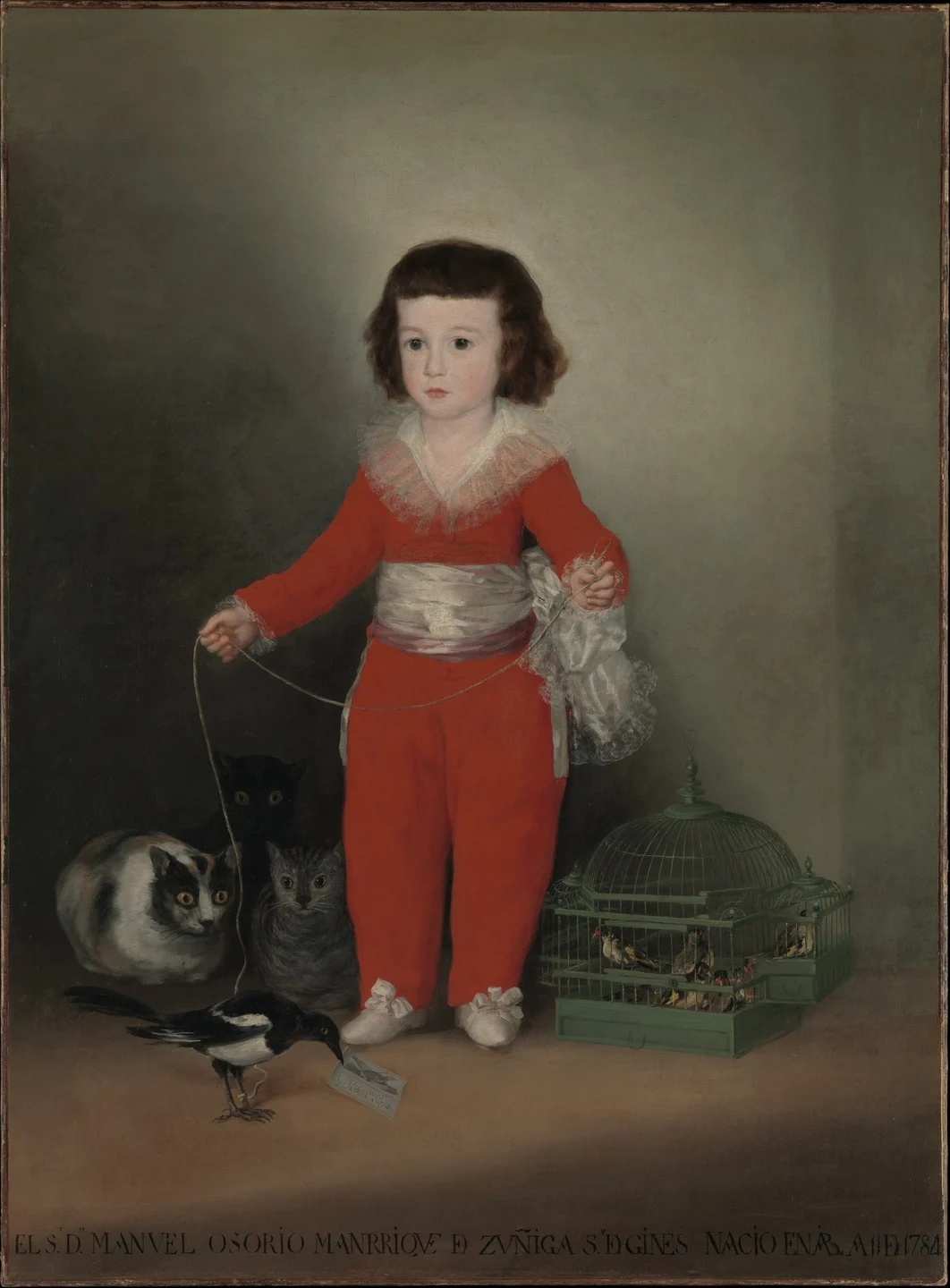 Francisco Goya
Manuel Osorio Manrique de Zuñiga (1784–1792)
1787–88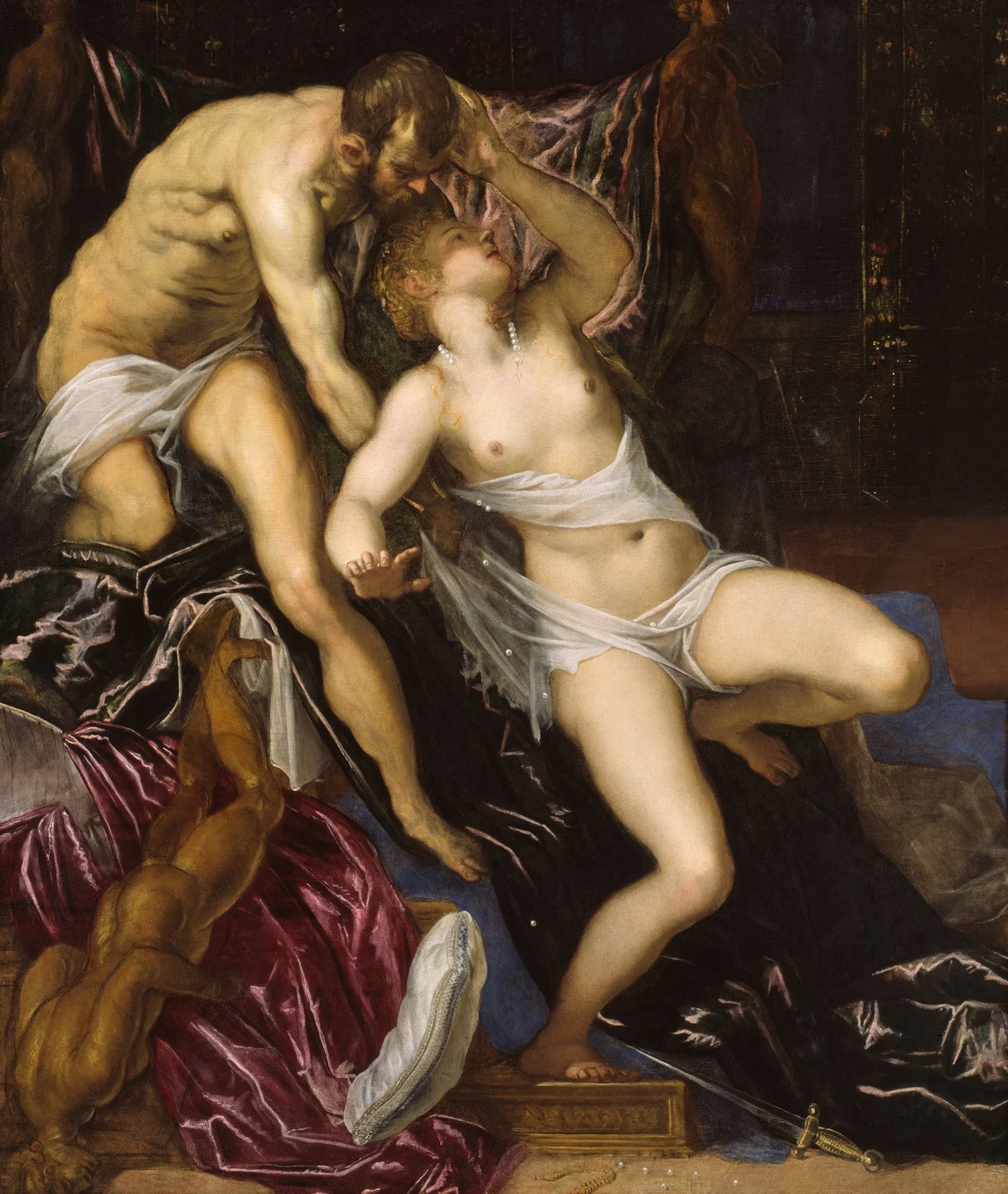 Tintoretto
Tarquin and Lucretia
1578–80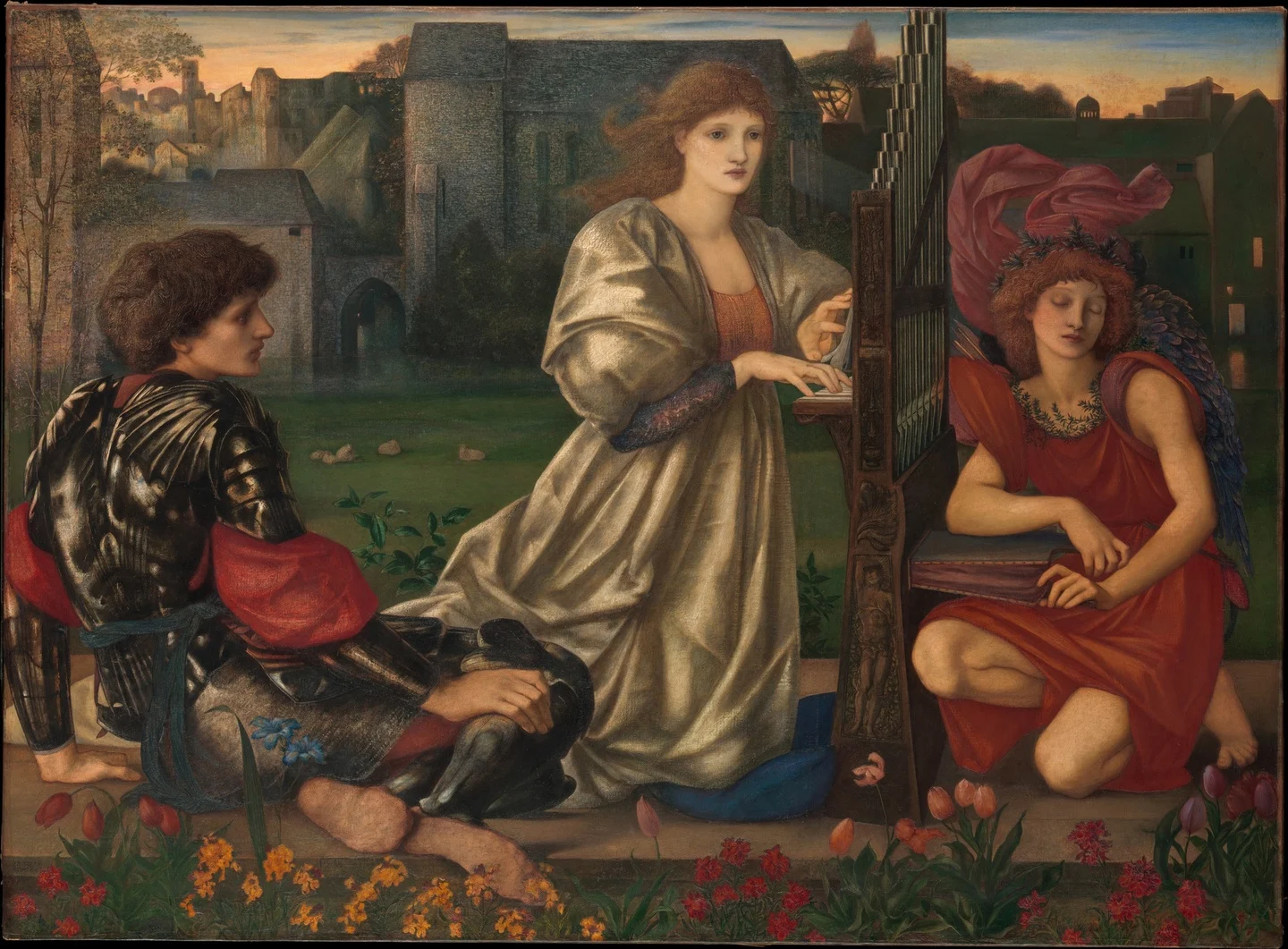 Sir Edward Burne-Jones
The Love Song
1868–77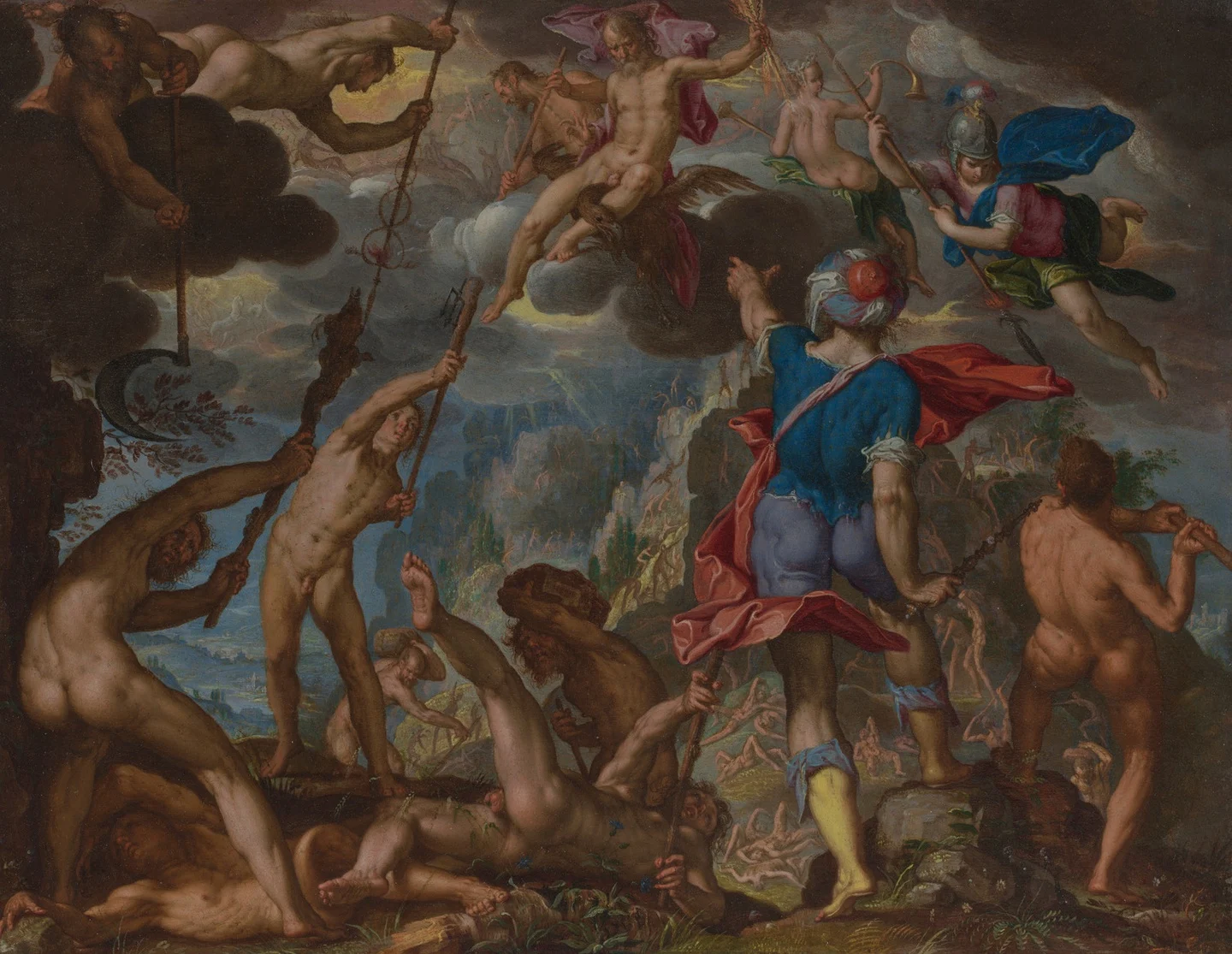 Joachim Wtewael
The Battle between the Gods and the Giants
c. 1608 Claude Monet
Water Lilies
1906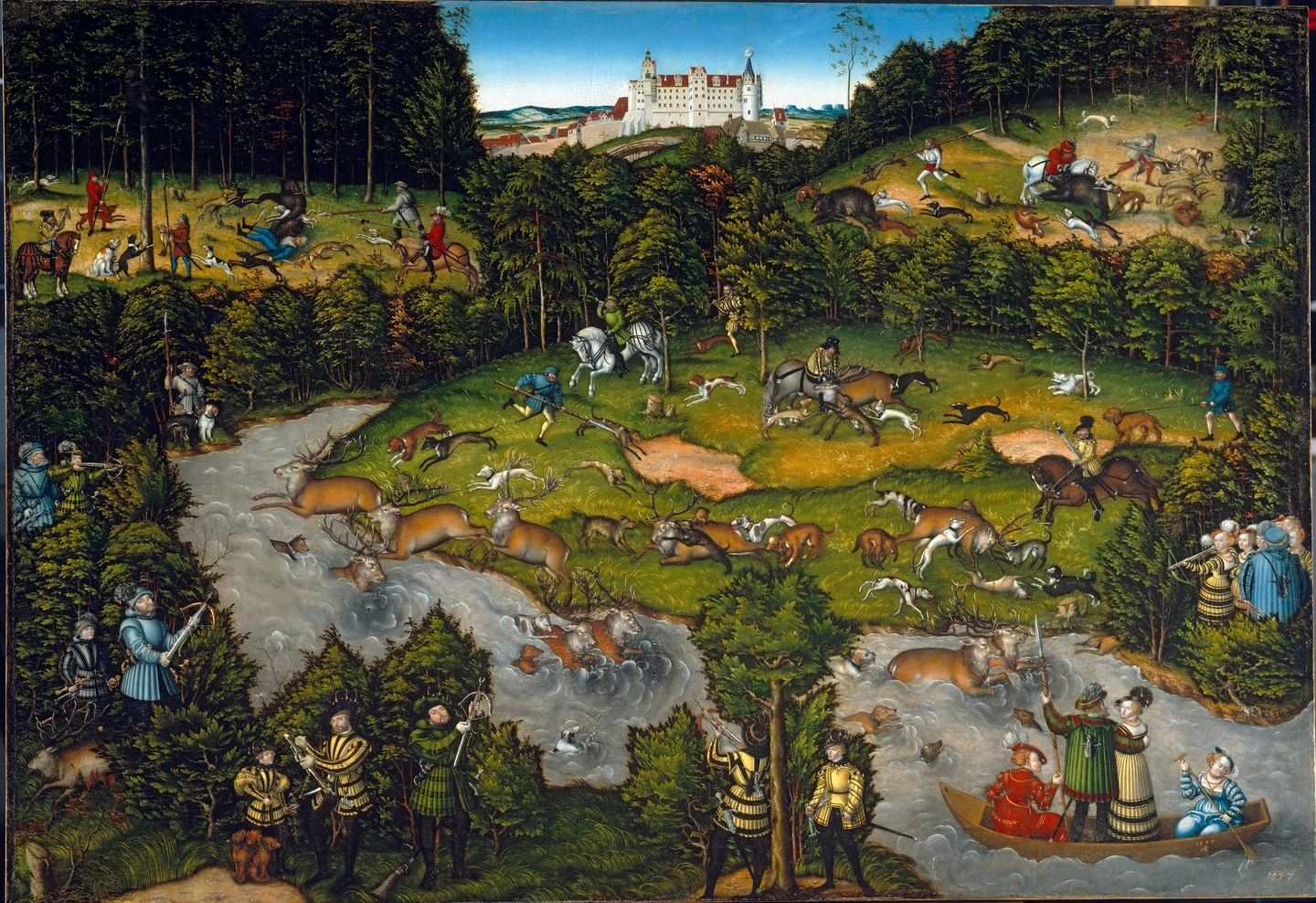 Lucas Cranach the Elder
Hunting near Hartenfels Castle
1540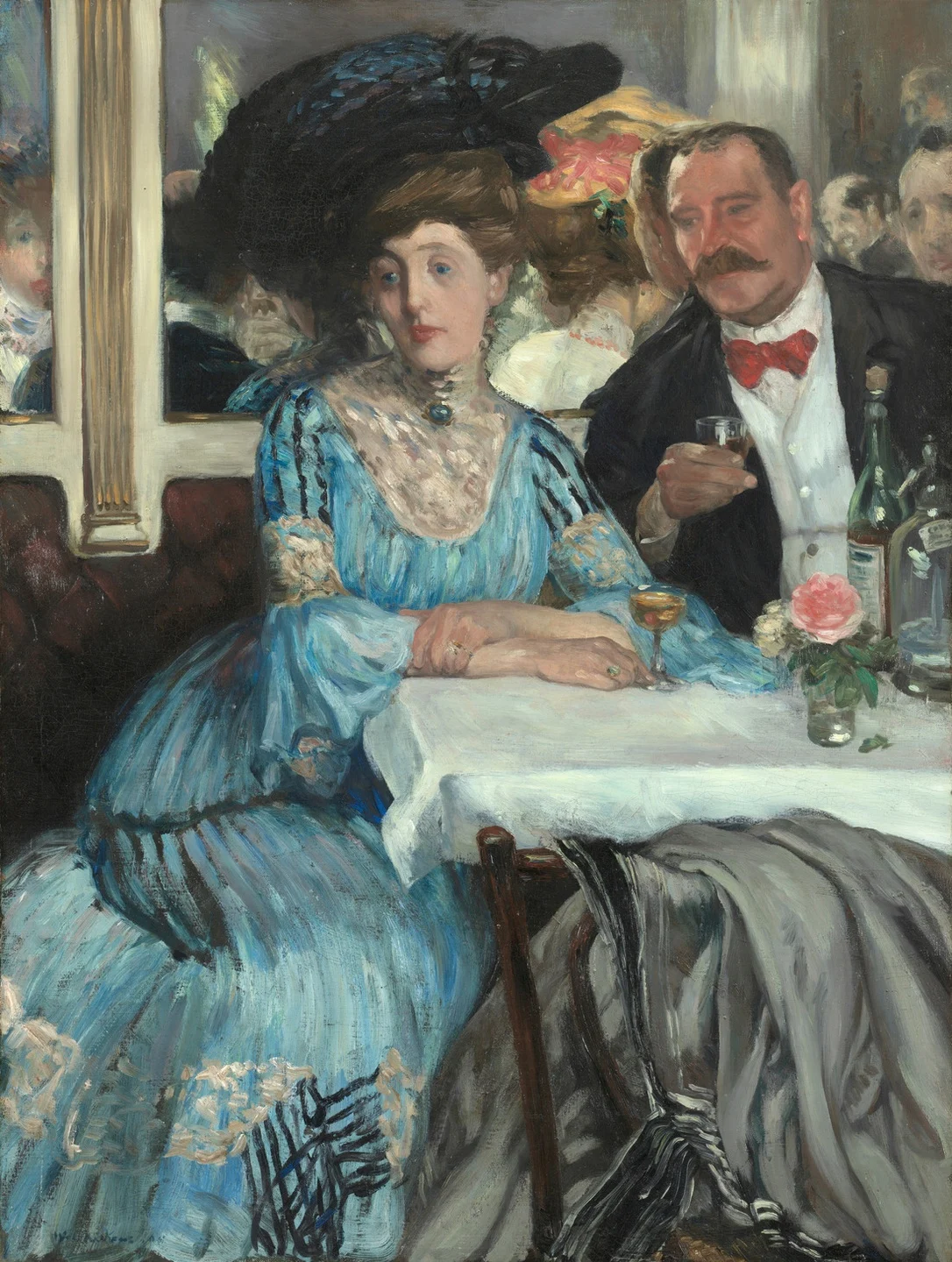 William James Glackens
At Mouquin's
1905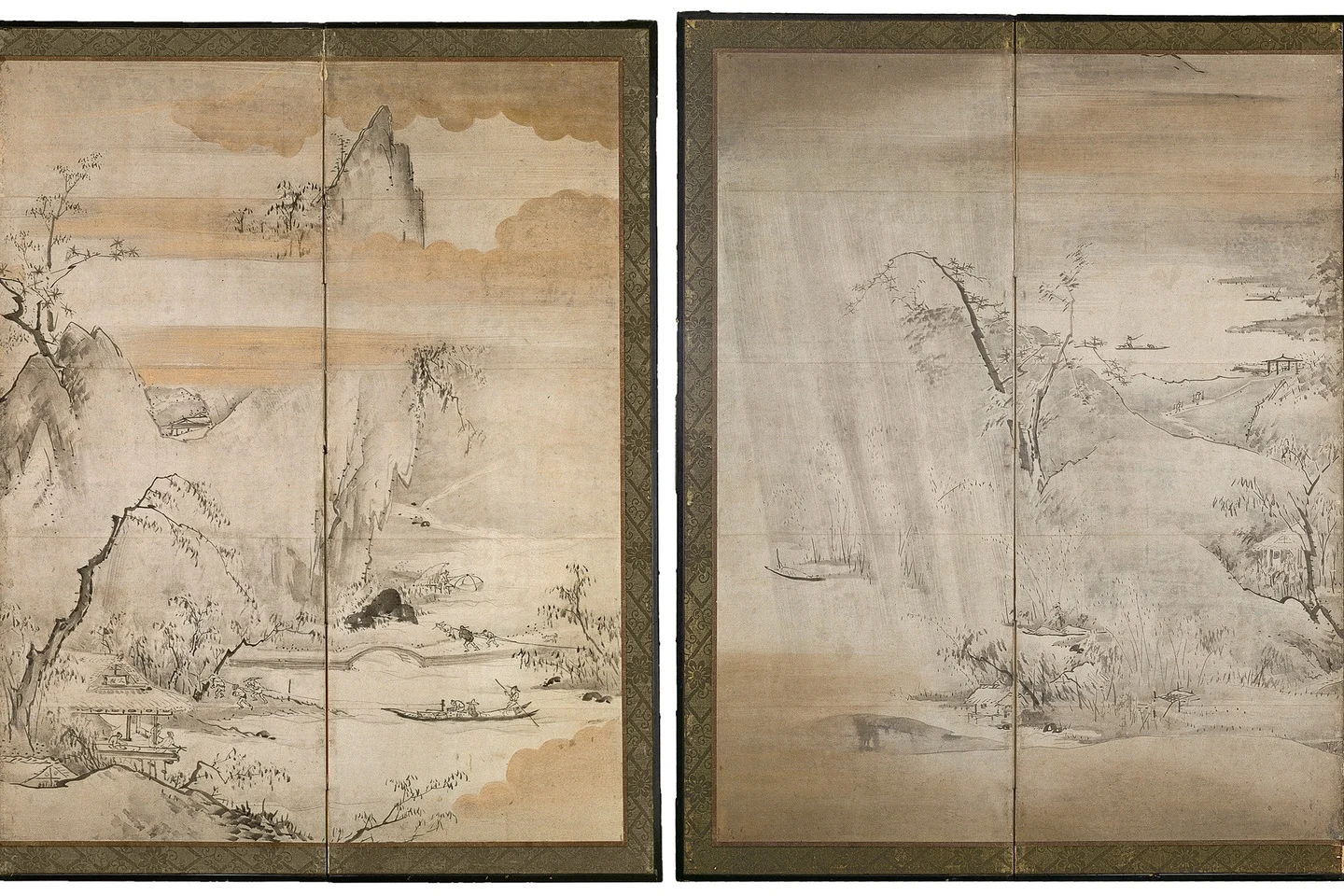 Sekkei
Eight Views of the Xiao and Xiang Rivers
Late 17th/early 18th century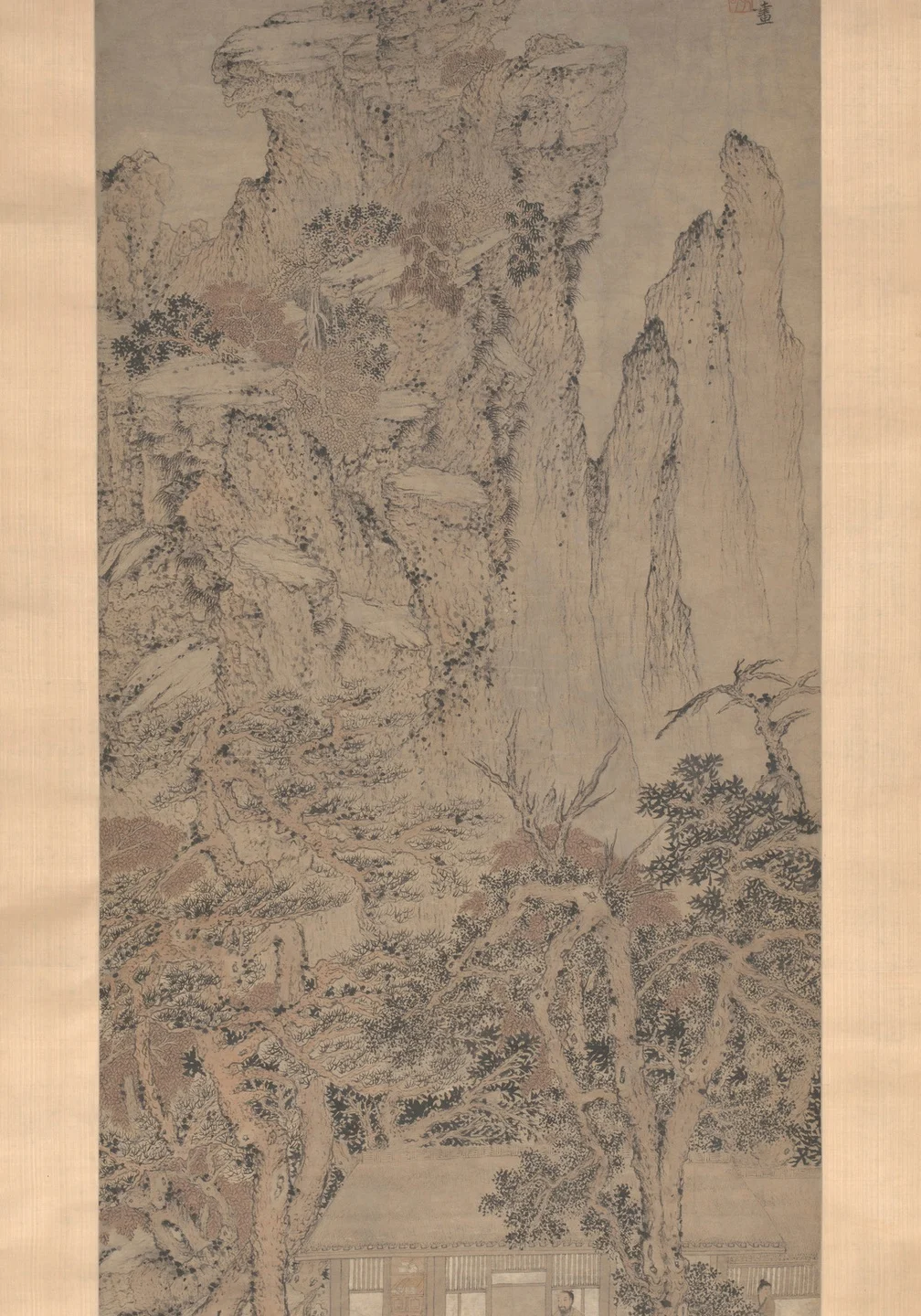 Wang Meng
Quiet Life in a Wooded Glen 林麓幽居圖
Yuan dynasty (1279–1368), dated 1361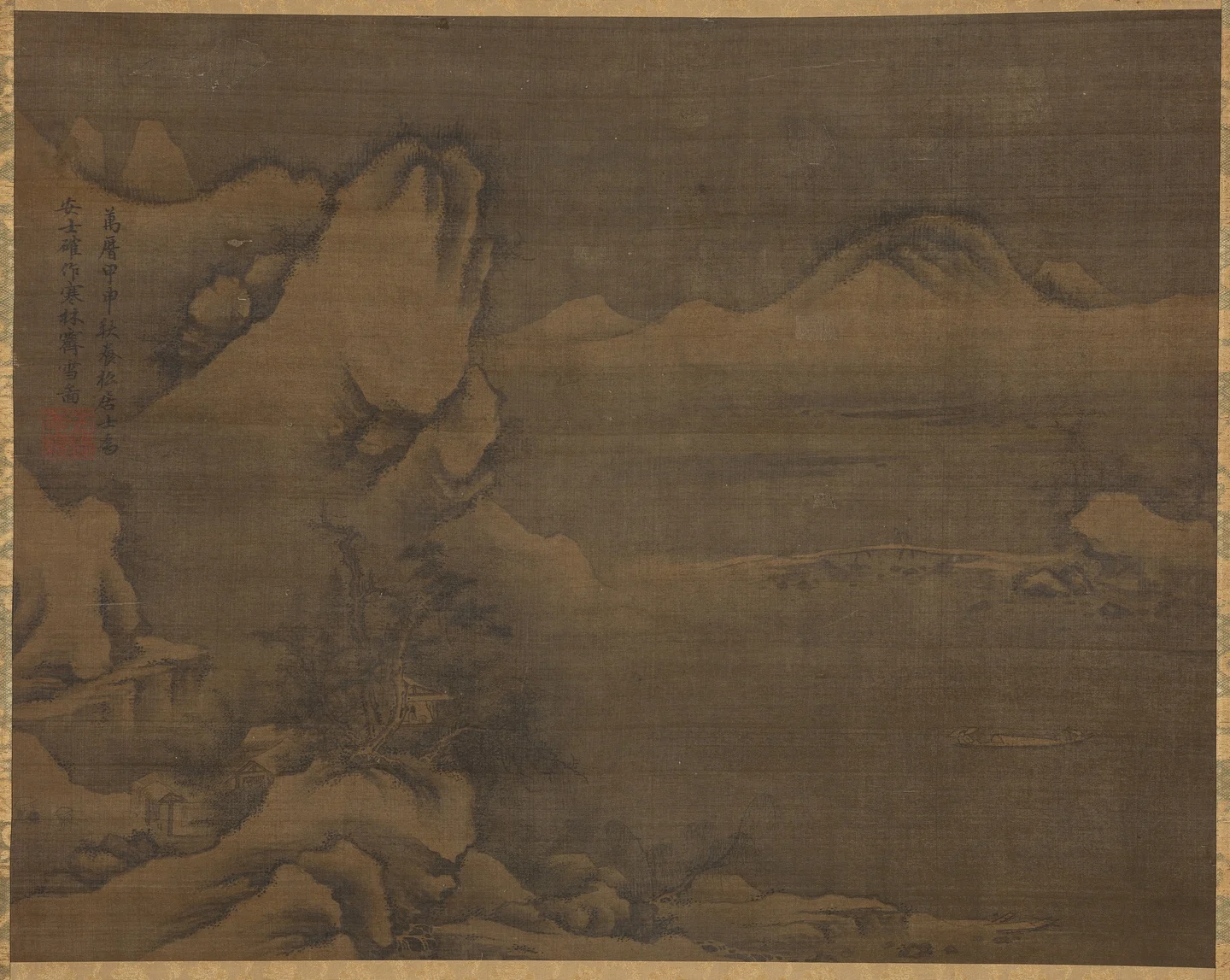 Kim Si
Snowscape with Figures
1584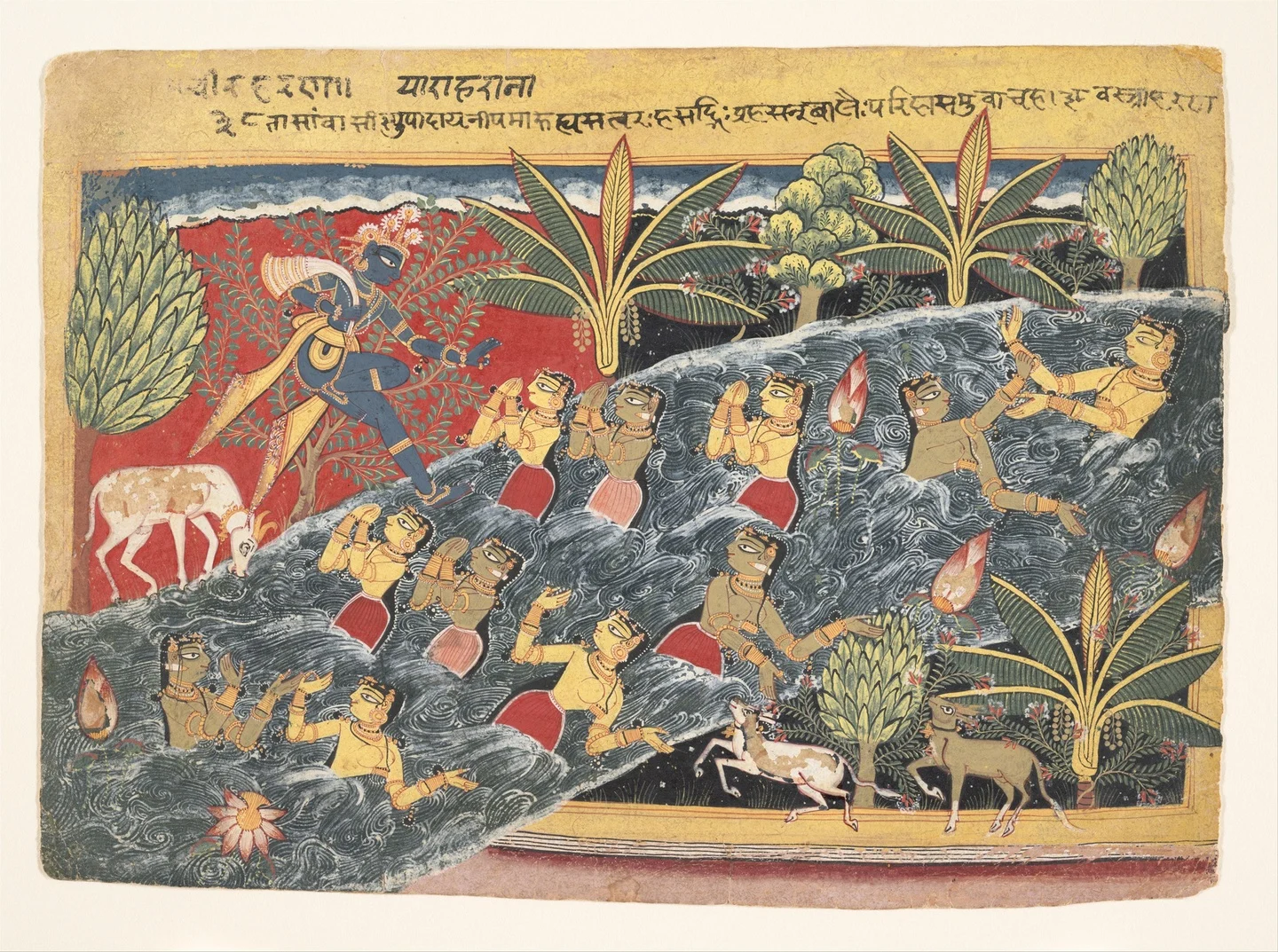 Master of the "Isarda" Bhagavata Purana
The Gopis Plead with Krishna to Return Their Clothing: Folio from "Isarda" Bhagavata Purana
ca. 1560–65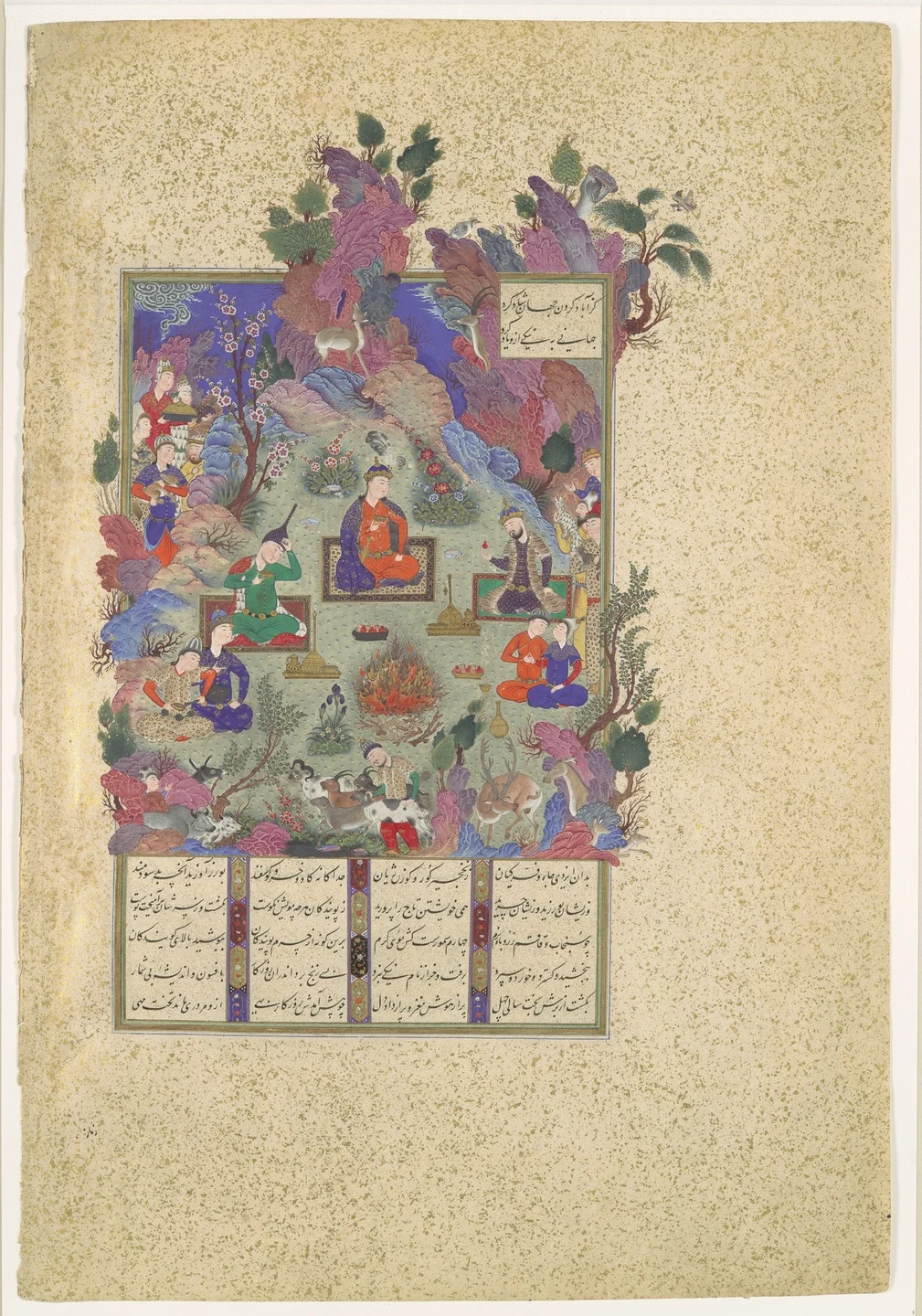 Attributed to Painting attributed to Sultan Muhammad
"The Feast of Sada", Folio 22v from the Shahnama (Book of Kings) of Shah Tahmasp
ca. 1525 El Greco
Cardinal Fernando Niño de Guevara (1541–1609)
ca. 1600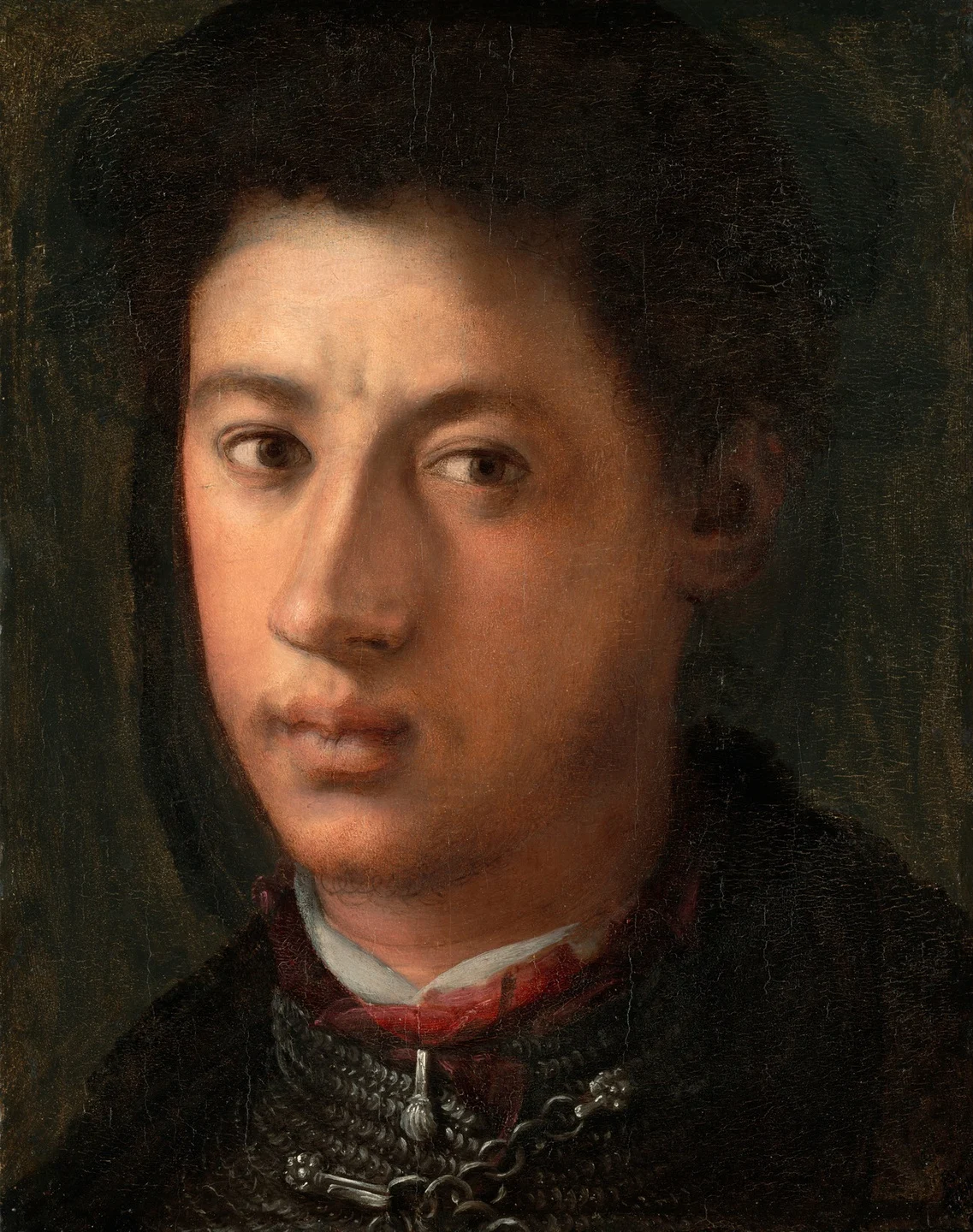 Pontormo,
Alessandro de' Medici
1534–35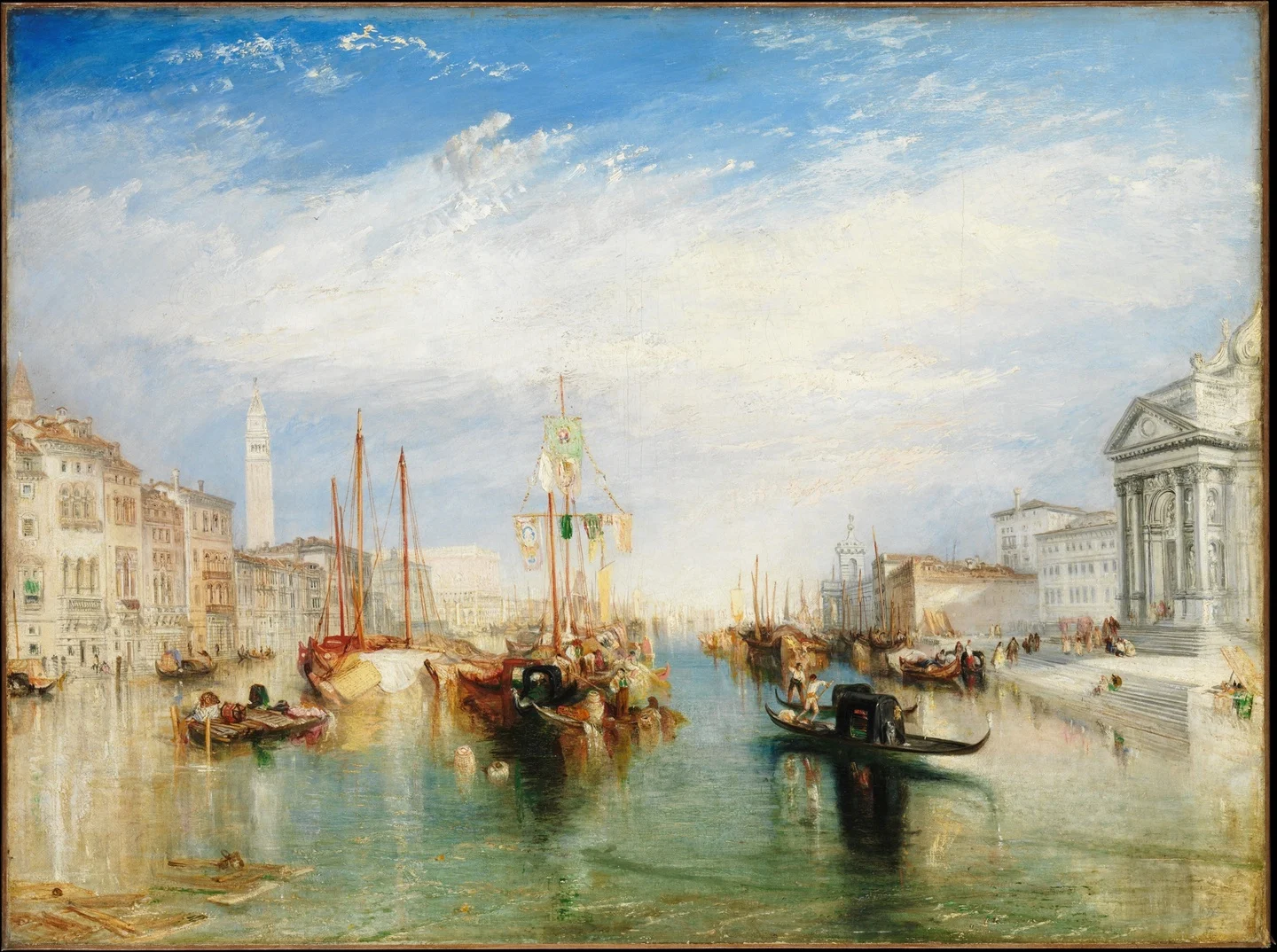 Joseph Mallord William Turner
Venice, from the Porch of Madonna della Salute
ca. 1835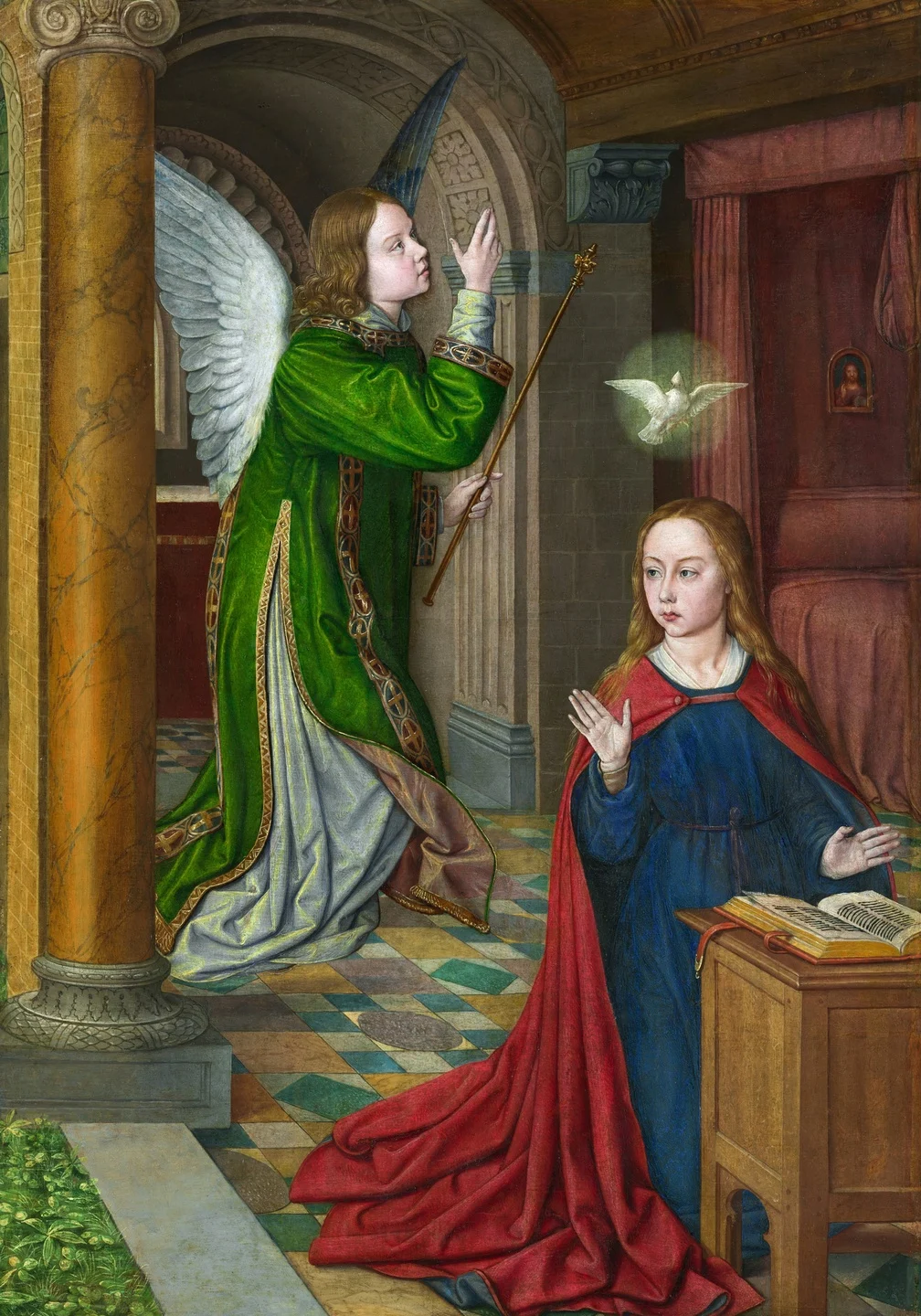 Jean Hey, Master of Moulins
The Annunciation
1490–95 Claude Monet
The Beach at Sainte-Adresse
1867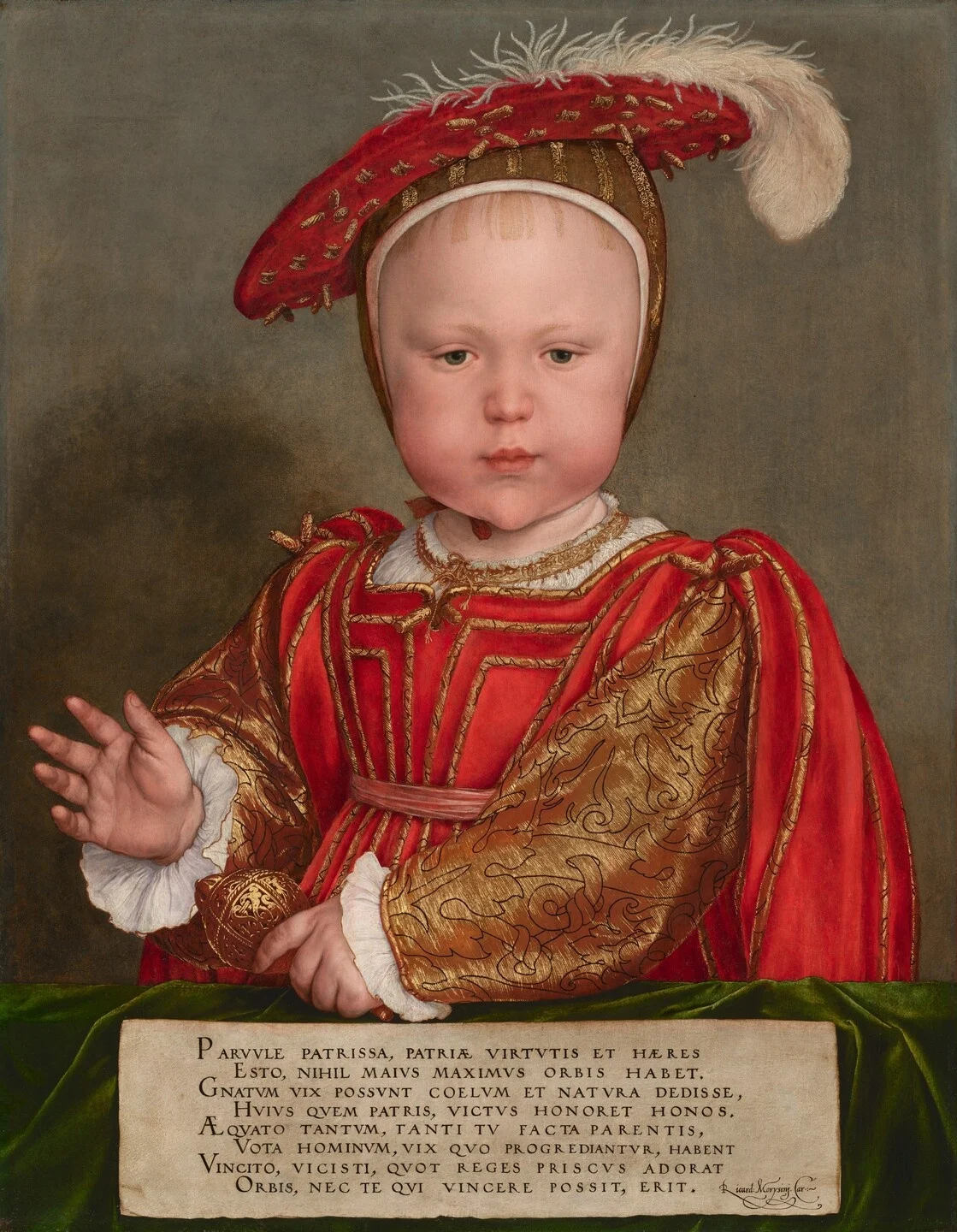 Hans Holbein the Younger
Edward VI as a Child
probably 1538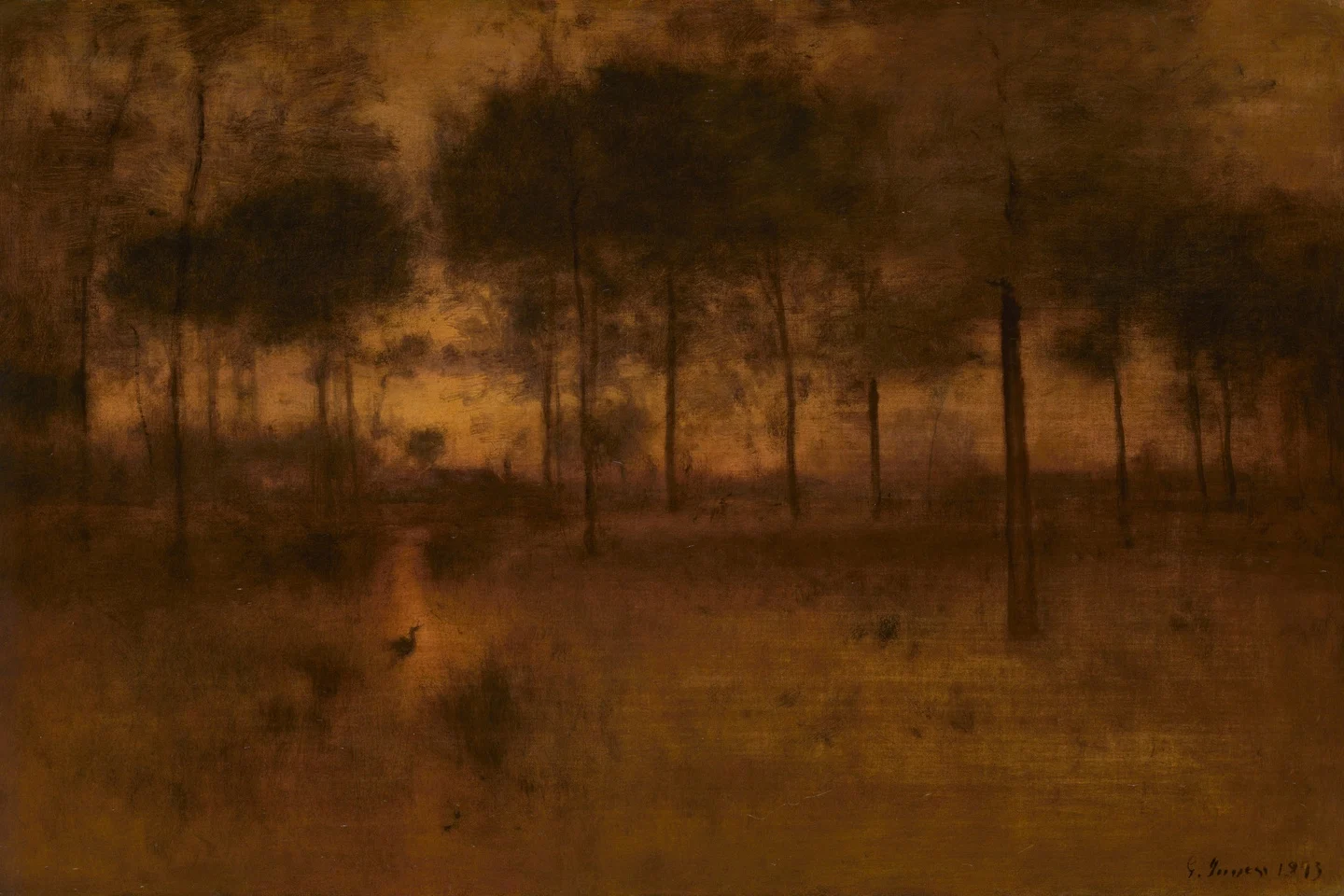 George Inness
The Home of the Heron
1893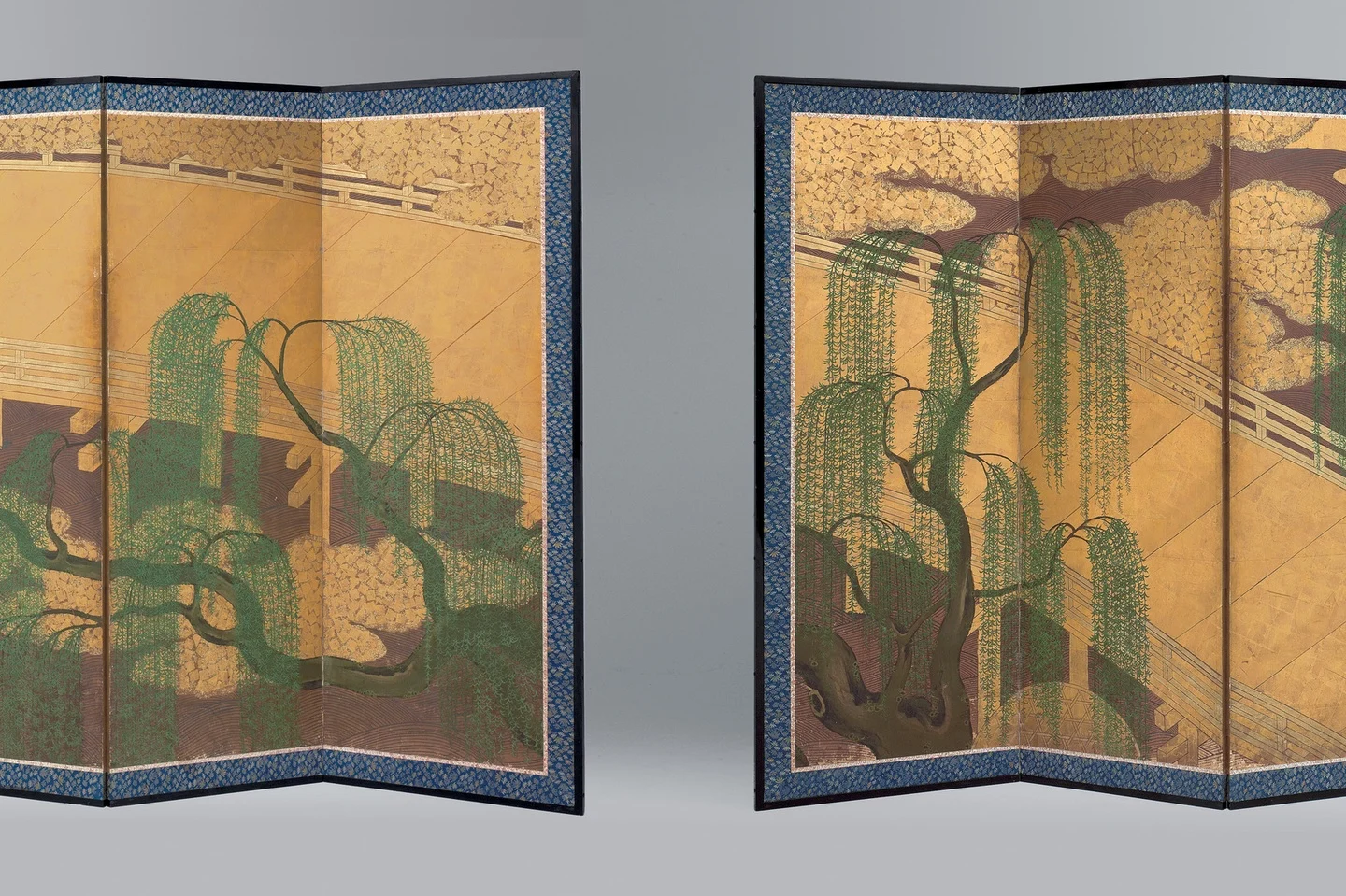 Hasegawa Sôya
Willow Bridge and Waterwheel
c. 1650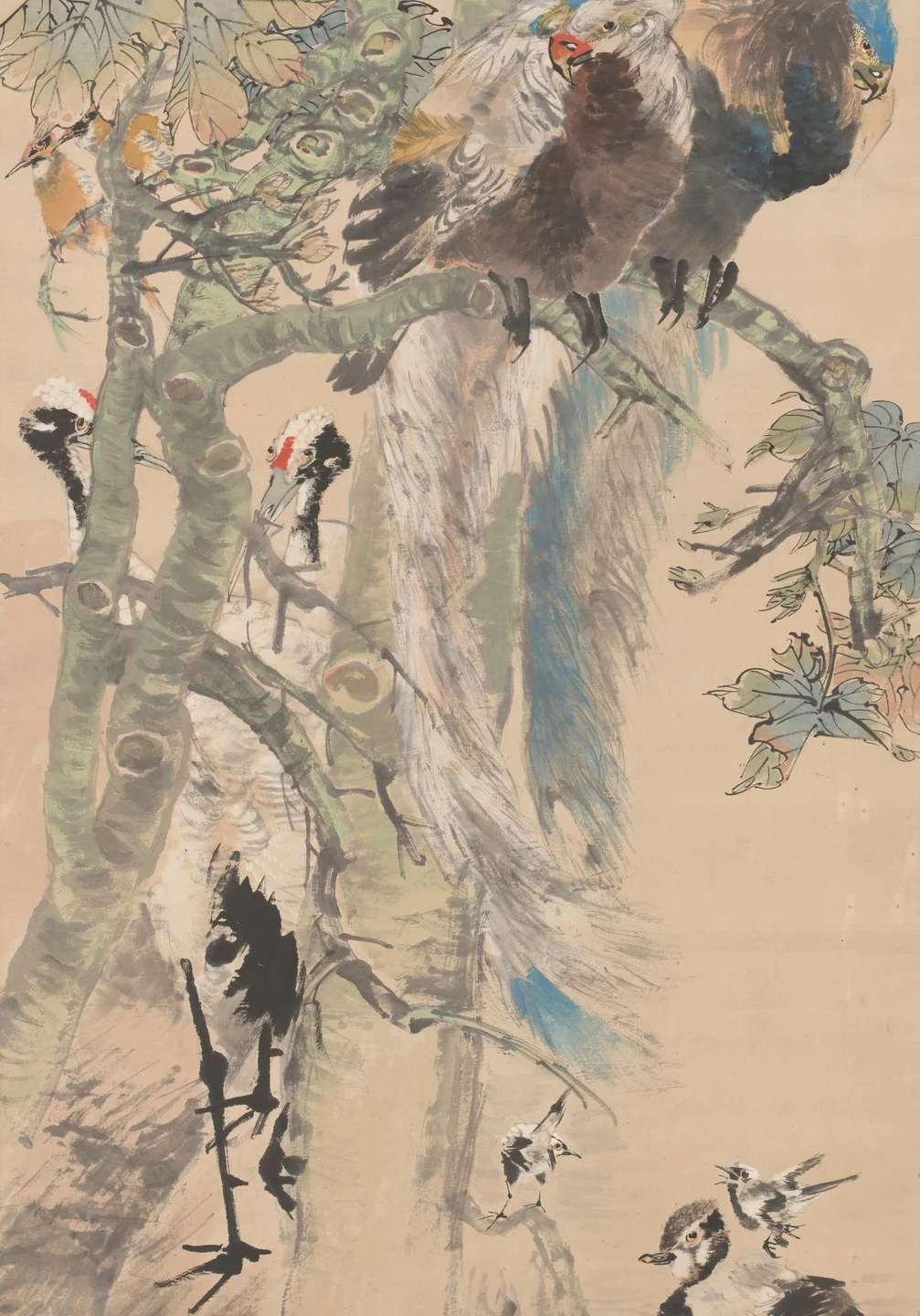 Ren Yi
The Five Virtues
Qing dynasty (1644–1911), 1895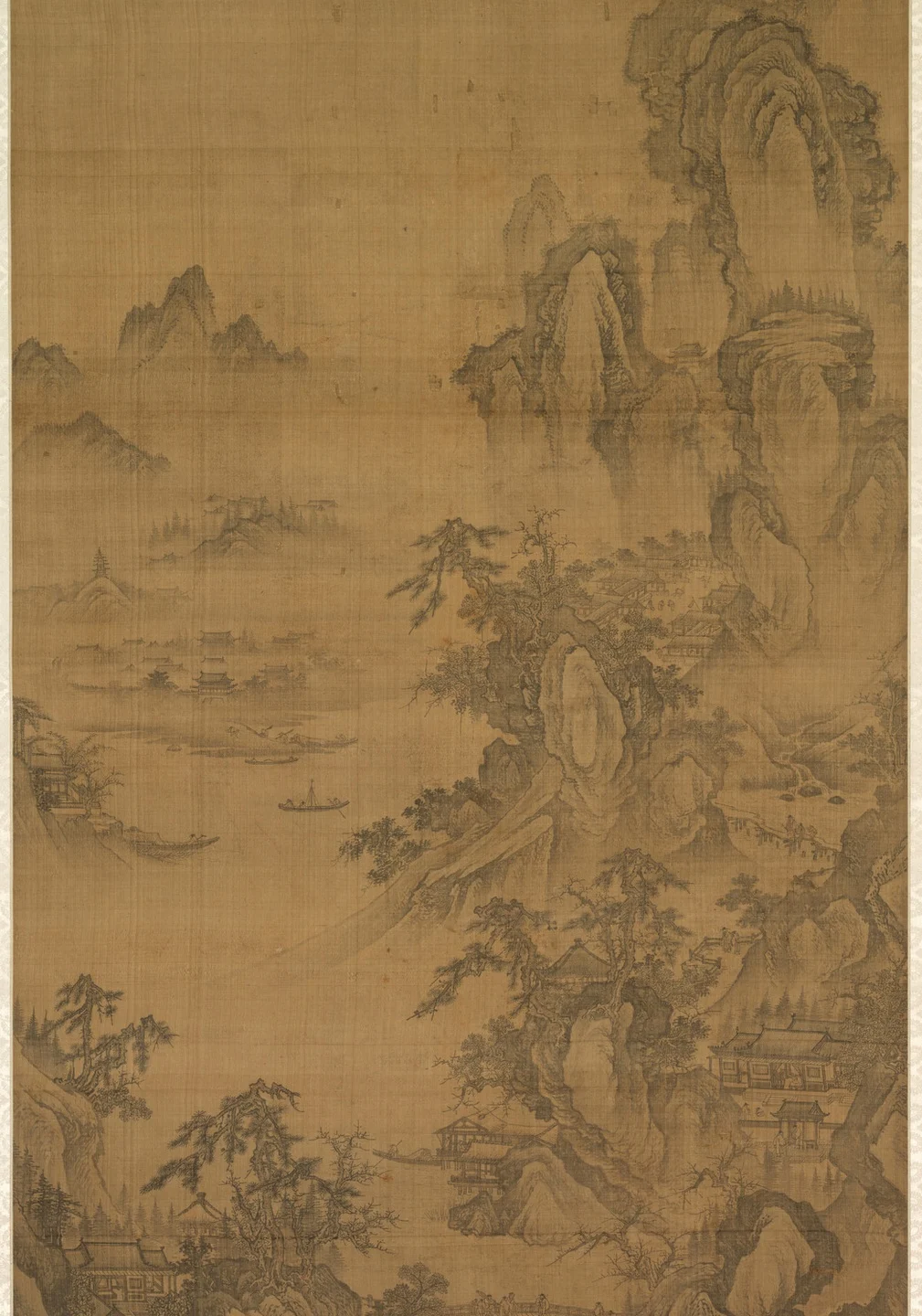 Unidentified Korean painters
Mountain Market, Clear with Rising Mist
early 1500s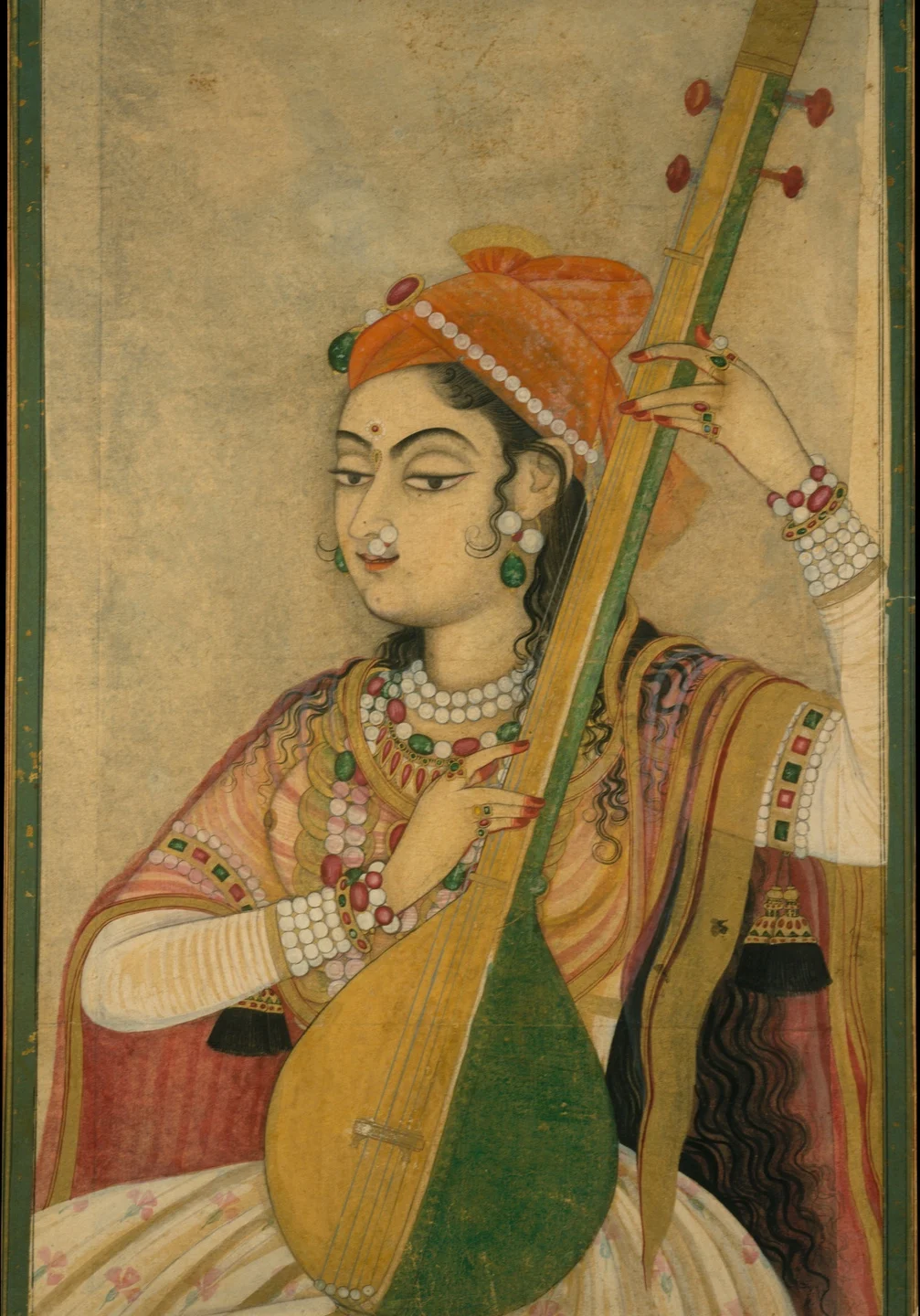 Unidentified Kishangarh painter
A Lady Playing the Tanpura
ca. 1735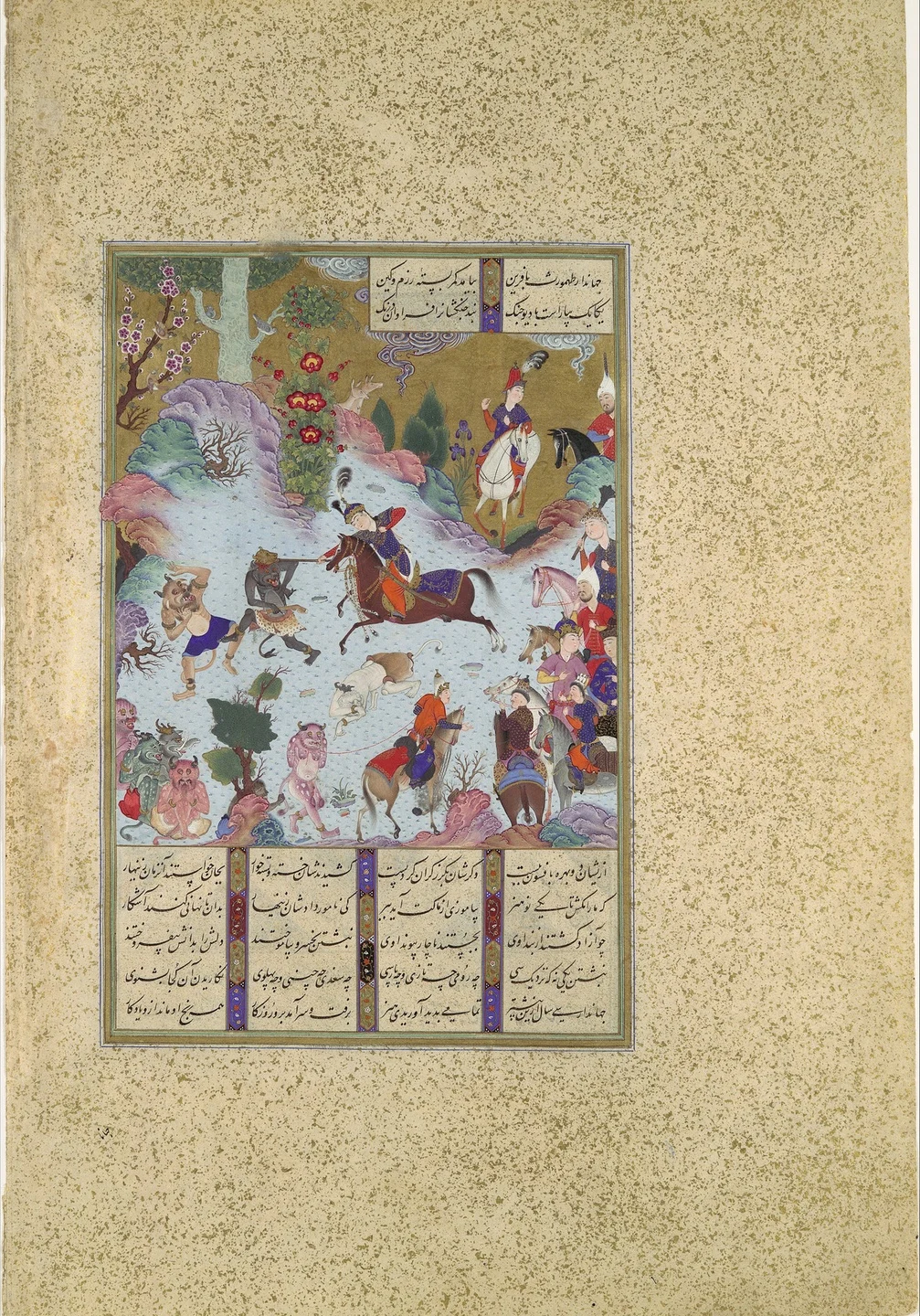 Attributed to Painting attributed to Sultan Muhammad
"Tahmuras Defeats the Divs", Folio 23v from the Shahnama (Book of Kings) of Shah Tahmasp
ca. 1525 El Greco
View of Toledo
ca. 1599–1600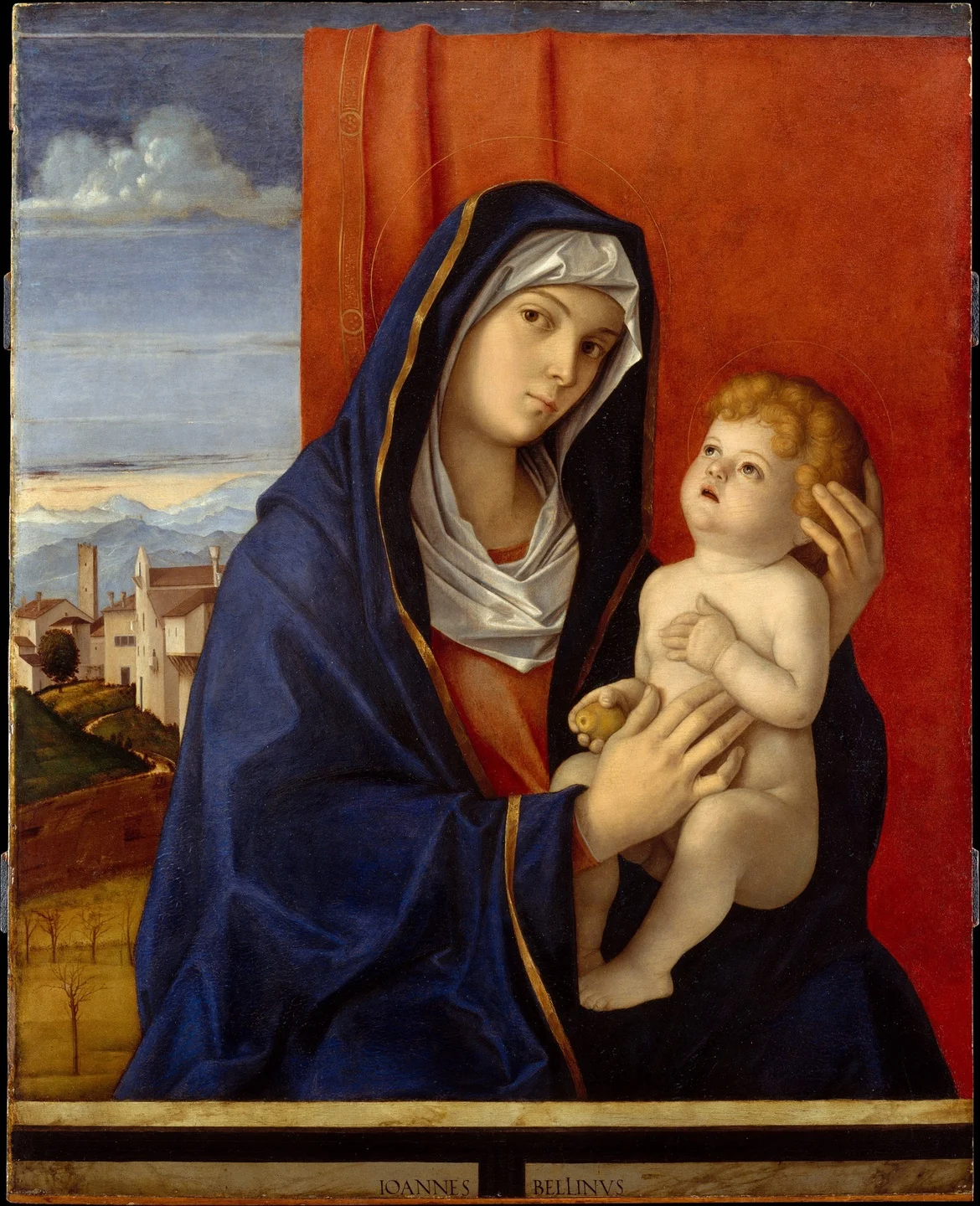 Giovanni Bellini
Madonna and Child
late 1480s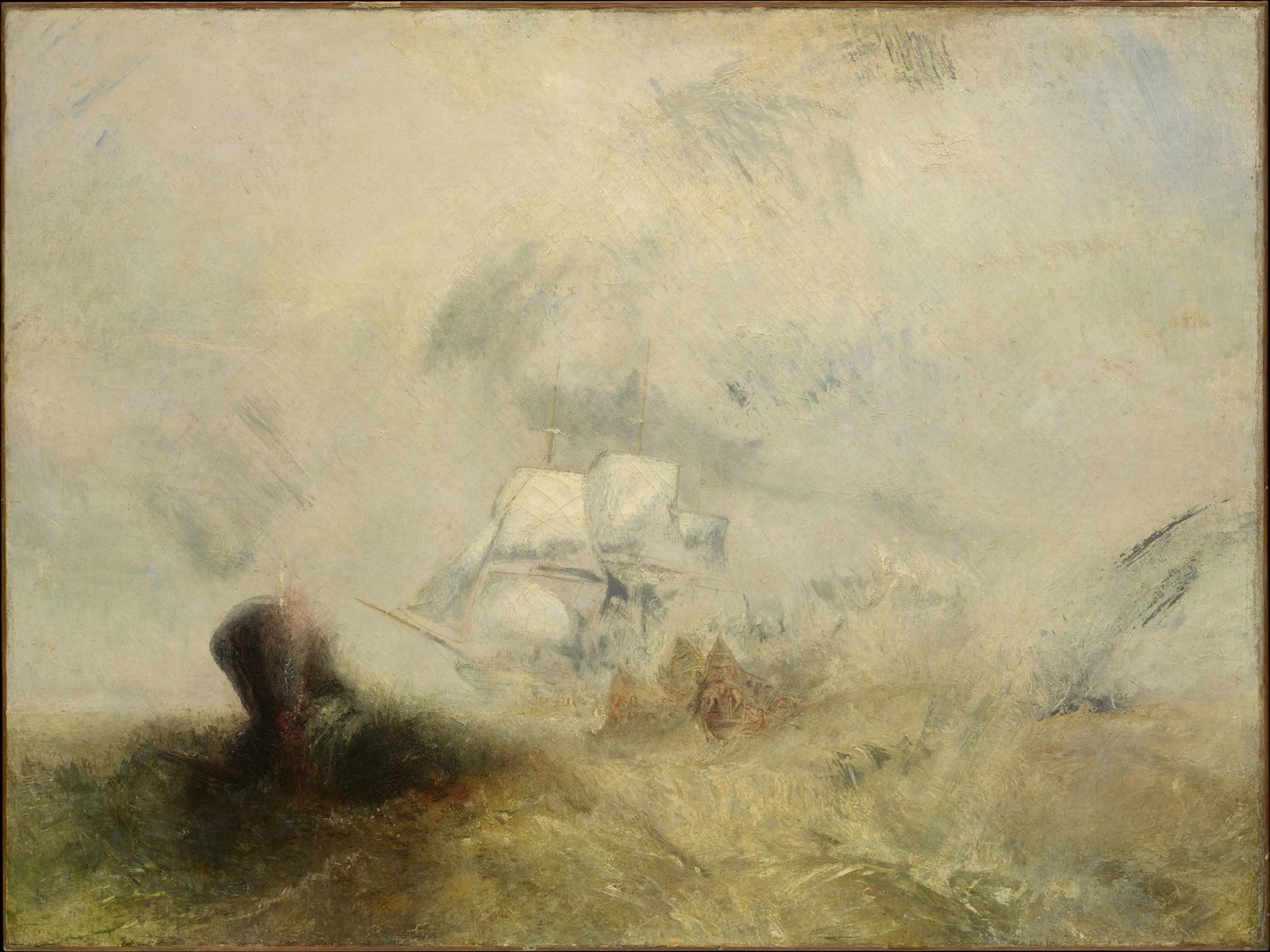 Joseph Mallord William Turner
Whalers
ca. 1845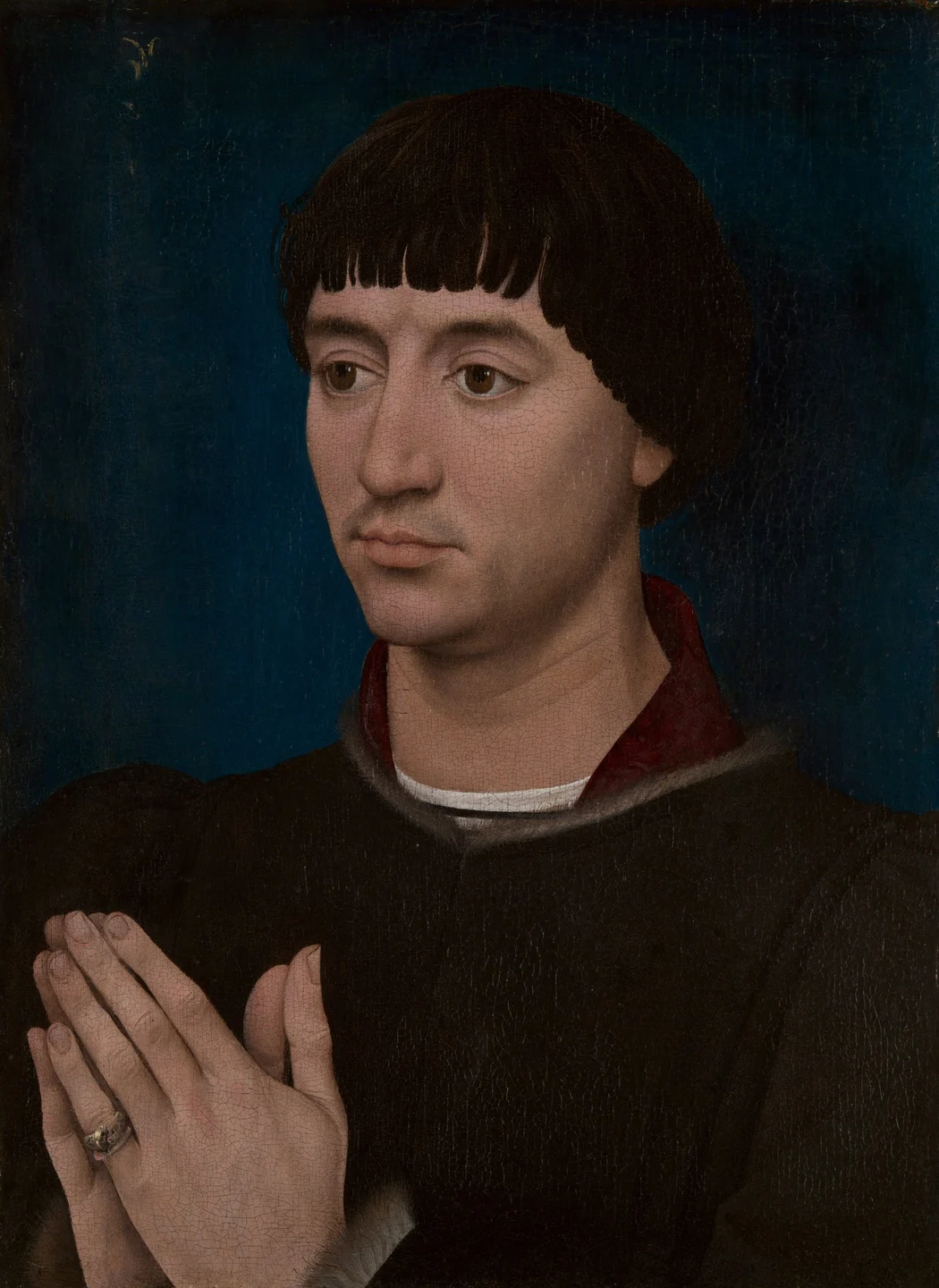 Rogier van der Weyden and workshop
Portrait of Jean Gros (recto); Coat of Arms of Jean Gros (verso)
1460–64 Claude Monet
Houses of Parliament, London
1900–1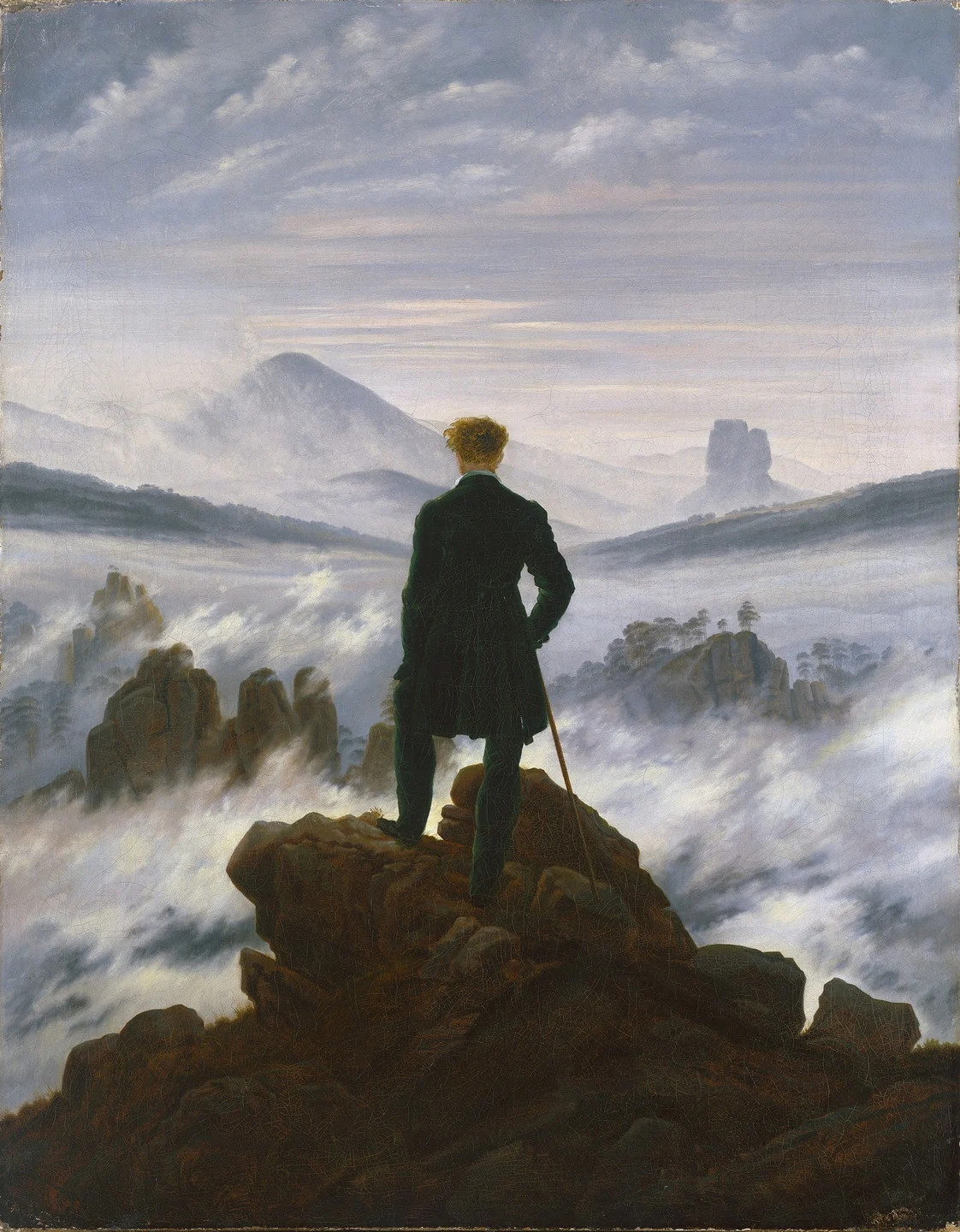 Caspar David Friedrich
Wanderer above the Sea of Fog
c. 1817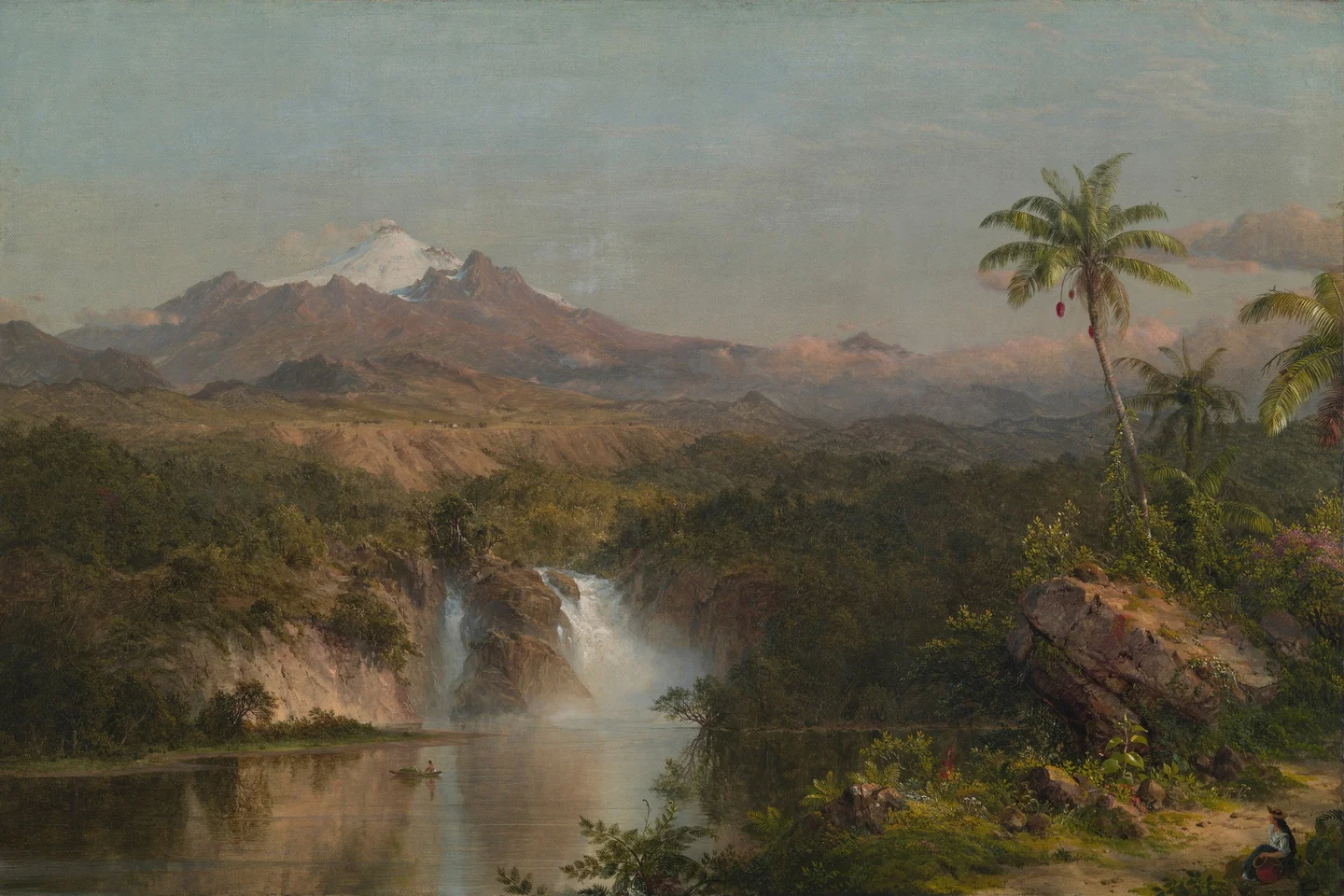 Frederic Edwin Church
View of Cotopaxi
1857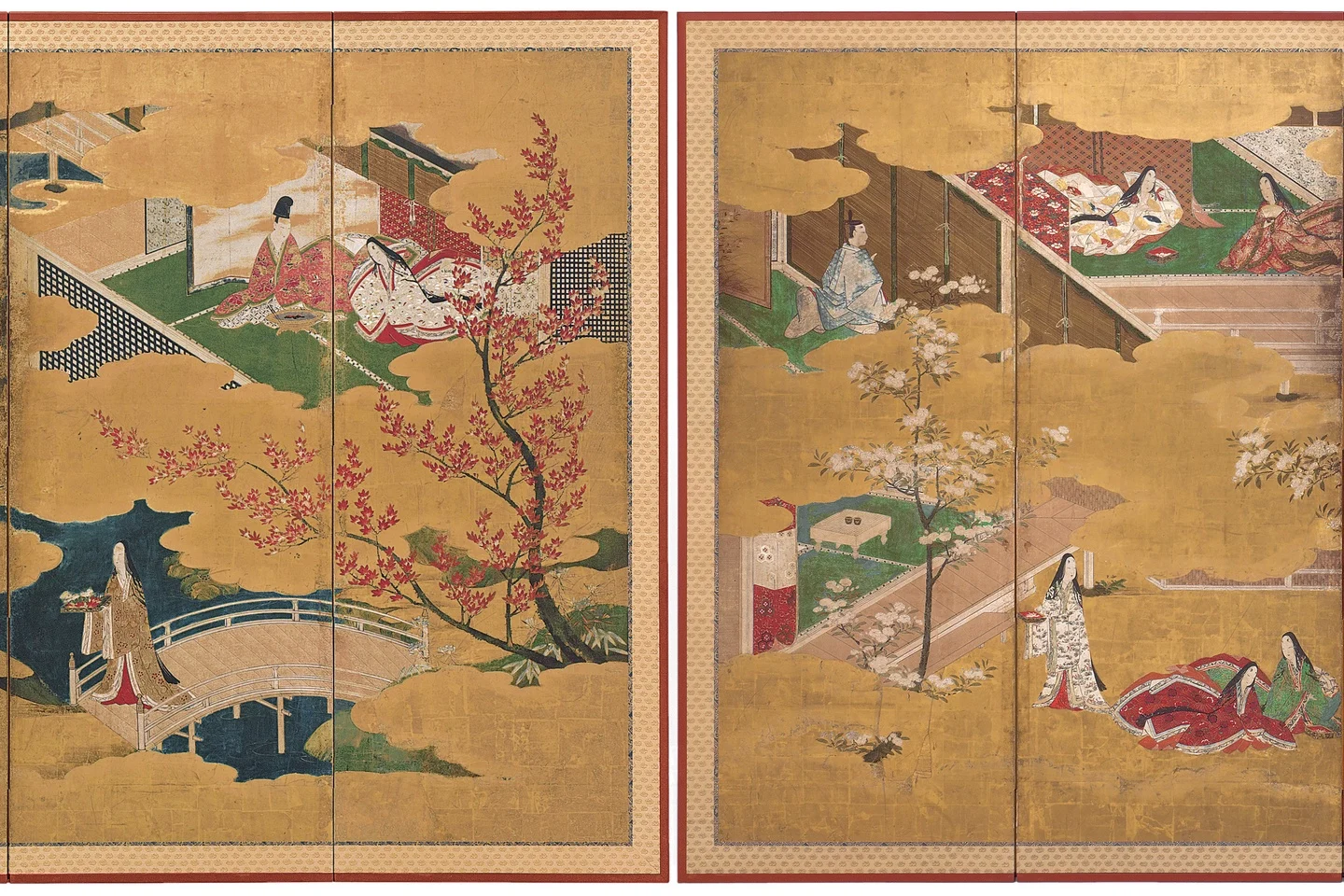 Unidentified Japanese painters